What To Look For In A Dog Bed: Buying Guide
Learn what to look for in a dog bed, from size and support to washable materials, for a comfortable choice your pet will love.
The best dog bed supports your dog’s body, suits their sleep style, and stays clean, safe, and durable.
Knowing what to look for in a dog bed can make a real difference to your pet’s comfort, sleep, and joint health. After comparing beds for puppies, senior dogs, chewers, and anxious sleepers, I’ve learned that the softest bed is not always the best choice. Size, filling, cover fabric, support, safety, and cleaning needs all matter. This guide explains how to choose a dog bed that fits your dog and your home.
Why the Right Dog Bed Matters
Dogs sleep for many hours each day. Puppies may sleep up to 18 hours, while adult and senior dogs often rest for 12 to 16 hours. A good bed gives your dog a warm, clean place to relax and can help protect pressure points such as the hips, elbows, and shoulders.
The first step in understanding what to look for in a dog bed is to consider your dog as an individual. A small dog that curls into a tight ball needs something different from a large dog that stretches out. A nervous dog may want raised sides, while a hot, long haired dog may prefer a cool, flat mat.


A proper bed may also help keep your dog off cold floors. For dogs with arthritis or joint pain, supportive foam can make standing up easier. However, a dog bed is not a cure for pain. If your dog struggles to rise, limps, or changes sleeping habits, speak with a veterinarian.
Measure Your Dog Before Buying
Many dog beds fail because owners guess the size. Breed labels can help, but body length and sleeping position are more useful. A Great Dane that curls up may need a smaller bed than a long, thin dog that sleeps fully stretched.
To measure your dog, follow these steps:
- Wait until your dog is relaxed and lying in their usual position.
- Measure from the nose or chest to the base of the tail.
- Add 8 to 12 inches for extra room.
- Measure again when your dog stretches out.
- Compare the final measurements with the bed’s inside sleeping area.
The inside space matters more than the outside dimensions. Thick bolsters can reduce the area where your dog can lie. If a bed measures 36 inches across but has large raised edges, your dog may have much less usable room.
When considering what to look for in a dog bed, think about growth, too. A puppy may outgrow a small bed within a few months. You can buy a larger bed with removable bolsters or choose a washable crate mat during the early training stage.
Choose the Best Bed Shape for Your Dog
The shape of a bed should match how your dog sleeps. Watch your dog for a few minutes before you shop. Their favorite position often gives you the clearest answer.
Bolster beds
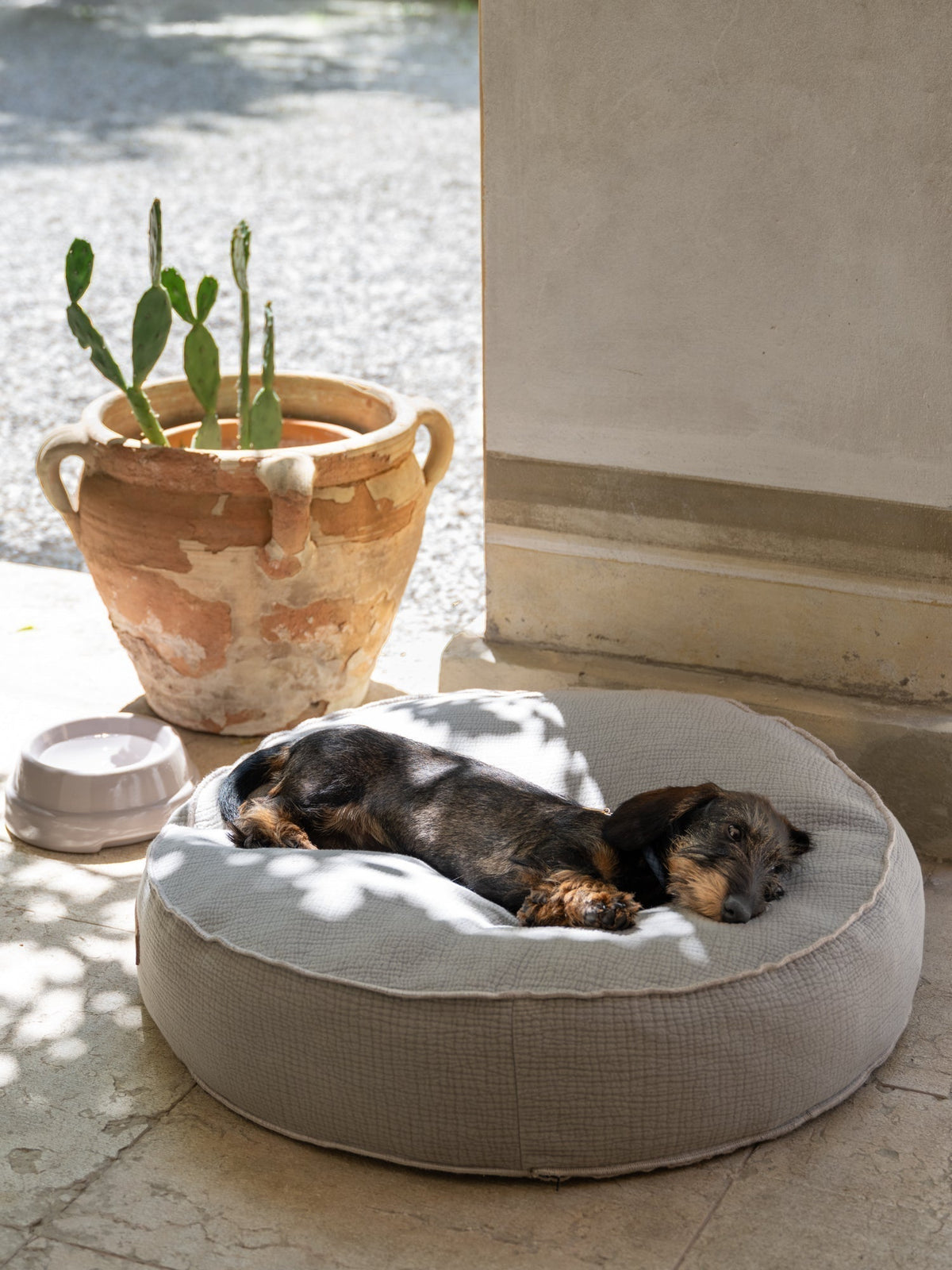
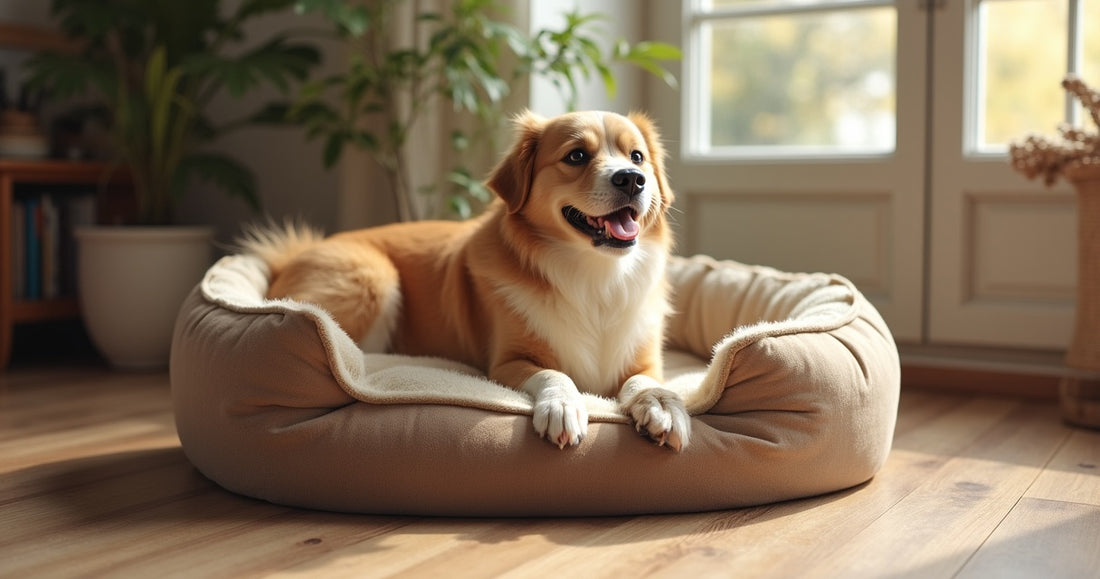
Bolster beds have raised edges around part or all of the bed. They suit dogs that like to lean, curl up, or rest their heads on a pillow-like edge. The sides can also help a dog feel protected.
Make sure the bolster is not so high that your dog must strain to climb over it. This matters for puppies, older dogs, and pets with weak joints.
Pillow or mattress beds
Flat mattress beds give dogs more space to stretch. They work well for large breeds and dogs that sleep on their sides. They are also easy to place in crates, kennels, and open areas.


A flat bed may not satisfy a dog that likes to burrow or nest. In that case, add a soft blanket that your dog can move without creating a choking risk.
Nesting and donut beds
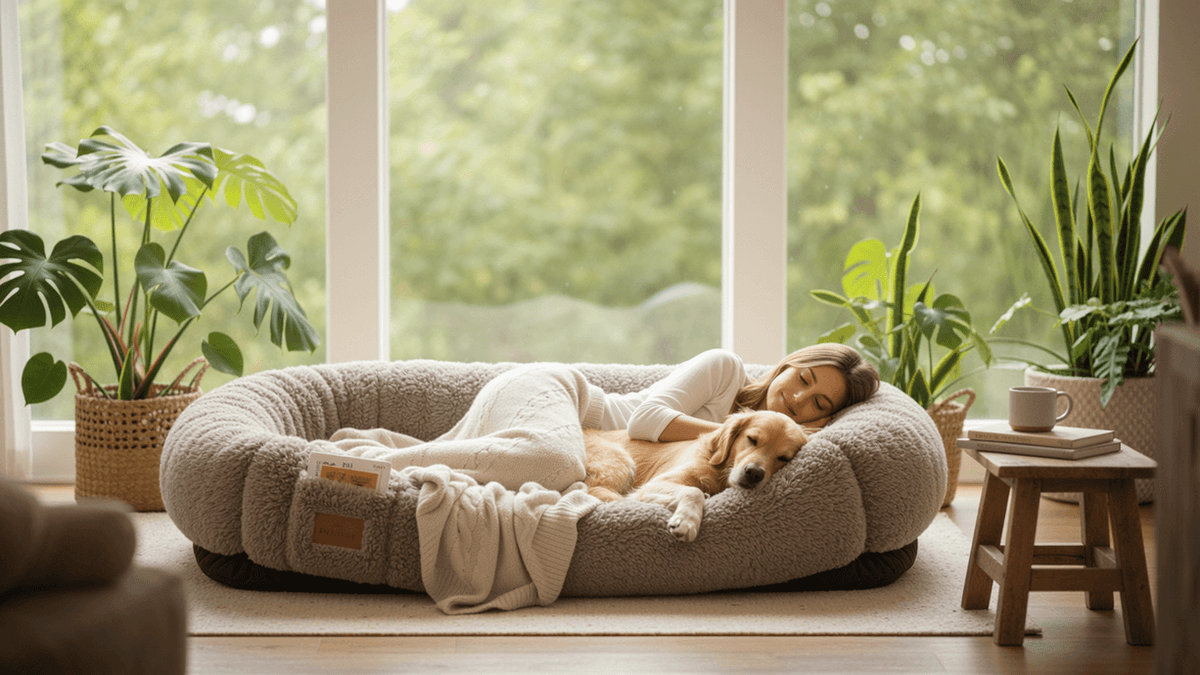
Nesting beds have soft, flexible edges. Donut beds usually have a round shape and a deep center. They are useful for dogs that circle before sleeping or enjoy curling into a ball.
These beds can be hard for older dogs to enter if the rim is too tall. Check that your dog can step in without lifting their legs high.
Elevated beds
Elevated beds use a fabric surface stretched over a frame. They allow air to move beneath the dog, which can help keep them cool. They are useful for patios, travel, and warm climates.
Check the frame for sharp edges and strong joints. An elevated bed should not wobble when your dog steps onto it.
Understanding what to look for in a dog bed includes matching the design to your dog’s habits, not just choosing a bed that looks attractive in a store.

Look for Supportive and Safe Materials
The filling affects comfort, support, weight, and durability. Common options include polyester fiber, shredded foam, memory foam, and solid orthopedic foam.
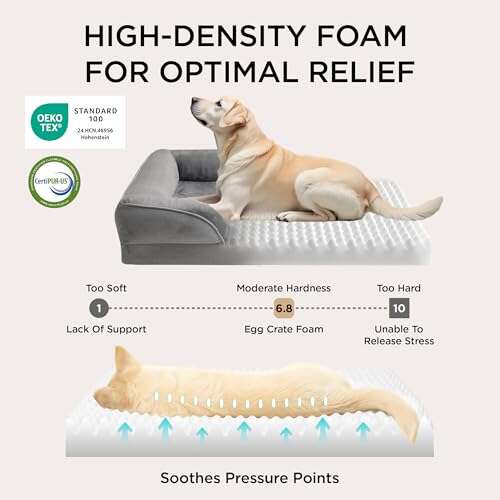
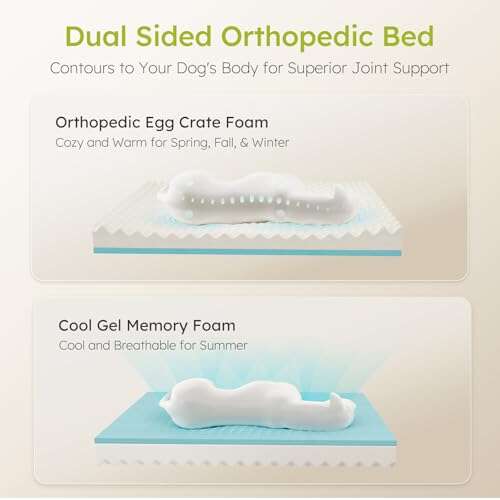
Solid foam often gives better, more even support than loose stuffing. Memory foam can cushion pressure points, but it may retain heat. Fiber filling feels soft, yet it can flatten over time, especially under a large dog.
For senior dogs or dogs with arthritis, look for:
• A thick base that does not touch the floor when compressed
• High density foam that keeps its shape
• A low entry point for easy access
• A stable bottom that does not slide
• A washable cover to support good hygiene


Avoid beds with exposed foam. Some dogs chew and swallow foam pieces, which can cause choking or intestinal problems. Loose buttons, long cords, beads, and plastic pieces can also create hazards.
A safe bed should use durable stitching and secure seams. If your dog is a strong chewer, no fabric bed is truly chew-proof. Use supervision and replace damaged beds quickly.
Select a Fabric That Fits Your Lifestyle
Fabric is one of the most practical answers to what to look for in a dog bed. The right cover depends on shedding, accidents, weather, allergies, and how often you want to wash it.
Popular cover materials include:
• Cotton: Soft and breathable, but it may absorb moisture and wear faster.
• Polyester: Durable and easy to clean, with many texture choices.
• Microfiber: Smooth, comfortable, and often resistant to light stains.
• Canvas: Strong and useful for active dogs, though it may feel less plush.
• Fleece: Warm and cozy, but it can hold hair and heat.
• Mesh: Breathable and useful for warm weather or elevated beds.
A removable cover with a strong zipper is usually a smart choice. It lets you wash the cover without placing the entire bed in a machine. Check the care label before buying because some foam beds cannot be washed or dried with heat.
For dogs with allergies, choose a washable cover and wash bedding often. A bed labeled hypoallergenic may reduce exposure to certain materials, but it does not guarantee that a dog will have no reaction. Dust, pollen, mold, and cleaning products can also trigger symptoms.
I once saw a family choose a pale, fluffy bed for a dog that loved muddy yard play. The bed looked beautiful for a week, then became difficult to clean. A darker cover with a tight weave would have been a better real-world choice.


Consider Temperature and Sleeping Location
Your dog’s bed should fit the room and the season. A thick, plush bed may feel warm in winter but uncomfortable in a hot room. A raised mesh bed may work well in summer but offer too little warmth on a cold floor.
Keep the bed away from drafts, direct heat, and busy walkways. Dogs often rest better when they can see the family but still have a quiet corner. Avoid placing the bed beside a radiator, fireplace, or exposed electrical cord.
For warm weather, consider:
• Breathable fabric
• A thin cotton cover
• An elevated design
• A cooling mat used according to its instructions
For cold weather, consider:
• A thick foam base
• A soft washable blanket
• A bed raised slightly from a cold floor
Cooling products need care. Some gel mats can be damaged by chewing, and they should not replace water, shade, or veterinary care during heat stress.
Match the Bed to Your Dog’s Age and Health
Age changes what to look for in a dog bed. Puppies need beds that are washable and easy to replace. They may have accidents, chew seams, or carry dirt into the bed.
Adult dogs usually need a bed that fits their habits and body size. Active dogs may benefit from durable covers and firm support. Dogs that spend much of the day outdoors need materials that dry quickly and resist odor.
Senior dogs may need extra support and easier access. Look for a firm, thick mattress with a low step-in edge. Avoid beds that sink deeply because your dog may struggle to get out.
Dogs with hip dysplasia, arthritis, or other joint conditions may benefit from orthopedic support. Research on therapeutic bedding suggests that pressure-distributing surfaces can improve comfort, but product claims vary. Your veterinarian can help you choose a bed if your dog has a diagnosed condition.
A bed cannot replace treatment, weight management, exercise advice, or prescribed medicine. It is one part of a larger comfort plan.

Think About Cleaning and Odor Control
A dog bed collects hair, skin flakes, dirt, saliva, and moisture. Regular cleaning helps control odor and may reduce exposure to irritants. It also lets you notice fleas, ticks, skin flakes, or unusual discharge early.
When deciding what to look for in a dog bed, use this cleaning checklist:
• Removable, machine-washable cover
• Colorfast fabric that will not fade easily
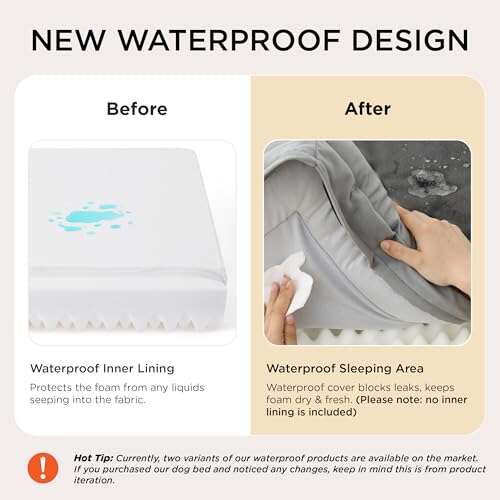
• Waterproof or water-resistant inner liner
• Foam that can be spot-cleaned
• Fabric that dries fully before use
• Replacement covers or inserts
Wash the cover based on your dog’s needs. A healthy indoor dog may need less frequent washing than a puppy, outdoor dog, or dog with allergies. Follow the care label and use a mild, pet-safe detergent. Avoid strong fragrances because some dogs dislike them and may develop skin irritation.
Dry the bed completely. Damp foam can hold odor and may support mold growth. If the bed smells musty after cleaning, it may be time to replace the insert.

Check Durability, Stability, and Value
Price alone does not tell you whether a dog bed is a good buy. A low-cost bed may be reasonable for a puppy or short-term travel. A more expensive orthopedic bed may be worthwhile for a large senior dog that uses it every day.
Look at the quality of construction:
• Strong seams with neat stitching
• A zipper that does not snag
• A non-slip bottom
• A cover that fits tightly
• Foam that returns to shape
• A frame that does not bend or wobble
Durability also depends on your dog. A bed that lasts five years for a calm adult dog may last five days with a determined chewer. Read reviews for dogs with similar size and behavior rather than relying only on general ratings.
A useful approach is to calculate cost per year. A $40 bed that lasts six months may cost more over time than a $100 bed that lasts three years. Still, do not pay extra for features your dog will not use.

Avoid Common Dog Bed Buying Mistakes
Even careful shoppers can choose the wrong bed. The most common errors are simple to prevent.
• Buying by breed alone: Dogs of the same breed can have very different body shapes and habits.
• Ignoring the sleeping area: Outside measurements can make a bed seem larger than it is.
• Choosing style over function: A beautiful bed is not useful if it cannot be washed.
• Buying a very soft bed for a senior dog: Deep, loose filling can make movement harder.
• Forgetting the floor: A thin bed may offer little protection on tile or concrete.
• Overlooking chewing behavior: Loose parts and exposed foam can be dangerous.
• Skipping the return policy: Dogs can reject a bed because of its smell, texture, or shape.
When I help people compare what to look for in a dog bed, I suggest watching the dog’s current habits first. Does your dog sleep on the floor because the bed is too hot? Does the dog avoid a bed with high sides? These clues often solve the problem faster than marketing labels.
Use This Dog Bed Buying Checklist
Before placing an order, ask the following questions:
- Is the sleeping surface long enough for my dog to stretch out?
- Is the bed wide enough for my dog’s normal sleeping position?
- Does the mattress provide enough support?
- Can my dog step in and out easily?
- Is the cover removable and machine washable?
- Can I clean the inner cushion safely?
- Does the fabric suit my dog’s coat and skin?
- Is the bottom stable on my floor?
- Are there loose parts, cords, or exposed foam?
- Does the bed suit the room temperature?
- Is the material strong enough for my dog’s behavior?
- Can I return or replace the cover if needed?
If you answer yes to most of these questions, you are likely choosing a practical bed rather than buying based on appearance alone. The best results often come from balancing comfort, safety, maintenance, and cost.
Frequently Asked Questions About What to Look for in a Dog Bed
What is the most important thing to look for in a dog bed?
The most important factors are correct size, good support, safe materials, and easy cleaning. The bed should match your dog’s body, age, health, sleeping style, and behavior.
How do I know what size dog bed to buy?
Measure your dog from the nose or chest to the base of the tail, then add about 8 to 12 inches. Compare this measurement with the bed’s inside sleeping space, not only its outside dimensions.
Are orthopedic dog beds worth it?
An orthopedic bed may be useful for senior dogs, large breeds, or dogs with joint discomfort because it can distribute pressure more evenly. It is not a medical treatment, so ask your veterinarian for advice if your dog has pain or mobility problems.
How often should I wash a dog bed?
Wash the cover whenever it becomes dirty or smells, and clean it more often if your dog has allergies, accidents, or spends time outdoors. Always dry the bed fully before your dog uses it again.
Is memory foam safe for dogs?
Memory foam can provide comfort and support when it is covered and kept intact. Do not use a bed with exposed, damaged, or crumbling foam, especially if your dog chews.
Should a dog bed have raised sides?
Raised sides can comfort dogs that like to curl up or rest their heads on an edge. However, low sides are safer and easier for puppies, senior dogs, and pets with limited mobility.
Where should I place my dog’s bed?
Place it in a quiet, draft-free area where your dog can still see and interact with the family. Keep it away from direct heat, strong sunlight, electrical cords, and busy paths.
Conclusion
Choosing the right dog bed starts with your dog’s real needs. Measure carefully, match the shape to their sleeping style, choose supportive materials, and look for a washable cover. Pay extra attention to safety, joint support, temperature, and chewing habits.
The best dog bed is not always the most expensive or the softest. It is the one your dog can enter easily, sleep on comfortably, and use safely for a long time. Watch how your dog rests, use this guide to compare your options, and choose a bed that supports better sleep every day.

Pet Care Writer & Researcher
Daniel writes practical guides on daily care, feeding, and safety, turning complex topics into simple, actionable advice.