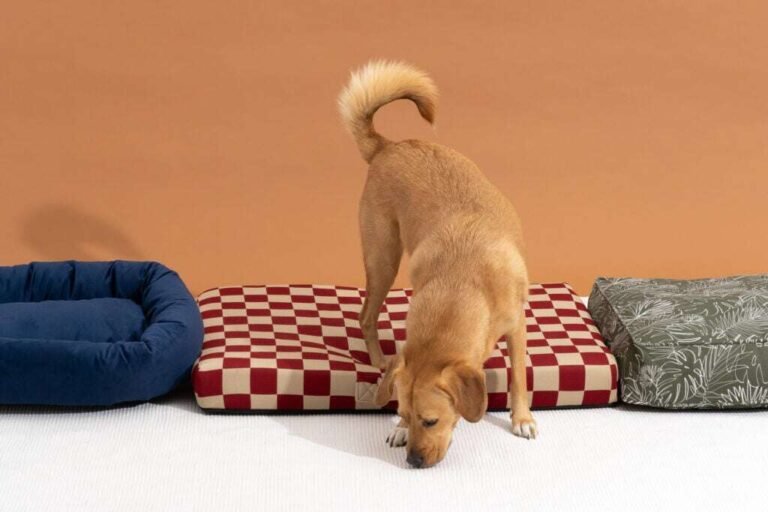
What Type Of Bed Do Dogs Prefer: Find The Perfect Fit
What type of bed do dogs prefer? Learn how to choose the ideal size, material, and style for your dog’s comfort, sleep, and support.
Most dogs prefer supportive, cozy beds that match their sleep style, size, age, and health needs.
Choosing the right dog bed is less about color or design and more about comfort, support, temperature, and your dog’s daily habits. After comparing common bed styles and watching how dogs settle, stretch, curl, and rest, I have found that the best choice is usually the one that fits your dog’s body and behavior—not simply the most expensive bed.
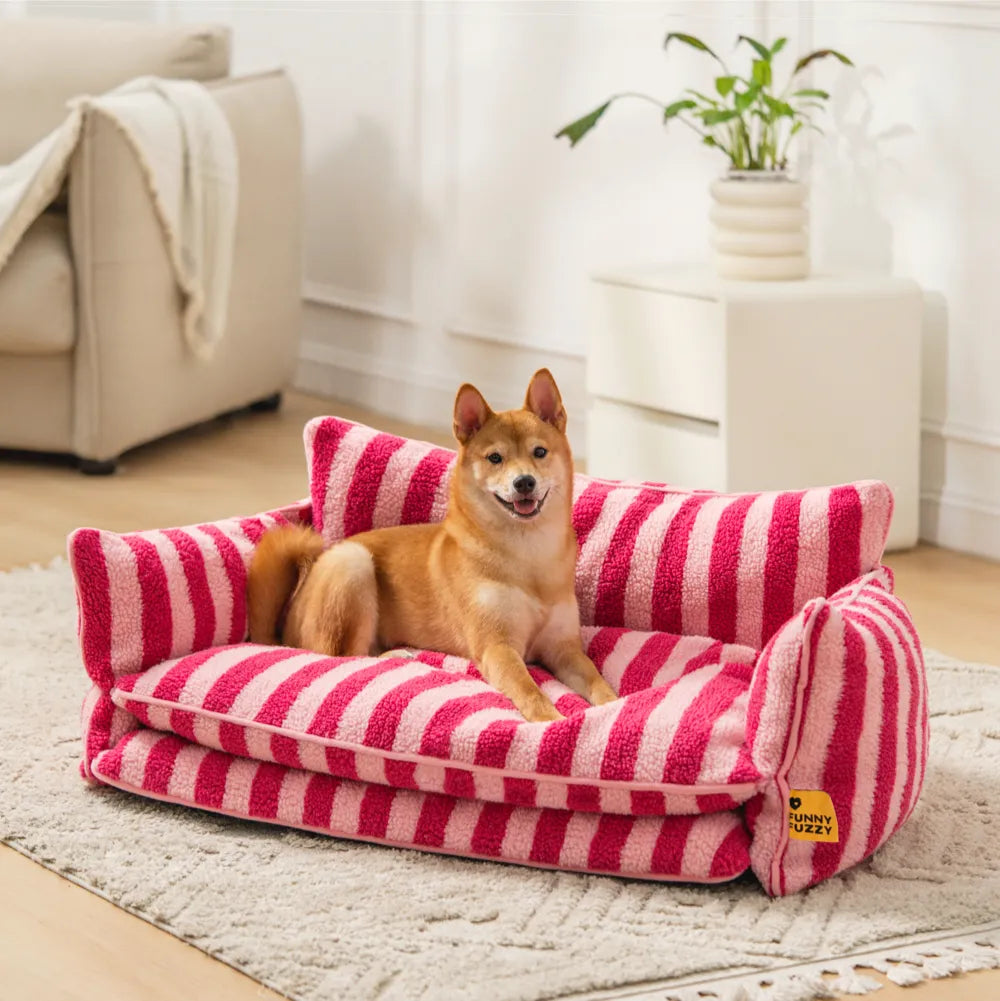
What Type of Bed Do Dogs Prefer?
Most dogs prefer beds that feel safe, soft, and supportive. However, there is no single bed that every dog will love. A senior Labrador may need a firm orthopedic mattress, while a small Chihuahua may prefer a warm, raised-sided nest.


The answer to what type of bed do dogs prefer depends on several factors:
• Sleeping position
• Age and health
• Body size and weight
• Coat thickness
• Indoor temperature
• Chewing or digging habits
• Preference for privacy or open space
Dogs often choose comfort in the same way people do. Some want a soft place to curl up. Others want room to stretch out. Some like to rest against a wall or bolster, while others feel trapped by high sides.
A good dog bed should support the joints without feeling hard. It should also keep your dog warm without causing overheating. The best bed is one your dog uses willingly and can leave with ease.
The Main Types of Dog Beds
Understanding the common bed styles makes it easier to decide what type of bed do dogs prefer in your home. Each design serves a different purpose.


Orthopedic memory foam beds
Orthopedic beds use dense foam to spread body weight across the mattress. They can reduce pressure on the hips, shoulders, elbows, and spine.
These beds are often a strong choice for:
• Senior dogs
• Large breeds
• Dogs with arthritis
• Dogs recovering from injury
• Thin dogs with little body fat
Memory foam should be thick enough to stop your dog from sinking onto the floor. A washable cover is also important because older dogs may have accidents or shed more than younger dogs.
Bolster and sofa-style beds
Bolster beds have raised edges around part or all of the bed. Many dogs like to rest their heads on the rim or lean against it while sleeping.
These beds may suit dogs that:
• Like to curl up
• Sleep with their backs against furniture
• Enjoy a sense of security
• Use pillows or blankets as headrests
A bolster bed may not be ideal for a dog with weak legs. High edges can make getting in and out harder, so choose a low-entry design for older or less mobile dogs.


Donut and nest beds
Donut beds have a round shape and soft, raised edges. They are designed for dogs that like to curl into a tight ball.
Small dogs, nervous dogs, and dogs that seek warmth often enjoy this style. The raised rim can create a snug space that feels like a small den.
Still, a donut bed may not provide enough room for a dog that sleeps fully stretched out. Watch your dog’s natural posture before buying one.
Flat mattress beds
Flat beds have a simple design with little or no raised edge. They give dogs plenty of space to stretch and change positions.
They are often useful for:
• Long-bodied dogs
• Dogs that sleep on their side
• Large breeds
• Crate use
• Dogs that dislike confined spaces
Flat beds are also easy to place in a crate, near a desk, or in a quiet corner. Their main weakness is that they may not feel cozy enough for dogs that like to nest.
Cooling beds
Cooling beds help dogs stay more comfortable in warm weather. Some use breathable mesh, while others contain pressure-activated gel or cooling foam.
These beds can help dogs with thick coats or dogs that become restless in summer. However, a cooling bed does not replace shade, fresh water, airflow, or safe indoor temperatures.
Avoid cooling products that your dog can easily puncture and swallow. Always check the materials and supervise a dog that chews.
Elevated beds
Elevated beds use a frame and breathable fabric to lift the dog off the floor. Air can move under the bed, which may help keep the body cool.


They can work well for:
• Outdoor rest
• Warm climates
• Muddy homes
• Dogs that like firm support
• Homes with hard floors
Some dogs dislike the firm, open feel of an elevated bed. It may also be less suitable for very small puppies or dogs with poor balance.
Cave and hooded beds
Cave beds have a covered section where a dog can burrow or hide. They are often popular with small dogs and dogs that enjoy dark, quiet spaces.
These beds may help a dog feel secure during naps. They are not ideal for every dog, though. A heavy-coated dog may get too warm, and some dogs prefer to see the room while they sleep.

How Sleeping Style Affects Bed Choice
Your dog’s sleeping position gives useful clues about what type of bed do dogs prefer. Spend a few minutes watching your dog before making a purchase.
Dogs that curl up
A curled sleeping position helps conserve body heat. Dogs that sleep this way often like a donut bed, nest bed, or bolster bed with soft edges.
The bed should still be large enough for your dog to turn around without touching the sides. A bed that is too small can cause stiffness and poor sleep.
Dogs that stretch out
Dogs that sleep on their sides or stomachs often prefer a flat mattress. They need enough length to stretch their legs without hanging off the edge.
Measure from your dog’s nose to the base of the tail. Add several inches to find a practical minimum bed length.
Dogs that lean or burrow
Some dogs press against walls, furniture, or people while sleeping. Others push their nose under blankets.
A bolster or cave bed may suit these dogs. If your dog burrows under blankets, choose a bed with breathable fabric and avoid designs that can trap heat.
Dogs that change positions often
Restless sleepers need space and a stable surface. A large flat bed with firm but comfortable foam may work better than a small nest bed.
Look for a non-slip base. A bed that slides across the floor can make it harder for a dog to stand, especially on hardwood or tile.
Choosing a Dog Bed for Age and Health
Age and health can change what type of bed do dogs prefer over time. A bed that worked for a young dog may not work after an injury or as the joints become less flexible.
Puppies
Puppies need beds that are safe, washable, and resistant to chewing. Avoid loose filling that can spill out and become a choking risk.
A simple flat bed can be practical during house training. Choose a size that gives the puppy room to lie down but does not leave a large area for accidents.
Adult dogs
Healthy adult dogs often have the widest range of choices. Their ideal bed depends mainly on body shape, sleep habits, and the home environment.
Offer comfort without making the bed too soft. Excessive sinking can make it harder for a dog to rise and may reduce support.
Senior dogs
Older dogs often benefit from thick orthopedic foam with a low step-in edge. The bed should cushion the joints and make standing easy.
Veterinary guidance commonly recommends supportive bedding for dogs with arthritis or reduced mobility. A warm, dry, draft-free location can also improve rest.
Dogs with arthritis or joint pain
A firm orthopedic mattress may reduce pressure better than a thin cushion. It should not collapse completely under the dog’s weight.
Place the bed on a warm floor away from drafts. Keep food, water, and the bed close enough that your dog does not need to climb stairs often.
A bed cannot treat arthritis by itself. If your dog struggles to rise, limps, cries, or changes behavior, arrange a veterinary exam.
Dogs recovering from surgery
Follow your veterinarian’s instructions after surgery. Some dogs need a flat bed with easy access, while others need strict movement control.
Avoid beds with deep holes or loose parts that can catch a leg, collar, or bandage. Keep the area clean and check the incision as directed.
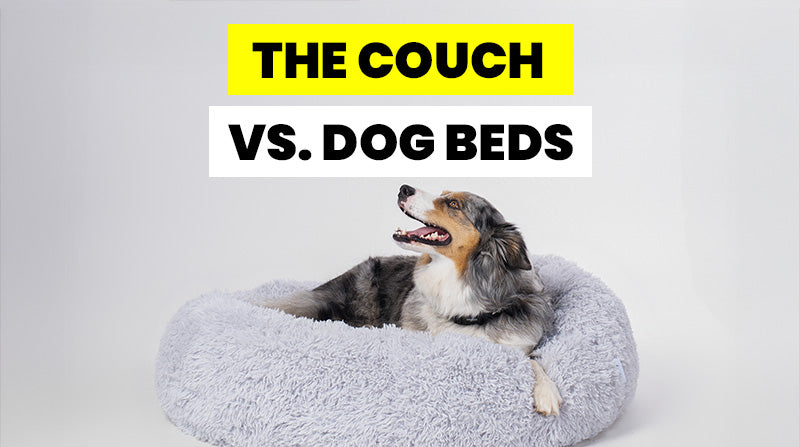
How to Choose the Right Dog Bed Size
Size is one of the most common reasons dogs reject a new bed. A bed may look large in a store but feel cramped once your dog lies down.
Use this simple process:
-
Watch your dog sleep in a natural position.
-
Measure from the nose to the base of the tail.
-
Add 6 to 12 inches, depending on the dog’s size and sleeping style.
-
Compare the measurement with the bed’s usable sleep area.
-
Check the weight limit for elevated or foam beds.
Do not count thick bolsters as sleeping space. A dog may fit within the outside measurement but have too little room inside.
For puppies, consider expected adult size. You may need a divider in a crate so the sleeping area remains useful during house training.
Materials, Safety, and Easy Cleaning
The material can affect comfort, odor, durability, and safety. A soft bed is not useful if it becomes hot, smells bad, or falls apart after one wash.
Look for:
• Removable, machine-washable covers
• Strong seams
• Nontoxic, pet-safe materials
• A non-slip bottom
• Breathable fabric
• Waterproof protection for accidents
Foam should stay inside a durable cover. If your dog chews, inspect the bed often. Remove it if pieces of foam, fabric, zipper, or stuffing become accessible.
Wash bedding on a regular schedule. Clean it sooner after accidents, illness, heavy shedding, or outdoor use. Follow the care label, since some foam cores should not go into a washing machine.
I have seen many owners choose a beautiful bed with a cover that cannot be removed. Within weeks, the bed becomes hard to clean and the dog stops using it. Practical design usually matters more than appearance.
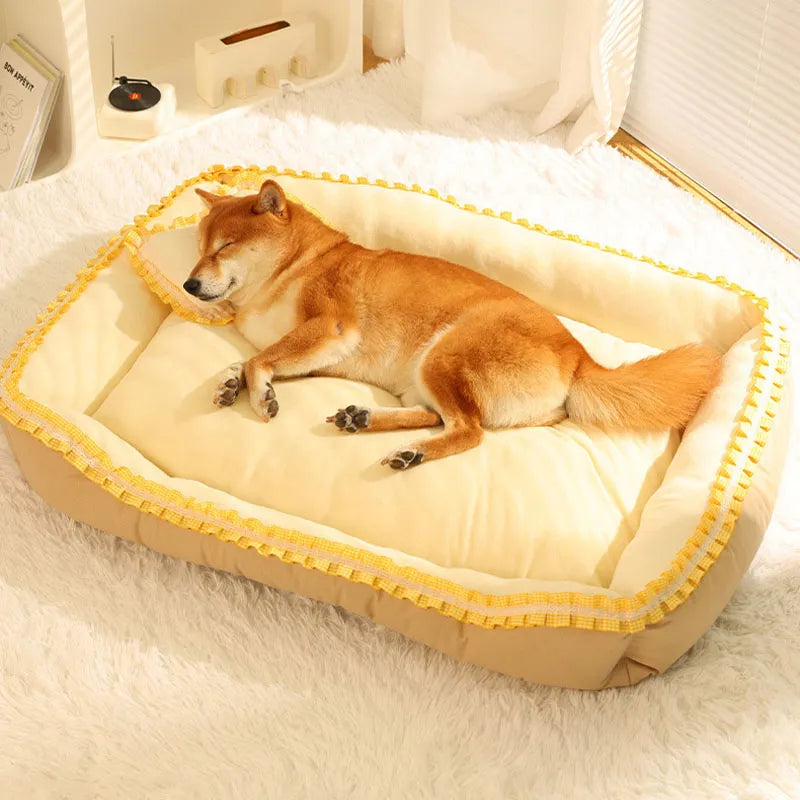
Why Dogs Reject Certain Beds
Even when a bed seems perfect, a dog may ignore it. This does not always mean the bed is poor quality.
Common reasons include:
• The bed smells unfamiliar
• The fabric feels too warm or slippery
• The mattress is too soft
• The sides feel restrictive
• The bed moves on the floor
• The location is noisy
• The bed is too small
• The dog has learned to sleep elsewhere
Introduce a new bed near a familiar resting place. Add a clean blanket that smells like home. Reward calm use with praise, but do not force your dog onto the bed.
Give the dog several days to explore it. Some dogs need time to trust a new object, especially if it makes noise or has a strong factory smell.
If your dog suddenly stops using every bed, consider pain or illness. A sudden change in sleep habits deserves attention, particularly in senior dogs.
Where Should You Put a Dog Bed?
Location can matter as much as the bed itself. Dogs often want to rest near their family while still having a quiet place to sleep.
A good location should be:
• Away from cold drafts
• Away from direct heat
• Free from heavy foot traffic
• Easy for the dog to reach
• Large enough for the bed to lie flat
• Near the family but not in a dangerous walkway
Many dogs benefit from two beds. Place one in a social area and another in a quiet sleeping space. This gives your dog a choice without requiring the bed to move around the home.
Do not place a bed beside an unsecured radiator, fireplace, or heating vent. Avoid areas where cords, small objects, or cleaning products are within reach.

Mistakes to Avoid When Buying a Dog Bed
Buying based only on appearance is a common mistake. Dogs care more about feel, support, temperature, and safety than matching home decor.
Avoid these errors:
• Choosing a bed that is too small
• Buying very soft foam with no support
• Ignoring your dog’s weight limit
• Selecting high sides for a dog with weak legs
• Using loose stuffing for a strong chewer
• Placing the bed on a slippery floor
• Skipping a washable cover
• Expecting one bed to suit every season
Another mistake is changing beds too quickly. If your dog does not use a new bed on day one, leave it in a familiar place and make it inviting.
Do not use punishment to make a dog stay on a bed. Calm rewards create a positive association and help the dog choose the bed willingly.
A Simple Test for the Best Dog Bed
You can test whether a bed suits your dog by watching three things: entry, rest, and exit.
First, your dog should step onto the bed without hesitation. Next, the body should remain supported while the dog rests. Finally, your dog should be able to stand and leave without slipping or struggling.
Watch for these positive signs:
• Relaxed muscles
• Slow, steady breathing
• A natural sleeping position
• Regular use without coaxing
• Easy movement after waking
Signs of a poor fit include repeated repositioning, avoiding the bed, stiffness after rest, or hanging limbs. One short nap does not give a complete answer, so observe the bed over several days.
This simple test often reveals what type of bed do dogs prefer better than a product description does.

Frequently Asked Questions About What Type of Bed Do Dogs Prefer
What type of bed do dogs prefer for sleeping at night?
Many dogs prefer a supportive bed with enough room to stretch and a soft edge for leaning. The best choice depends on whether your dog curls up, stretches out, gets cold, or overheats.
Do dogs prefer hard or soft beds?
Most dogs prefer balanced support rather than an extremely hard or soft surface. A bed should cushion pressure points while keeping the body from sinking to the floor.
Do dogs prefer beds with sides?
Some dogs prefer raised sides because they like to rest their heads or feel surrounded. Dogs that stretch out, overheat, or have mobility problems may prefer a flat bed with a low entry.
What type of bed do dogs prefer in a crate?
Dogs often do well with a flat, washable mattress that fits the crate without folding or bunching. For puppies and chewers, choose a durable bed with limited loose material.
Do older dogs need orthopedic dog beds?
Many older dogs benefit from orthopedic foam because it can reduce pressure on sore joints. The bed should also have a low entry and a washable cover for easy care.
How many dog beds should a dog have?
One bed may be enough, but two beds can offer more comfort and choice. A bed in a family area and another in a quiet sleeping area works well for many homes.
What type of bed do dogs prefer in hot weather?
Dogs often prefer breathable mesh, elevated beds, or cooling beds during hot weather. Always provide water, shade, and proper airflow because a cooling bed alone cannot prevent heat illness.

Conclusion
The best answer to what type of bed do dogs prefer is personal: dogs usually choose beds that feel safe, supportive, clean, and suited to their body and habits. A curled sleeper may love a donut bed, while a senior large breed may need thick orthopedic foam and a low entry.
Watch how your dog sleeps, measure the usable bed space, and choose safe materials that are easy to wash. Give your dog time to adjust, and replace the bed when it loses support or becomes damaged.
Start by observing your dog tonight, then choose a bed that matches those real habits. If this guide helped, explore more pet-care resources and share your dog’s favorite bed style in the comments.

Pet Care Writer & Researcher
Daniel writes practical guides on daily care, feeding, and safety, turning complex topics into simple, actionable advice.