What Breed Of Dog Barks The Least: Quietest Breeds
Wondering what breed of dog barks the least? Compare quiet, low-barking breeds and find the best calm companion for your home.
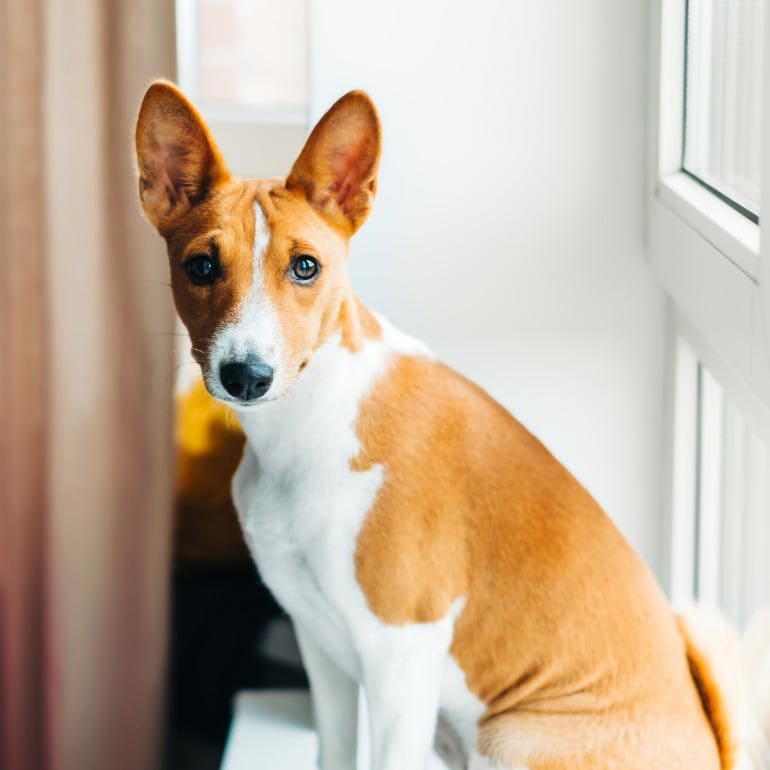
The Basenji is widely considered the dog breed that barks the least, although it can still make unique yodeling sounds.
If you want a peaceful home, choosing a quiet dog breed can make daily life much easier. The Basenji is the strongest answer to what breed of dog barks the least, but barking habits also depend on training, age, health, exercise, and personality. This guide explains which breeds are quietest, what sounds they make, and how to choose the right dog for your home.

What breed of dog barks the least?
The Basenji is usually the best answer to what breed of dog barks the least. This small African hunting dog is known as the “barkless dog” because it does not produce a typical bark.
However, “barkless” does not mean silent. A Basenji may yodel, whine, growl, howl, or make a sound often called a “baroo.” Some Basenjis are quite vocal in other ways, especially when they are excited, bored, or seeking attention.
The Basenji’s unusual voice comes from the shape of its larynx. Its vocal anatomy makes a normal bark difficult. Still, each dog is different. A Basenji living in a busy home may make more noise than one living in a calm, well-managed environment.
Other quiet dog breeds include:
• Greyhound
• Great Dane
• Bulldog
• French Bulldog
• Cavalier King Charles Spaniel
• Borzoi
• Newfoundland
• Japanese Chin
• Whippet
• Saint Bernard
These breeds may bark less than many other dogs, but none is guaranteed to be quiet all the time.

Why does the Basenji bark so little?
The Basenji was developed in Central Africa as a hunting dog. Hunters valued dogs that could move quickly and quietly through dense forests. A dog that barked often could alert prey or make it harder for people to track animals.
The breed’s short, unusual vocal sound is linked partly to its larynx. Unlike most dogs, the Basenji does not usually produce a deep, clear bark. Instead, it may make a rising and falling sound that resembles a yodel.
The Basenji can still communicate clearly. It may use body language, facial expressions, whining, and soft vocal sounds to show what it wants. Many owners say their Basenji seems expressive even when it is not barking.
In my experience reviewing quiet-breed behavior, the biggest mistake is assuming that low barking means low maintenance. Basenjis are smart, active, curious, and often independent. They can be harder to train than a relaxed companion breed.
A Basenji may also:
• Chase small animals
• Climb or jump over barriers
• Chew items when bored
• Resist repeated commands
• Become destructive without enough exercise
• Show strong interest in food and household objects
So, if you are asking what breed of dog barks the least, the Basenji is a strong answer. But it may not be the easiest choice for a first-time dog owner.

The quietest dog breeds besides the Basenji
The best quiet dog for you may not be the Basenji. Lifestyle matters just as much as breed. A retired person may prefer a Greyhound, while an active family may enjoy a calm but energetic Whippet.
Greyhound
Greyhounds are among the quietest large dog breeds. They often spend much of the day resting indoors. Despite their racing history, many retired Greyhounds are gentle, calm, and content with short walks and soft bedding.
They can still bark when excited or alarmed. Some also have a strong chase instinct, so they need safe outdoor areas and careful supervision around small pets.
Great Dane
Great Danes often bark less than expected. Their large size and calm nature can make them surprisingly peaceful house dogs. When they do bark, their deep voice can sound much louder than a smaller dog’s bark.
They need room to stretch, careful nutrition, and regular veterinary care. Their short life expectancy and risk of conditions such as bloat are important concerns for potential owners.
Bulldog
English Bulldogs often have a quiet, relaxed nature. They may snore, grunt, and make other breathing sounds, but they do not always bark frequently.
Heat is a serious concern for this breed. Their short noses can make it hard to cool down, so they need a cool home, controlled exercise, and close attention during warm weather.
French Bulldog
French Bulldogs often bark only when they want attention or notice something unusual. They are usually social and affectionate, which can make them good choices for apartments.
However, they may snort, wheeze, or develop breathing problems. A quiet dog is not always a low-cost dog. Owners should plan for routine health care and possible respiratory treatment.
Borzoi
The Borzoi is a graceful, quiet sighthound. It often prefers observing the world rather than announcing every sound. This breed can be gentle at home but needs safe exercise and careful handling around animals that trigger its chase instinct.
Borzoi can also be sensitive. Harsh training may cause fear or withdrawal, so calm, reward-based training works best.
Cavalier King Charles Spaniel
The Cavalier King Charles Spaniel is often quieter than many small companion dogs. It usually enjoys human company and responds well to positive training.
Some Cavaliers develop separation-related barking if they are left alone for long periods. They can also face inherited heart, eye, and neurological concerns, so health testing matters when choosing a breeder.
Newfoundland
Newfoundlands are often calm and thoughtful. They may bark to alert their family, but many do not bark constantly. Their large size, heavy coat, and drooling can create more daily work than their quiet behavior suggests.
They need regular grooming, space, and careful exercise while young. Like other giant breeds, they also require attention to joint and heart health.
What makes a dog bark more or less?
Breed is only one part of the answer to what breed of dog barks the least. The same breed can behave very differently in two homes.
Important factors include:
• Genetics: Some bloodlines are more alert or vocal than others.
• Age: Puppies often bark while learning about the world. Older dogs may bark due to pain or confusion.
• Socialization: Dogs with limited early exposure may react loudly to new people, dogs, or sounds.
• Exercise: A bored dog may bark to release energy.
• Training: Dogs learn which behaviors receive attention.
• Environment: Traffic, neighbors, sirens, and other pets can increase barking.
• Health: Pain, hearing loss, anxiety, and neurological problems may change vocal behavior.
• Alone time: Separation distress can lead to repeated barking or howling.
A quiet breed in a noisy home may bark more than an alert breed in a calm home. Think of barking like an alarm system. Some dogs have a sensitive alarm, while others rarely react. The setting controls how often the alarm is triggered.

How to choose a quiet dog for your home
Start with your daily routine rather than choosing a breed from a list. Ask how much time you can provide for walks, training, grooming, company, and veterinary care.
Consider these questions:
- Do you live in an apartment or a detached home?
- How close are your neighbors?
- How many hours will the dog spend alone?
- Do you have children or other pets?
- Can you manage a large or strong dog?
- Are you prepared for grooming and health costs?
- Do you want a relaxed dog or an active dog that is simply quiet?
If possible, spend time with adult dogs of the breed. Puppies may not show their final barking pattern. A shelter, foster home, reputable breeder, or breed club may help you learn how individual dogs behave.
For apartment living, a Greyhound, Whippet, Cavalier, or adult mixed-breed dog may be a better match than a Basenji. For an experienced owner who enjoys training and activity, a Basenji may be rewarding.
One practical lesson is worth remembering: never choose a dog based only on noise level. A quiet dog that cannot cope with your lifestyle may develop anxiety, destructive habits, or other behavior problems.
How to reduce barking in any dog
Even quiet breeds need training. The goal is not to punish every sound. Dogs bark to communicate, and some barking is useful. The goal is to understand the cause and teach a better response.
Use these steps:
Find the cause
Notice when the barking begins. Is it linked to the doorbell, passing dogs, food, boredom, fear, or being alone? A simple log can reveal patterns within a few days.
Reward calm behavior
Give praise, treats, or play when your dog is quiet and relaxed. Reward the behavior you want before barking begins. This helps your dog learn that calm choices have benefits.
Teach a quiet cue
When your dog stops barking for a moment, say “quiet” in a calm voice. Then reward the silence. Avoid shouting, since your dog may think you are barking too.
Reduce triggers
Close blinds if your dog reacts to outdoor movement. Use white noise near windows. Move the bed away from the front door if hallway sounds cause repeated alerts.
Meet daily needs
Provide walks, sniffing time, play, training, and rest. Mental work can be as valuable as physical exercise. Food puzzles and short training sessions often help dogs settle.
Avoid harsh tools
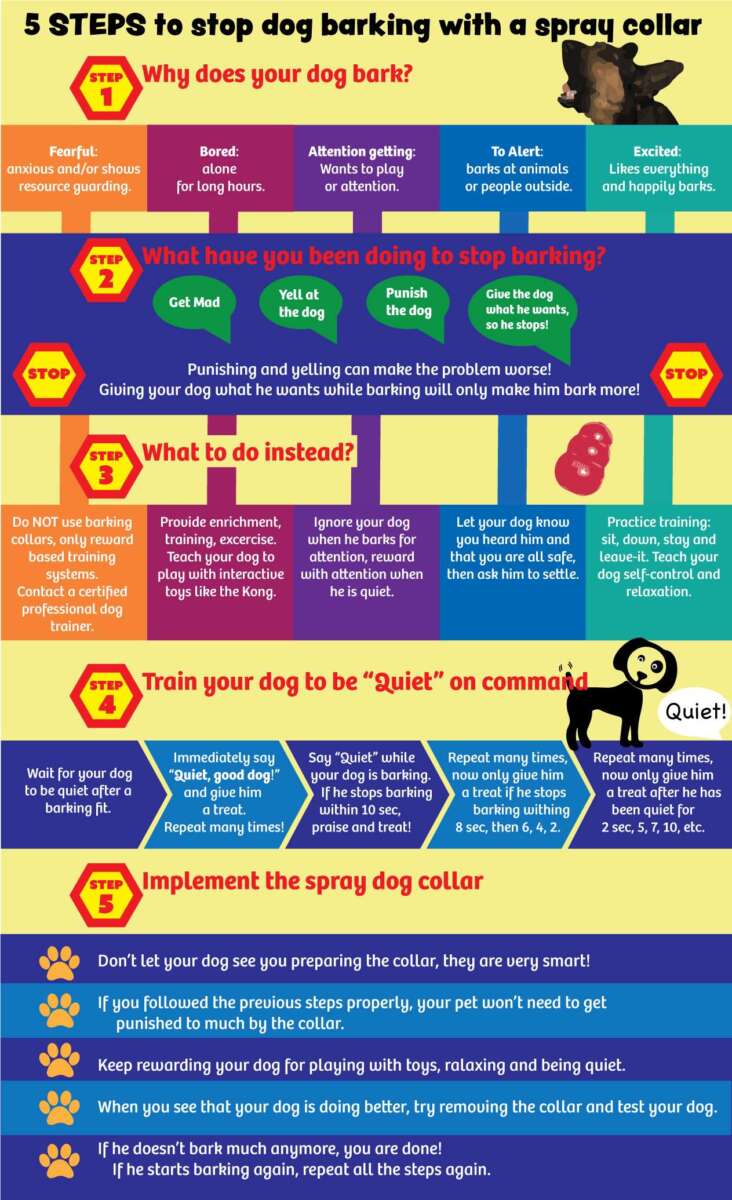
Shock collars and punishment may increase fear and anxiety. Veterinary behavior experts generally favor reward-based methods because they improve learning while protecting the human-dog bond.
If barking starts suddenly, becomes extreme, or happens when your dog is alone, speak with a veterinarian. A qualified behavior professional can help identify pain, anxiety, or another medical issue.

Quiet does not always mean easy
Many people search for what breed of dog barks the least because they want a simple apartment dog. That is understandable, but barking is only one part of living with a dog.
A Basenji may be quiet but independent. A Greyhound may be quiet but need careful leash management. A French Bulldog may be quiet but require extra care in hot weather. A Newfoundland may be quiet but need substantial grooming and space.
Think about the full behavior profile:
• Energy level
• Trainability
• Grooming needs
• Size and strength
• Prey drive
• Health risks
• Need for human company
• Suitability for children
• Tolerance of heat and cold
• Cost of food and medical care
The quietest dog is not always the best dog. The best dog is one whose needs match your home and whose temperament suits your daily life.