
How To Teach A Dog To Bark: Easy Training Guide
Learn how to teach a dog to bark on cue with simple, positive training steps, helpful tips, and commands for reliable results.
Use a safe cue, reward one controlled bark, and pair it with a quiet cue to prevent nuisance barking.
Learning how to teach a dog to bark is less about making noise and more about building clear communication. With a calm plan, a good reward, and careful timing, you can teach a dog to bark on cue without encouraging barking at guests, windows, or every passing car.
Is Teaching a Dog to Bark a Good Idea?
Teaching a dog to bark on cue can be useful. It may help with communication, trick training, confidence building, or alert training. A dog that understands when barking is welcome may also learn when silence is expected.
However, this skill is not right for every dog. Dogs that already bark from fear, stress, frustration, or separation anxiety need behavior support first. Asking these dogs to bark more can strengthen the wrong habit.
The goal is control, not constant noise. Think of the bark cue like a light switch. Your dog should learn both how to turn it on and how to turn it off.
What You Need Before You Start
Before learning how to teach a dog to bark, prepare a quiet space and choose one clear cue. Good training depends on simple signals and quick rewards.
Gather these items:
• Small, soft treats your dog loves
• A clicker, if your dog already knows clicker training
• A calm training area with few distractions
• A short cue such as “speak”
• A quiet cue such as “enough” or “quiet”
• A leash if your dog tends to run or become overexcited
Use tiny treats. Your dog may receive many rewards during a session, so small pieces help prevent stomach upset and excess calories.
Train when your dog is calm but alert. Avoid starting when your dog is tired, hungry, frightened, or highly excited. A five-minute session often works better than one long lesson.
Reward the behavior you want at the exact moment it happens. If you wait too long, your dog may think the treat rewards jumping, pawing, or running instead of barking.

How to Teach a Dog to Bark Step by Step
The simplest method is called capturing. You wait for a natural bark, mark it, and reward it. Then you add a verbal cue after your dog begins to understand the pattern.
Step 1: Find a Safe Bark Trigger
Choose something that causes one mild bark without creating fear. Some dogs bark when you hold a favorite toy, pause before a game, or knock softly on a door.
Avoid triggers such as yelling, startling sounds, pain, or teasing. These methods may create fear and can lead to reactive behavior.
A toy often works well. Hold it still, let your dog see it, and wait. The moment your dog gives one bark, mark the behavior with “yes” or a click, then give the treat.
Step 2: Reward One Bark
At first, reward only one bark. Do not reward a long barking fit. If your dog gives three or four barks, wait for a pause before offering the treat.
This teaches your dog that a single, controlled bark earns the reward. It also prevents the dog from learning that louder and longer barking gets better results.
Keep your voice calm. Excited praise can push some dogs into jumping, spinning, or repeated barking.
Step 3: Add the “Speak” Cue
After several successful repetitions, say “speak” just before using the trigger. Wait for the bark, mark it, and reward it.
Repeat this pattern:
-
Say “speak.”
-
Show the toy or use the mild trigger.
-
Wait for one bark.
-
Mark the bark.
-
Give a treat.
-
Pause for a few seconds.
Over time, reduce your use of the trigger. Your dog should begin barking when hearing “speak,” not only when seeing the toy.
Step 4: Fade the Trigger
The trigger is a teaching tool, not a permanent requirement. Use it less often as your dog responds to the verbal cue.
For example, hold the toy lower, hide it behind your back, or use only a small hand movement. Eventually, say “speak” with your hands at your sides.
If your dog stops responding, bring back a small part of the trigger. Then fade it more slowly.
Step 5: Add a Release Word
A release word tells your dog that the exercise has ended. You might say “all done,” then put away the treats and toy.
This matters because some dogs keep working after the cue. A clear ending helps your dog relax and prevents repeated barking for more rewards.
This step is central to how to teach a dog to bark without creating a noisy home. The dog learns that barking starts and stops through your cues.
How to Teach the “Quiet” Cue
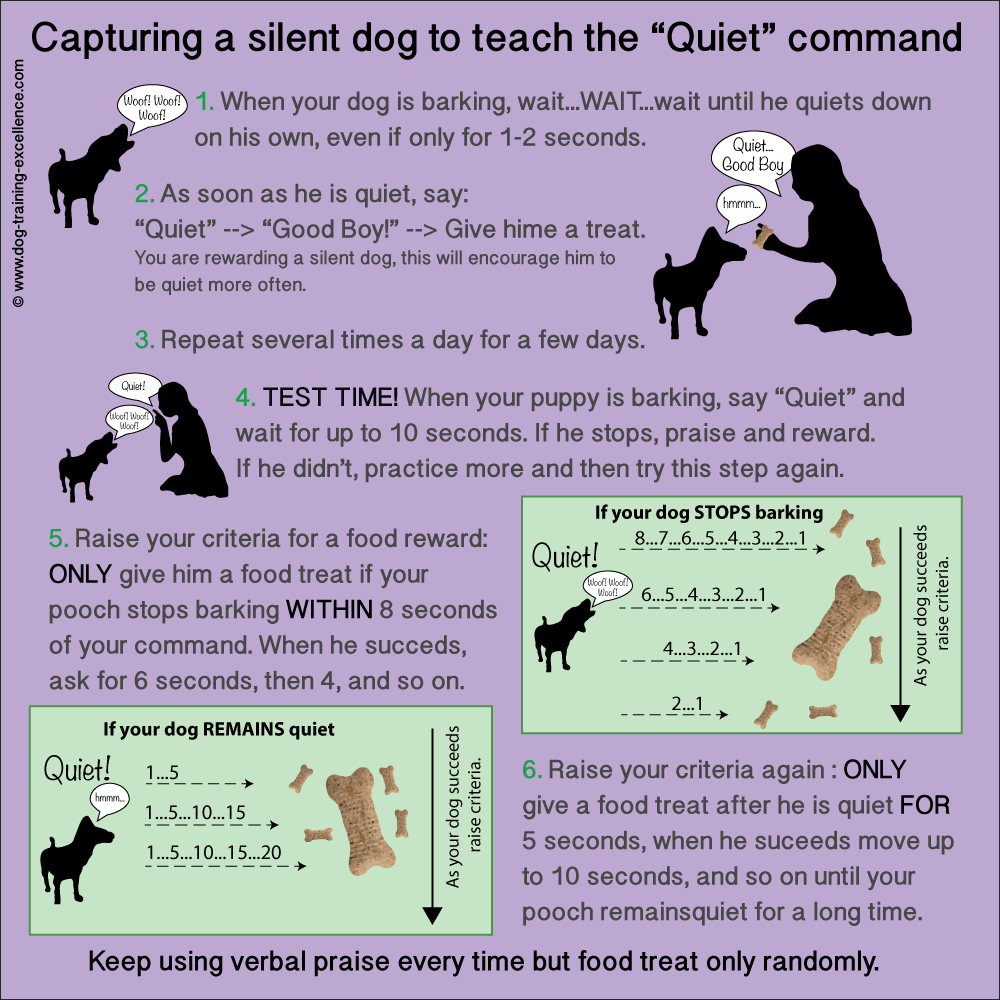
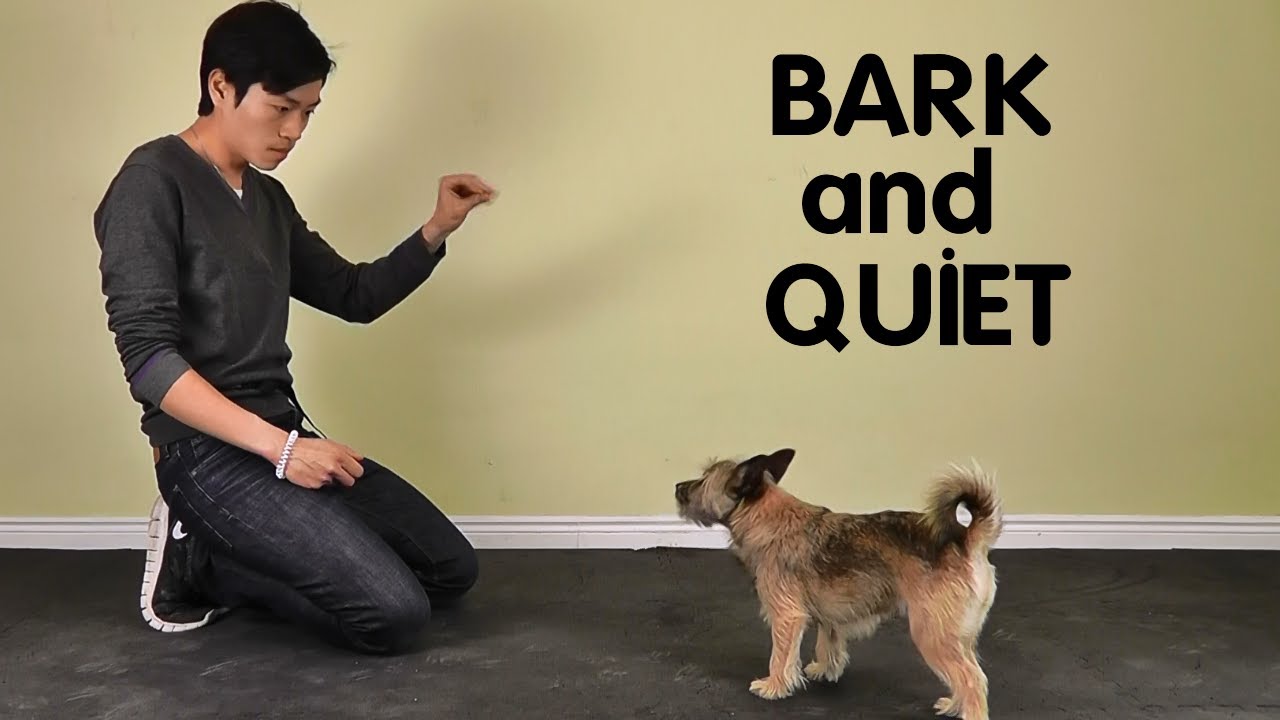
A bark cue should always be paired with a quiet cue. Without this step, your dog may learn that barking is the best way to get attention.
Start after your dog gives one bark. Place a treat near your dog’s nose and wait. Most dogs stop barking briefly when they sniff. The instant your dog is silent, mark the silence and give the treat.
After several repetitions, say “quiet” just before presenting the treat. Your dog will begin to connect the word with stopping.
Practice this pattern:
-
Ask for “speak.”
-
Allow one bark.
-
Say “quiet.”
-
Wait for one second of silence.
-
Mark and reward.
-
Slowly increase the quiet period.
Begin with one second. Then try two seconds, five seconds, and ten seconds. Increase time in small steps so your dog can succeed.
Do not shout “quiet.” To many dogs, a loud human voice sounds like participation. A calm voice gives a much clearer message.
How Long Does It Take to Teach a Dog to Bark?
Many dogs understand the basic pattern within a few short sessions. Reliable performance may take one to three weeks, depending on age, breed, motivation, past training, and the strength of the trigger.
Practice once or twice each day for about five minutes. Stop while your dog is still interested.
Signs that your dog is ready to move forward include:
• The dog barks after hearing the cue
• The dog can give one bark instead of many
• The dog accepts treats calmly
• The dog can stop when asked
• The dog responds in more than one room
Do not rush from a quiet room to a busy sidewalk. Add distractions one at a time. Training in a living room, yard, porch, and park creates stronger skills than practicing in only one place.
A common lesson from real training work is that handlers often progress too fast. They practice once in a quiet room, then expect perfect behavior when a delivery driver arrives. Dogs need gradual practice, just as people do.

Common Mistakes to Avoid
Knowing how to teach a dog to bark also means knowing what not to do. Poor timing can reward the exact behavior you hoped to prevent.
Rewarding Repeated Barking
If you give a treat after a long barking burst, your dog may learn that persistence works. Wait for a brief pause, then reward the quiet moment or reset the exercise.
Using Fear or Pain
Do not bang objects, yell, use shock, or frighten your dog to create a bark. Fear-based methods can cause anxiety, aggression, and loss of trust.
Veterinary behavior experts commonly recommend reward-based training because it teaches the dog what to do without adding fear. It also gives the handler better control over the dog’s emotional state.
Practicing Too Long
Long sessions can create frustration. A frustrated dog may bark, jump, nip, or leave the area.
End after a few good repetitions. You can always practice again later.
Rewarding Barking for Attention
If your dog barks at you and you immediately begin the lesson, the dog may learn that barking starts playtime. Wait for calm, then invite the dog to train.
Ignoring the Quiet Cue
A dog that can bark but cannot stop is not fully trained. Spend at least as much time practicing “quiet” as you spend practicing “speak.”
Using the Cue During Fear
Never ask a frightened dog to bark at a person, animal, or sound. First create distance and help the dog feel safe. A qualified reward-based trainer or veterinary behaviorist can help with serious fear.

Troubleshooting Training Problems
Some dogs bark too easily. Others rarely bark at all. The best solution depends on why the dog is struggling.
My Dog Will Not Bark
Your dog may not find the trigger exciting. Try a favorite toy, a short play pause, or a gentle knock. Some dogs respond better when you stop a game for a moment.
Never force the issue. If your dog is naturally quiet, you may need more time. You can also teach a different communication behavior, such as touching your hand with the nose.
My Dog Barks Too Much
Stop using the trigger and wait for calm. Practice the quiet cue in a low-distraction room before trying the bark cue again.
If barking happens often outside training, look for the cause. Common causes include boredom, fear, territorial behavior, frustration, pain, and separation distress.
My Dog Jumps or Bites for the Treat
Keep treats hidden until the dog is calm. Reward four paws on the floor. You can also toss the treat onto the floor to move the dog away from your hands.
If the dog becomes frantic, end the session and try again with a lower-value treat.
My Dog Barks at People
Do not use visitors as a bark trigger if your dog is fearful or reactive. Ask the dog to perform an easy behavior, such as sitting or touching your hand, and reward calm behavior instead.
For barking at the door, teach a routine: move to a mat, stay there, and remain quiet while the visitor enters. This is often more useful than encouraging a door bark.
My Dog Only Barks at the Toy
That is normal during the early stage. Keep pairing the word “speak” with the bark, then slowly reduce the toy’s role.
If progress stops, bring the toy back briefly. Training should move in small steps, not sudden leaps.

Teaching Puppies and Older Dogs
Puppies can learn how to teach a dog to bark with short, gentle lessons. Keep sessions playful and stop before the puppy becomes tired or overstimulated.
Puppies are still learning how the world works. Do not use people, animals, or loud sounds as bark triggers. Reward calm exploration and good rest as well as training.
Older dogs can learn this skill too. However, hearing loss, pain, or changes in the brain may affect their response. If an older dog begins barking suddenly or at night, schedule a veterinary checkup before treating it as a training problem.
Breed also plays a role. Some dogs are naturally vocal, while others were bred for quiet work. A quiet breed may need more patience, and a vocal breed may need more work on the quiet cue.
Training history matters more than breed alone. A dog that has been rewarded for alarm barking may need a careful behavior plan before learning a bark trick.

Using Bark Training for Real-Life Communication
A bark cue can be useful, but it should not replace good safety training. A dog should not bark at every person, sound, or animal.
You can use the cue for:
• A fun trick during a training game
• A communication signal during a supervised activity
• A controlled alert before teaching the dog to return to quiet
• Confidence exercises for a timid dog, when guided carefully
For home alerting, teach a simple routine. The dog may bark once, then come to you or move to a mat. You check the situation and give the quiet cue.
Do not promise that bark training will create a reliable guard dog. Protection work requires professional assessment and advanced instruction. Encouraging aggression at home can create serious risks for visitors, children, and the dog.
The safest goal is a clear alert followed by calm behavior. That balance is the most practical answer to how to teach a dog to bark responsibly.
When to Get Professional Help
Seek help if your dog’s barking is linked to fear, aggression, separation anxiety, or sudden behavior change. A veterinarian can check for pain, hearing problems, or other medical causes.
For behavior support, choose a certified professional who uses reward-based methods. Ask about their education, experience, and approach before booking a session.
Professional help is especially important when:
• Your dog lunges or snaps while barking
• The dog cannot calm down after the trigger is gone
• Barking happens when the dog is left alone
• The dog barks for long periods at night
• The behavior began suddenly
• Someone in the home feels unsafe
Training can improve many barking problems, but it cannot solve every case through a simple cue. Being honest about that limit protects both the dog and the family.
Frequently Asked Questions About How to Teach a Dog to Bark
Can every dog learn to bark on cue?
Most dogs can learn the basic idea, but some naturally quiet dogs may respond slowly. If a dog does not enjoy the exercise, teach a different signal, such as a nose touch or paw target.
Is it cruel to teach a dog to bark?
Teaching a bark cue is not cruel when you use rewards, avoid fear, and teach a reliable quiet cue. Stop if the dog shows stress, frustration, or defensive behavior.
What word should I use for the bark command?
Use one short word, such as “speak,” “talk,” or “bark.” Choose one word and use it consistently so your dog does not have to guess.
How can I stop my dog from barking after teaching this trick?
Teach “quiet” during the same training plan. Reward one bark, ask for silence, and gradually increase the quiet time before giving the reward.
How many times should I practice each day?
Practice once or twice a day for about five minutes. Several short sessions are usually more effective than one long session.
Should I use a doorbell to teach barking?
A doorbell can trigger barking, but it may also strengthen unwanted alarm barking. Start with a toy or mild trigger, then teach a calm door routine if needed.
What if my dog barks from fear?
Do not reward or encourage fear barking with a bark cue. Increase distance from the trigger, reward calm behavior, and contact a veterinarian or qualified behavior professional for guidance.
Conclusion
Learning how to teach a dog to bark starts with capturing one natural bark, adding a clear cue, and rewarding calm control. Keep sessions short, use gentle methods, and teach “quiet” from the beginning.
Avoid fear, teasing, loud corrections, and rewards for frantic barking. With steady practice, your dog can learn that barking is allowed at the right time and stopping is just as important.
Start with one calm five-minute session today. If your dog shows fear or serious reactivity, seek professional help, and share your training experience or questions in the comments.

Pet Care Writer & Researcher
Daniel writes practical guides on daily care, feeding, and safety, turning complex topics into simple, actionable advice.