Does A Bark Collar Work For Howling: What Really Helps

Does a bark collar work for howling? Learn how effective they are, what to consider, and humane ways to reduce excessive howling.

A bark collar may reduce howling, but it works best when paired with training and a clear cause-based plan.

Many dog owners ask, “does a bark collar work for howling?” The honest answer depends on the collar, the dog, and the reason for the howling. Howling may come from boredom, loneliness, anxiety, pain, outside sounds, or a learned habit. This guide explains how bark collars detect vocal sounds, when they may help, their risks, and kinder ways to reduce excessive howling.
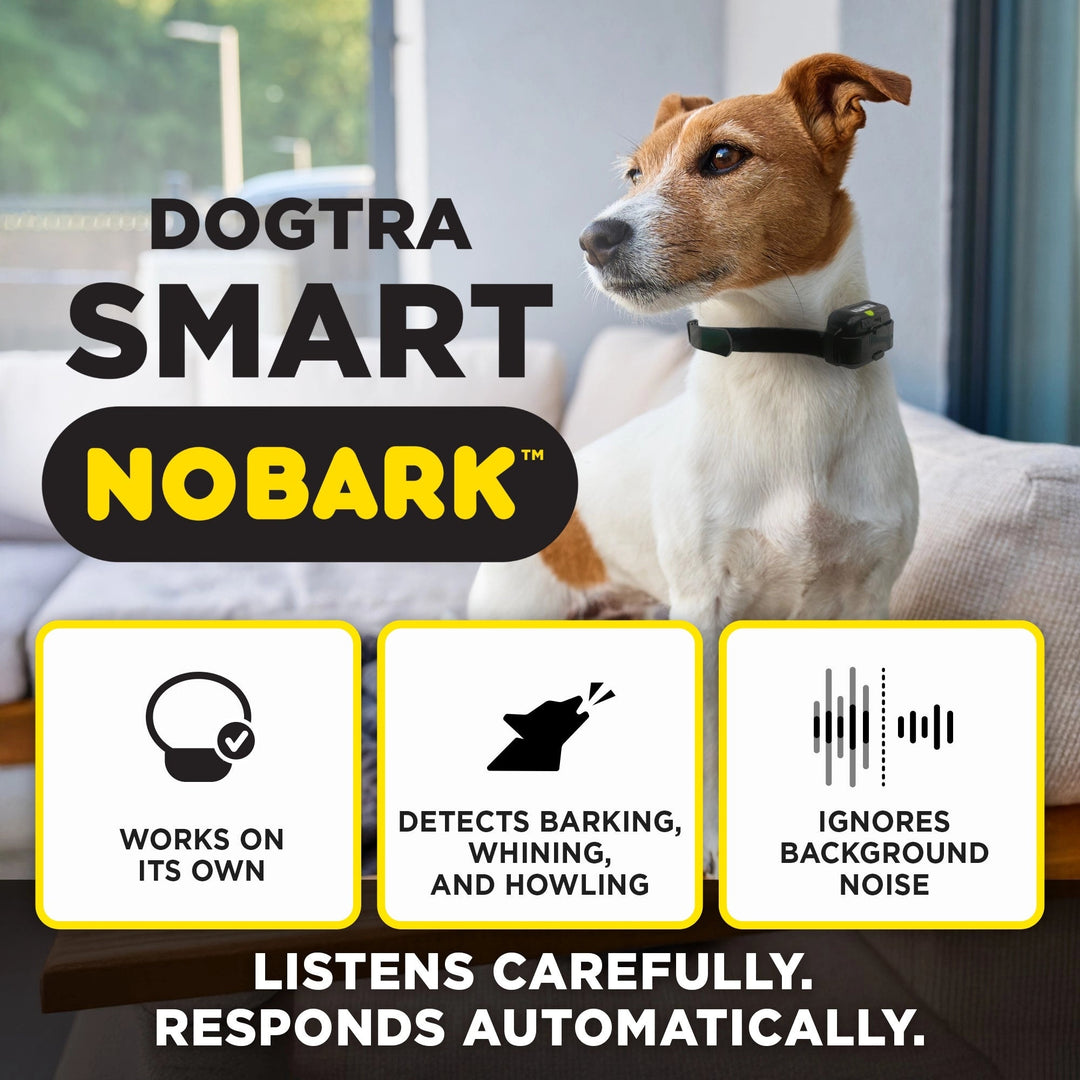
Does a bark collar work for howling?
Source: dogtra.com

Does a bark collar work for howling?

The short answer is sometimes. A bark collar can interrupt howling when it detects the sound and gives a mild correction, such as a vibration, beep, or static pulse. However, it does not automatically teach a dog why howling is unwanted or what behavior to use instead.

Whether a bark collar works for howling depends on several factors:

• The collar must detect the dog’s voice accurately.

• The dog must be wearing the collar correctly.

• The howling must trigger the device.

• The dog must not be howling because of pain, fear, or severe anxiety.

• The owner must also address the cause of the behavior.

In simple terms, a collar can turn down the volume, but it may not fix the emotional reason behind the noise. That is why training and behavior support matter so much.
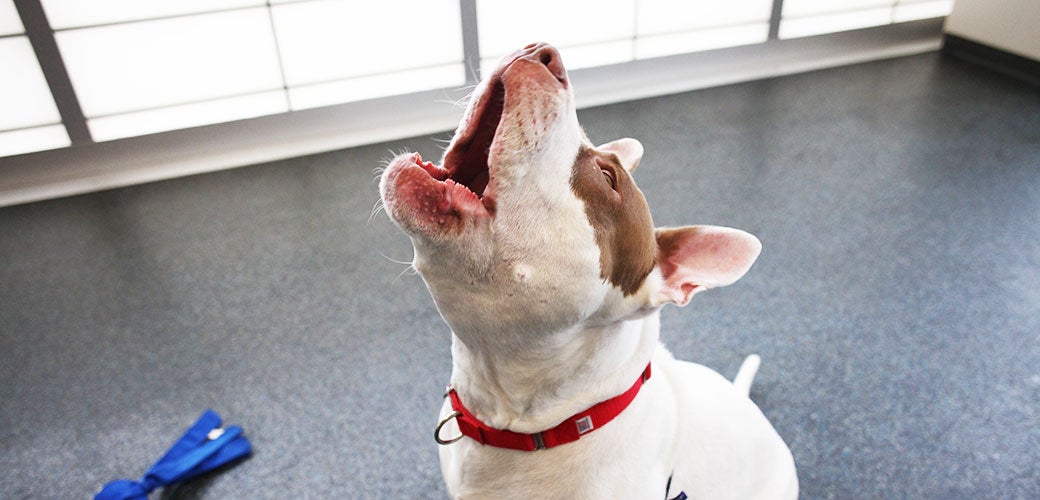
Why do dogs howl?
Source: aspca.org

Why do dogs howl?

Howling is a normal form of dog communication. Dogs may howl to call to other dogs, respond to sirens, express excitement, or signal distress. Some breeds, such as Siberian Huskies, Alaskan Malamutes, Beagles, and Dachshunds, may be more vocal than others.

Common causes of excessive howling include:

• Separation anxiety when the dog is left alone

• Boredom and a lack of physical activity

• Attention seeking

• Response to music, alarms, or other high sounds

• Territorial behavior

• Excitement during play

• Confusion or disorientation

• Pain, illness, or hearing changes

• Distress caused by a new home or routine

Before asking does a bark collar work for howling, identify the trigger. A dog that howls only when a siren passes needs a different plan from a dog that howls for four hours when left alone.

How bark collars detect howling
Source: amazon.com

How bark collars detect howling

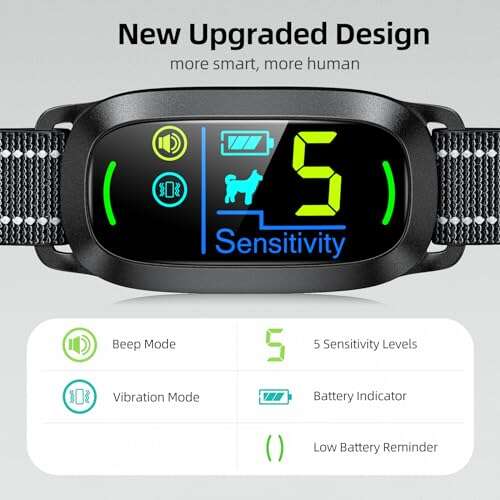
Most bark collars use a microphone, vibration sensor, or both. The device looks for a sound or movement pattern that resembles barking or howling. Some models also use dual detection, which means they respond only when they detect both vocal sound and movement from the dog’s throat.

There are four common types of bark collars:

Sound-only collars

These collars play a beep or verbal tone when they detect vocal noise. They are usually the least intrusive option, but some dogs ignore them. A sound-only collar may work for howling if the dog is sensitive to the tone and the cause is mild.

Vibration collars

These devices give a vibration near the dog’s neck. The vibration may interrupt the howl without causing pain. Many owners choose vibration first because it offers a gentler correction than static stimulation.

Static stimulation collars

These collars deliver an electronic pulse. The strength may range from low to high, depending on the model. Static collars can stop a sound in some dogs, but they may also increase fear, stress, or confusion, especially when the underlying problem is anxiety.

Spray collars

Some collars release a small burst of citronella or another scent near the dog’s nose. The sudden smell may interrupt howling. Results vary, and sensitive dogs may find the spray upsetting.

A collar’s label may say it detects barking, not howling. Because howling can be longer and lower in tone, some devices may respond well while others may not respond at all. Always check the product design and test its detection feature carefully.

Does a bark collar work for howling caused by separation anxiety?
Source: reddit.com

Does a bark collar work for howling caused by separation anxiety?

Usually, a bark collar is not the best first choice for separation anxiety. The dog is not simply making noise. The dog may be experiencing panic, fear, or distress when left alone. A correction can suppress the sound while leaving the panic untouched.

Signs of separation anxiety may include:

• Howling soon after you leave

• Scratching doors or windows

• Chewing furniture

• Pacing or repeated circling

• Drooling or heavy panting

• Urinating or defecating when alone

• Trying to escape

If these signs appear, focus on gradual alone-time training. Begin with very short absences that do not cause distress, then slowly increase the time. A veterinarian or certified veterinary behaviorist can help create a safe plan.

In this situation, does a bark collar work for howling? It may reduce the noise, but it can make the emotional problem worse. Treat the fear, not only the sound.

When a bark collar may help
Source: com.au

When a bark collar may help

A bark collar may be useful when the dog is healthy, the howling is mild, and the trigger is clear. For example, a dog may howl at neighborhood dogs or repeatedly vocalize during an exciting game. A beep or vibration may interrupt the behavior long enough for the owner to reward quiet.

A collar is more likely to help when:

• The dog is not showing fear or panic

• A veterinarian has ruled out pain or illness

• The collar detects the dog’s voice reliably

• The dog receives enough exercise and attention

• The owner rewards calm behavior

• The collar is used for short training periods

The best approach is not “put on the collar and walk away.” Instead, use the interruption as a small teaching moment. When the dog stops, calmly praise the quiet behavior and offer a reward.

This helps the dog learn that silence brings good results. Without that lesson, the device may only create confusion.

When a bark collar may not work
Source: k9maniadogtraining.com

When a bark collar may not work

There are several reasons a bark collar may fail. Some dogs howl at a pitch the microphone does not recognize. Others learn to howl around the collar or become quiet only while wearing it. A collar may also activate because of another dog nearby, creating an unpleasant correction that your dog did not cause.

A bark collar may be a poor choice when:

• Several dogs live in the same home

• The dog has a thick coat that blocks contact

• The dog has neck irritation or skin disease

• The howling comes from fear or pain

• The dog is young and still learning basic manners

• The collar is used without supervision

• The owner expects instant, permanent results

This explains why does a bark collar work for howling has no single answer. The technology may work as designed, but the behavior plan can still fail if the cause is misunderstood.

Are bark collars safe for howling dogs?
Source: reddit.com

Are bark collars safe for howling dogs?

Safety depends on the collar type, fit, use, and the individual dog. A collar should never be tight enough to restrict breathing or cause constant pressure. You should be able to slide two fingers between the collar and the dog’s neck.

Important safety rules include:

• Read the manufacturer’s instructions

• Check the neck each day for redness or sores

• Remove the collar when the dog is resting unless the product is designed for safe extended wear

• Do not leave the dog unsupervised with a new device

• Never use a collar on a dog that is sick, injured, or highly fearful without professional advice

• Stop using it if the dog shows panic, freezing, shaking, escape attempts, or unusual aggression

Animal behavior experts often recommend reward-based training as the first option. Punishment can stop a behavior in the moment, but it does not always teach a useful replacement. It can also damage trust if the dog cannot predict why the correction happens.

How to use a bark collar correctly
Source: howlingdogalaska.com

How to use a bark collar correctly

If you decide to try one, use the least intrusive setting that interrupts the behavior. Begin with a beep or vibration when possible. Avoid starting with a high static level.

Follow these steps:

  1. Let your dog sniff the collar before putting it on.

  2. Fit it correctly and check that the contact area reaches the skin if the model requires it.

  3. Watch your dog during the first sessions.

  4. Identify the trigger for the howling.

  5. Allow the collar to interrupt the sound.

  6. Ask for a quiet behavior, such as sitting or looking at you.

  7. Reward the dog as soon as it becomes calm.

  8. Remove the collar after the planned training period.

Do not shout while the collar activates. Your voice may add more noise and excitement. Stay calm and make quiet behavior easy to understand.

A useful training cue is “quiet.” Let the dog give one or two vocal sounds, say “quiet” in a calm voice, and place a treat near the nose. When the dog stops to sniff, reward the silence. With practice, slowly extend the quiet period before giving the reward.

Better ways to stop excessive howling
Source: theoaklandpress.com

Better ways to stop excessive howling

The most lasting solution matches the treatment to the cause. A tired, engaged dog may howl less, but exercise alone will not cure serious anxiety. Think of the behavior as a message. Your job is to learn what the message means.

Try these practical steps:

• Provide a daily walk suited to the dog’s age and health.

• Add scent games, food puzzles, and short training sessions.

• Close blinds if outdoor movement triggers howling.

• Use white noise to cover sirens or neighborhood sounds.

• Reward calm behavior before the dog begins to howl.

• Avoid giving attention during attention-seeking howling.

• Give attention when the dog is quiet.

• Teach cues such as “quiet,” “settle,” and “go to your mat.”

• Use gradual alone-time training for separation concerns.

• Ask a veterinarian about sudden or unusual vocal changes.

Never ignore a sudden increase in howling. Older dogs may vocalize because of pain, hearing loss, cognitive decline, or other medical conditions. A health check should come before behavior correction.

A practical example

Imagine a dog named Milo who howls whenever a fire truck passes. His owner first blocks the view from the front window and plays soft background noise. During quiet moments, the owner rewards Milo for lying on a mat.

If Milo still howls, a vibration collar may interrupt the sound. The owner then gives the cue “settle” and rewards him when he relaxes. After several weeks, Milo may begin to respond to the cue without the collar.

This is a better use of the device than leaving it on all day. The collar becomes a temporary training aid, not a substitute for communication.

In cases like this, does a bark collar work for howling? It may help interrupt the habit, but the rewards and management create the lasting change.

Common mistakes to avoid

Many bark collar problems come from incorrect use rather than faulty equipment. One common mistake is choosing a collar before finding the cause. Another is increasing the correction when the dog is actually frightened.

Avoid these errors:

• Using a collar on a dog with separation anxiety without behavior treatment

• Leaving the device on for long periods

• Choosing a setting that causes obvious distress

• Failing to check the fit

• Punishing the dog after the collar activates

• Expecting the device to work around other dogs

• Ignoring medical causes

• Rewarding the dog only after it has been noisy for a long time

I have found that owners often focus on stopping the first howl. A better goal is to build more calm moments throughout the day. Small rewards for quiet behavior can change the pattern faster than repeated corrections.

How long does it take to reduce howling?

Some dogs show less vocal behavior within a few sessions. Others need several weeks of consistent training. The timeline depends on the cause, the dog’s age, the strength of the habit, and the owner’s routine.

Track the behavior for seven days. Write down:

• What happened before the howling

• How long it lasted

• What the dog did afterward

• Whether the dog was alone

• What response stopped the behavior

This record can reveal patterns that are easy to miss. It also helps a veterinarian or trainer assess progress. If the howling becomes more intense, stop using the collar and seek professional advice.

Frequently Asked Questions About Does a Bark Collar Work for Howling

Does a bark collar stop howling immediately?

It may interrupt howling quickly if the device detects the sound and the dog responds to the correction. Immediate silence does not prove the cause is fixed, so continue with training and observe the dog’s emotional response.

Do all bark collars detect howling?

No. Some collars detect only specific sound ranges or vibration patterns linked to barking. Read the product details and test the collar under supervision because a device designed for barking may not reliably detect every howl.

Is a vibration collar better than a static collar for howling?

A vibration collar is often a gentler first option because it interrupts behavior without an electric pulse. It still may frighten some dogs, so watch for stress and stop if the dog reacts poorly.

Can a bark collar help with separation anxiety?

A bark collar may reduce the noise but does not treat separation anxiety. Gradual alone-time training, veterinary guidance, and behavior support are usually more appropriate.

How can I teach my dog to stop howling without a collar?

Find the trigger, prevent unnecessary practice, and reward quiet behavior. Teach a cue such as “quiet” and provide exercise, enrichment, and calm routines.

Can a bark collar hurt my dog?

A poorly fitted or misused collar can cause skin injury, fear, or stress. Use the least intrusive setting, check the neck often, supervise the dog, and seek professional advice if the dog shows distress.

Should my dog wear a bark collar all day?

No device should replace supervision and training. Long, unsupervised use can cause discomfort and may allow the dog to become stressed without addressing the cause of the howling.

Conclusion

So, does a bark collar work for howling? It can reduce some types of howling, especially when the sound is a learned habit or a response to a mild trigger. It is less suitable for fear, pain, separation anxiety, or other problems that need emotional and medical support.

Start by finding the cause. Rule out health issues, improve exercise and enrichment, reward quiet behavior, and use a gentle collar only when it fits the situation. With patience and the right plan, your dog can learn that calm communication works better than constant noise. Explore reward-based training resources, speak with your veterinarian when needed, and share your experience with other dog owners.

Similar Posts

Leave a Reply

Your email address will not be published. Required fields are marked *