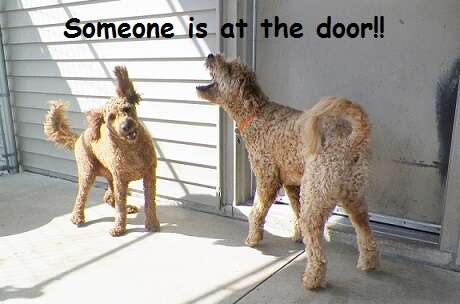
Why Does My Dog Keep Barking: Easy Fixes And Tips
Learn why does my dog keep barking and how to stop it with simple training, root causes, and vet tips. Quick solutions to calm your dog and restore peace.
Dogs bark to communicate; common reasons include alerting, attention-seeking, fear, boredom, or pain.
I’ve worked with trainers and veterinarians for years and I know how frustrating it can be to ask, "why does my dog keep barking" and get no clear answer. This guide breaks down the real causes, clear signs, and practical fixes. You’ll get easy steps to diagnose the problem, training methods that work, and safe management strategies so you can stop guessing and start helping your dog.
Why does my dog keep barking? Common causes
Dogs bark for many reasons. When you ask "why does my dog keep barking," you are asking about communication. Barking might be normal, or it might signal a problem.
Common causes:
- Alerting to sounds, people, or animals.
- Boredom or lack of mental and physical exercise.
- Attention-seeking when barking gets a response.
- Fear, anxiety, or reactivity to triggers.
- Medical pain, discomfort, or sensory loss.
- Habit or compulsive barking that develops over time.
If your dog suddenly starts barking more, think medical first. If it’s slow and steady, behavior and environment are likely to blame. I’ve seen dogs bark nonstop from untreated anxiety and others who quieted quickly with better routine and training. Understanding the root cause is the key to real change.
Types of barking and what they mean
Different barks often mean different things. Learn to listen and match the sound to the cause.
Types to listen for:
- Sharp, short barks: alert or alarm.
- Fast, repetitive barks: attention-seeking or excitement.
- Low, persistent barking: territorial or threat display.
- High-pitched, frantic barking: fear or panic.
- Continuous, mindless barking: boredom or compulsive behavior.
- Night barking: disorientation, loneliness, or an environmental trigger.
Body language helps decode barking. Watch ears, tail, stance, and vocal rhythm. A dog that barks and then calms when you approach is often attention-seeking. A dog that barks and hides may be fearful. I once helped a neighbor whose dog barked at dawn; it turned out to be a raccoon visit—not aggression.

Medical and sensory causes to rule out
Always consider health issues when asking "why does my dog keep barking." Pain and illness change behavior fast. Hearing loss can make dogs bark more because they can’t hear themselves. Cognitive decline in older dogs may cause night barking and confusion.
Medical signs to check:
- New or sudden increase in barking.
- Changes in appetite, mobility, or sleep.
- Aggression or sudden fear responses.
- Signs of pain when touched or moved.
If you suspect medical causes, get a vet exam. Tests may include bloodwork, pain screening, or hearing and vision checks. Early vet checks often save time and calm both dog and owner.

Behavioral and environmental triggers
The environment shapes barking a lot. When you wonder "why does my dog keep barking" consider what changed around your dog.
Common environmental triggers:
- Passersby, other dogs, or street noises.
- Construction, alarms, or wildlife.
- Lack of exercise or mental stimulation.
- Family routine changes or new people in the home.
- Isolation or long periods of crate time.
Behavioral patterns matter too. Dogs learn that barking can bring rewards. If barking brings treats, walking, or attention, it will continue. I once had a rescue who barked at the window for two hours daily. A daily walk and window-blocking film cut barking by 80% in a week.
How to stop barking: practical training steps
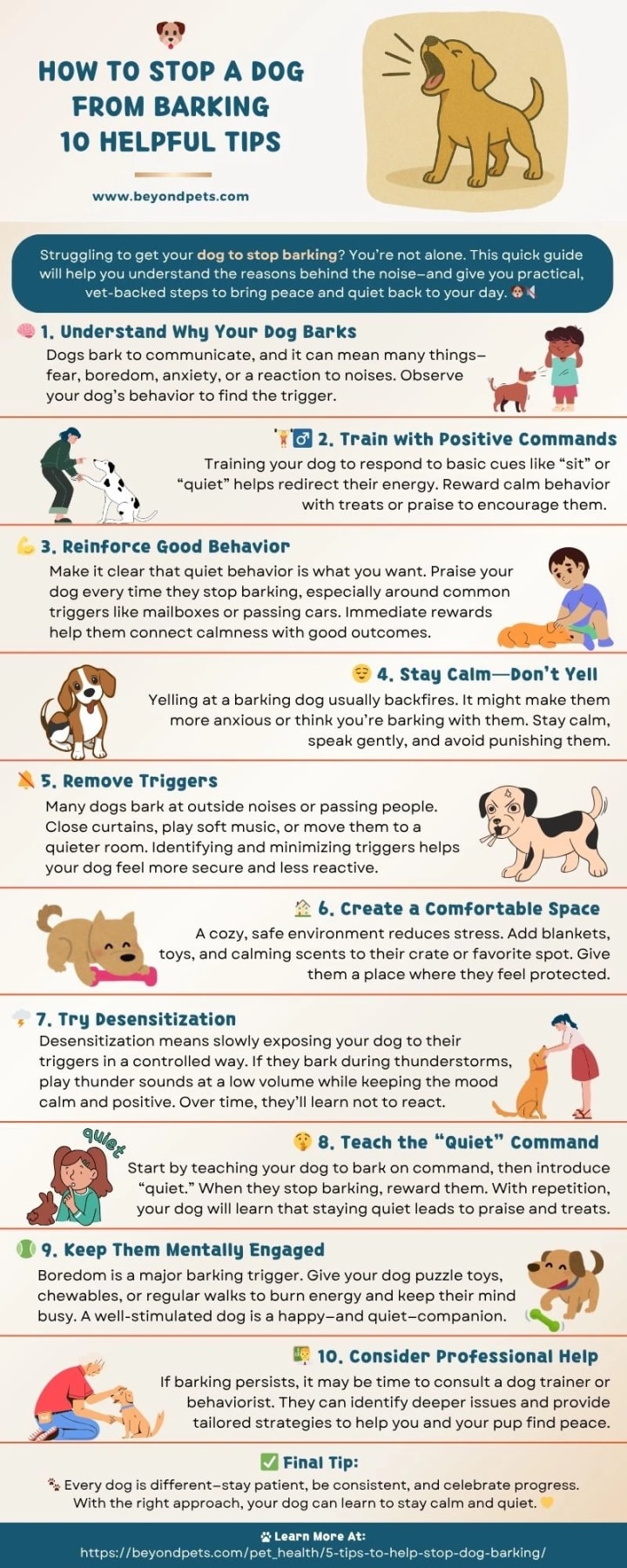
Fixing barking means training and management. Follow steps in order: assess, manage, then train.
Step-by-step plan:
- Identify the cause. Observe and note when barking happens.
- Manage the environment. Use white noise, close curtains, or block sightlines.
- Increase exercise and mental work. Walks, play, scent games, and puzzle feeders.
- Teach a "quiet" cue. Reward calm and silence immediately.
- Use desensitization for specific triggers. Start low and reward calm behavior.
- Ignore attention-seeking barking. Only reward silence and calm.
- Seek professional help for persistent or harmful barking.
Training tips:
- Reward-based methods work best. Positive reinforcement builds trust.
- Keep sessions short. Five to ten minutes twice a day is better than one long session.
- Be consistent across family members. Mixed cues confuse dogs.
- Track progress with a notebook or phone video.
From my experience, pairing the "quiet" cue with a calm reward works faster than punishment. One dog I worked with stopped door-barking in three weeks by using consistent practice and small, immediate rewards.

Tools, management, and safety
Some tools help manage barking but use them wisely. Tools are not substitutes for training and vet care.
Helpful tools:
- Noise machines or white noise to mask outside sounds.
- Visual barriers to block window triggers.
- Puzzle toys and long-lasting chews for enrichment.
- Short-time crates or quiet rooms for safe downtime.
- Professional training classes or online programs.
Use caution with corrective tools:
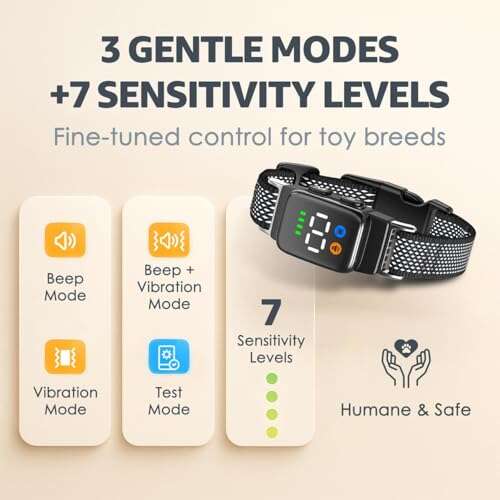
- Citronella or vibration collars can work short-term but may increase fear if misused.
- Shock collars carry risks and can worsen anxiety or aggression.
- Medication can help with anxiety but needs vet supervision.
I prefer low-risk tools and behavior modification first. If medication is used, it’s alongside a behavior plan. Always consult a vet or certified trainer before trying aversive devices.

When to seek professional help
Seek help when barking is severe, dangerous, or doesn’t improve with basic steps.
Seek pros if:
- Barking is paired with aggression or self-harm.
- Barking continues after consistent training for weeks.
- Medical tests show nothing but the behavior persists.
- You feel overwhelmed or unsafe.
A certified trainer or veterinary behaviorist can create a tailored plan. Professionals offer structured desensitization, behavior modification, and, when needed, medical options. Early intervention prevents long-term problems.
Frequently Asked Questions of why does my dog keep barking
Why does my dog keep barking at night?
Night barking can come from loneliness, anxiety, pain, or environmental triggers like wildlife. Check health first, then improve nighttime routine and add calming tools.
How do I stop my dog from barking at the door?
Teach an alternative behavior, such as "sit" or "place," and reward silence. Management like removing immediate stimuli and practicing calm greetings helps too.
Can lack of exercise cause my dog to bark nonstop?
Yes. Boredom and pent-up energy often show as repeated barking. Increase physical activity and mental games to reduce it.
Is it normal for older dogs to suddenly bark more?
Sudden increases in barking in older dogs may indicate pain, cognitive decline, or sensory loss. A vet check is important to rule out medical causes.
Will punishment stop my dog from barking?
Punishment may stop barking briefly but can create fear and make problems worse. Positive, reward-based training is more effective and safer long-term.
How long does it take to reduce problem barking?
With consistent effort, many dogs show improvement in 2–6 weeks, depending on cause and owner consistency. Severe or medical cases may take longer with professional help.
Conclusion
Barking is normal dog talk, but when it becomes a problem, you can fix it. Start by asking "why does my dog keep barking" and look for cause—health, environment, or learned behavior. Use management, consistent training, and professional support when needed. Small daily changes and patience yield big results.
Take action now: observe your dog for a week, note triggers, and try one management step plus a short training drill each day. Share your progress, ask questions, or sign up for training help to keep moving forward.

Pet Care Writer & Researcher
Daniel writes practical guides on daily care, feeding, and safety, turning complex topics into simple, actionable advice.