
How To Calm A Barking Dog At Night: Easy Sleep Tips
Learn how to calm a barking dog at night with gentle, effective tips that reduce noise, ease anxiety, and help everyone sleep peacefully.
Calm a barking dog at night by checking basic needs, reducing triggers, and rewarding quiet behavior.
Night barking can leave you tired, worried, and unsure what to do next. The best approach is not to shout or punish your dog. It is to find the cause, make the night feel safe, and teach your dog that quiet behavior brings calm attention. This guide explains how to calm a barking dog at night using practical steps supported by modern dog behavior advice.
Why Dogs Bark at Night
Barking is a form of communication. Your dog may bark because of fear, boredom, pain, alertness, loneliness, or a need to go outside. The sound may seem the same each time, but the cause can be very different.
Dogs also hear and smell more than people do. A dog may notice a raccoon near the yard, a neighbor coming home, or a soft sound in the hallway. What feels like a quiet house to you may feel full of signals to your dog.
Common reasons for night barking include:
• Outside sounds, such as cars, wildlife, or people
• Fear of darkness, storms, or unfamiliar noises
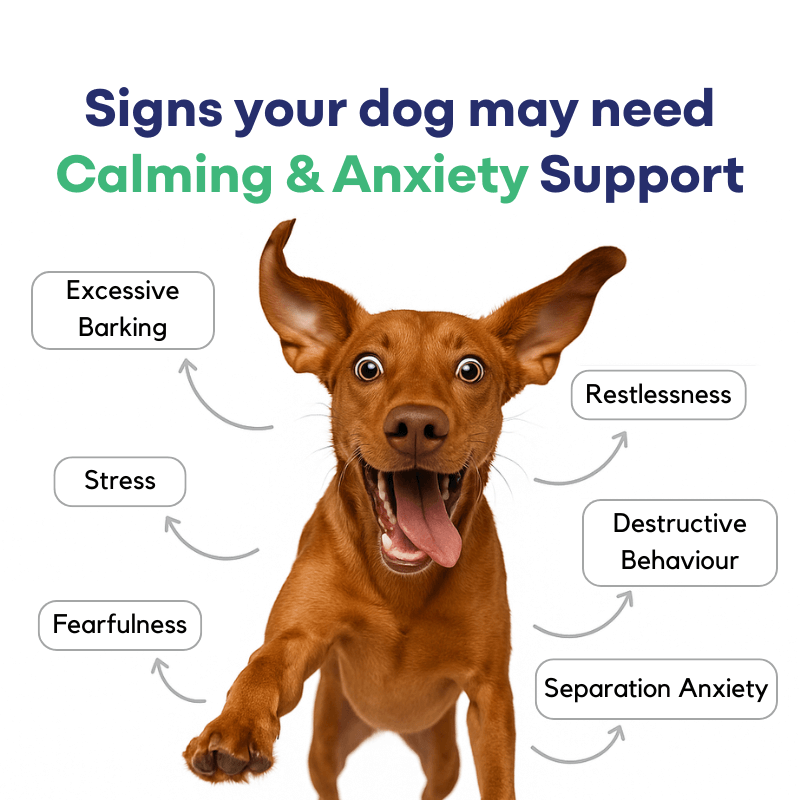
• Separation stress when your dog sleeps alone
• Too much unused energy during the day
• Hunger, thirst, or the need to urinate
• Pain, illness, or age-related confusion
• A habit that has been rewarded by attention
A useful first step is to write down when the barking starts, how long it lasts, and what happens before it begins. This simple record can reveal a pattern. For example, barking at 10 p.m. may point to outdoor activity, while barking at 3 a.m. may suggest discomfort or a bathroom need.

How to Calm a Barking Dog at Night Tonight
If your dog is barking right now, stay calm and move through a short checklist. Your goal is to lower excitement without turning the event into a game or a fight.
-
Check for an urgent need. Make sure your dog is not trapped, injured, overheated, thirsty, or trying to vomit. Take your dog outside for a brief bathroom break if needed.
-
Use a calm voice. Speak softly and slowly. Loud words can sound like barking and may increase your dog’s excitement.
-
Remove the trigger. Close curtains, move your dog away from a window, or block access to a noisy door. White noise or a fan can cover small sounds from outside.
-
Offer a calm activity. A safe chew, food puzzle, or stuffed toy may help your dog settle. Avoid a highly exciting toy that encourages running or rough play.
-
Wait for a pause. When your dog stops barking for even one or two seconds, quietly praise the silence. You can give a small treat if your dog is calm enough to take it.
-
Return to rest. Keep the interaction brief. If you play, cuddle for a long time, or offer a large meal, your dog may learn that barking starts a rewarding midnight event.
If you need to know how to calm a barking dog at night, remember this rule: meet the need, reduce the trigger, then reward quiet. Do not demand perfect silence before offering help.
Create a Quiet Night Routine
Dogs often relax more easily when the evening follows a familiar pattern. A steady routine works like a sign that says, “The day is over.” It can reduce uncertainty and help your dog prepare for sleep.
Try this simple routine:
• Finish active exercise a few hours before bedtime.
• Offer a final bathroom trip close to bedtime.
• Give your dog fresh water and check the sleeping area.
• Lower the lights and reduce household noise.
• Use the same short cue, such as “bedtime.”
• Provide a comfortable bed or crate if your dog already likes the crate.
• Reward calm behavior before you go to sleep.
Exercise can help, but timing matters. A long run right before bed may make some dogs more alert. A calm walk with time to sniff may work better because sniffing provides gentle mental activity.
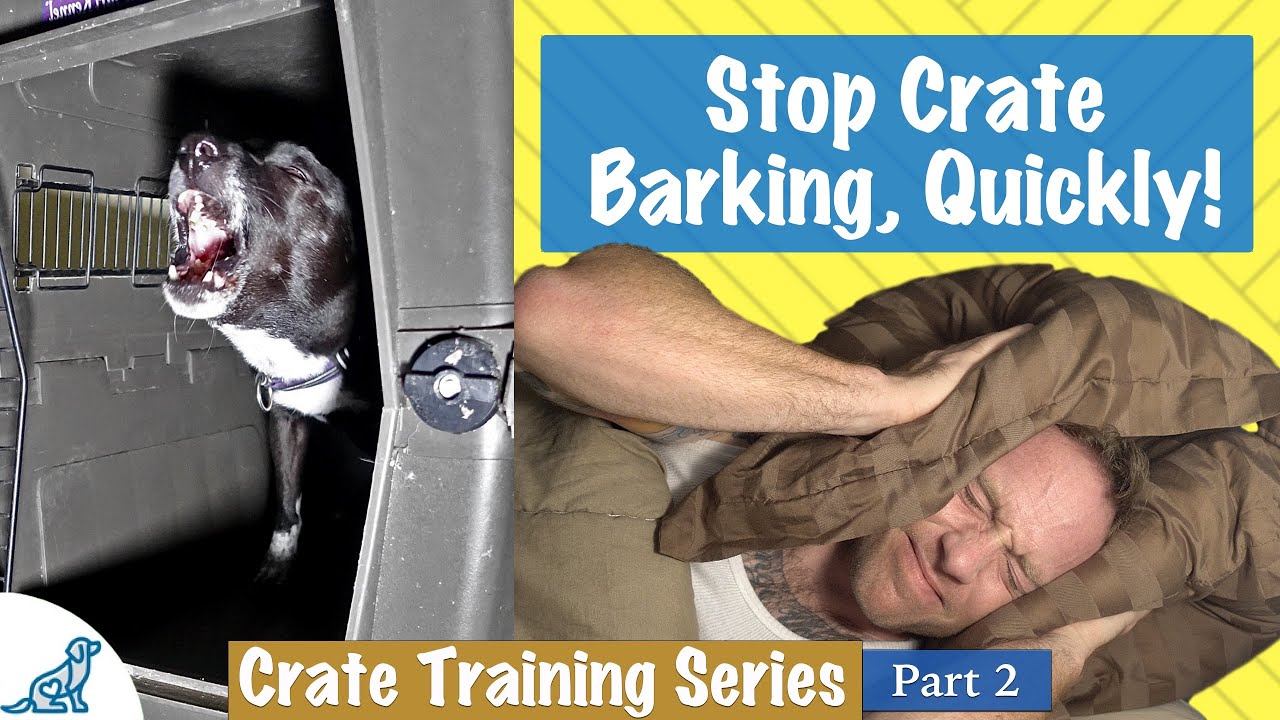
Never force a dog into a crate as a solution for barking. A crate should be a safe space, not a place of isolation or punishment. If your dog pants, drools, scratches, or tries to escape, seek help from a qualified trainer or veterinary behavior professional.
Learning how to calm a barking dog at night often starts before nighttime. A dog with enough exercise, social contact, and mental work is more likely to settle.

Reduce Nighttime Triggers
The sleeping area can make a major difference. Think of it as your dog’s bedroom. It should be comfortable, predictable, and away from avoidable stress.
Try these changes:
• Close blinds or curtains to block moving shadows.
• Use privacy film on windows that face a busy street.
• Move the bed away from the front door or a shared wall.
• Run a fan or white noise machine at a low volume.
• Check for buzzing appliances, rattling vents, or outdoor lights.
• Keep the room cool but not cold.
• Use a dim night-light if your dog fears total darkness.
Some dogs settle better when they sleep near their family. Others sleep best in a quiet room. If your dog recently moved into a separate room, try gradual changes instead of a sudden move.
For dogs with separation stress, start with short periods apart during the day. Give a safe chew, step away for a few seconds, and return before your dog becomes upset. Slowly increase the time. This approach is more useful than leaving a distressed dog alone for hours.
When considering how to calm a barking dog at night, environmental changes are often the fastest safe tool. You cannot train well if the trigger keeps overwhelming your dog.
Teach the “Quiet” Behavior During the Day
Training during the day is easier because everyone is rested. Do not wait until midnight to teach a new skill.
First, identify a small pause in barking. Say “quiet” in a calm tone. The moment your dog stops, mark the behavior with “yes” and offer a treat. After many short sessions, your dog learns that silence has value.
Follow these training tips:
• Start in a low-distraction room.
• Use tiny treats that your dog enjoys.
• Reward one or two seconds of silence at first.
• Slowly increase the quiet time.
• Keep each session short.
• Stop while your dog is still successful.
Do not repeat “quiet” again and again. If the word becomes background noise, it loses meaning. Say it once, then wait for the pause.
You can also teach an alternative behavior, such as going to a mat. Ask your dog to move to the mat, reward the position, and give a calm chew. This gives your dog a clear job instead of only telling the dog what not to do.
In my experience, one common mistake is rewarding quiet too late. People often wait for several minutes of silence, then praise the dog. Early rewards help the dog understand the lesson much faster.

Avoid Methods That Make Barking Worse
Some quick fixes may stop noise for a moment but create larger problems later. Punishment can increase fear and may make barking more intense.
Avoid:
• Yelling from another room
• Hitting, shaking, or startling your dog
• Using a shock collar without expert guidance
• Spraying water at a fearful dog
• Forcing a dog to face a scary trigger
• Releasing a dog from confinement during frantic barking
Your dog may hear yelling as participation. If your dog barks at a sound and you shout, the dog may believe you are also responding to danger.
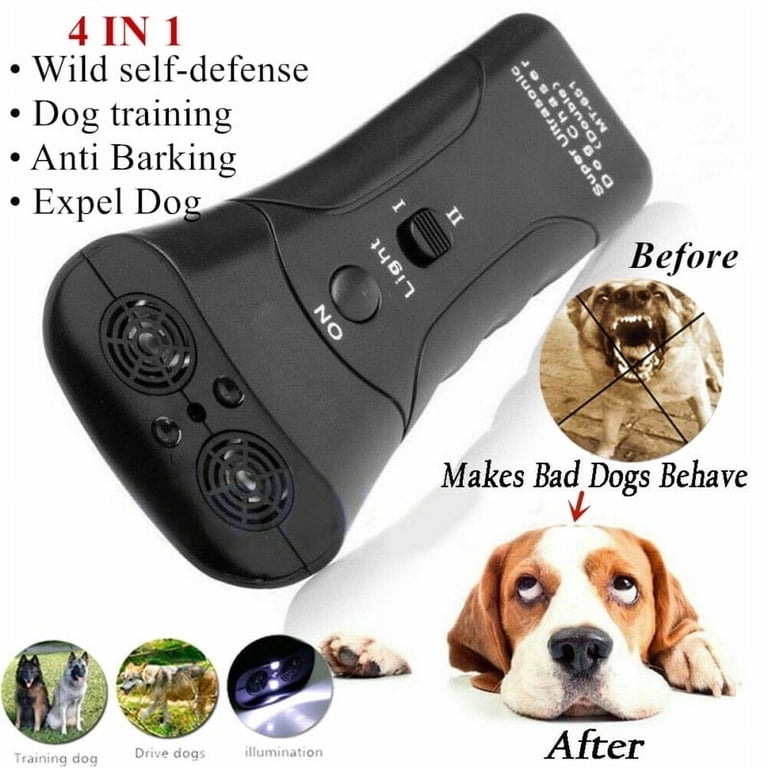
Anti-bark collars also have limits. They may suppress the sound without treating fear, pain, boredom, or separation stress. Professional behavior groups generally recommend finding the cause and using reward-based training instead of relying on aversive tools.
Do not ignore every bark automatically. Ignoring attention-seeking barking can help in some cases, but it is unsafe if your dog is signaling pain, illness, or a real threat. Good training depends on knowing which problem you are solving.

Check for Health and Age-Related Causes
A sudden change in barking deserves attention. If a normally quiet dog begins barking at night, do not assume it is simply being difficult.
Pain may come from arthritis, dental disease, ear problems, injury, or stomach trouble. Older dogs may develop hearing loss, vision loss, or canine cognitive dysfunction. These changes can cause confusion, restlessness, and nighttime vocalization.
Contact your veterinarian if barking comes with:
• Limping or stiffness
• Heavy panting when the room is cool
• Repeated pacing
• Whining or sudden fear
• Vomiting or diarrhea
• Changes in appetite or thirst
• Trouble urinating
• Disorientation
• Seizures or collapse
Seek urgent veterinary care for breathing trouble, severe pain, poisoning, collapse, or repeated attempts to vomit. Behavior advice should never replace medical care.
A veterinarian may examine your dog, review the daily routine, and recommend treatment. In some cases, a certified veterinary behaviorist can help with severe anxiety. Medication may be useful for certain dogs, but it works best with a behavior plan and professional monitoring.
This is an important limit of any guide on how to calm a barking dog at night: no training method can cure an untreated medical problem.

Help a Puppy or Rescue Dog Sleep
Puppies often bark because they need a bathroom break, feel alone, or have not learned the household routine. A very young puppy may not be able to sleep through the night. Keep nighttime bathroom trips quiet and brief.
Place the puppy’s crate near your bed at first if that helps the puppy feel safe. You can slowly move it later. Take the puppy outside, avoid play, and return to bed. This teaches that nighttime is for rest.
Rescue dogs may need extra time. A new home has new smells, sounds, and rules. Give the dog a calm sleeping area and keep the first days predictable. Avoid overwhelming the dog with visitors, long outings, or constant handling.
One lesson I have seen many owners learn the hard way is that comfort and boundaries can work together. You can reassure a nervous dog without creating a nightly party. A soft voice, a short bathroom break, and a return to bed are often enough.
Never expect a new puppy or rescue dog to adjust in one night. Progress may come in small steps. Track improvements over a week rather than judging one difficult evening.

A Simple Seven-Night Plan
A plan makes it easier to stay consistent. Use the same steps each night, but adjust them if your dog shows fear or a health concern.
Nights one and two: Find the pattern
Record the time, sound, location, and behavior. Check basic needs and remove obvious triggers. Do not begin several new training methods at once.
Nights three and four: Improve the sleep space
Block window views, add steady background noise, and move the bed if needed. Practice “quiet” and “go to bed” during the day.
Nights five and six: Reward calm choices
Give attention and treats when your dog settles before barking begins. Keep rewards calm and small. Reduce them slowly as the behavior improves.
Night seven: Review the results
Ask whether barking is shorter, quieter, or less frequent. If there is no improvement, or if the barking is intense, contact your veterinarian or a qualified reward-based trainer.
The best way to calm a barking dog at night is usually a mix of prevention, training, and patience. One change may help, but a clear plan is more reliable.
When to Get Professional Help
Professional support is wise when barking lasts for hours, affects neighbors, or comes with panic. It is also important when your dog damages doors, injures the mouth or paws, or cannot settle even when you are present.
Choose a trainer who uses reward-based methods and can explain the plan clearly. Look for recognized credentials and ask how the trainer handles fear, aggression, and separation problems. A trainer should not promise a guaranteed cure or recommend harsh tools as the first step.
For serious anxiety, ask your veterinarian about a veterinary behaviorist. These specialists can assess medical and emotional factors and build a treatment plan. Video recordings of nighttime behavior can help, but record from a safe place and never leave your dog in danger for the sake of evidence.
There is no single answer for every dog. Breed, age, health, home design, past experiences, and family routine all matter. Good advice should fit the individual dog rather than force every dog into the same method.
Frequently Asked Questions About How to Calm a Barking Dog at Night
Why does my dog bark at night for no reason?
Dogs rarely bark for no reason, even when the cause is not clear to people. Your dog may hear outside sounds, feel anxious, need the bathroom, or experience pain.
Should I ignore my dog barking at night?
Ignore barking only when you are confident it is attention-seeking and your dog is safe. First check for health problems, fear, bathroom needs, or a real trigger.
Will exercise stop my dog from barking at night?
Exercise can help if your dog has unused energy, but it is not a complete solution. Calm walks, sniffing, training, and enrichment may work better than intense exercise right before bed.
Is it okay to crate a barking dog at night?
A crate is suitable only if your dog already sees it as a safe place. Never use a crate to punish a fearful dog, and seek help if your dog pants, scratches, or tries to escape.
How long does it take to stop nighttime barking?
Some dogs improve within a few nights after a trigger is removed. Fear, separation distress, medical problems, and long-standing habits may take weeks or require professional care.
Can white noise help a barking dog?
White noise can mask mild outdoor sounds and reduce alert barking. Keep the volume low, and do not use it instead of checking for pain, fear, or another clear cause.
When should I call a veterinarian about nighttime barking?
Call your veterinarian when barking starts suddenly, becomes severe, or appears with pacing, pain, confusion, appetite changes, or other symptoms. Sudden behavior changes in older dogs deserve special attention.
Conclusion
Learning how to calm a barking dog at night starts with understanding the message behind the noise. Check basic needs, look for pain or illness, reduce outside triggers, build a steady bedtime routine, and reward quiet behavior. Avoid yelling and harsh punishment, since these methods can increase fear and excitement.
Start tonight with one simple change, such as a final bathroom break, closed curtains, or a calm reward for silence. Track your dog’s progress, stay patient, and ask a veterinarian or qualified behavior professional for help when the problem continues. Share your experience or explore more trusted dog training resources to support a calmer night for you and your dog.