How To Stop Neighbors Dog From Barking: Quiet Tips
Learn proven, neighbor-friendly strategies on how to stop neighbors dog from barking. Try effective training, noise solutions, or legal steps when needed.
Talk kindly with your neighbor, offer solutions, and use humane training or soundproofing steps.
I’ve spent years helping people solve noisy-dog problems. I know how to stop neighbors dog from barking without escalating tension. This guide uses calm, proven steps you can try today. I’ll show the reasons dogs bark, friendly ways to approach your neighbor, practical fixes you can do yourself, training and device options, and when to use formal channels. Read on to get clear, usable answers that work.

Why dogs bark: common causes and what it means
Dogs use barking to talk. Barking can mean excitement, fear, boredom, loneliness, attention-seeking, or alerting. The first step to stop neighbors dog from barking is to know why the dog barks. Different causes need different fixes.
Common triggers
- Strange people, animals, or noises that trigger alert barking.
- Lack of exercise or mental work that leads to boredom barking.
- Separation anxiety that causes continuous, urgent barking.
- Reinforced barking when the owner or neighbors give attention.
How understanding helps
- If the dog barks from fear, calming and training reduce the sound.
- If the dog barks from boredom, exercise and toys help.
- If barking gets rewarded, changing reactions stops it.
Why does my neighbor’s dog bark only at night?
Night barking often signals loneliness, a nearby animal, or anxiety. It can also come from lack of daytime activity that leaves the dog restless at night.
Can fixed behavior changes stop barking permanently?
Yes, with consistent training and routine changes many dogs bark less or stop unwanted barking. Some medical or anxiety causes need professional help.

First steps: talk with your neighbor respectfully
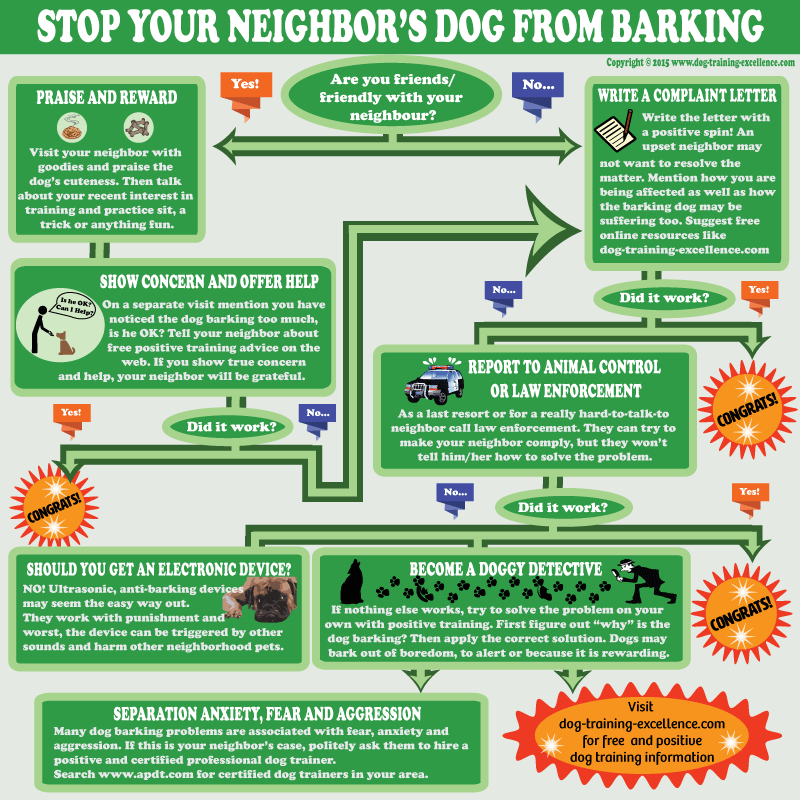
Most solutions start with a calm chat. A friendly approach solves many problems faster than complaints.
How to start the conversation
- Introduce yourself and explain the issue in a kind tone.
- Mention specific times and patterns instead of vague complaints.
- Offer to help with ideas or solutions rather than demand change.
What to say and offer
- Suggest short-term fixes like closing curtains, bringing the dog inside at night, or giving extra walks.
- Offer to share costs for soundproofing measures or a trainer if you’re willing.
- Keep the tone collaborative. You want a partner, not an enemy.
If direct talk fails
- Leave a polite note with details and proposed solutions.
- Keep a log of barking times and durations. This helps if formal steps become necessary.
 barking”
style=”max-width: 100%; height: auto; border: 2px solid black; border-radius: 10px; display: block; margin: 0 auto;”
loading=”lazy”
/>
Practical things you can do at home to reduce barking
You don’t need to control the dog to make life better. Small changes in your home can cut noise and reduce stress.
Sound and environment fixes
- Use white noise machines or fans to mask distant barking.
- Install thicker curtains or a window plug to reduce sound transmission.
- Rearrange your furniture so the noisy wall is not where you spend most time.
Behavioral tactics you can try
- Time your outdoor activities to avoid peak barking times.
- Use polite boundaries: avoid reacting to the dog when it barks to prevent reinforcement.
- Give positive attention to the neighbor when the dog is quiet. Praise reduces barking driven by attention seeking.
When these reduce barking
- These steps help when barking is intermittent or situational.
- They buy time while the neighbor uses training or professional help.

Training and behavior options the neighbor can use
Long-term fixes usually come from behavior change. Encourage your neighbor to try humane training.
Effective training strategies
- Positive reinforcement: reward quiet with treats, toys, or praise.
- Teach a “quiet” cue paired with reward after the dog stops barking.
- Increase exercise and mental work with walks, play, and puzzle toys.
Professional help
- Recommend a certified trainer or behaviorist for anxiety or persistent problems.
- Suggest a vet visit to rule out pain or medical issues that cause barking.
Tools that support training
- Short training sessions, 5–10 minutes, multiple times daily.
- Interactive toys to reduce boredom barking.
- Supervised socialization to reduce fear-based barking.

Devices, legal steps, and community options
There are tools and formal paths, but each has trade-offs. Use them carefully.
Devices and pros/cons
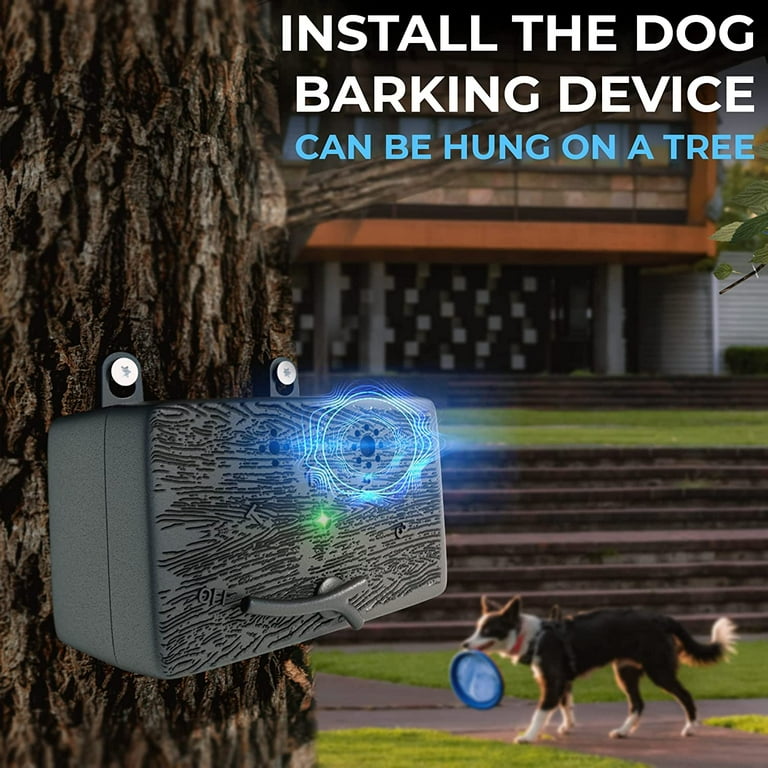
- Ultrasonic bark deterrents: can help some dogs but may bother other animals or be ignored.
- Bark collars: many are humane if set to light vibration or citronella; avoid painful options and check local rules.
- Motion-activated sprinklers: effective for yard barking but require property access.
Legal and community steps
- Check local noise ordinances or animal control rules before formal complaints.
- Use a recorded log of barking with dates and times if you pursue a complaint.
- Consider mediation services or HOA channels to resolve repeated issues.
Safety and ethics
- Avoid illegal or harmful measures like traps or loud harassment.
- Aim for humane interventions that respect the dog and neighbor.

My experience: what worked and what to avoid
I’ve mediated many neighbor-dog problems. Here are real lessons that helped.
What worked
- A friendly first talk led neighbors to try new routines. The dog barked 60% less within two weeks.
- Sharing the cost of a trainer built goodwill and solved a barking issue that lasted months.
- Simple soundproofing reduced indoor noise enough to stop late-night complaints.
What didn’t work
- Threats or demands made the neighbor defensive and slowed progress.
- Impulsive complaints to authorities without a record often got ignored.
- Cheap gadgets bought without behavior changes gave mixed results.
Practical tip
- Keep a short log. Note dates, times, and how long the barking lasted. Use it to spot patterns and to show the neighbor calmly.

Long-term strategies and prevention
Fixing barking often means building better routines for the dog and neighbor relations.
Sustainable habits
- Encourage consistent exercise and enrichment for the dog every day.
- Support the neighbor with referrals to trainers or resources.
- Build small community norms: quiet hours and mutual help with pet care.
Community solutions
- Neighborhood pet groups that share trainers or freelancers can lower costs.
- HOAs or community boards can set reasonable quiet rules and help enforce them.
When to move on
- If the neighbor ignores repeated, documented requests and the barking continues, formal channels may be needed.
- Use records and stay factual when involving authorities.
Frequently Asked Questions of how to stop neighbors dog from barking
How do I politely tell my neighbor their dog is barking?
Start with a friendly knock or note. Mention specific times and offer solutions or help rather than blame.
Are noise ordinances able to stop dog barking?
Yes, many places have ordinances for persistent noise. Document the problem first and follow local procedures.
Can I use a device to stop my neighbor’s dog from barking?
Do not use devices on the dog without permission. You can use sound masking in your home or suggest humane devices to the owner.
When should I call animal control?
Call animal control if the dog is left in distress, barks for very long periods, or shows signs of neglect or health problems.
Will positive reinforcement really reduce barking?
Yes, positive training often reduces unwanted barking. It works best with consistency and the owner’s cooperation.
Is it legal to record a neighbor’s dog barking?
Laws vary by location. Recording in public spaces is often allowed, but respect privacy laws and local rules before recording.
Conclusion
You can reduce noise and keep the peace. Start with a calm conversation, try practical sound and behavior fixes, and encourage humane training. Keep records and escalate only when needed. Small, steady steps work best for how to stop neighbors dog from barking and keep friendships intact. Try one idea this week and track progress, then move to the next if you need to. If this helped, comment with your experience or subscribe for more neighborhood and pet guides.

Pet Care Writer & Researcher
Daniel writes practical guides on daily care, feeding, and safety, turning complex topics into simple, actionable advice.