Why Won’t My Dog Stop Barking: Stop Excessive Noise Fast
Struggling with why won’t my dog stop barking? Learn proven training tips, quick fixes, and long-term solutions to quiet your dog and restore peace.
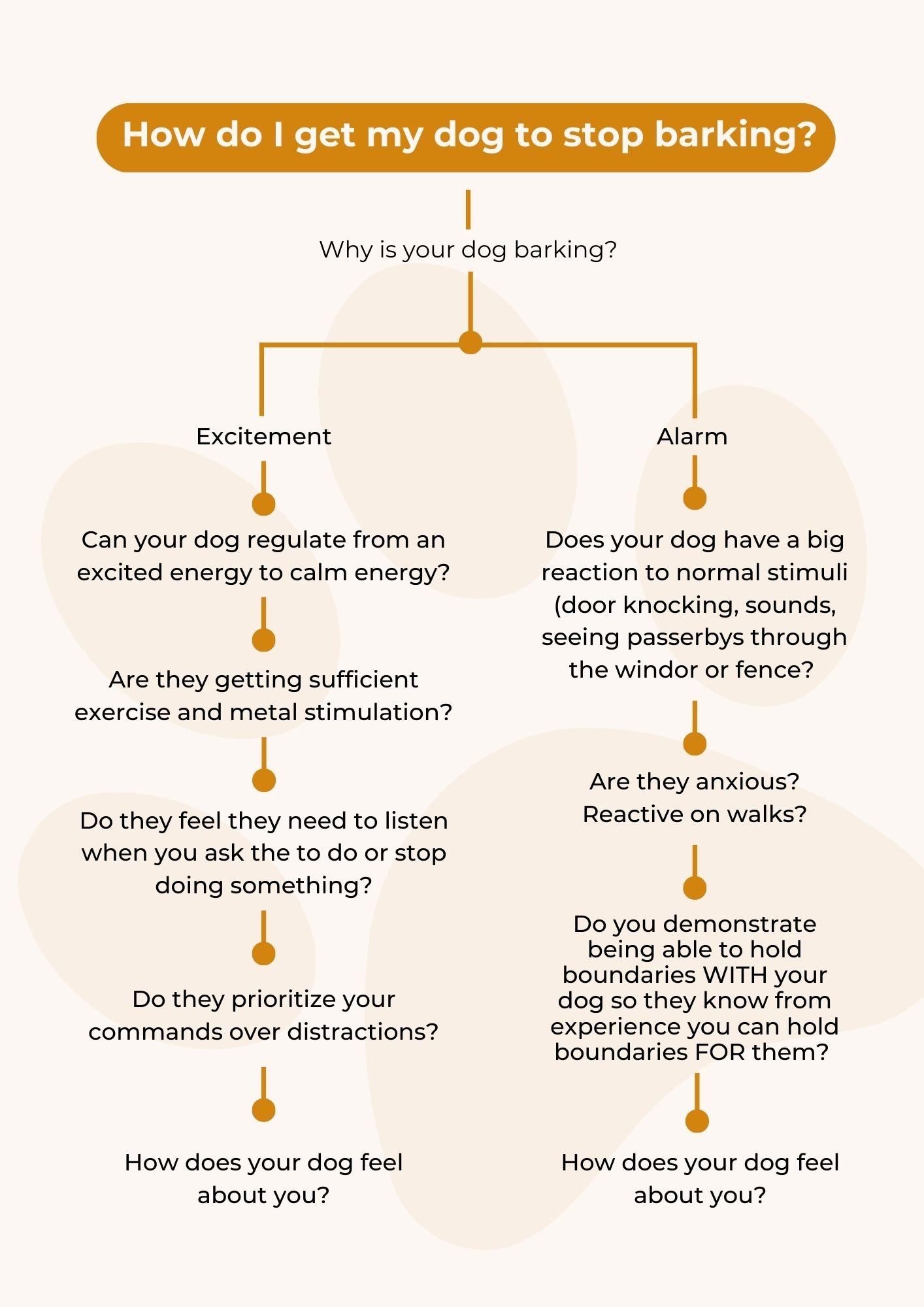
Your dog may be barking from boredom, fear, pain, or because it learned barking gets results.
I’ve worked with owners and dogs for years, and I can show you why won't my dog stop barking and how to fix it. In this guide I explain common causes, clear steps to change the behavior, medical checks to run, and practical training techniques you can use today. Read on for an expert, friendly plan that helps you and your dog find calm.
Why dogs bark: what barking means and why it matters
Barking is a normal dog behavior. Dogs use sound to talk. Barking can mean alert, fear, play, boredom, or pain. Knowing the reason helps you respond the right way.
If you ask why won't my dog stop barking, start by observing. Watch when the barking happens. Note what changes the sound, length, or pitch. This simple record points to cause and solution.

Common causes of nonstop barking
Understanding causes clears the path to solve the problem. Here are common triggers to check.
- Territorial or alarm barking. Dogs warn when strangers, cars, or animals pass.
- Separation anxiety. Intense, prolonged barking occurs when the owner leaves.
- Boredom and lack of exercise. Dogs bark to burn energy or seek attention.
- Social attention seeking. Dogs learn barking gets pets, treats, or play.
- Fear and anxiety. Loud noises or new places can provoke persistent barking.
- Medical pain or discomfort. Pain can make a dog more vocal than usual.
- Cognitive decline in older dogs. Confusion can increase night barking.
- Breed tendencies. Some breeds bark more by nature.
If you search why won't my dog stop barking and find multiple triggers, treat each one. A layered plan works best.
Medical and sensory reasons to rule out first
Always rule out health issues before training. Pain, ear infections, or vision loss can make a dog vocal. Older dogs may have cognitive dysfunction that increases barking at night.
Book a vet exam if barking started suddenly. Mention behavior change, appetite, or sleep shifts. Ask for a full check, bloodwork, and ear and dental exam. Treating health issues often reduces barking fast.

Environmental triggers and routine fixes
Small changes in the environment can cut barking a lot. Try these steps.
- Manage visual triggers by closing blinds or using privacy film.
- Mask outside noises with white noise or music made for dogs.
- Create a calm zone with a bed, toys, and water.
- Increase supervised outdoor time to let the dog sniff and explore.
- Add predictable routines for walks, play, and rest.
If the question remains why won't my dog stop barking at the window, these environment fixes are often the quickest wins.
Training and behavior modification that works
Training is the core long-term solution. Use short, consistent sessions. Reward calm more than punishing noise.
- Teach a "quiet" cue. Let the dog bark twice. Then say "quiet" and reward silence. Repeat often.
- Reward alternative behavior. Ask for a sit or down and reward the calm version.
- Desensitization and counter-conditioning. Start low-intensity triggers and reward calm responses. Raise intensity slowly.
- Address separation anxiety with short, safe departures and gradual increases.
- Use exercise and mental work. A tired dog barks less.
PAA-style Q: How long to stop barking with training?
A: Results vary. With consistent daily work you can see improvement in 2–6 weeks, but complex cases take months.
PAA-style Q: Will scolding stop barking?
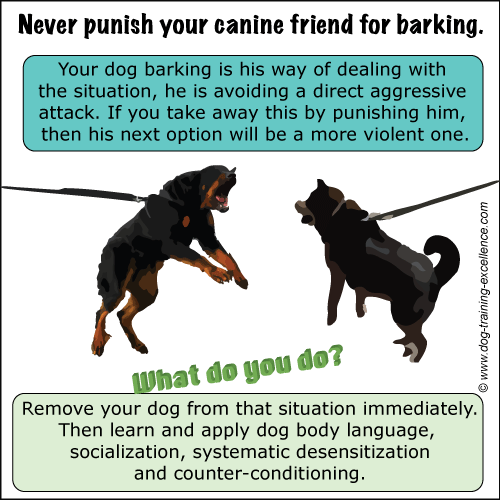
A: Scolding may increase anxiety or attention barking. Positive reward for quiet is safer and more effective.
If you ask why won't my dog stop barking during the night, pair exercise, a calm routine, and the "quiet" cue to improve sleep fast.
Tools and aids: when and how to use them safely
Tools can help but know limits. Use humane options and pair them with training.
- Front-clip harnesses for better control during walks.
- Enrichment toys and treat puzzles to reduce boredom.
- White noise machines or fans to mask triggers.
- Anti-bark devices: ultrasonic gadgets can work short-term but vary by dog. Use with training.
- Vets can prescribe short-term medication for severe anxiety. Meds should pair with behavior work.
Avoid collars that cause pain or fear. Pain-based tools can worsen barking and damage trust. If you consider a device, consult a certified trainer or vet first.
When to seek professional help
Get expert help when barking is severe or tied to anxiety or aggression. Talk to a veterinary behaviorist or certified force-free trainer if:
- Barking is nonstop and linked to distress.
- The dog shows aggression with barking.
- Health issues have been ruled out, but barking persists.
- You tried training for months with no improvement.
Professionals use tailored plans and can prescribe medication when needed. Early help saves time and stress.
My experience: real cases and lessons learned
I once helped a Labrador mix that barked every time the mail arrived. The owner tried scolding. The behavior worsened. We changed to a brief game before the mail arrived and rewarded the dog for going to a mat. The barking dropped in a week.
Key lessons I learned:
- Consistency beats intensity. Short, daily practice works best.
- Reward calm. Dogs repeat what brings rewards.
- Watch for hidden medical causes. A missed ear infection once masked progress.
These real steps helped many owners answer why won't my dog stop barking with practical, lasting change.
Frequently Asked Questions of why won't my dog stop barking
Why won't my dog stop barking at night?
Night barking often stems from fear, lack of routine, or cognitive decline. Improve bedtime routine, increase daytime activity, and check health if it starts suddenly.
Can training alone stop barking?
Training can stop many barking problems when paired with exercise and environment changes. Severe anxiety or medical issues may also need professional help or medication.
Is it okay to ignore barking?
Ignoring attention-seeking barking can help if the dog expects attention. Do not ignore signs of distress, pain, or anxiety. Always rule out health problems first.
Do anti-bark collars work?
Some humane anti-bark tools can help short-term but are not a cure. Use them as part of a broader training plan and avoid pain-based methods.
How long before I see results?
Simple behavior changes can reduce barking in days to weeks. Complex issues like separation anxiety may take months with steady work and expert help.
Conclusion
Understanding why won't my dog stop barking is the first step to change. Check health, note triggers, adjust the environment, and use reward-based training. Be patient and consistent. Small wins add up fast.
Start today by watching one trigger, practicing a short "quiet" session, and adding five more minutes of play or a puzzle toy. If you need help, reach out to a vet or certified trainer. Share your progress, ask questions, or subscribe for more practical tips.

Pet Care Writer & Researcher
Daniel writes practical guides on daily care, feeding, and safety, turning complex topics into simple, actionable advice.