Do Boston Terriers Bark A Lot: Stop Excessive Barking Tips
Do Boston Terriers Bark A Lot? Learn why they bark, proven training tips to reduce noise, and simple fixes to keep your home calm and happy.
Boston Terriers can be moderate barkers; many are quiet, but some bark more due to breed traits, training, or environment.
I’ve worked with Boston Terriers for years as a trainer and owner, and I know this question comes up a lot. If you’re wondering do Boston Terriers bark a lot, this guide breaks it down clearly. I’ll explain why some Boston Terriers bark more than others, how to read their signals, how to curb unwanted barking, and when barking may be a health or behavior concern. Read on for practical tips, real examples, and easy steps you can use today.

Why Boston Terriers bark: quick breed overview
Boston Terriers are lively, alert dogs bred to be companions. They are smart and sensitive. They use sound to talk with people and other dogs. Many Boston Terriers have a low to moderate barking level. Some dogs, however, can be quite vocal if left bored or anxious.

Common reasons do boston terriers bark a lot
Understanding the cause helps you fix the behavior. Below are the main triggers.
- Alerting and guarding — Boston Terriers notice changes and often bark at strangers or new noises.
- Boredom and lack of exercise — A tired dog barks less. Without activity, barking rises.
- Attention seeking — They will bark to get you to play, feed, or pet them.
- Anxiety and separation stress — Some Boston Terriers panic when you leave and vocalize.
- Health issues — Pain, hearing loss, or cognitive decline can increase barking.
- Habit and reinforcement — If barking worked before, the dog repeats it.
I’ve met many owners who thought their dog was "just vocal." Often, a simple change in routine solved it.

Are Boston Terriers naturally noisy? (Breed traits)
Boston Terriers are not a hound. They were never bred to bay or howl for long. Still, their compact size and big personality make them keen observers.
- They are alert and quick to react.
- They love interaction and can vocalize to join conversations.
- Their short muzzles change the sound of their bark; it can sound sharp or snappy.
- Some lineages carry a stronger alert instinct, which raises the chance you’ll ask, do Boston Terriers bark a lot?
From my experience, house training and early socialization shape how much they bark as adults.
:strip_icc()/boston-terrier-dog-breed-profile-4689861-hero-17828860a8304ba68182bf504766c2c2.jpeg)
How to tell if barking is normal or excessive
Not all barking is bad. You want to look for patterns.
- Normal barking — Short alerts to a noise, one or two barks at the door, or excited play barks.
- Excessive barking — Long bouts, barking that continues after you respond, or barking that harms quality of life.
- Night barking or panic barking — Often linked to anxiety or medical issues.
If your dog barks hourly, wakes the household, or disturbs neighbors, that is excessive.
 barking”
style=”max-width: 100%; height: auto; border: 2px solid black; border-radius: 10px; display: block; margin: 0 auto;”
loading=”lazy”
/>
Training strategies to reduce barking
Consistent training helps most dogs. Use short sessions and kind methods.
- Teach a “quiet” command — Reward silence, not silence followed by shame.
- Use redirection — Swap barking for a toy or a short task.
- Increase exercise — A walk or play session lowers excess energy that causes barking.
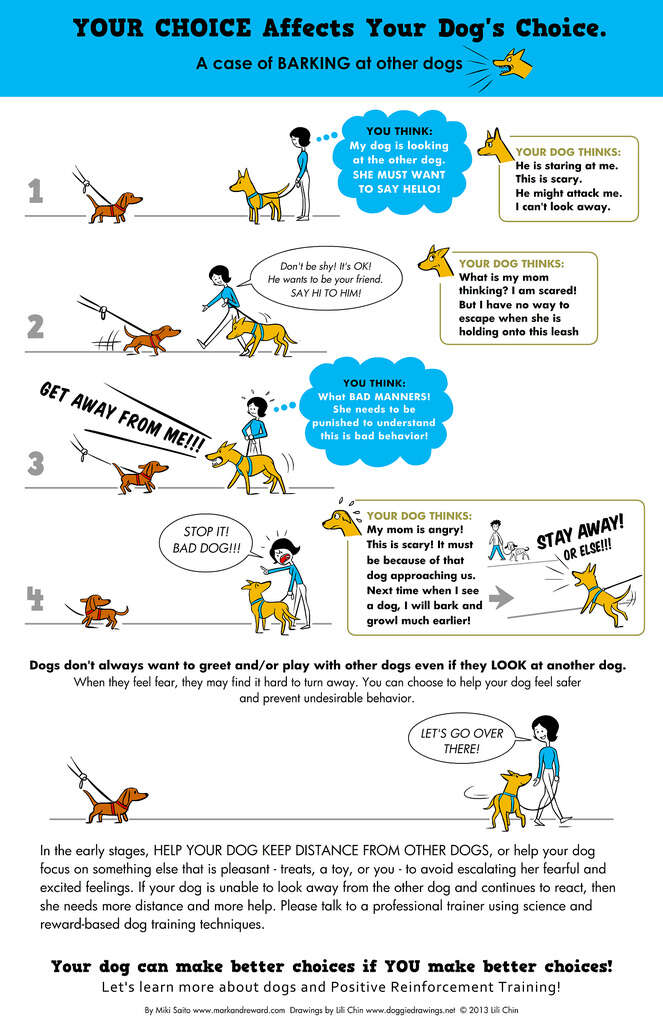
- Manage the environment — Close curtains, use white noise, or block windows that trigger alert barking.
- Desensitize to triggers — Slowly expose the dog to the cause and reward calm behavior.
- Avoid yelling — It can sound like joining the bark and reinforce it.
I trained a Boston named Mabel who barked at every passerby. Ten minutes of focused daily training for two weeks cut her street barking by 80%.

Health and medical reasons that increase barking
Always rule out medical causes. Dogs with pain or discomfort can vocalize more.
- Ear infections — Pain or reduced hearing can lead to more barking.
- Dental pain — Oral pain can cause irritability and noise.
- Cognitive dysfunction in older dogs — Confusion at night can cause more vocalization.
- Hormonal or thyroid problems — These can change behavior.
If barking starts suddenly or is paired with other signs, see a vet for a checkup.

Socialization and early life: preventing problem barking
The way a Boston Terrier grows up matters. Early socialization makes a calmer adult.
- Expose pups to people, sounds, and different places in small doses.
- Reward calm behavior when new things happen.
- Teach quiet while still young, using short, fun training sessions.
Puppies who learn calm from the start are less likely to answer every noise with a bark.

Tools and aids that can help
Use tools thoughtfully. They help, but they are not a substitute for training.
- Puzzle toys — Keep them busy and silent for longer.
- Long-lasting chews — Good for bored or anxious dogs.
- Calming wraps or pheromone diffusers — Can reduce stress-related barking in some dogs.
- White noise or music — Masks outside triggers.
- Professional trainers or behaviorists — Useful for persistent or anxiety-driven barking.
Avoid shock collars. They can harm trust and make anxiety worse.

When barking needs professional help
Seek help if barking is linked to severe anxiety, aggression, or sudden change.
- If the dog injures itself trying to reach the trigger.
- If the barking is long, frequent, and unresponsive to training.
- If neighbors complain regularly and it affects your life.
A certified behaviorist can create a step-by-step plan tailored to your Boston Terrier.
Personal experience and lessons learned
I’ve worked with dozens of Boston Terriers. Here are practical lessons I use the most.
- Rule out health issues first. A vet visit saved a dog from unnecessary behavior work.
- Short, daily training beats long, infrequent sessions.
- Consistency from all family members is key. Mixed messages undo progress.
- Reward quiet early and often. Even 10 seconds of calm is a win.
- Neighborhood walks and playdates lower home barking dramatically.
One client reduced evenings of barking to zero by adding a 20-minute evening walk and a stuffed toy puzzle. Small changes add up.
PAA-style questions (short answers)
What triggers Boston Terrier barking the most?
Dogs often bark at strangers, doorbells, other animals, and new sounds. Boredom and anxiety are also common triggers.
Can training stop a Boston Terrier from barking?
Yes. Consistent, positive training can reduce unwanted barking. Combine training with exercise and management.
Is barking typical for apartment living with a Boston Terrier?
Boston Terriers can live well in apartments but need exercise and training to avoid frequent barking. Window views and stir-crazy energy are common apartment triggers.
How long until barking improvements show after training?
Many owners see change within 1–3 weeks of consistent work. Complex cases may take months with a behavior plan.
Are male or female Boston Terriers louder?
There is no strict rule. Individual temperament and training matter more than sex.
Frequently Asked Questions of do boston terriers bark a lot
Do Boston Terriers bark more than other small breeds?
Boston Terriers tend to bark about average for small breeds. Some lines are quieter; others are more alert and vocal.
How can I stop my Boston Terrier from barking at the door?
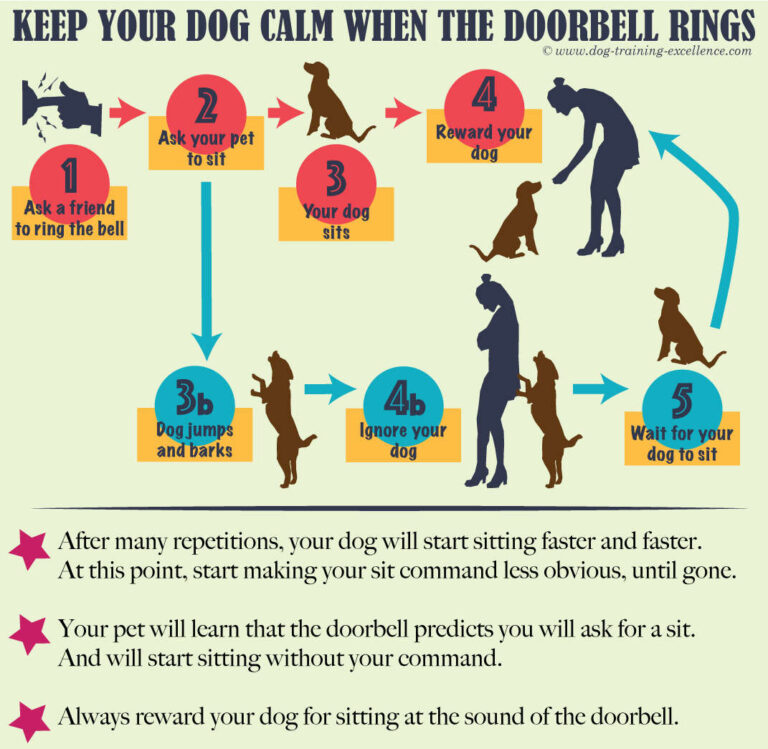
Teach a “quiet” command, reward calm, and use a short leash to redirect. Practice with gentle doorbell training and reward non-barking behavior.
Will crate training reduce barking?
Crate training can help if used properly as a safe space. It should be paired with positive association and not used as punishment.
Can neutering reduce barking in Boston Terriers?
Neutering may reduce some hormone-driven behaviors, but it is not a guaranteed fix for barking. Training and environment still matter most.
When should I see a vet for barking?
See a vet if barking starts suddenly, is paired with pain or change in behavior, or if your dog shows signs of distress.
Conclusion
Boston Terriers can be calm or vocal. Whether do Boston Terriers bark a lot will depend on genetics, training, routine, and health. Check health first, add exercise, practice short training sessions, and manage triggers. Start with small steps today: add a 15-minute walk, teach a quiet cue, and reward calm. If barking persists, seek a trainer or behaviorist for a tailored plan.
If this article helped, try one small change this week and watch the results. Share your story, subscribe for more dog behavior tips, or leave a question below — I’ll reply with practical steps.

Pet Care Writer & Researcher
Daniel writes practical guides on daily care, feeding, and safety, turning complex topics into simple, actionable advice.