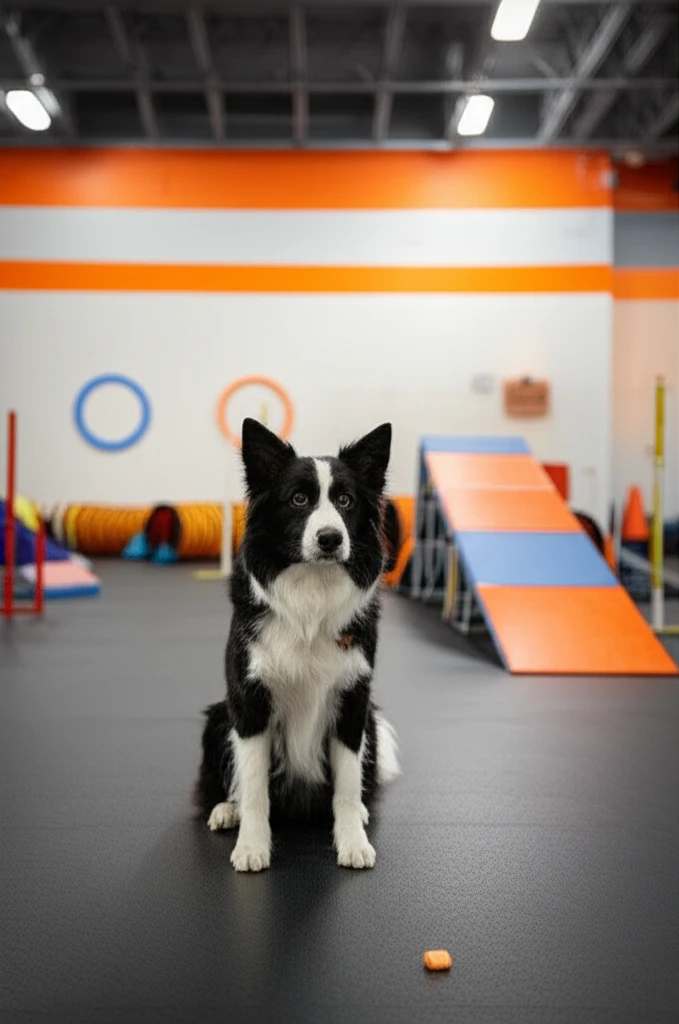
When Do Dogs Start Barking: Age, Reasons & Tips
Curious about when do dogs start barking? Get causes, age ranges, and simple tips to manage barking – quick, expert advice for new dog owners.
Puppies often start making soft barks or "yelps" around 3–4 weeks, with full barking usually by 8–12 weeks.
I’ve spent years working with breeders, shelters, and pet owners to understand puppy behavior. In this article I’ll explain when do dogs start barking, why timing varies, what normal barking development looks like, and practical steps to shape healthy vocal habits. Expect clear timelines, causes, examples, and actionable tips you can use right away.

Typical timeline: when do dogs start barking
Puppies follow a rough vocal timeline. Newborns are mostly silent and use small sounds to call for warmth and milk. Around 2–4 weeks they begin to make louder noises, including little barks. By 4–8 weeks vocal play grows. At 8–12 weeks most puppies can produce recognizably full barks. Young dogs continue to refine their bark as they learn social cues.
Factors change the timeline. Breed, litter socialization, and individual temperament matter. Some small breeds vocalize earlier. Some large breeds stay quieter for longer. When do dogs start barking depends on these variables and the puppy’s environment.

Developmental stages and vocal milestones
Neonatal period (0–2 weeks)
- Puppies sleep and feed most of the time.
- Sounds are limited to squeaks and small cries.
- Vocal control is minimal.
Transitional period (2–4 weeks)
- Eyes and ears open, so pups react to sights and sounds.
- You’ll hear more varied noises and short barks.
- This is the first hint at when do dogs start barking in a recognizable way.
Socialization period (4–12 weeks)
- Pups play and bark with littermates.
- Barks become clearer and more frequent.
- By 8–12 weeks many puppies show full barking patterns.
Juvenile period (3–6 months)
- Barking may increase as pups test boundaries.
- Training greatly shapes whether barking becomes a habit.
- Social learning refines when and why a dog barks.

Why some puppies bark earlier or later
Genetics
- Some breeds were selected for barking traits.
- Terriers and hounds often vocalize earlier and more.
Environment
- Puppy raised with noisy siblings may match their vocal level.
- Quiet households can delay frequent barking.
Health and sensory development
- Hearing and vision development affect vocal responses.
- Illness or developmental delays can slow vocal milestones.
Temperament and personality
- Confident pups may bark to alert or initiate play.
- Shy pups might be quieter or reserve barking for distress.
Owner behavior
- Responding to puppy sounds can reinforce barking.
- Ignoring attention-seeking cries helps reduce early habit formation.
When do dogs start barking is rarely caused by a single factor. It’s usually a mix of genes, learning, and environment.

How to encourage healthy barking and discourage nuisance barking
Teach the difference between useful and unwanted barking. Use these steps for clear results.
Encourage appropriate barking
- Reward a short bark on cue. Say a word like “speak,” then treat.
- Practice in calm sessions of one to two minutes.
- Fade treats as your dog learns to bark on cue.
Discourage nuisance barking
- Avoid rewarding every bark with attention.
- Redirect with a calm command like “quiet.” Reward silence.
- Provide mental and physical exercise to reduce boredom barks.
Consistency tips
- All household members must use the same commands.
- Use short training sessions daily.
- Be patient; habits take weeks to shift.
When do dogs start barking matters less than how you shape that behavior. Early, calm training gives you the best outcome.

When to worry: health and behavior red flags
Barking is normal, but watch for concerns. Seek vet or trainer help if you notice the following.
Signs to consult a vet or trainer
- No vocalization at all by 12 weeks, especially if hearing is delayed.
- Sudden, intense barking paired with other odd behaviors.
- Barking that seems painful, weak, or hoarse.
Possible causes behind abnormal vocal patterns
- Hearing loss or ear problems.
- Respiratory issues or throat injury.
- Severe anxiety or neurological conditions.
Act early. Early assessment improves outcomes. A vet exam and a behavior plan can resolve many issues.

My experience training puppies to bark appropriately
I’ve worked with litters and rescue dogs for a decade. I remember a timid terrier pup that didn’t bark until 10 weeks. Gentle play and short cue training helped her adopt a clear, confident bark by 12 weeks. I also saw a beagle litter start loud vocal play at 3 weeks; consistent quiet cues and redirection kept their adult barking reasonable.
Lessons I learned
- Start training early and keep sessions short.
- Reward the behavior you want, not the one you don’t.
- Socialize pups with calm adults to model proper responses.
Common mistakes to avoid
- Yelling back at a barking puppy, which can sound like joining in.
- Inconsistent responses from family members.
- Over-reliance on punishment instead of teaching alternatives.
When do dogs start barking will vary, but early, kind shaping makes a lasting difference.

Frequently Asked Questions of when do dogs start barking
When do puppies usually start to bark?
Most puppies begin making barks or yelps around 2–4 weeks and clearer barks by 8–12 weeks. Breed and environment can shift this timeline.
Can a puppy be late to start barking?
Yes. Some puppies begin later due to temperament, quieter litters, or sensory delays. If a pup is silent by 12 weeks, check hearing and development with a vet.
Is it normal for puppies to bark a lot?
Puppies often bark from play, curiosity, or attention-seeking. Frequent barking is common, but consistent training and exercise can reduce excessive barking.
How can I teach my puppy to be quiet on command?
Teach “speak” first, then teach “quiet” by rewarding silence after a bark. Keep sessions short and reward calm behavior immediately.
Could medical issues affect barking?
Yes. Ear infections, throat problems, and neurological issues can change a dog’s bark. If a bark sounds painful or hoarse, see a vet promptly.
Conclusion
When do dogs start barking varies, but most puppies show early vocal signs by 2–4 weeks and clear barking by 8–12 weeks. Genetics, social exposure, health, and training shape how and when barking appears. Start simple training early, be consistent, and seek help for worry signs. Take action today: observe your pup’s vocal milestones, try short training sessions, and consult a vet or trainer if something seems off. Share your puppy’s progress or questions below, and consider subscribing for more practical dog behavior guides.

Pet Care Writer & Researcher
Daniel writes practical guides on daily care, feeding, and safety, turning complex topics into simple, actionable advice.