
How To Stop My Dog From Barking When I Leave: Easy Tips
Learn how to stop my dog from barking when I leave with proven training tips to ease separation anxiety and help your pet stay calm.
Teach calm alone-time skills, use gradual departures, and reward quiet behavior to stop your dog from barking when you leave.
If you are searching for how to stop my dog from barking when I leave, you are likely dealing with stressed neighbors, worried feelings, or a dog that seems calm only when you are home. The right plan depends on the cause, but most dogs improve with steady training, better routines, and safe alone-time practice. This guide explains what works, what can make barking worse, and when professional help is needed.
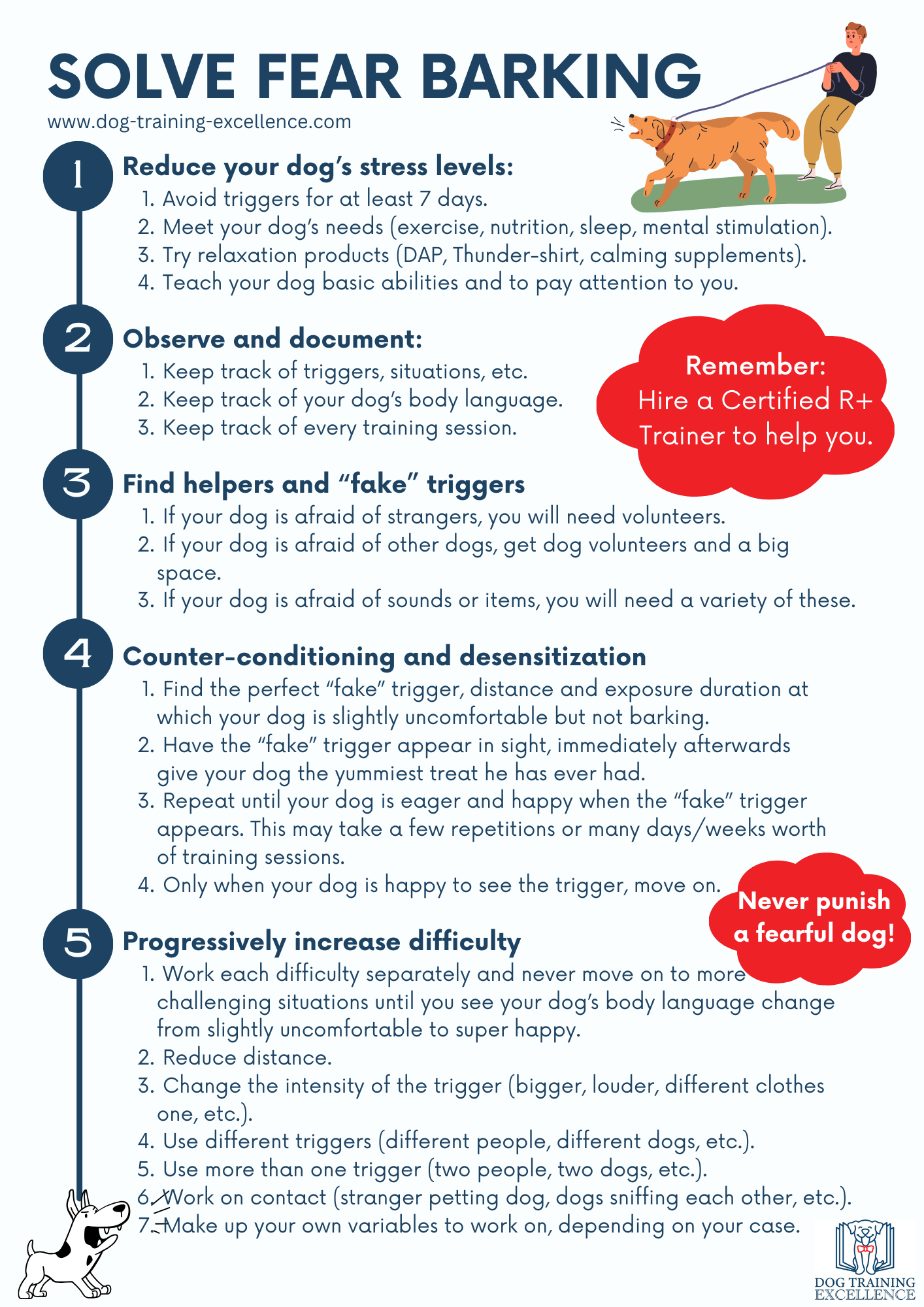
Why Dogs Bark When Their Owners Leave
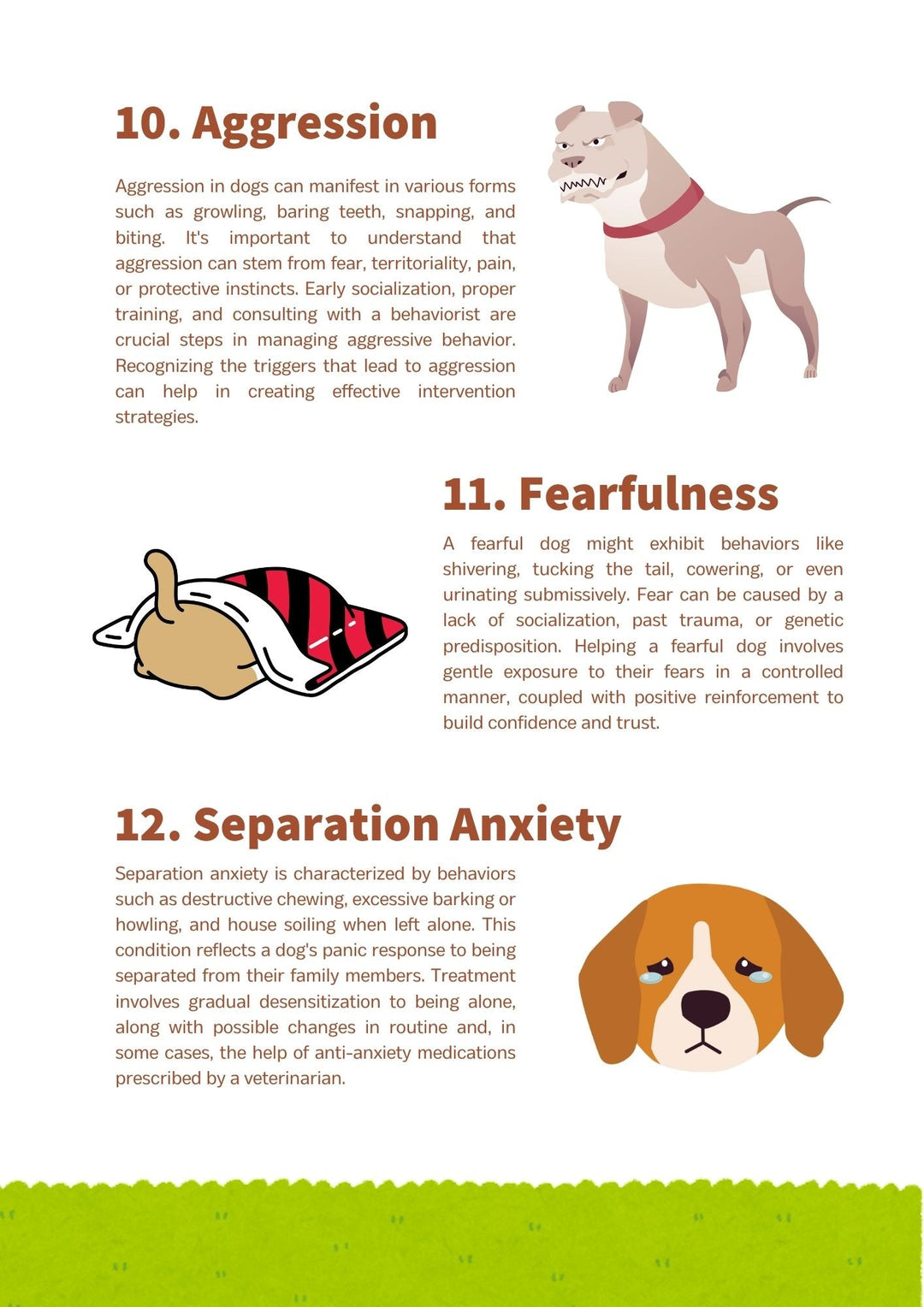
Barking after you leave is often a sign of stress, not stubbornness. Your dog may feel afraid, bored, frustrated, or unsure when the normal routine changes.


Some dogs bark for a few minutes and then settle. Others bark for most of the time they are alone. These cases need different plans, so start by finding the likely cause.
• Separation anxiety: Your dog feels panic when separated from you.
• Alert barking: Sounds from people, cars, or other dogs trigger your dog.
• Boredom: Your dog has little to do after you leave.
• Excess energy: Your dog needs more physical or mental activity.
• Learned behavior: Barking may have helped your dog get attention in the past.
• Fear: Your dog may fear being alone, outdoor sounds, darkness, or confinement.
• Poor timing: A sudden change in work hours can make alone time harder.
A camera can help you see what happens after the door closes. Watch for pacing, drooling, scratching, whining, destruction, or repeated trips to the door. These signs may point to separation distress rather than simple noise.


First, Find Out Whether Your Dog Has Separation Anxiety
Separation anxiety is a strong fear response linked to being away from a trusted person. It is more serious than normal protest barking and often needs a careful behavior plan.
A dog with separation anxiety may show signs before you even leave. For example, your dog may follow you from room to room, watch your keys, tremble when you put on shoes, or rush toward the door.
After you leave, look for:
• Barking, howling, or whining that starts within minutes
• Scratching doors or windows
• Chewing door frames or personal items
• Urinating or defecating despite being house-trained
• Drooling, panting, shaking, or frantic pacing
• Attempts to escape a crate, room, or yard
A phone or pet camera recording can reveal these patterns. If your dog stays upset for a long time, do not assume the problem will fade on its own. Severe fear can become stronger with repeated panic.
A veterinarian can check for pain, illness, hearing changes, or other problems that may increase vocal behavior. A veterinary behaviorist or qualified positive-reinforcement trainer can then help build a safer plan.
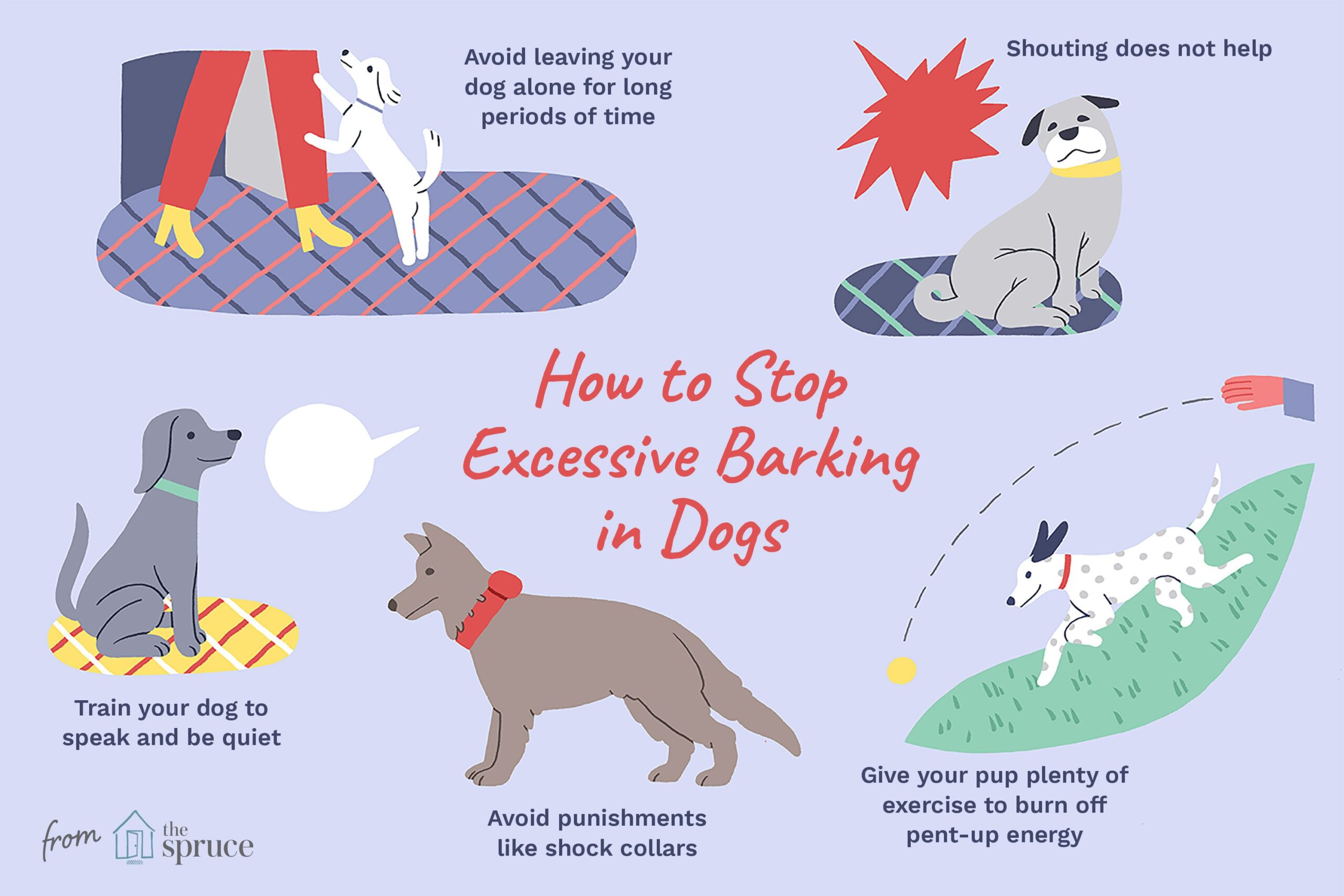
How to Stop My Dog From Barking When I Leave: A Step-by-Step Plan
The best answer to how to stop my dog from barking when I leave is gradual training. Your dog must learn that your departure is safe and temporary.
Do not begin with a full workday if your dog panics after 30 seconds. Start below your dog’s stress limit. This limit is the longest period your dog can stay calm.
1. Record your dog’s starting point
Use a camera to learn when barking begins. If your dog barks after 20 seconds, begin with absences of only 5 to 10 seconds.


Write down:
• How long your dog stays calm
• What signs appear before barking
• Which sounds or actions trigger stress
• How quickly your dog settles after you return
This gives you a clear starting point. Guessing often leads owners to move too fast.
2. Practice departure cues
Dogs often learn that keys, shoes, coats, and bags predict a long absence. You can make these cues less powerful.
Try this several times each day:
-
Pick up your keys.
-
Put on your coat.
-
Walk to the door.
-
Sit down and read or watch television.
-
Repeat until your dog stays relaxed.
Do not leave during every practice session. The goal is to break the link between these cues and a scary event.
3. Use tiny absences
Walk outside for one or two seconds, then return before your dog becomes tense. Wait a short time, then repeat.


Increase the time in small steps:
• Two seconds
• Five seconds
• Ten seconds
• Fifteen seconds
• Thirty seconds
• One minute
Only increase the time when your dog remains calm during several trials. If barking starts, return to the last easy step. This is not failure. It is useful information.
4. Reward calm behavior
Give a quiet reward when your dog settles on a mat, bed, or open crate. You can use a small treat, calm praise, or access to a safe chew.
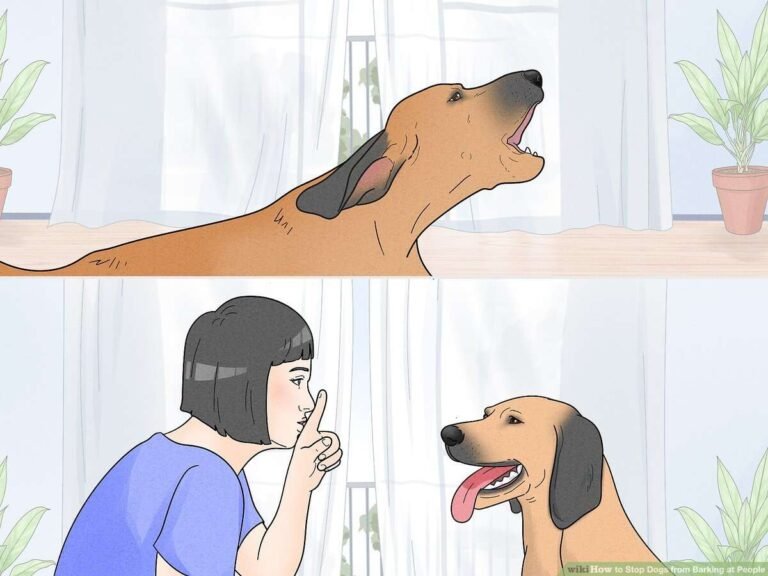
Reward the behavior you want to see. If your dog is barking at the door, wait for a brief pause before giving attention. Do not yell, because your dog may hear your raised voice as more barking.
5. Keep departures boring
Long goodbyes can increase excitement and worry. Use a calm phrase, leave without drama, and avoid repeated returns to say goodbye.
This does not mean you should ignore your dog all day. It means the moment of departure should feel normal, like walking to another room.
6. Practice returns without creating a party
When you come home, stay calm for a minute or two. Put down your items, breathe, and wait for your dog to settle before offering excited attention.
A calm return teaches your dog that coming and going are ordinary events. You can still greet your dog with affection once the first burst of excitement fades.
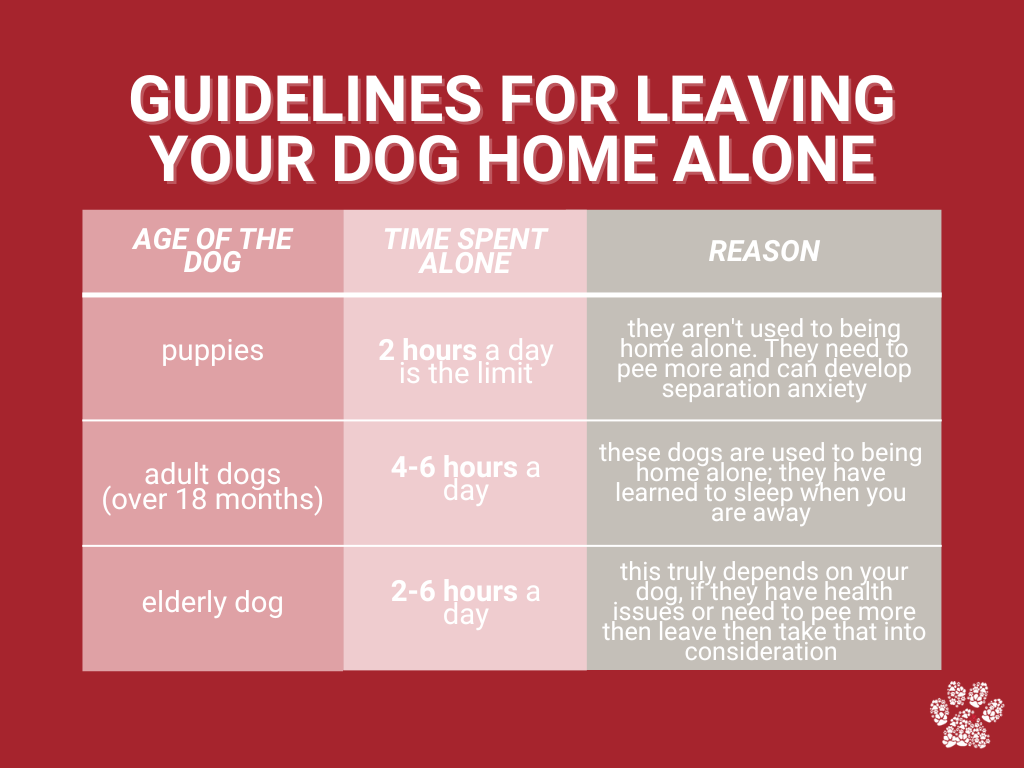
Build a Better Pre-Departure Routine
A good routine can lower your dog’s stress before you leave. Think of it as filling your dog’s emotional cup before a quiet period.
Try to provide:
• A sniff walk instead of only a fast bathroom break
• A short training session using treats
• A food puzzle or frozen enrichment toy
• Time to drink water and relax
• A comfortable rest area away from loud sounds
Sniffing is useful because it allows dogs to explore and process their surroundings. A slow walk may help more than a rushed mile around the block.
Do not exercise your dog until exhaustion as your only solution. A tired dog may still panic when alone. Physical activity supports behavior training, but it does not replace it.
Give high-value food toys only when you are present at first. Watch your dog use them to make sure they cannot break off or swallow unsafe parts. Remove any item that becomes a choking risk.

Create a Safe and Quiet Space
Your dog’s environment can make alone time easier. Choose a room where your dog already rests and feels secure.
Helpful changes may include:
• Closing blinds if outside movement causes barking
• Using white noise or soft music to cover hallway sounds
• Moving your dog’s bed away from windows
• Offering a safe chew or food puzzle
• Keeping the room cool and well ventilated
• Removing items your dog may chew or swallow
Some dogs relax in a crate, but a crate is not right for every dog. If your dog pants, drools, bites the bars, or tries to escape, the crate may increase panic. Use a larger safe area instead and seek professional guidance.
A comfortable space should never become punishment. Your dog should build positive associations with it while you are home.
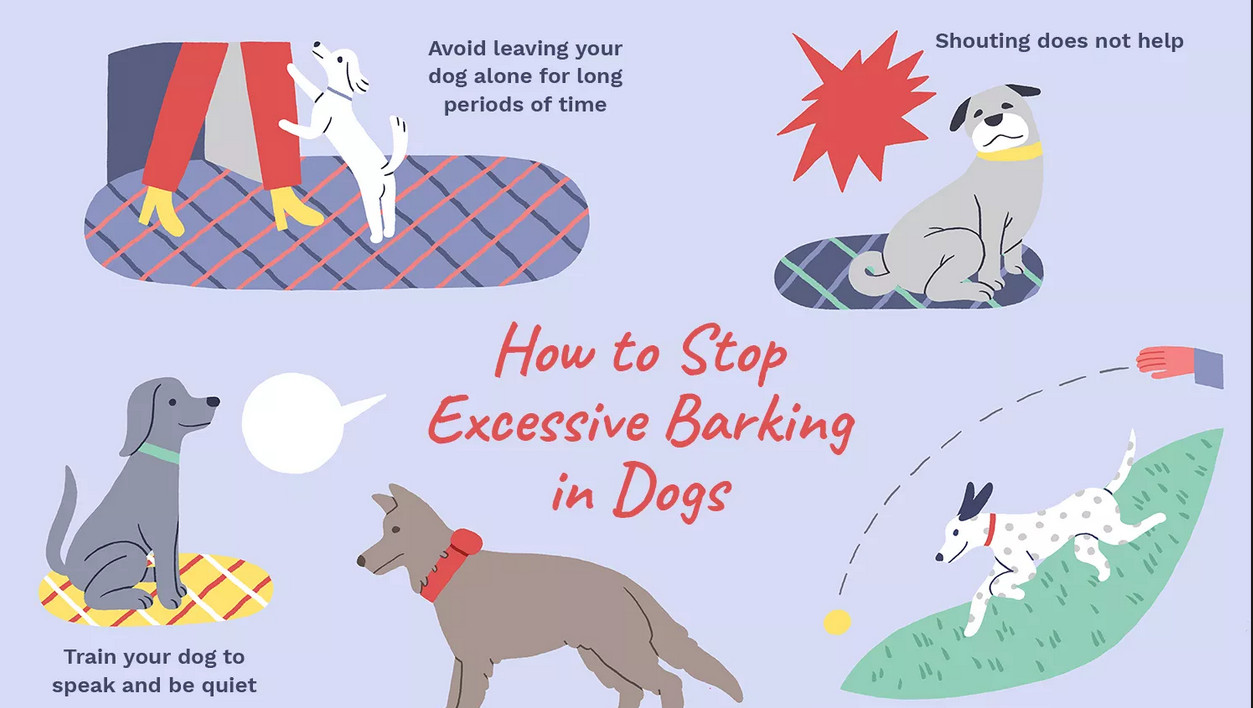
Use Positive Reinforcement, Not Punishment
Punishing barking after you return does not teach your dog what to do instead. Your dog may not connect the punishment with barking that happened 30 minutes earlier.
Harsh methods can also increase fear. Shock collars, spray collars, yelling, and banging on a crate may stop sound for a moment, but they can make the underlying emotion worse.
Reward-based training works by changing the dog’s emotional response. Your dog learns that quiet behavior, resting, and brief separation predict good things.
Useful rewards include:
• Tiny pieces of cooked chicken
• Soft training treats
• A favorite food toy
• Calm praise
• Access to a sniffing game
Keep rewards small and safe. If your dog is too upset to eat, the training step is too hard. Fear can reduce appetite, so make the absence shorter.
What to Do If You Need to Leave for Work
Training may take days or weeks, but your dog may need care before the behavior improves. Long periods of panic can slow progress.
Temporary support may include:
• A trusted pet sitter
• A dog walker
• Daycare, if your dog enjoys group settings
• A friend or family member
• Taking your dog to work when possible
• Splitting the day with a midday visit
Choose care based on your dog’s personality. A shy dog may prefer a quiet sitter at home. A social dog may enjoy daycare, but daycare is not a cure for separation anxiety.
If your dog barks mainly at outdoor sounds, a sitter may not solve the full problem. You still need to reduce triggers and teach calm behavior.
How Long Does It Take to Stop the Barking?
The timeline depends on the cause, the dog’s history, and how often your dog panics. Mild boredom barking may improve within a few weeks after changes to exercise and enrichment.
Separation anxiety often takes longer. Some dogs improve in several weeks, while others need months of careful work. Progress is rarely perfectly straight.
Track small wins, such as:
• Your dog stays calm while you pick up your keys
• Your dog rests when you walk to the door
• Your dog remains quiet for one extra minute
• Your dog settles faster after you return
Avoid testing your dog with a long absence too soon. One major panic episode can make the next training session harder. Slow progress is still progress.
Common Mistakes That Keep Dogs Barking
Many caring owners accidentally reward barking or move through training too fast. These mistakes are easy to make because barking can feel urgent.
Avoid these common problems:
• Leaving for hours before your dog can handle minutes
• Returning only after loud barking every time
• Yelling from outside or through the door
• Using a crate without checking whether your dog feels safe
• Giving a new toy without testing its safety
• Changing the plan every day
• Expecting exercise alone to fix fear
• Ignoring sudden changes in behavior
Consistency matters more than perfection. If one day includes a calm 30-second practice and the next includes a six-hour absence, your dog may struggle to understand the pattern.
When to Contact a Veterinarian or Behavior Professional
Contact your veterinarian if the barking starts suddenly or comes with other changes. Pain, cognitive decline, hearing loss, and illness can affect behavior.
Ask for professional help if your dog:
• Injures the mouth, paws, or teeth while escaping
• Cannot stay calm for even a few seconds
• Has severe destruction or house-soiling
• Stops eating when alone
• Shows aggression linked to fear
• Becomes worse despite careful training
A veterinary behaviorist can assess medical and emotional factors. In some cases, medication may reduce severe anxiety enough for learning to begin. Medication should support behavior work, not replace it, and only a veterinarian should prescribe it.
Look for trainers who use reward-based methods and explain their plan clearly. Be cautious of anyone who promises a fast cure or relies on fear and pain.
A Simple Seven-Day Practice Example
This example is only a starting point. Your dog may need shorter steps or more time.
Day one
Practice keys, shoes, and coat cues without leaving. Reward relaxed behavior.
Day two
Walk to the door and touch the handle. Return to your dog before stress appears.
Day three
Open the door, step out for one or two seconds, and return calmly.
Day four
Repeat short absences. Add time only if your dog stays relaxed.
Day five
Use a safe food toy during a brief departure. Watch through a camera.
Day six
Practice several absences at different times. Keep each one below your dog’s stress limit.
Day seven
Review the recordings and note progress. Do not increase time if barking or panic appeared.
The goal is not to complete a fixed schedule. The goal is to help your dog feel safe. Your dog sets the pace.
Frequently Asked Questions About How to Stop My Dog From Barking When I Leave
Why does my dog bark only when I leave?
Your dog may feel separation distress, boredom, fear, or frustration when you are gone. A camera can show whether the barking begins at once or follows outside sounds and other triggers.
Should I ignore my dog’s barking when I leave?
Do not use ignoring as the only plan if your dog is panicking. Teach calm alone time with very short departures, and avoid leaving your dog alone longer than it can handle.
Will getting another dog stop the barking?
A second dog may provide company, but it does not reliably fix separation anxiety. It can also pass stress from one dog to the other, so consider the decision carefully.
Is a crate good for a dog that barks when left alone?
A crate can help a dog that already feels safe and relaxed in it. It may worsen fear in a dog that pants, drools, bites the bars, or tries to escape.
Can exercise stop my dog from barking when I leave?
Exercise can reduce extra energy and support calm behavior, especially when paired with sniffing and training. It may not resolve fear-based barking by itself.
Should I use a bark collar?
Bark collars may suppress sound without treating the reason for barking. Fear-based tools can increase anxiety, so reward-based training and professional guidance are safer choices.
How can I stop my dog from barking when I leave for work?
Begin with short practice departures and use a sitter, walker, or family member to prevent long panic episodes. A camera, enrichment, and a gradual plan can help you adjust the routine.
Conclusion
Learning how to stop my dog from barking when I leave starts with understanding the cause. Use a camera, practice very short absences, reward calm behavior, and create a safe space. Avoid yelling and punishment, since these methods can increase fear and confusion.
If your dog shows panic, injury, destruction, or house-soiling, contact a veterinarian or qualified behavior professional. Start with one small departure today, track the result, and build from there. For more practical dog training guidance, explore related resources and share what has helped your dog.

Pet Care Writer & Researcher
Daniel writes practical guides on daily care, feeding, and safety, turning complex topics into simple, actionable advice.





One Comment