Do Shock Collars Work For Barking: Effectiveness & Safety
Do shock collars work for barking? Learn how effective they are, potential risks, and humane alternatives for managing excessive dog barking.
Shock collars may stop barking for a while, but they can cause fear and often fail to fix the real cause.
The answer to “do shock collars work for barking” is more complex than a simple yes or no. These collars may reduce noise by adding an unpleasant response, but they do not teach a dog what to do instead. As a trainer, I have seen that the best results come from finding the reason for the barking, changing the trigger, and rewarding calm behavior. This guide explains how bark collars work, their risks, safer options, and when professional help is needed.
Do shock collars work for barking?
Yes, a shock collar can reduce barking in some dogs. It may detect the dog’s bark through sound or throat movement and deliver a vibration, tone, or electric shock. The dog may then pause or stop barking.
However, “do shock collars work for barking” is not the same as “do shock collars solve barking.” A collar may stop the sound without addressing fear, boredom, pain, stress, or territorial behavior. The dog can remain upset while simply becoming quieter.
Think of it like covering a warning light on a car dashboard. The light disappears, but the engine problem remains.
Research and animal behavior groups have raised concerns about punishment-based tools. Electric shocks can cause fear, stress, and confusion, especially when the dog does not understand why the correction happened. Some dogs also learn to fear the yard, visitors, other dogs, or the person holding the remote.
A shock collar may appear effective at first. Yet long-term success depends on whether the dog learns a calm and useful replacement behavior.
How bark shock collars work
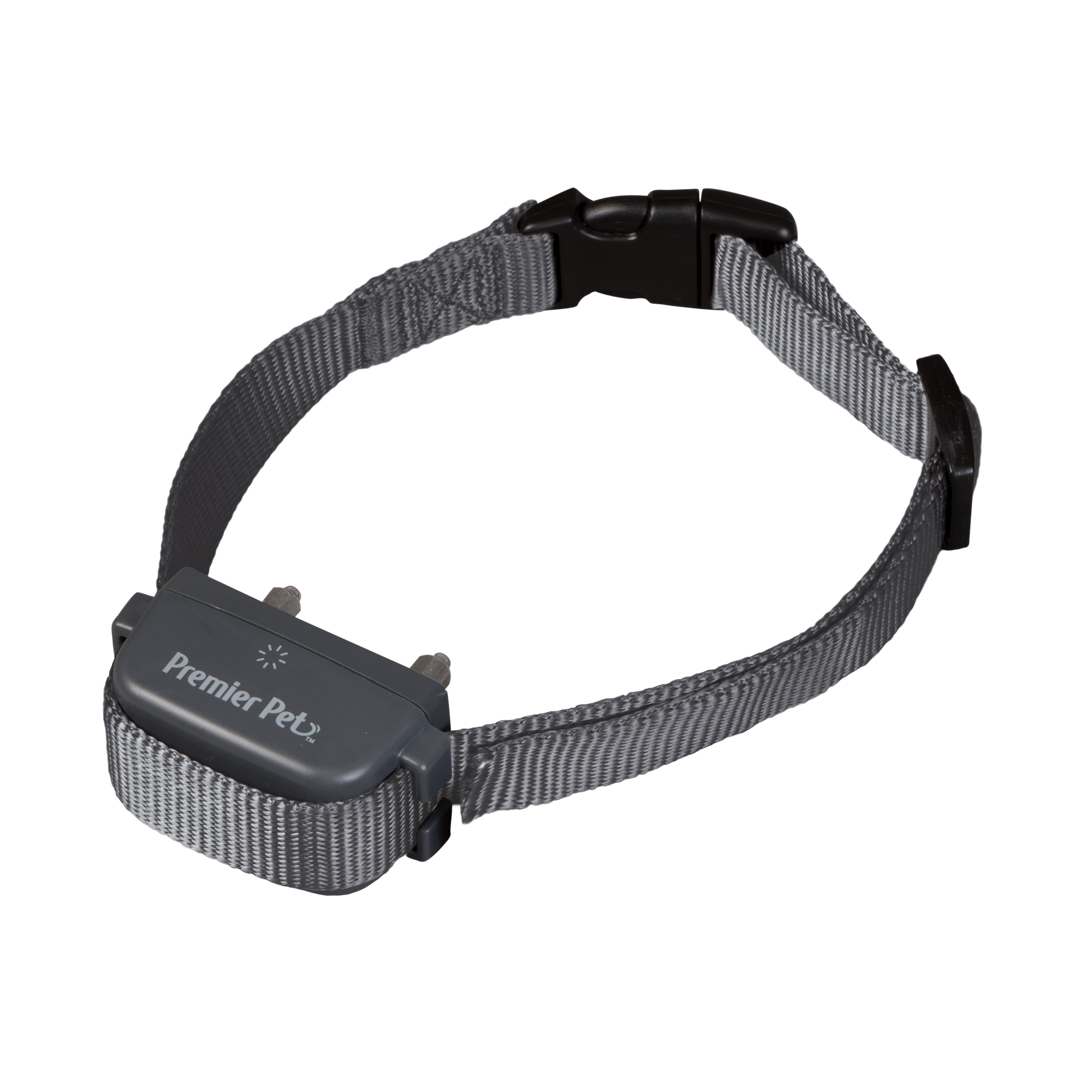
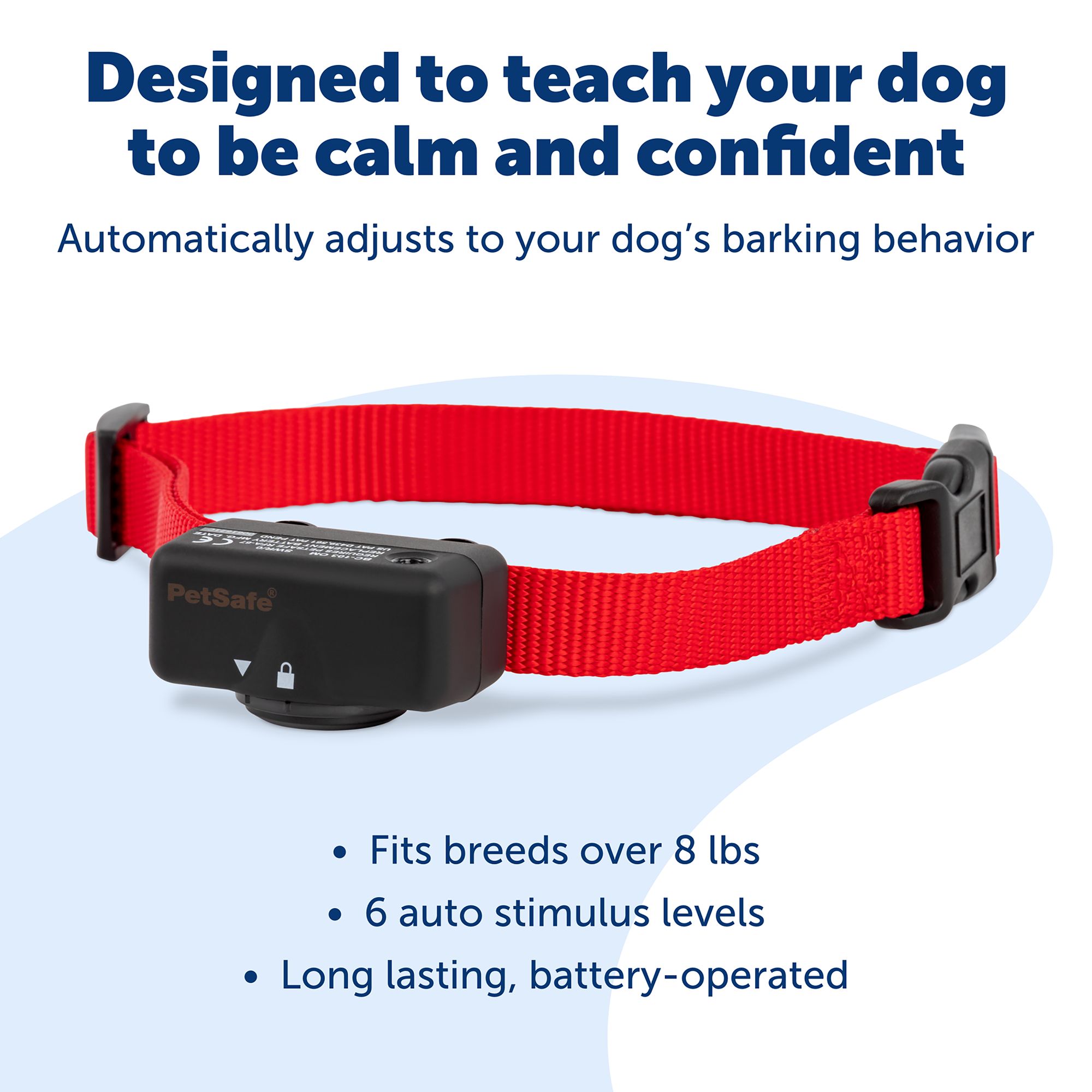
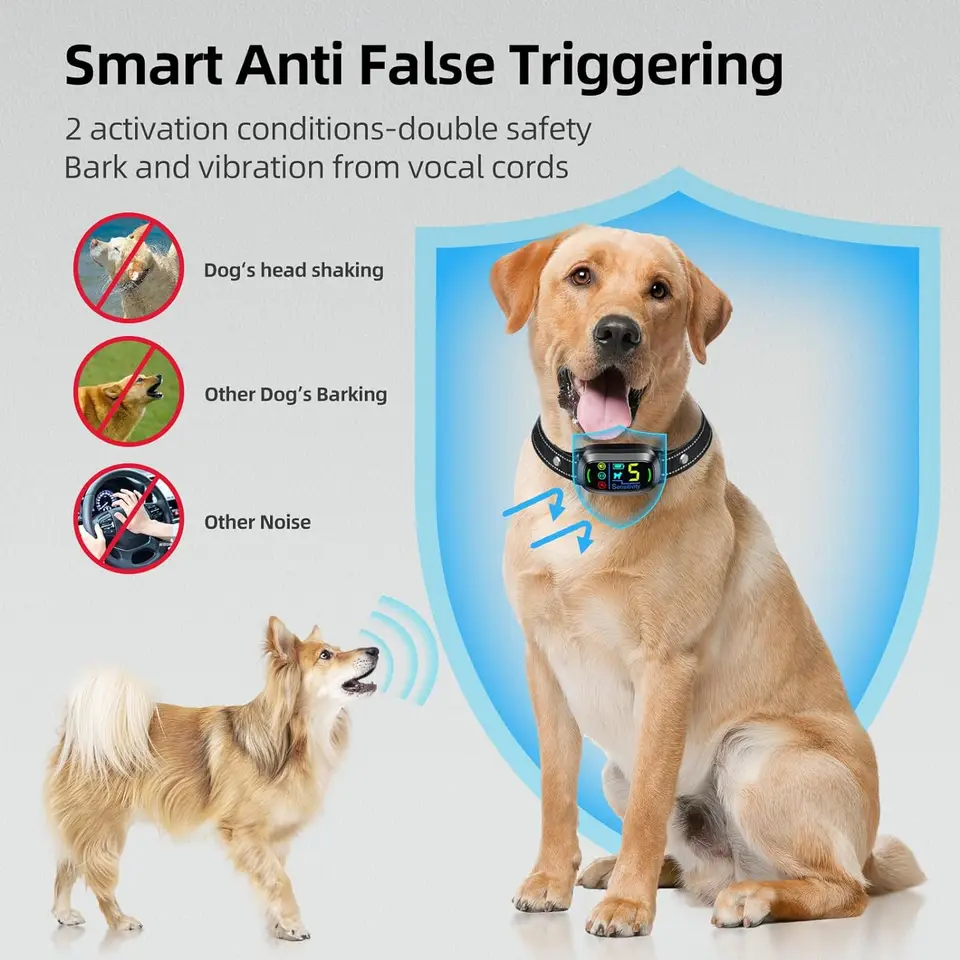
Bark collars use sensors to identify barking. Most models rely on one or more of these methods:
• Sound detection: A microphone hears the dog’s bark.
• Vibration detection: A sensor notices movement in the dog’s throat.
• Dual detection: The collar uses both sound and vibration to reduce false signals.
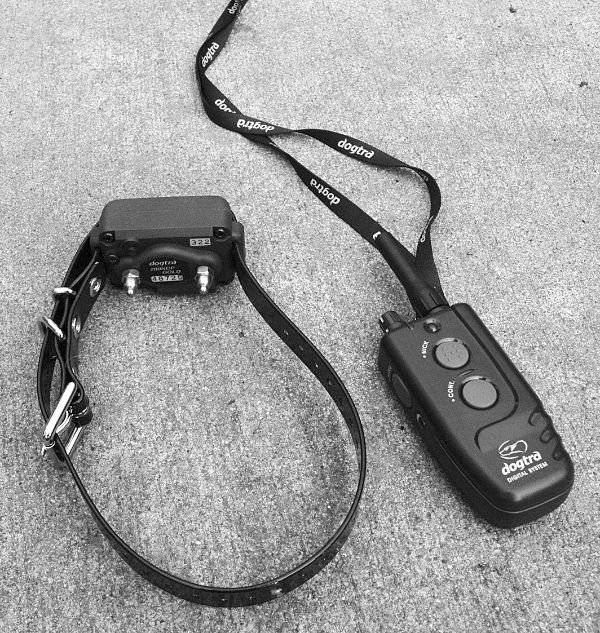
When the collar detects barking, it may deliver a warning tone, vibration, static stimulation, or a rising level of correction. Some products start with a beep and increase the setting if barking continues.
The word “shock” can be misleading. Many products describe the sensation as static stimulation. Still, the stimulation is unpleasant by design, and sensitive dogs may experience it as frightening or painful.
Some collars are marketed as automatic bark control devices. Others are remote training collars that let a person press a button. Remote collars can be more risky when used without timing, skill, and careful instruction.
A collar can also react to the wrong sound. A nearby dog, loud truck, or another pet may trigger it. Poor fit can make the sensor unreliable, while a tight fit can irritate the skin.
Why dogs bark in the first place
Barking is normal dog communication. It can signal excitement, fear, pain, frustration, alertness, or a desire for attention. Before asking “do shock collars work for barking,” identify the message behind the sound.
Common causes include:
• Alarm barking: The dog reacts to people, animals, cars, or sounds.
• Territorial barking: The dog tries to protect a home, yard, or family.
• Fear barking: The dog feels unsafe and wants distance.
• Attention barking: The dog has learned that noise brings food, play, or contact.
• Boredom barking: The dog lacks exercise, play, or mental work.
• Separation distress: The dog vocalizes when left alone.
• Frustration barking: The dog cannot reach a person, dog, toy, or outdoor area.
• Pain or illness: A sudden change in barking may signal a health problem.
The same bark can have different meanings. A dog barking at a mail carrier may need window management and a calm visitor routine. A dog barking alone for hours may need a separation anxiety plan, not a bark collar.
Punishing fear can make fear stronger. A dog may stop barking but begin pacing, hiding, lunging, chewing, or snapping. That is why behavior assessment should come before any correction tool.
Possible benefits and limits of shock collars
Some owners report that bark shock collars reduce barking quickly. This can happen when the collar interrupts a mild habit and the dog is not highly fearful. A low-level warning may also work for some dogs before stronger stimulation is used.
Still, these possible benefits have limits:
• The effect may last only while the collar is on.
• The dog may bark when the collar is removed.
• The collar does not teach a replacement behavior.
• The device may increase stress or fear.
• It may suppress warning signs before aggressive behavior.
• It can affect the bond between the dog and the owner.
• Automatic collars may respond to another dog’s bark.
• The dog may become less willing to explore or relax outdoors.
In my experience reviewing barking cases, a quick reduction often made owners feel hopeful. But when the collar came off, the barking returned. The turning point usually came from simple changes: blocking the window, adding sniff walks, teaching “quiet,” and rewarding the dog before the bark became intense.
This is an important lesson. A quiet dog is not always a calm dog.
Risks of using a shock collar for barking
The main concern is that a shock collar adds discomfort without giving the dog clear information. The dog may know that barking brings a correction, but it may not know how to handle the trigger.
Potential risks include:
• Increased fear and anxiety
• Stress-related behavior
• Confusion and poor timing
• Skin irritation or pressure sores
• Greater reactivity toward people or dogs
• Redirected aggression
• Reduced trust in the owner
• Association of pain with a nearby person, child, or animal
Timing matters greatly. If the collar activates when a dog sees a child, the dog may connect the unpleasant feeling with the child. Instead of learning “remain calm,” the dog may learn “children make bad things happen.”
Veterinary behavior experts and reward-based training groups generally advise using humane, reward-based methods. Several studies comparing training methods have found that aversive tools can be linked with more stress signals and poorer welfare outcomes. Evidence does not show that shock is needed for teaching reliable behavior.
Never use a shock collar on a dog with severe fear, aggression, separation anxiety, or a medical problem without guidance from a qualified veterinary behavior professional.
Safer ways to stop excessive barking
The most effective plan combines management, training, and daily care. Start by reducing chances to rehearse the barking.
1. Find and track the trigger
Write down what happens before each barking episode. Note the time, location, sound, distance, and your response.
Look for patterns such as:
• Barking at windows
• Barking when left alone
• Barking during walks
• Barking at night
• Barking when the doorbell rings
• Barking during play
A short video can help your veterinarian or trainer understand the behavior.
2. Reduce the trigger
Management is not a failure. It gives your dog fewer chances to practice the unwanted behavior.
Try:
• Closing curtains or using privacy film
• Moving furniture away from windows
• Using a quiet room during busy times
• Playing white noise
• Keeping the dog away from the front door
• Using a secure fence barrier
• Avoiding crowded routes during walks
If your dog barks at people outside, do not leave the dog alone in the yard for long periods. Every repeated barking session strengthens the habit.
3. Teach a replacement behavior
Teach a behavior that cannot happen easily while barking. “Go to your mat,” “look at me,” or “touch” are useful choices.
Use this simple process:
-
Say the cue in a calm voice.
-
Guide your dog to the mat or target.
-
Reward the moment your dog settles.
-
Add the trigger at a low intensity.
-
Reward calm behavior before barking starts.
-
Slowly increase the challenge.
Use small, tasty treats at first. Later, add praise, toys, or access to the yard. The reward must matter to your dog.
4. Reward quiet moments
Do not wait for a long silence. Start with one or two seconds of quiet, then reward. Gradually build the time.
You can also teach “quiet” by saying the word when the dog pauses. Avoid yelling. Many dogs hear yelling as more barking from you, which can increase excitement.
5. Improve exercise and mental work
Physical exercise helps, but mental work matters too. A tired brain often settles better than a body that simply ran around the yard.
Useful activities include:
• Sniff walks
• Food puzzles
• Basic obedience games
• Scatter feeding
• Scent searches
• Chew items
• Short trick-training sessions
Do not use exercise as the only treatment for separation anxiety or fear. Those issues need a focused plan.
Are vibration and beep collars safer?
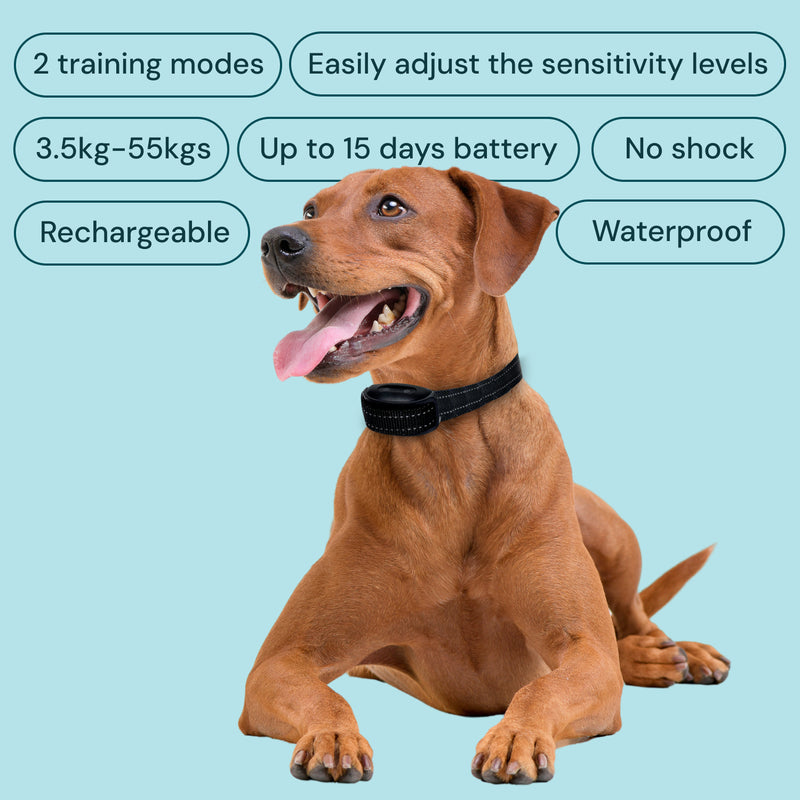
Vibration and beep collars do not deliver electric stimulation, but they are not automatically harmless. A strong vibration may frighten a sensitive dog. A beep may become an unpleasant warning if it is repeatedly paired with punishment.
A vibration collar can also distract a dog without teaching a useful response. If you use one, pair the signal with a trained behavior and a reward. For example, teach the dog that a gentle vibration means “look at me,” then reward eye contact.
Avoid using any collar that causes distress, freezing, trembling, escape attempts, or sudden aggression. Stop if your dog shows these signs.
A flat collar, harness, leash, treats, and careful training are often enough for barking work. For many dogs, management is safer and more reliable than an electronic device.
When to contact a veterinarian or trainer
Get veterinary advice if barking starts suddenly, becomes intense, or appears with other changes. Pain, hearing loss, cognitive decline, thyroid problems, and neurological conditions can affect vocal behavior.
Ask for help if your dog:
• Barks for long periods when alone
• Shows panic, drooling, pacing, or destructive behavior
• Lunges or snaps while barking
• Cannot take treats near the trigger
• Seems fearful of the collar
• Has bitten someone or another animal
Choose a certified, reward-based professional. Look for credentials such as Certified Professional Dog Trainer or a veterinary behavior specialist. Ask what tools the trainer uses and whether they explain the reason for the behavior.
Be cautious with anyone who promises a fast fix or says every dog needs a high setting. Good training should make the dog safer, calmer, and more able to cope.

A practical seven-day barking plan
A short plan can help you begin without overwhelming your dog.
Days one and two: Observe
Record the triggers, distance, time, and intensity. Prevent as much barking practice as possible.
Days three and four: Manage
Block visual triggers, add background sound, and increase calm exercise. Prepare treats in areas where barking often starts.
Days five and six: Train
Practice “look,” “touch,” or “go to mat” without distractions. Then add a mild trigger at a safe distance.
Day seven: Review
Ask whether barking is less frequent, shorter, or easier to interrupt. If your dog is more worried, increase distance and seek professional help.
Progress is not always a straight line. A storm, guest, illness, or stressful event can cause a setback. Treat setbacks as information, not failure.
What the research and expert guidance suggest
Current animal welfare guidance generally favors reward-based training over aversive methods. Professional veterinary behavior organizations warn that shock-based training can create fear, stress, and unintended associations.
Controlled studies have also found that reward-based training can produce reliable obedience with fewer signs of stress than training based on electronic stimulation or other aversive methods. The exact outcome can vary by dog, trainer skill, device, and situation, so no single study answers every case.
The strongest practical takeaway is clear: barking improves when the dog learns a safe response and the owner changes the environment. A device may interrupt behavior, but learning creates lasting change.
Frequently Asked Questions About Do Shock Collars Work for Barking
Do shock collars stop dogs from barking?
They can stop or reduce barking for some dogs, especially while the collar is active. They may not address the reason for barking and can increase fear or stress.
Are shock collars safe for barking?
Shock collars can cause physical discomfort and emotional stress. They may also create fear of people, places, sounds, or other animals linked with the correction.
What is the best alternative to a shock collar for barking?
Start with trigger management, reward-based training, and enough exercise and mental activity. A veterinarian or qualified trainer can help when barking involves fear, aggression, or separation distress.
Will a shock collar stop separation anxiety barking?
It is unlikely to treat the underlying anxiety and may make panic worse. Separation-related barking needs gradual alone-time training and, in some cases, veterinary behavior care.
Can a bark collar hurt a dog?
Electric stimulation can hurt or frighten a dog, and a poorly fitted collar can irritate the skin. Vibration and beep collars can also cause distress in sensitive dogs.
How long does it take to stop excessive barking?
The time varies by cause, age, history, and training consistency. Mild alert barking may improve in days or weeks, while fear, aggression, and separation problems often require longer professional treatment.
Should I use a bark collar on a puppy?
Avoid using a shock collar on a puppy. Young dogs need clear, reward-based teaching and careful socialization, and punishment can harm confidence during development.
Conclusion
So, do shock collars work for barking? They may suppress barking, but suppression is not the same as learning. The risks are higher when barking comes from fear, pain, frustration, aggression, or separation distress.
Start by finding the trigger, preventing repeated barking, and teaching a calm replacement behavior. Reward-based training may take patience, but it builds trust and gives your dog a skill that lasts beyond the collar. If barking feels difficult or unsafe, contact your veterinarian or a qualified reward-based trainer, and share your experience or questions in the comments.