Why Is My Dog Barking At Nothing: Causes And Fixes
Learn why is my dog barking at nothing, what it means, and simple steps to calm them. Expert tips to stop nighttime and anxious barking – read now.
Dogs often bark at nothing because they hear, sense, or react to things we cannot.
I’ve worked with dogs and owners for years, and I know how worrying it can be to ask, why is my dog barking at nothing. This article explains the likely causes, simple checks, training steps, and when to consult a pro. Read on for clear, practical advice you can try today.
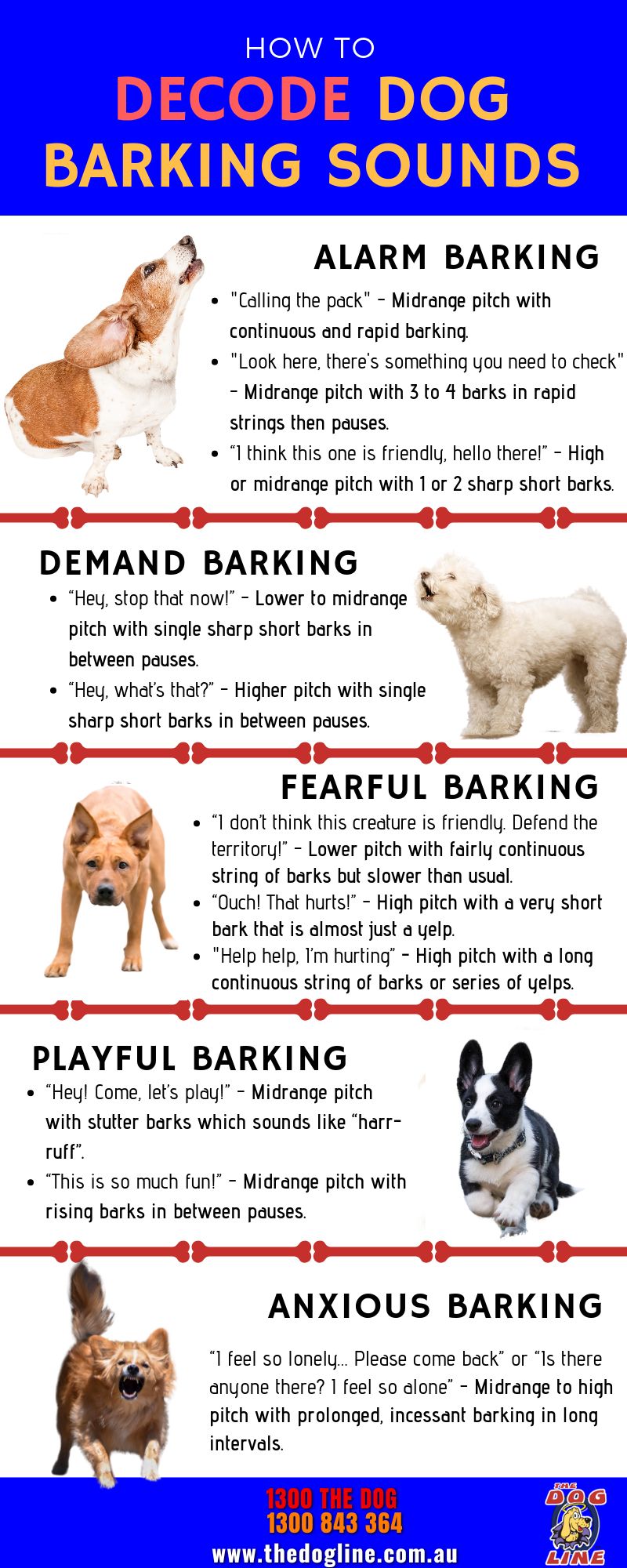
Common reasons dogs bark at nothing
Dogs use barking to communicate. What looks like “nothing” to us can be loud, close, or meaningful to a dog. When you wonder why is my dog barking at nothing, think about sounds, smells, sightlines, and feelings your dog has that you don’t.
- Acute hearing: Dogs hear higher and farther than humans and can detect distant noises.
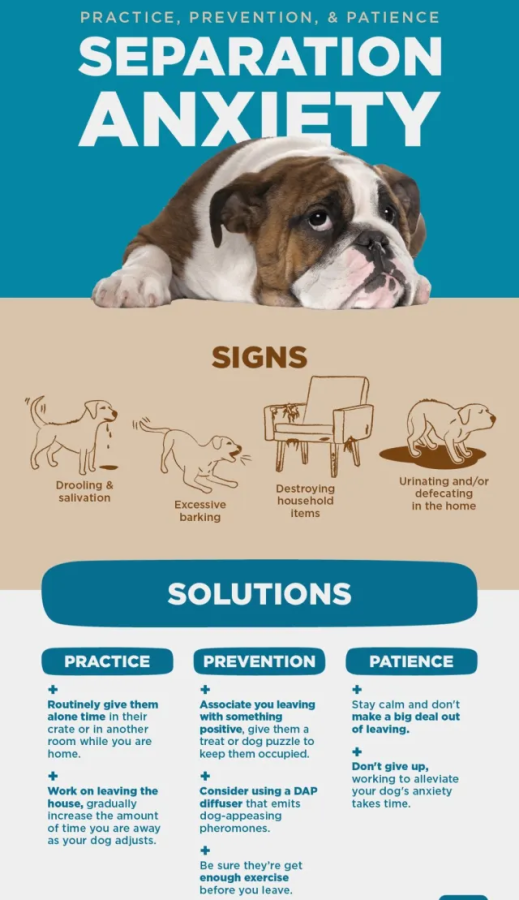
- Anxiety and fear: Stress can trigger repeated barking even without clear triggers.
- Boredom and attention-seeking: A lonely dog may bark to get you to act.
- Medical causes: Pain, cognitive decline, or sensory changes can cause unexplained barking.
Each cause needs a different approach. Below I break these down and give steps you can try.
How to tell if barking is normal or a red flag
Not all barking is a problem. Dogs bark to warn, greet, play, and express need. But persistent, intense, or new barking that interferes with life may be a sign of a deeper issue. If you ask, why is my dog barking at nothing, use these checks.
- Frequency and timing: Note when the barking happens. Nighttime or constant daytime barking is more concerning.
- Body language: Look for signs of stress like pacing, lip licking, or tucked tail.
- Change in behavior: New-onset barking in an older dog can point to health or cognitive problems.
- Context: Does the barking follow a trigger you miss? Or is it truly spontaneous?
Record short videos of the barking. Videos help trainers and vets understand what triggers the behavior and whether the bark is reactive or compulsive.

Behavioral reasons behind barking at nothing
Behavioral causes are the most common answers to why is my dog barking at nothing. These are patterns or learned reactions you can often change with training.
- Attention-seeking
- Dogs learn that barking gets responses. If you consistently respond, the behavior can persist.
- Fear and reactivity
- Sudden or distant noises may create a startle response. Over time the dog may bark at vague cues.
- Territorial behavior
- Dogs may guard space and bark at perceived intrusions, even subtle ones humans miss.
- Compulsive or repetitive behavior
- Some dogs develop barking patterns that seem purposeless. These need behavior-focused plans.
Training approaches that work include consistent ignoring when appropriate, reward-based redirection, and building calm through exercise and enrichment.

Medical and sensory causes
Sometimes the answer to why is my dog barking at nothing is medical. Always rule out health issues before assuming it’s just behavior.
- Hearing loss and confusion
- Older dogs losing hearing may bark more because they startle or can’t orient themselves.
- Pain or discomfort
- Dental pain, arthritis, or internal problems can cause vocalization.
- Cognitive dysfunction
- Senior dogs with cognitive decline may bark at empty space or at times for no clear reason.
- Thyroid and neurological issues
- Hormone imbalances or seizures can alter vocal behavior.
If the barking is new, sudden, or accompanied by other signs like appetite loss or changes in gait, see your veterinarian. A medical exam and basic tests can rule out serious causes.

Environmental and sensory triggers
A quiet room for us can be full of cues for dogs. When owners ask why is my dog barking at nothing, I first look at the environment.
- High-frequency noises
- Electronics, distant machinery, or animals outside can trigger barking.
- Smells and pheromones
- Dogs respond to scents that humans don’t notice. New smells can trigger alert behavior.
- Light and shadows
- Reflections or moving shadows can catch a dog’s attention and lead to barking.
- Home changes
- New furniture, neighbors, or construction noise can create a period of increased alerting.
Walk your home with your dog to see what he reacts to. Turn off devices and change rooms to test possible triggers.

When to seek professional help
Not all barking needs a vet or trainer, but some cases do. Knowing when to get help answers the urgent part of why is my dog barking at nothing.
- Sudden onset in an adult or senior dog
- Barking with physical signs like limping or shaking
- Barking that wakes the household nightly
- Safety concerns, such as aggression or risk of escape
Start with a vet check to rule out medical problems. If the vet clears medical causes, consult a certified trainer or a veterinary behaviorist for tailored plans.

Training and management strategies you can use now
Here are practical steps I have used with clients. They address multiple causes of why is my dog barking at nothing.
- Environmental control
- Close curtains, use white noise, and limit access to windows during triggers.
- Increase exercise and enrichment
- Daily walks, puzzle toys, and training sessions lower excess energy.
- Reward calm behavior
- Teach “quiet” by rewarding short periods of silence and increasing duration slowly.
- Desensitization and counter-conditioning
- Gradually expose your dog to faint versions of triggers while rewarding calm.
- Consistent response plan
- Decide as a family how to respond and stick to it to avoid mixed signals.
Practice each method in short, daily sessions. Small, steady changes beat sporadic, intense training.
My real-world experience and lessons
I’ve helped many owners who asked, why is my dog barking at nothing. One dog, an older terrier, barked at night for weeks. The owner thought it was phantom noises. A vet check showed early hearing loss and mild arthritis. With a pain plan, more daytime walks, and a white-noise machine, the barking dropped by 80 percent within a month.
Lessons I learned
- Always rule out health issues first.
- Small routine changes can make a big difference.
- Consistency beats intensity. Mixed signals confuse dogs.
- Video evidence speeds diagnosis and treatment.
These real cases taught me to combine veterinary checks with practical training. That combined approach often ends the question of why is my dog barking at nothing.

Quick troubleshooting checklist
If you want to act now, follow this short list to address why is my dog barking at nothing.
- Record the barking on video.
- Note time, duration, and context.
- Check for physical signs and visit the vet if needed.
- Increase exercise and mental challenges.
- Limit access to triggers and use white noise.
- Work with a trainer if barking persists or escalates.
Use the checklist for two weeks and track changes. Small data points help make the next step clear.
Frequently Asked Questions of why is my dog barking at nothing
Why does my dog bark at nothing at night?
Night barking often comes from anxiety, confusion, or hearing distant animals. A vet check and calming routine can help reduce night barking quickly.
Could my dog be in pain if he barks for no reason?
Yes. Pain can cause sudden or persistent barking. If your dog shows other signs like limping or loss of appetite, see your vet.
Is this a normal behavior for certain breeds?
Some breeds are more vocal and alert-prone. But even vocal breeds can develop problematic barking, so training and management still help.
Can training stop a dog barking at nothing?
Yes, many dogs improve with consistent training, enrichment, and environmental changes. Complex cases may need a behaviorist’s plan.
When should I worry and call a professional?
Contact a vet or behaviorist if barking starts suddenly, is intense, occurs with other symptoms, or disrupts daily life. Early help gives better results.
How long before I see progress with behavior changes?
You can see small wins in days and meaningful change in weeks. Lasting results often take consistent effort over months.
Conclusion
Unexplained barking is common but solvable. To answer why is my dog barking at nothing, start with a vet check, gather clear observations, and use consistent training and environmental fixes. Small steps like more exercise, enrichment, and predictable responses often cut barking fast. If the problem persists, get professional help so you and your dog can enjoy quieter, happier days together.
Try one change this week and track results. Share your experience or ask questions below to get tailored tips.

Pet Care Writer & Researcher
Daniel writes practical guides on daily care, feeding, and safety, turning complex topics into simple, actionable advice.