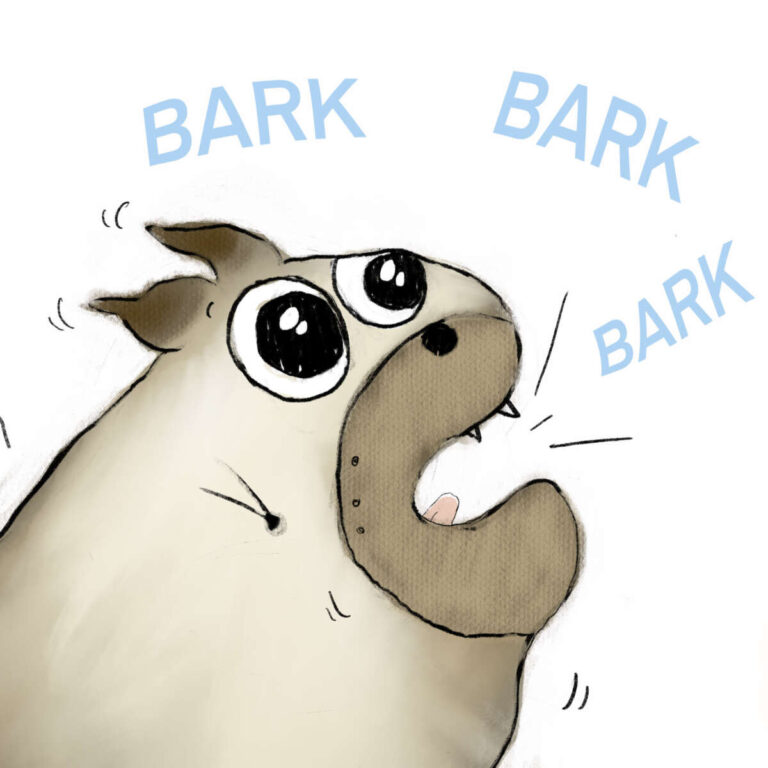
Why Does My Puppy Bark So Much: Causes And Solutions
Why does my puppy bark so much? Learn the common causes and gentle training tips to reduce excessive barking and build a calmer, happier pup.
Your puppy barks so much because barking is their main way to express needs, fear, excitement, boredom, or discomfort.
If you are asking, “why does my puppy bark so much?” you are not alone. Puppy barking can feel endless, but it usually has a clear cause. By learning to read the sound, timing, and setting, you can respond with calm training instead of guesswork.
Why Does My Puppy Bark So Much?
Puppies bark because they are still learning how to live in a human world. Barking is a natural form of communication. Your puppy may bark to ask for food, seek attention, greet someone, warn you, or release built-up energy.
Unlike adult dogs, puppies have limited impulse control. Their brains and bodies are still developing. A small sound outside may feel as important as a major event. This is one reason why does my puppy bark so much can have several answers at once.
Common reasons include:
• Attention seeking: Your puppy wants play, touch, food, or access to something.
• Excitement: Your puppy barks during greetings, play, walks, or meals.
• Fear or alarm: New people, loud sounds, cars, or strange objects may feel threatening.
• Boredom: A puppy with too little activity may bark to create something interesting.
• Frustration: Your puppy can see a toy, dog, or person but cannot reach it.
• Separation distress: Barking may begin when you leave or when your puppy feels alone.
• Physical needs: Hunger, thirst, the need to potty, heat, cold, or pain can trigger barking.
The goal is not to stop every bark. Barking is normal. The goal is to understand the message and teach your puppy better ways to cope.
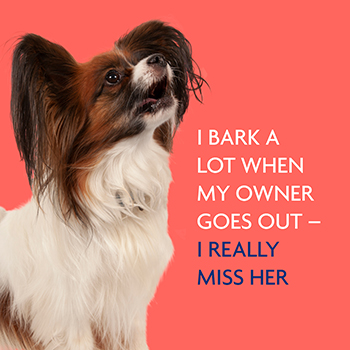
Puppy Barking Is a Form of Communication
Think of barking as your puppy’s text message. The sound alone does not tell the whole story. You also need to notice body language, timing, and what happens right before the bark.
A high, sharp bark may suggest excitement or a request. A low, repeated bark may signal concern. Whining, pacing, lip licking, hiding, or a stiff body may point to stress rather than simple attention seeking.
Watch for these clues:
• Loose body and wagging tail: Your puppy may feel playful or excited.
• Stiff body and fixed stare: Your puppy may feel worried or ready to react.
• Ears held back and lowered body: Fear or uncertainty may be present.
• Barking while looking at a toy or treat: Your puppy may feel frustrated or eager.
• Barking at the door with pacing: Your puppy may be alert, excited, or anxious.
Keeping a simple barking log can help. Write down the time, trigger, sound, body language, and what stopped the barking. After several days, patterns often become clear.
For example, you may discover that your puppy barks every day at 5 p.m. because that is when household activity rises and your puppy is tired. The answer may be a nap, not more play.
:strip_icc()/stop-your-dog-from-barking-3877988-v5-TT-350f8d51e1c24802bce9a0430dec82a8.jpg)
The Most Common Causes of Excessive Puppy Barking
Attention-Seeking Barking
Puppies quickly learn which behaviors get results. If barking leads to eye contact, talking, picking up, or opening a door, your puppy may repeat it.
Even saying “stop” can reward barking because your puppy receives attention. This does not mean you should ignore every sound. It means you should avoid rewarding demand barking while calmly meeting genuine needs.
Teach a replacement behavior. Ask for a sit or wait for one quiet second. Then reward the calm behavior with attention or a toy.
Excitement Barking
Many puppies bark when people come home, when the leash appears, or when dinner is prepared. Their excitement rises faster than their self-control.
Keep greetings calm. Ask visitors to wait until your puppy has four paws on the floor. During meals, place the bowl down only when your puppy is quiet for a brief moment.
Fear and Alarm Barking
Fear barking often sounds urgent. A puppy may bark at strangers, umbrellas, vacuum cleaners, traffic, or other dogs.
Do not force your puppy to approach the scary thing. That can increase fear. Instead, create distance and offer small treats while the trigger remains at a safe level.
This process is called desensitization and counterconditioning. It helps your puppy learn that a strange sight predicts something safe and pleasant.
Boredom Barking
Puppies need sleep, but they also need safe mental and physical activity. A bored puppy may bark at windows, chew furniture, or search for trouble.
Helpful activities include:
• Short sniff walks
• Food puzzles
• Simple training games
• Safe chew items
• Hide-and-seek with treats
• Brief play sessions
Mental work can tire a puppy more effectively than nonstop running. However, too much activity can also create an overtired puppy who barks and bites more.
Frustration Barking
A puppy may bark because a barrier blocks access to something interesting. This often happens at windows, fences, crates, or doors.
Frustration barking can become stronger when the puppy repeatedly practices it. Limit long periods at the window, use visual barriers, and reward your puppy for turning away from the trigger.
Separation-Related Barking
Some puppies bark when left alone because they feel distressed, not because they are being stubborn. Other signs may include scratching doors, drooling, pacing, accidents, or destruction near exits.
Begin with very short absences. Return before your puppy becomes highly upset, then slowly increase the time. If the distress is intense, contact a veterinarian or qualified behavior professional.

How to Tell What Your Puppy’s Bark Means
The question why does my puppy bark so much becomes easier when you study the pattern. Ask yourself four simple questions:
-
What happened just before the barking?
-
What does my puppy’s body look like?
-
What does my puppy seem to want?
-
What happens after the barking starts?
Here are a few examples:
• Barking at the food bowl: Your puppy may be hungry, excited, or frustrated.
• Barking in the crate: Your puppy may need to potty, feel lonely, or lack crate training.
• Barking at night: Your puppy may need a bathroom break or may not yet feel safe alone.
• Barking at visitors: Your puppy may be excited, fearful, or guarding the home.
• Barking during play: Your puppy may be overstimulated and need a short rest.
Timing matters. A puppy who barks after a long nap may need activity. A puppy who barks after a busy day may need sleep.

How to Stop Excessive Puppy Barking
Meet Basic Needs First
Before training, check the basics. A puppy cannot learn well while hungry, sick, exhausted, or desperate to go outside.
Use this quick check:
• Has your puppy had a recent potty break?
• Is fresh water available?
• Has your puppy eaten an age-appropriate meal?
• Has your puppy had safe exercise and play?
• Has your puppy had enough sleep?
• Could pain, illness, heat, cold, or itching be involved?
Puppies often sleep 16 to 20 hours a day, though needs vary by age, breed, and activity. An overtired puppy may act like a tired toddler and become louder, not quieter.
Reward Quiet Behavior
Do not wait for perfect silence. Start with one calm second.
-
Wait for a brief pause in barking.
-
Say “yes” or use a calm marker word.
-
Give a small treat.
-
Repeat several times.
-
Gradually ask for longer quiet periods.
If your puppy starts barking again, lower the difficulty. Training should feel achievable. You are building a habit, one small pause at a time.
Teach “Quiet” Carefully
First, allow one or two barks. Then place a treat near your puppy’s nose. Most puppies stop barking briefly to sniff. As soon as the mouth closes, say “quiet” and give the treat.
Practice in a calm setting before using the cue during a major trigger. Never yell “quiet” repeatedly. Your raised voice may sound like barking and can increase excitement.
Reward an Alternative Behavior
It is easier to teach what to do than to focus only on what not to do. Ask your puppy to sit, touch your hand, go to a mat, or look at you.
For example, if your puppy barks when someone knocks, teach this routine:
-
Hear the knock.
-
Look at you.
-
Walk to a mat.
-
Receive a treat.
-
Stay while the guest enters.
Start with a very soft knock. Add difficulty slowly.
Manage the Environment
Training works faster when your puppy has fewer chances to rehearse barking.
Try these steps:
• Close curtains during busy street hours.
• Use white noise near windows.
• Keep your puppy away from the front door during deliveries.
• Give a chew before predictable triggers.
• Use a baby gate to create calm areas.
• Keep greetings short and quiet.
Management is not failure. It is like placing training wheels on a bicycle. It prevents repeated mistakes while your puppy learns.

Crate Training and Puppy Barking
Crate barking often causes worry. A crate should be a safe resting space, not a place of punishment.
Before closing the crate, provide a potty break and a calm activity. Begin with the door open. Feed meals near or inside the crate, then close the door for a few seconds while you remain nearby.
Increase time in small steps. If your puppy panics, the session moved too fast.
Avoid releasing your puppy during demand barking when basic needs have been met. Wait for a short pause, then open the door calmly. However, do not leave a distressed puppy to panic for long periods. Fear can make crate training harder.
A veterinarian or certified behavior professional can help if barking includes frantic escape attempts, heavy drooling, self-injury, or extreme distress.

What Not to Do When Your Puppy Barks
Some popular responses can make barking worse.
• Do not yell: Your puppy may think you are joining the noise.
• Do not use shock or painful tools: These can increase fear and harm trust.
• Do not punish fear barking: Punishment may hide warning signs without fixing fear.
• Do not reward demand barking: Giving food or attention can strengthen the pattern.
• Do not expect instant results: Puppies need repeated, calm practice.
• Do not exercise endlessly: Too much stimulation can create an overtired puppy.
Veterinary behavior groups generally support reward-based training because it teaches useful behavior without adding fear. Physical punishment may stop a sound for a moment, but it does not explain what your puppy should do instead.

A Simple Daily Plan for a Quieter Puppy
Consistency matters more than long training sessions. Try this daily plan:
-
Start with a potty break and a calm sniff outside.
-
Practice name recognition, eye contact, and sit for three to five minutes.
-
Offer a food puzzle or safe chew.
-
Provide a quiet nap in a comfortable area.
-
Practice one barking trigger at a low level.
-
Reward calm behavior during normal household sounds.
-
End the day with a gentle routine and another potty break.
Use tiny treats. Your puppy should stay interested but not become wild with excitement. Keep sessions short and stop while your puppy is still successful.
In puppy coaching cases, one common mistake is doing too much too soon. People often wait until barking is intense, then ask for a perfect “quiet.” It works better to notice the first sign of calm and reward it right away.

When Puppy Barking May Signal a Health Problem
Sometimes the answer to why does my puppy bark so much is medical. Pain, digestive trouble, itching, ear problems, vision changes, or urinary issues can affect behavior.
Contact your veterinarian if barking begins suddenly or comes with:
• Loss of appetite
• Vomiting or diarrhea
• Coughing or breathing trouble
• Limping or sensitivity to touch
• Repeated scratching
• Trouble urinating
• Extreme tiredness
• Confusion or unusual vocalizing
Very young puppies can become ill quickly. Do not assume every behavior problem is a training problem.

When to Get Professional Help
Ask for help when barking is intense, worsening, or difficult to manage safely. Early support can prevent a small issue from becoming a long-term habit.
Choose a professional who uses reward-based methods. Look for credentials, clear training plans, and humane handling. A veterinarian can first check for medical causes and may refer you to a veterinary behaviorist.
Professional help is especially important when your puppy:
• Shows fear or aggression
• Bites during barking episodes
• Panics when alone
• Injures themselves in a crate
• Cannot settle after a trigger ends
• Has barking that disrupts sleep or neighbors
There is no shame in asking for support. Puppy behavior can be complex, and a good plan often brings relief to both you and your dog.
Frequently Asked Questions About Why Does My Puppy Bark So Much
Is it normal for puppies to bark a lot?
Yes, some barking is normal because puppies use it to communicate. Frequent barking still deserves attention when it disrupts sleep, appears linked to fear, or continues despite meeting your puppy’s needs.
Why does my puppy bark at nothing?
Your puppy may hear or smell something you cannot detect. Barking at “nothing” can also result from boredom, alertness, fear, or learned attention seeking.
Should I ignore my puppy when they bark?
Ignore demand barking only after checking for real needs such as potty breaks, hunger, pain, or fear. Reward quiet behavior and avoid giving attention during repeated barking whenever it is safe to do so.
How can I stop my puppy from barking at night?
Give your puppy a calm bedtime routine and a final potty break. Young puppies may still need nighttime bathroom trips, so increase alone time slowly instead of expecting immediate overnight silence.
Do bark collars work for puppies?
Bark collars may suppress sound without addressing fear, boredom, or frustration. For puppies, reward-based training and guidance from a veterinarian or qualified behavior professional are safer and more useful.
Why does my puppy bark at strangers?
Your puppy may be excited, uncertain, or afraid. Keep a safe distance, reward calm behavior, and avoid forcing greetings until your puppy feels more comfortable.
Conclusion
The answer to why does my puppy bark so much usually involves communication, emotion, habit, or an unmet need. Watch the trigger, read your puppy’s body language, meet basic needs, and reward calm alternatives.
Be patient with small improvements. A quiet pause today can become a calm response tomorrow. If barking is fearful, sudden, or extreme, involve your veterinarian or a reward-based behavior professional. Use these steps consistently, explore trusted puppy training resources, and share what has worked for you in the comments.

Pet Care Writer & Researcher
Daniel writes practical guides on daily care, feeding, and safety, turning complex topics into simple, actionable advice.