Why Do Dogs Like Donut Beds: Reasons Dogs Love Them
Why do dogs like donut beds? Learn how their cozy shape offers comfort, security, warmth, and better sleep for your furry friend.
Dogs like donut beds because their raised, round shape creates a warm, secure, calming nest for restful sleep.
If you have seen your dog circle, paw, and curl into a fluffy donut bed, you have witnessed normal comfort-seeking behavior. As a pet care writer who has studied canine sleep habits and bedding needs, I can explain why do dogs like donut beds, which dogs benefit most, and when another bed may be a better choice.
What Is a Donut Dog Bed?
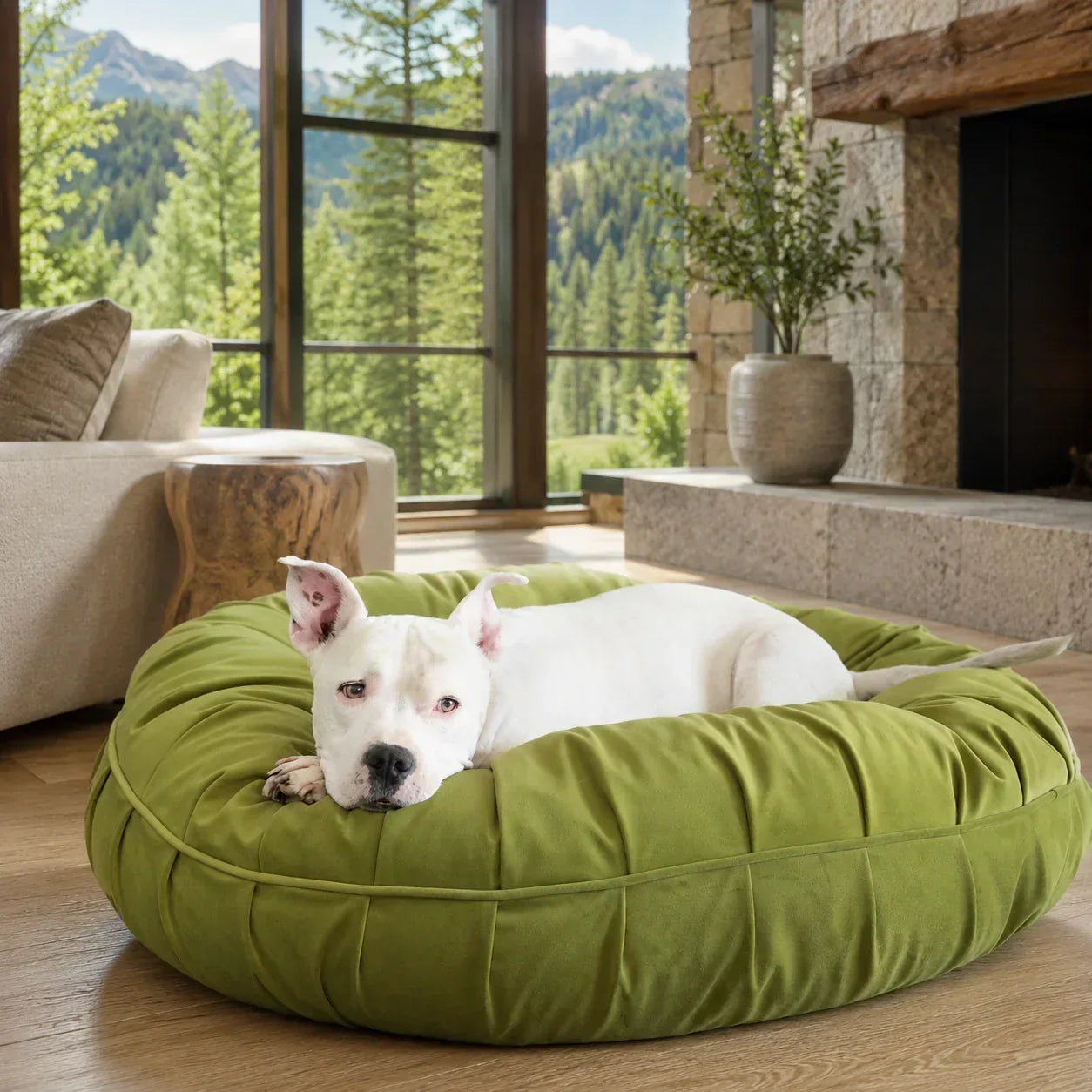
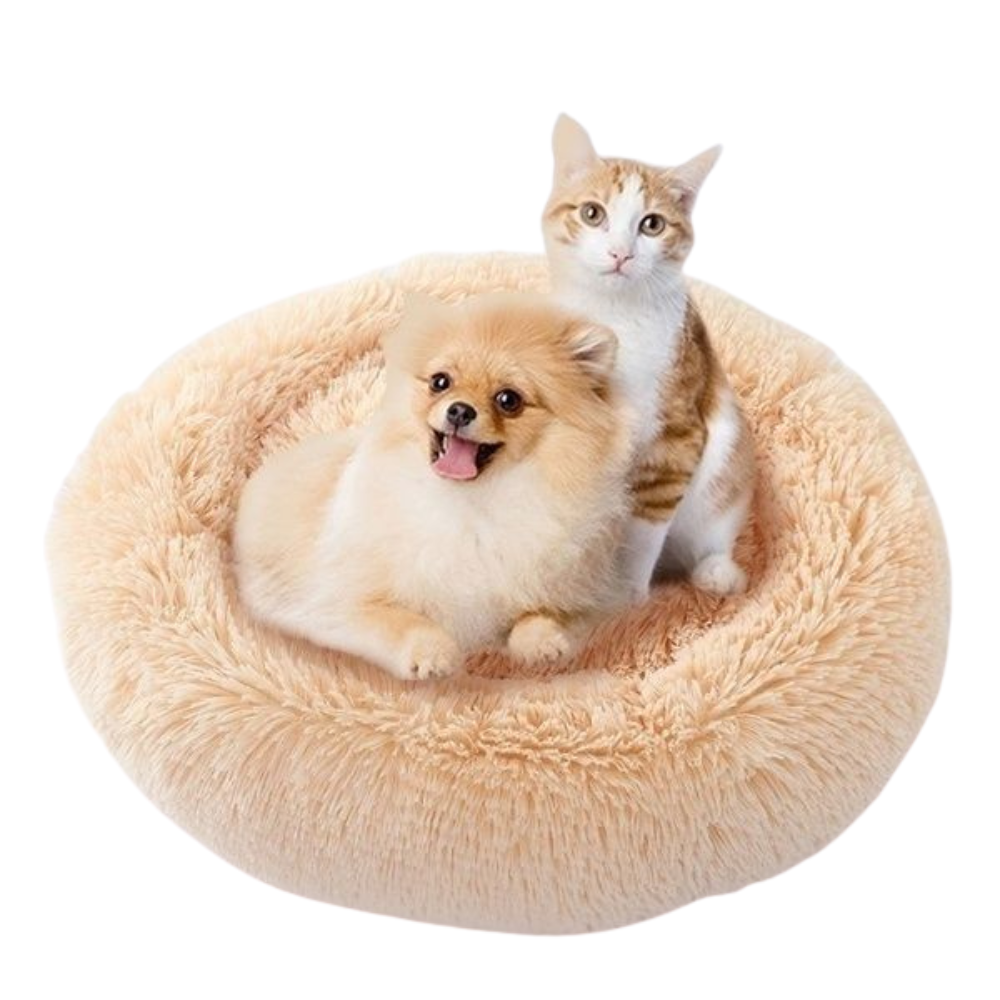
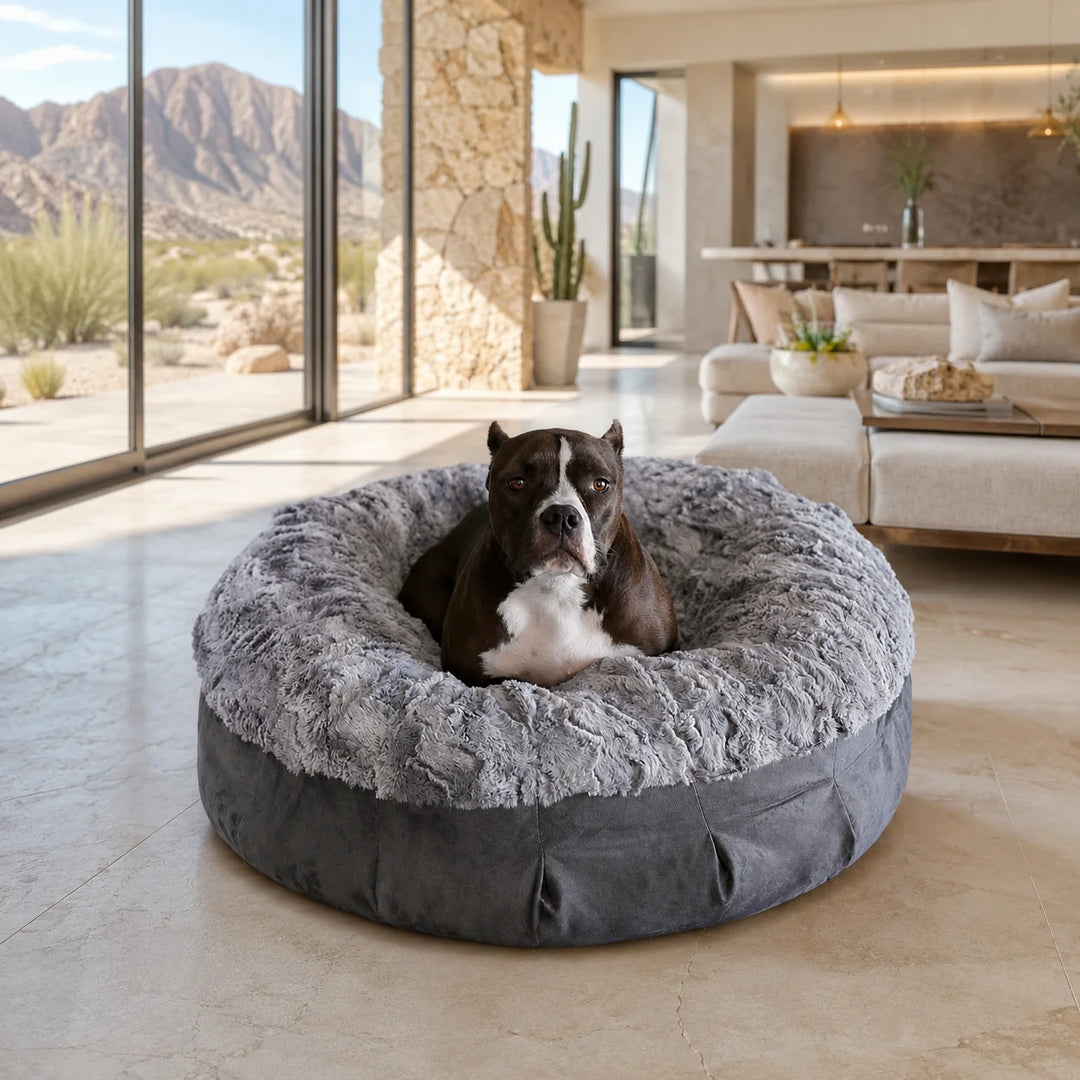
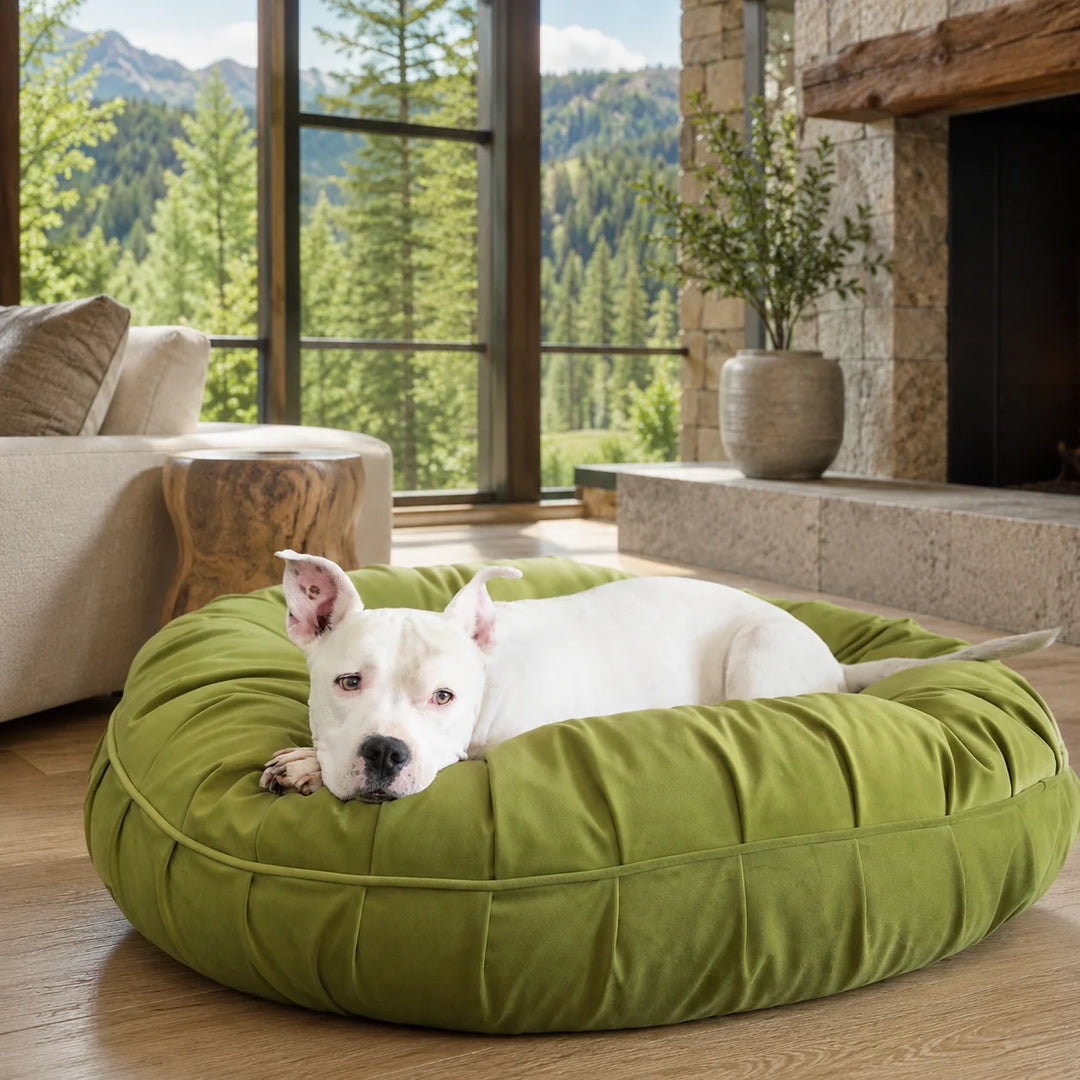
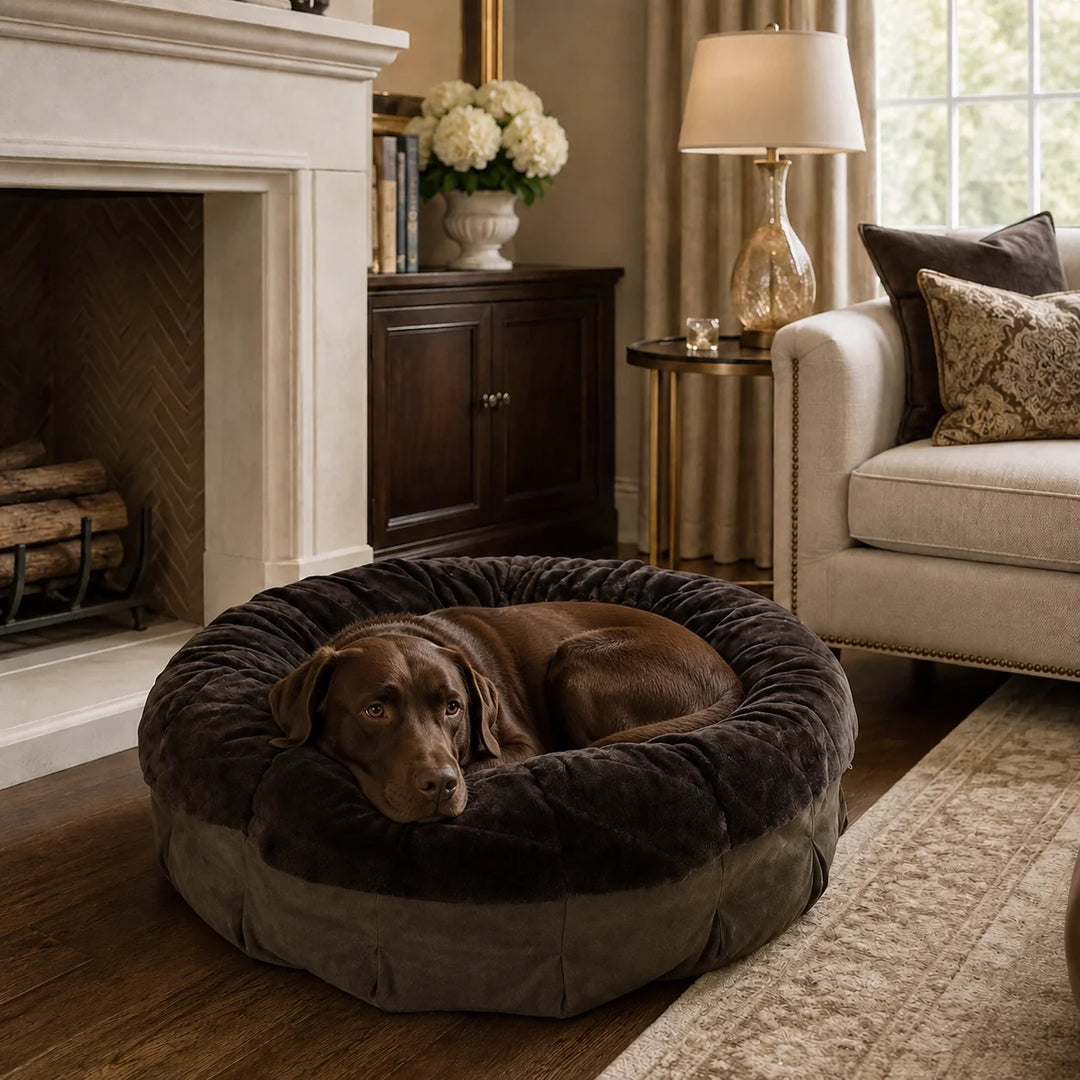
A donut dog bed is a round bed with a soft, raised rim. Most have a deep center and a cushioned outer ring that supports a dog’s head, neck, back, and body.
The design resembles a small nest. It gives dogs a soft place to curl up while the raised edge helps block drafts and outside movement.
Donut beds come in many sizes and materials, including:
• Long-pile faux fur for warmth and softness
• Cotton or canvas for lighter, warmer climates
• Memory foam for older dogs
• Waterproof liners for puppies or dogs with accidents
• Machine-washable covers for easy cleaning
The term “donut bed” often includes several round nest beds. Some are very plush, while others use firm foam and have a lower rim.
Why Do Dogs Like Donut Beds?
The main reason why do dogs like donut beds is that the shape supports several natural dog behaviors at once. It offers comfort, warmth, security, and a useful place to rest.
The raised rim feels protective
Dogs often relax more easily when their back is near a boundary. The soft rim of a donut bed can create a gentle barrier around the body.
This does not mean every dog feels anxious. Many dogs simply enjoy having a clear edge that marks their sleeping space. The rim can feel like a soft wall around a small room.
The round shape supports curling
Many dogs sleep curled into a ball. This position helps them conserve body heat and may make them feel protected.
A round bed fits this posture well. Instead of leaving open space around the dog, the bed supports the curve of the body.
The bed helps dogs feel warm
Dogs lose body heat through exposed areas. A thick donut bed can reduce contact with a cold floor and help hold warm air near the body.
This benefit may be especially appealing to:
• Small dogs
• Short-haired breeds
• Senior dogs
• Thin dogs
• Dogs that sleep near air vents or drafty doors
Still, a very warm bed may not suit a thick-coated dog in summer. Comfort depends on the dog, the room, and the fabric.
The soft center cushions the body
A well-made donut bed can spread pressure across the body. This may feel good after exercise or during a long nap.
However, softness alone does not equal support. A bed that collapses completely may not provide enough help for a dog with arthritis, hip pain, or weak joints.
The bed can reduce outside stimulation
The raised edge may slightly limit a dog’s view of the room. For some dogs, this creates a calmer sleep space.
A dog that rests better away from foot traffic, loud sounds, or busy windows may enjoy this gentle sense of separation.

The Instincts Behind Nesting and Circling
To understand why do dogs like donut beds, it helps to look at normal canine behavior. Dogs often circle before lying down, paw at blankets, and choose spots with a wall or object nearby.
These actions may come from instinct, habit, or simple comfort. Wild canids often prepare resting areas by turning, scraping, or arranging nearby materials. Modern dogs do not need to build a nest, but many still show parts of this behavior.
The donut bed gives those instincts an easy outlet. A dog can circle inside the bed, press against the rim, and settle in one familiar place.
Why dogs circle before lying down
Circling may help a dog find a comfortable position. It may also be a learned bedtime routine.
A few circles are usually normal. Repeated circling, sudden restlessness, or difficulty lying down can signal pain or discomfort. In that case, the bed may not be the real issue.
Why dogs burrow or press into soft fabric
Some dogs push their nose into blankets or lean against cushions. Soft pressure can feel calming, much like a snug blanket feels comforting to a person.
A donut bed offers this feeling without requiring loose blankets that could become tangled. Watch your dog, though, because some dogs chew and swallow soft filling.
Why the bed may feel like a den
Dogs often choose spaces that feel enclosed but not trapped. The curved edge of a donut bed can create a small den-like area.
This may explain why do dogs like donut beds even when they already have a flat mattress. The donut bed provides a different kind of comfort.

Which Dogs Benefit Most From Donut Beds?
A donut bed can work well for many dogs, but some dogs show a stronger preference for this style.
Small dogs
Small dogs can lose heat quickly and may feel secure in a bed that surrounds the body. A raised rim can also make a large room feel less exposed.
Choose a bed that lets the dog stretch out at times. The dog should not have to curl tightly because the bed is too small.
Dogs that love to curl
Some dogs naturally sleep in a tight ball. These dogs often enjoy the shape of a round nest bed.
Breeds and individuals vary, so sleeping style matters more than breed label. Observe how your dog rests before choosing a bed.
Nervous or noise-sensitive dogs
A donut bed cannot treat anxiety, but it may provide a familiar resting zone. Place it in a quiet part of the home where the dog can still see an exit.
Never force a dog into the bed. A safe space works best when the dog can choose to use it.
Puppies
Puppies may enjoy the soft rim and warm center. A washable cover is essential because house training takes time.
Avoid beds with loose threads, exposed zippers, or filling that a puppy can pull out. Inspect the bed often.
Senior dogs
Older dogs may enjoy a cushioned bed, but they need more than softness. Look for a supportive base, easy entry, and a surface that does not make the dog struggle to stand.
A high rim may help the head but may also block access for a dog with weak legs. A low-entry orthopedic bed may be safer.
Dogs that sleep near people
Some dogs like to rest beside the family but not directly on a person. A donut bed placed near the couch or bed can offer closeness with a clear personal space.
Donut Beds Compared With Other Dog Beds
The best bed depends on your dog’s size, age, health, coat, sleep style, and home environment. There is no single perfect bed for every dog.
| Bed type | Best for | Possible limitation |
|---|---|---|
| Donut bed | Curlers and dogs that like soft edges | May lack joint support |
| Flat mat | Warm rooms and dogs that stretch | Offers little body containment |
| Orthopedic foam bed | Senior dogs and dogs with joint pain | Can cost more and feel less cozy |
| Cave bed | Burrowers and shy dogs | May feel too enclosed for some dogs |
| Elevated cot | Hot climates and dogs that need airflow | May not feel soft or nest-like |
| Bolster bed | Dogs that like a firm headrest | The edge may be hard to enter |
A donut bed is often best as one option in the home, not the only option. Some dogs prefer a cool floor during the day and a warm bed at night.
When explaining why do dogs like donut beds, comfort is only part of the answer. Choice matters too. Giving a dog two safe resting places can reveal what the dog truly prefers.
How to Choose the Right Donut Bed
Choosing the right bed involves more than picking the softest one. Use your dog’s body and behavior as your guide.
Measure your dog
Measure from the nose to the base of the tail while your dog is relaxed. Add extra room so the dog can stretch and change position.
A bed should allow your dog to:
• Curl up without pressing against the rim
• Stretch at least part of the body
• Turn around without stepping out
• Rest the head comfortably
If your dog is between sizes, the larger option is often more useful, especially for a growing puppy.
Check the filling
Look for filling that stays evenly spread. Lumpy filling can create pressure points and may become uncomfortable.
For older dogs, consider a firm foam base with a soft top. This gives more support than loose fiber alone.
Pick practical fabric
Choose fabric based on your dog’s coat and habits. Long, fluffy fabric may appeal to a short-haired dog but can hold hair, dirt, and moisture.
Useful features include:
• Removable, washable covers
• Strong stitching
• A non-slip bottom
• Water-resistant liners
• Replacement covers
• A simple care label
Consider the room temperature
A shaggy donut bed may be ideal in winter but too hot in summer. Keep a cool mat or bare floor available if your dog overheats.
Signs of overheating include heavy panting, restlessness, drooling, and moving away from the bed. A dog should always have fresh water and a cooler resting choice.
Common Mistakes to Avoid
Many owners focus on appearance and forget daily use. A beautiful bed is not helpful if it is hard to clean or uncomfortable for the dog.
Buying a bed that is too small
A tight bed may look cozy in a product photo. In real life, it can restrict movement and force a dog into one position.
Watch your dog sleep. If the legs hang over the edge or the dog avoids the bed after trying it, the size may be wrong.
Choosing softness over support
A deep, fluffy bed may feel wonderful at first. Yet dogs with arthritis or joint disease may need a stable base that makes standing easier.
Ask a veterinarian for advice if your dog has pain, stiffness, trouble climbing stairs, or a change in sleep habits.
Ignoring cleaning needs
Beds collect hair, skin flakes, dirt, saliva, and allergens. Wash the cover as directed and clean accidents quickly.
A washable blanket placed over the center can make routine cleaning easier, but it should not bunch up or create a tripping risk.
Placing the bed in a busy area
Some dogs want to watch the family. Others need quiet. A bed beside a loud television, doorway, or heater may not provide real rest.
Try a calm corner with moderate light and easy access. Let your dog show you whether the location works.
Assuming bed use proves anxiety
A dog may love a donut bed simply because it is comfortable. Do not label the behavior as anxiety without other signs, such as trembling, pacing, hiding, or destructive behavior.
How to Help Your Dog Accept a Donut Bed
Some dogs climb into a new bed at once. Others need time, especially if the bed smells unfamiliar or makes a crinkling sound.
Try these steps:
- Place the bed near a spot your dog already chooses.
- Add a familiar blanket or toy, if your dog does not chew it.
- Reward calm investigation with praise or a small treat.
- Let the dog leave whenever it wants.
- Keep the bed in the same place for several days.
- Wash the cover if a strong factory smell bothers your dog.
Never push, hold, or trap your dog in the bed. The goal is to build a positive link between the bed and rest.
In practical home trials, one common mistake is moving the bed too soon. A dog may need several quiet days to decide that a new bed belongs in the daily routine.
When a Donut Bed May Not Be the Best Choice
A donut bed is not ideal for every dog. Its raised rim may be difficult for dogs with severe arthritis, weakness, vision loss, or balance problems.
It may also be a poor match for dogs that sleep fully stretched out or become hot easily. A flat cooling mat or low orthopedic mattress may work better.
Replace the bed if you notice:
• Torn seams
• Exposed foam or stuffing
• A strong odor that will not wash out
• A sagging center
• Mold or dampness
• Chewed pieces that could be swallowed
Contact a veterinarian if your dog suddenly changes sleeping habits, cannot settle, cries while lying down, or repeatedly gets up and down. These signs can point to pain or illness rather than a bedding preference.
How to Keep a Donut Bed Safe and Clean
Good care protects both comfort and health. Follow the maker’s washing instructions, because some beds lose shape when washed incorrectly.
Use a cover that closes securely but does not expose sharp hardware. Wash bedding more often if your dog has allergies, skin disease, accidents, or heavy shedding.
Inspect the bed each week. Press the center to find flattened areas, and check the rim for holes. If your dog chews fabric, use the bed only while supervised or choose a tougher design.
Keep the bed away from direct heat sources. A bed placed against a radiator, space heater, or fireplace can become dangerously hot and may create a fire risk.
Frequently Asked Questions About Why Do Dogs Like Donut Beds
Why do dogs like donut beds more than flat beds?
Dogs that curl up or enjoy body contact with a soft edge may prefer donut beds. The raised rim gives them warmth, support, and a nest-like feeling that a flat bed may not provide.
Are donut beds good for anxious dogs?
A donut bed may give an anxious dog a predictable resting place, but it does not cure anxiety. Use it with calm routines and veterinary guidance when fear, panic, or separation problems are present.
Do donut beds help dogs sleep better?
They can help some dogs settle by reducing pressure from the floor and creating a comfortable boundary. Sleep quality still depends on temperature, noise, pain levels, health, and the dog’s personal preference.
Are donut beds safe for puppies?
They can be safe when the bed has strong seams, no loose parts, and a washable cover. Check it often, because puppies may chew and swallow fabric or filling.
Should senior dogs use donut beds?
Senior dogs can use them if they can enter, turn, and rise without difficulty. Many older dogs need a supportive orthopedic base and a low opening rather than a very deep, soft rim.
How big should a donut bed be?
Choose a bed that lets your dog curl up and stretch without falling over the edge. Measure the dog from nose to tail base, then add several inches for movement.
Why does my dog circle in a donut bed?
A few circles are normal and may help the dog arrange its body before resting. Persistent circling, pacing, or difficulty lying down may indicate pain and deserves veterinary attention.
Conclusion
Why do dogs like donut beds? The answer combines comfort, warmth, instinct, and security. The round shape suits curled sleeping positions, while the raised rim creates a soft boundary that many dogs find calming.
The best donut bed should fit your dog’s body, support its health needs, stay cool enough for the room, and remain easy to clean. Watch how your dog sleeps and moves, because those habits offer better guidance than appearance alone.
Choose a safe bed, place it in a calm spot, and let your dog decide whether it feels right. If you have found a donut bed your dog loves, share your experience or explore more practical dog care guides for your next informed choice.

Pet Care Writer & Researcher
Daniel writes practical guides on daily care, feeding, and safety, turning complex topics into simple, actionable advice.