What Is The Best Food You Can Feed Your Dog: Best Options
What is the best food you can feed your dog? Learn which nutritious foods support health, energy, and a longer, happier life.
The best food you can feed your dog is a complete, balanced diet matched to their age, size, health, and lifestyle.
Choosing dog food is not just about picking the bag with the prettiest picture or the most meat on the label. The best food you can feed your dog should provide the right balance of protein, fat, carbohydrates, vitamins, minerals, and water for that individual dog. Puppies, adult dogs, seniors, active working dogs, and dogs with health problems all have different needs.
After comparing nutrition standards, ingredient labels, feeding habits, and common veterinary advice, one rule stands out: quality and balance matter more than marketing claims. This guide explains what to look for, what to avoid, how to compare commercial and homemade diets, and how to choose food your dog can safely enjoy for years.

What Is the Best Food You Can Feed Your Dog?
For most healthy dogs, the best food you can feed your dog is a complete and balanced commercial diet made for the dog’s life stage. This may be dry food, canned food, fresh food, or a safe combination of several types.
The label should state that the food is complete and balanced for a specific life stage. In the United States, this statement is usually based on nutritional profiles or feeding trials established by the Association of American Feed Control Officials.
A good diet should also fit your dog’s:
• Age and growth stage
• Breed size and body size
• Activity level
• Body condition
• Known allergies
• Digestive health
• Medical needs
• Personal taste and eating habits
No single food is perfect for every dog. A diet that helps one dog maintain a healthy weight may cause another dog to gain weight. A rich food that suits an active Labrador may upset the stomach of a small senior dog.
The best food you can feed your dog is the one that meets nutritional standards, supports a healthy body condition, and works well for your dog’s digestion.
What Nutrients Does a Dog Need?
Dogs need more than protein. Their bodies use several nutrients to build muscle, fuel activity, protect organs, and support the immune system.
Protein
Protein supplies amino acids that help maintain muscles, skin, hair, enzymes, and body tissues. Animal proteins such as chicken, turkey, beef, fish, and eggs are common in dog food, but carefully prepared plant proteins can also contribute to a balanced recipe.
The amount of protein a dog needs depends on age, health, and activity. Growing puppies and active dogs often need more protein than quiet adult dogs. However, more protein is not always better.
Fat
Fat provides concentrated energy and helps the body absorb vitamins A, D, E, and K. Essential fatty acids also support the skin, coat, brain, and normal cell function.
Fish oil can provide omega 3 fatty acids. Chicken fat and plant oils may provide other useful fats. Too much fat, however, can lead to weight gain and may worsen digestive problems in some dogs.
Carbohydrates
Dogs can digest cooked carbohydrates. Rice, oats, barley, potatoes, and other safe carbohydrate sources can provide energy and fiber.
Carbohydrates are not automatically “fillers.” They can help make a diet affordable, digestible, and nutritionally complete. The concern is not whether a food contains carbohydrates, but whether the full recipe is balanced and appropriate.
Vitamins and minerals
Calcium and phosphorus help maintain bones and teeth. Zinc supports the skin and immune system. B vitamins help the body use energy.
A dog may develop serious health problems if these nutrients are too low or too high. This is one reason homemade diets should be created with help from a board certified veterinary nutritionist.
Water
Fresh water is part of good nutrition. Dogs eating dry food may need to drink more than dogs eating wet food because canned diets contain much more moisture.
Keep clean water available at all times. Wash the bowl often, especially during hot weather.

How to Choose Healthy Commercial Dog Food
Commercial dog food can be a safe and convenient choice when you read the label carefully. The front of the package is designed to attract attention, but the nutritional statement and feeding directions offer more useful information.
Look for these features:
• A complete and balanced nutritional statement
• A life stage that matches your dog
• Clear feeding directions
• A manufacturer with quality control systems
• Contact information for questions
• Safe handling instructions
• A calorie statement when available
The phrase “complete and balanced” is important. A food labeled only for supplemental or intermittent feeding should not make up your dog’s entire diet.
Check whether the food is made for growth, maintenance, all life stages, or a specific medical need. Puppies should usually eat food designed for growth. Large breed puppies may need special calcium and calorie control to support steady bone development.
Ingredient lists need context
Ingredient lists can help you understand a recipe, but they do not tell the whole story. Ingredients appear in order by weight before cooking, so fresh meat may appear first because it contains a great deal of water.
A food with a long ingredient list is not always better. A short ingredient list is not always healthier. Nutrient balance, digestibility, manufacturing safety, and feeding results matter more than one attractive ingredient.
Be careful with marketing words
Words such as “natural,” “premium,” “holistic,” and “human grade” may sound impressive, but they do not automatically prove that a food is better for your dog.
A food can contain natural ingredients and still be poorly balanced. It can also contain simple ingredients and still provide excellent nutrition. Focus on evidence, quality control, and your dog’s response.
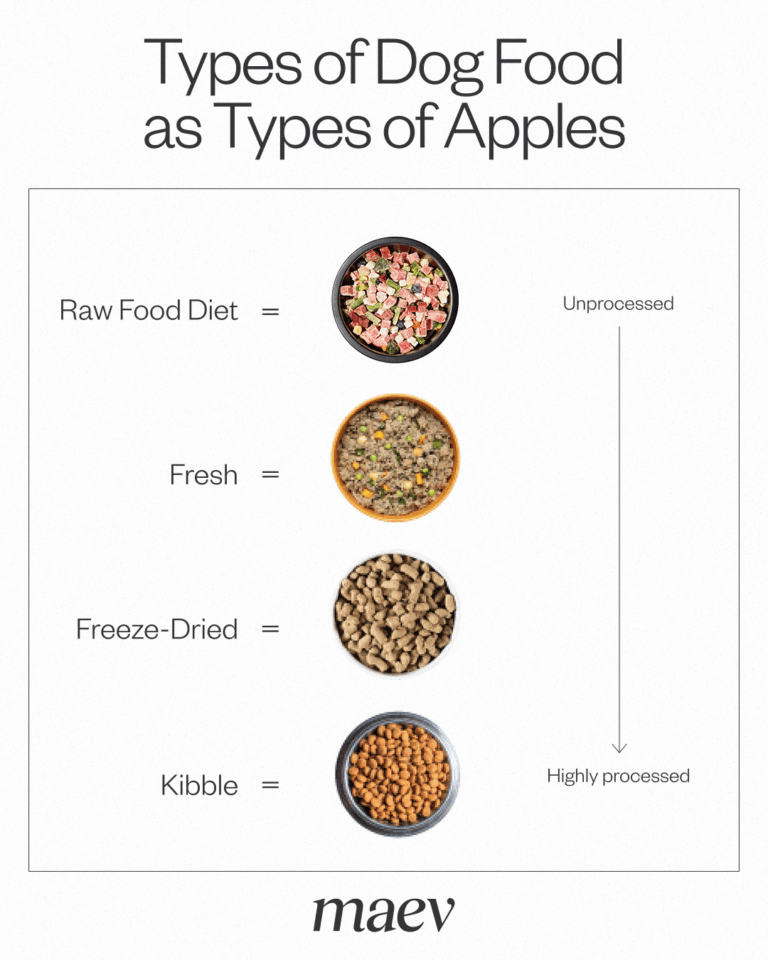
Dry Food, Wet Food, Fresh Food, or Raw Food?
The best food you can feed your dog may come in more than one form. Each type has benefits and limitations.
Dry dog food
Dry food is often affordable, easy to store, and simple to measure. It can work well for many healthy dogs.
Its main limitation is low moisture. Some dogs also find dry food less appealing than wet food. Kibble does not replace regular tooth brushing, and ordinary kibble should not be treated as a complete dental care plan.
Canned dog food
Wet food contains more water and may be easier for older dogs or dogs with dental pain to eat. It can also help picky dogs accept meals.
Canned food usually costs more per calorie and spoils faster after opening. Store opened cans in the refrigerator and follow the package instructions.
Fresh cooked food
Fresh cooked diets may use ingredients such as cooked meat, vegetables, rice, and added nutrients. Some dogs enjoy them, and owners may find the ingredients easier to understand.
The important point is balance. A bowl of meat and vegetables may look healthy but can lack calcium, iodine, zinc, or other essential nutrients.
Raw food
Raw diets carry risks from bacteria, parasites, bone injuries, and nutrient imbalance. Freezing does not remove every risk, and careful handling is essential.
There is no strong evidence that raw food is generally healthier than a safe, complete, balanced cooked diet. Raw diets may be especially risky for puppies, elderly dogs, pregnant people, young children, and people with weak immune systems.
Mixed feeding
Many owners combine dry and wet food. This can improve taste and add moisture, but you must adjust portions so your dog does not receive too many calories.
The best food you can feed your dog can include a mix of textures if each main food is complete and balanced and the total daily calories are suitable.
Best Food for Puppies, Adults, and Senior Dogs
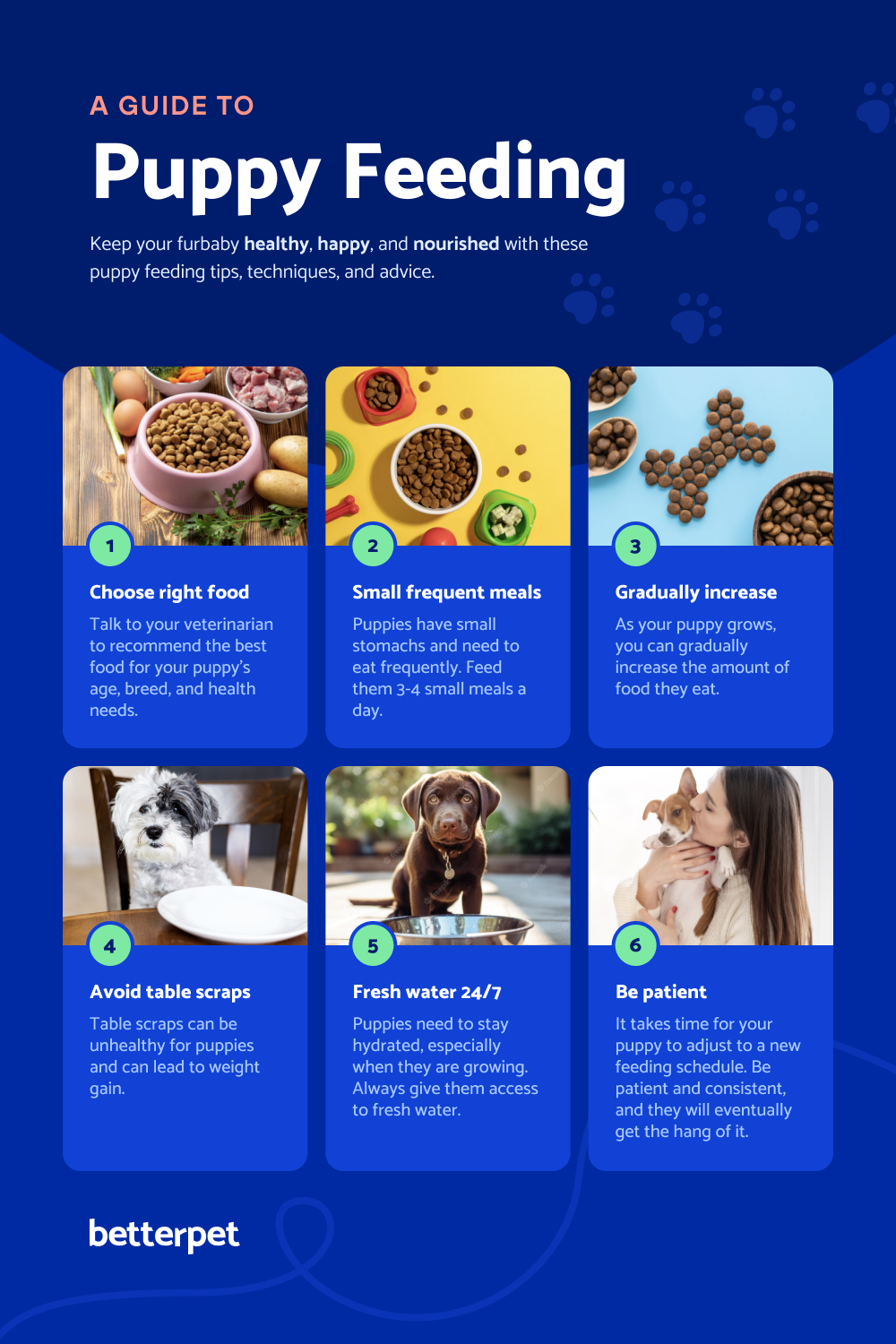
Life stage is one of the most important factors when choosing dog food. Nutrition needs change throughout a dog’s life.
Puppies
Puppies need food that supports fast growth, muscle development, and bone health. They usually need more calories and nutrients per pound than adult dogs.
Feed a puppy diet made for growth. Large breed puppies often need a formula designed for large breed growth because excessive calories and minerals can place stress on developing bones.
Feed puppies several small meals each day. Avoid guessing portion sizes. Use the package guide as a starting point and adjust with guidance from your veterinarian.
Adult dogs
Adult dogs need enough energy to maintain a stable, healthy body weight. A calm dog may need fewer calories than an active hiking companion.
Measure meals rather than filling the bowl by sight. Treats, table scraps, dental chews, and food used for training all count toward daily calories.
Senior dogs
Senior dogs do not all need the same diet. Some need fewer calories because they are less active. Others may need more protein to help preserve muscle, unless a veterinarian recommends a medical restriction.
Older dogs may also develop dental disease, kidney disease, arthritis, or digestive changes. A senior diet should be based on the dog’s health, not age alone.
The best food you can feed your dog should change when your dog’s needs change. Regular veterinary exams help identify those changes early.
Safe Human Foods for Dogs
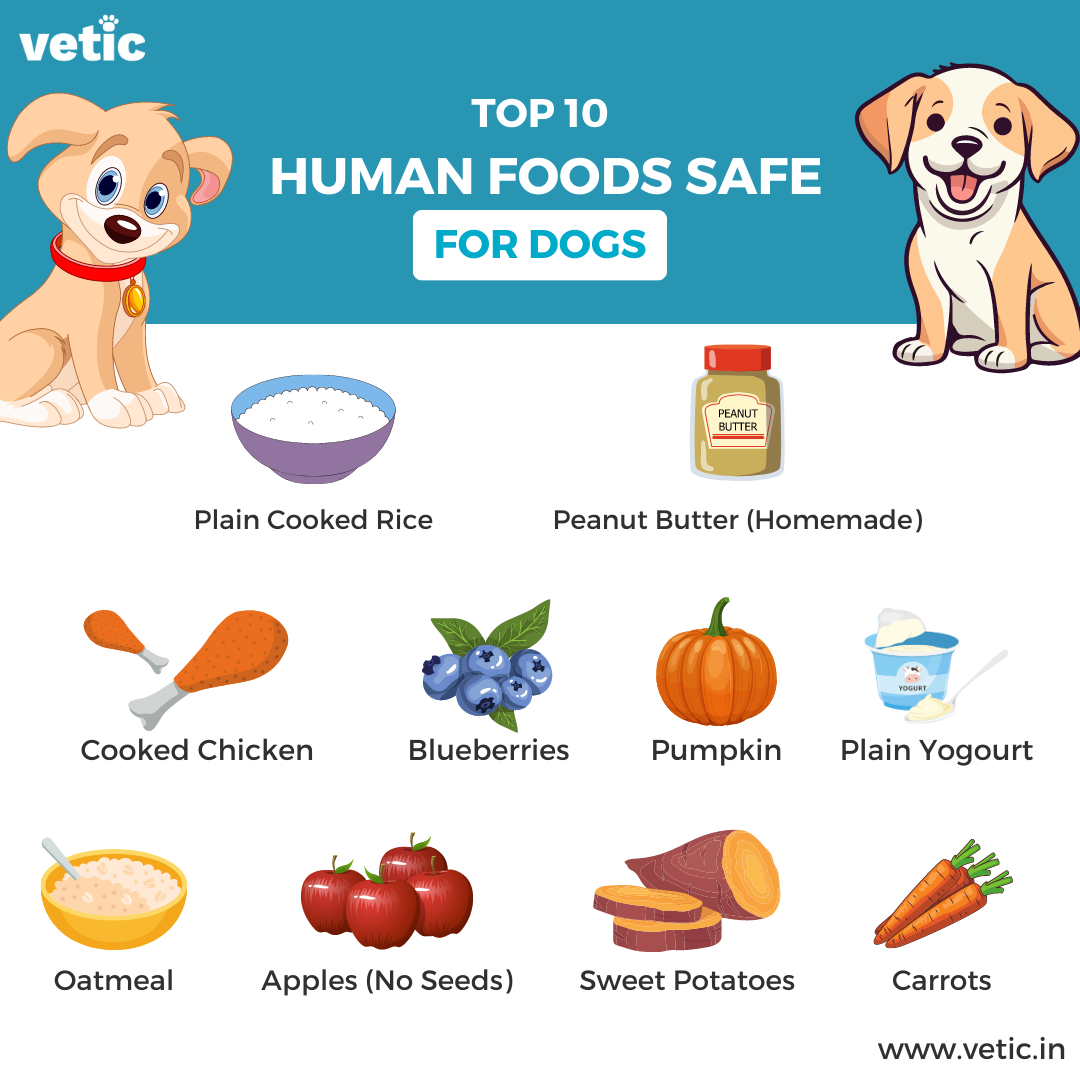
Small amounts of certain human foods can be healthy treats. They should not replace a complete dog diet.
Safe options include:
• Cooked, unseasoned chicken or turkey
• Lean cooked beef
• Cooked eggs
• Plain pumpkin
• Carrots
• Green beans
• Cucumber
• Apple slices without seeds or the core
• Blueberries
• Plain cooked rice
• Small pieces of banana
Cut food into small pieces to reduce choking risk. Introduce one new food at a time, especially if your dog has a sensitive stomach.
Avoid foods that can be dangerous, including:
• Chocolate
• Grapes and raisins
• Onions, garlic, and chives
• Xylitol, also called birch sugar
• Alcohol
• Caffeine
• Macadamia nuts
• Raw yeast dough
• Cooked bones
• Very fatty meals
• Foods with heavy spices or salt
If your dog eats a toxic food, contact a veterinarian or a pet poison service right away. Do not wait for symptoms to appear.
Treats should generally provide no more than about 10 percent of daily calories. The remaining calories should come from a complete and balanced diet.

Homemade Dog Food: Is It a Good Choice?
Homemade dog food can work, but it is easy to get wrong. Many recipes found online contain too much meat and not enough calcium. Others lack important vitamins, minerals, or essential fatty acids.
A homemade diet should be designed by a veterinary nutrition professional. The recipe must include the correct ingredients, amounts, cooking method, and supplements. Changing one ingredient can change the nutrient balance.
A simple meal of chicken, rice, and vegetables may help for a short period when a veterinarian recommends it. It is not usually a complete long term diet unless it has been properly formulated.
The best food you can feed your dog is not defined by whether you cook it yourself. It is defined by whether the diet is safe, complete, balanced, digestible, and suited to your dog.
One common mistake I see is assuming that “fresh” means “complete.” Fresh ingredients can be excellent, but freshness alone does not provide every nutrient a dog needs.
How Much Food Should You Feed Your Dog?
The right food can still cause problems when you serve too much. Obesity increases the risk of joint disease, diabetes, breathing problems, and reduced quality of life.
Start with the feeding guide on the package. Then watch your dog’s body condition rather than relying only on the number on the scale.
A dog at a healthy weight should usually have:
• Ribs that can be felt without a thick layer of fat
• A visible waist when viewed from above
• An abdominal tuck when viewed from the side
• Good energy for that dog’s age and condition
Measure food with a standard measuring cup or kitchen scale. Do not estimate by hand if your dog gains weight easily.
Adjust portions slowly. A small reduction may be enough for a dog that is slightly overweight. A veterinarian should guide larger changes, sudden weight loss, or weight gain with no clear cause.
When changing food, mix the new diet with the old diet over about seven days. A slower change may be better for dogs with sensitive digestion.
The best food you can feed your dog must be served in the right amount. Nutrition is both quality and quantity.
)
How Health Conditions Change a Dog’s Diet
Some dogs need more than regular maintenance food. Medical diets should be chosen with veterinary guidance.
Food allergies
True food allergies are less common than many owners believe. Dogs can react to beef, dairy, chicken, eggs, or other proteins, but itching can also come from fleas, environmental allergies, or skin infections.
A veterinarian may suggest an elimination diet using a novel protein or hydrolyzed protein. Do not add treats or flavored medicines during the trial unless your veterinarian approves them.
Kidney disease
Dogs with kidney disease may need a diet with carefully controlled phosphorus, protein, sodium, and calories. The correct plan depends on laboratory results and disease stage.
Do not place a dog with kidney disease on a homemade or low protein diet without veterinary advice.
Obesity
Overweight dogs often need fewer calories, measured meals, and low calorie treats. Increasing activity can help, but food control remains central.
Weight loss should be gradual. Sudden dieting can create health risks.
Sensitive digestion
Some dogs do better with highly digestible food, moderate fat, or a limited ingredient recipe. Repeated vomiting, diarrhea, blood in stool, or poor appetite needs veterinary attention.
The best food you can feed your dog with a medical condition is usually a diet selected for that condition, not simply the most expensive food on the shelf.
Mistakes to Avoid When Feeding Your Dog
Good intentions can still lead to poor nutrition. Avoid these common errors:
• Changing food suddenly
• Feeding too many treats
• Sharing fatty table scraps
• Choosing food only by the ingredient list
• Ignoring the complete and balanced statement
• Giving supplements without veterinary advice
• Feeding cooked bones
• Leaving food out all day when weight gain is a problem
• Using a homemade recipe without nutrient analysis
• Assuming a grain free diet is automatically healthier
Grain free diets are not needed for most dogs unless a veterinarian identifies a specific reason. Some grain free and boutique diets have been investigated in connection with canine dilated cardiomyopathy, although the issue is complex and still being studied.
Do not panic over one ingredient or one online opinion. Ask who formulated the diet, how it was tested, where it was made, and whether your dog is thriving on it.
In my experience, the most useful lesson is simple: watch the dog, not just the label. Healthy stool, steady weight, clear eyes, a good coat, and normal energy offer useful clues, although they do not replace veterinary care.
A Simple Plan for Choosing Your Dog’s Food
Use this process when comparing diets:
-
Confirm your dog’s life stage and health needs.
-
Look for a complete and balanced nutritional statement.
-
Choose a trusted manufacturer with clear contact details and quality control information.
-
Compare calorie content and feeding instructions.
-
Select a texture your dog can eat comfortably.
-
Introduce the food slowly over several days.
-
Measure each meal.
-
Monitor weight, stool, coat, appetite, and energy.
-
Reassess the diet during regular veterinary visits.
-
Change the food if your dog develops ongoing digestive problems, poor body condition, or signs of intolerance.
This process removes much of the confusion. You do not need a perfect food. You need a safe, balanced food that your dog can eat consistently and maintain a healthy body on.
The best food you can feed your dog is a practical choice based on science, observation, and professional advice.
Frequently Asked Questions
What is the best food you can feed your dog every day?
For most healthy dogs, the best daily food is a complete and balanced diet made for their age, size, and health. Choose a product from a manufacturer with strong quality control, then serve the correct portion.
Is homemade food better than commercial dog food?
Homemade food is not automatically better. It can be healthy when a veterinary nutrition professional formulates it, but many homemade recipes lack key nutrients and are unsafe as a long term diet.
Can dogs eat dry food and wet food together?
Yes, many dogs can safely eat a combination of dry and wet food. Reduce the portion of each food so the total daily calories remain appropriate.
What human food is healthiest for dogs?
Small portions of plain cooked meat, eggs, pumpkin, carrots, green beans, blueberries, and cucumber can be safe treats. These foods should not replace a complete and balanced dog diet.
How often should I change my dog’s food?
You do not need to change food if your dog is healthy, maintains a good weight, and enjoys normal digestion. If you change foods, do it gradually over about seven days to reduce the risk of stomach upset.
Is raw food the best food you can feed your dog?
Raw food is not proven to be healthier than a safe, complete, balanced cooked diet. It can also expose dogs and people to harmful bacteria, parasites, bone injuries, and nutritional mistakes.
How do I know if my dog’s food is working?
A suitable diet usually supports a stable healthy weight, firm stools, good energy, healthy skin, and a normal coat. Ongoing vomiting, diarrhea, itching, weight change, or poor appetite deserves a veterinary check.
Conclusion
The best food you can feed your dog is a complete and balanced diet that fits your dog’s age, body, activity, health, and taste. Dry, wet, fresh, or mixed feeding can all work when the food is safe, the portions are correct, and the diet meets established nutritional standards.
Read beyond the front of the package. Measure meals, keep treats modest, introduce changes slowly, and ask your veterinarian for help when your dog has a medical condition or unusual symptoms. Start by checking your dog’s current food today, then make one informed improvement if needed and share your feeding questions with your veterinary team.

Pet Care Writer & Researcher
Daniel writes practical guides on daily care, feeding, and safety, turning complex topics into simple, actionable advice.