Which Food For Dogs Is The Best: Expert Feeding Guide
Which food for dogs is the best? Compare healthy options, key nutrients, and expert tips to choose meals that support your dog’s health.
The best food for dogs is a complete, balanced diet matched to their age, size, health, and daily activity.
Choosing which food for dogs is the best is not about finding the most expensive bag or the trendiest ingredient list. It is about meeting your dog’s nutrient needs safely and consistently. This guide explains how to compare dry food, wet food, fresh meals, and homemade diets so you can make a smart choice with confidence.
Which Food for Dogs Is the Best for Most Dogs?
For most healthy dogs, the best choice is a commercial food labeled “complete and balanced” for the correct life stage. This label means the food meets nutritional standards set by the Association of American Feed Control Officials, or AAFCO, when sold in the United States.
A good dog food should provide the right balance of:
• Protein for muscles, skin, and immune function
• Fat for energy, brain health, and a healthy coat
• Carbohydrates for energy and fiber
• Vitamins and minerals for bones, blood, nerves, and organs
• Water to support digestion and body function
The best food also suits your dog’s body. A highly active young dog may need more calories than a calm senior dog. A dog with kidney disease, allergies, or pancreatitis may need a veterinary diet instead of a standard formula.
When people ask which food for dogs is the best, I first look at the dog, not the package. Breed, age, weight, activity, stool quality, coat condition, and medical history all matter. A food that works beautifully for one dog may cause itching or loose stools in another.
What “Complete and Balanced” Really Means
“Complete and balanced” is one of the most useful terms on a dog food label. It means the food is designed to provide all essential nutrients in the proper amounts for a specific life stage.
Look for a nutritional adequacy statement on the package. It may say the food is suitable for:
• Growth and development
• Adult maintenance
• All life stages
• Gestation and lactation
Puppy food is not always right for adult dogs. Puppy formulas often contain more calories and carefully controlled minerals to support rapid growth. Large-breed puppies need special formulas because too much calcium or too many calories can contribute to bone and joint problems.
Adult dogs usually need food made for maintenance. Senior dogs do not always need a special “senior” formula, but many benefit from fewer calories, more fiber, or nutrients that support joint health. Your veterinarian can help you decide based on your dog’s weight and health.
Nutritional claims must be read carefully. Words such as “natural,” “premium,” “holistic,” and “human-grade” may sound appealing, but they do not automatically prove that a food is better. The nutrition statement and ingredient quality matter more.
Dry Food, Wet Food, Fresh Food, or Homemade Meals?
There is no single perfect format. The best food for dogs is often the option that your dog eats well, digests comfortably, and can receive safely every day.
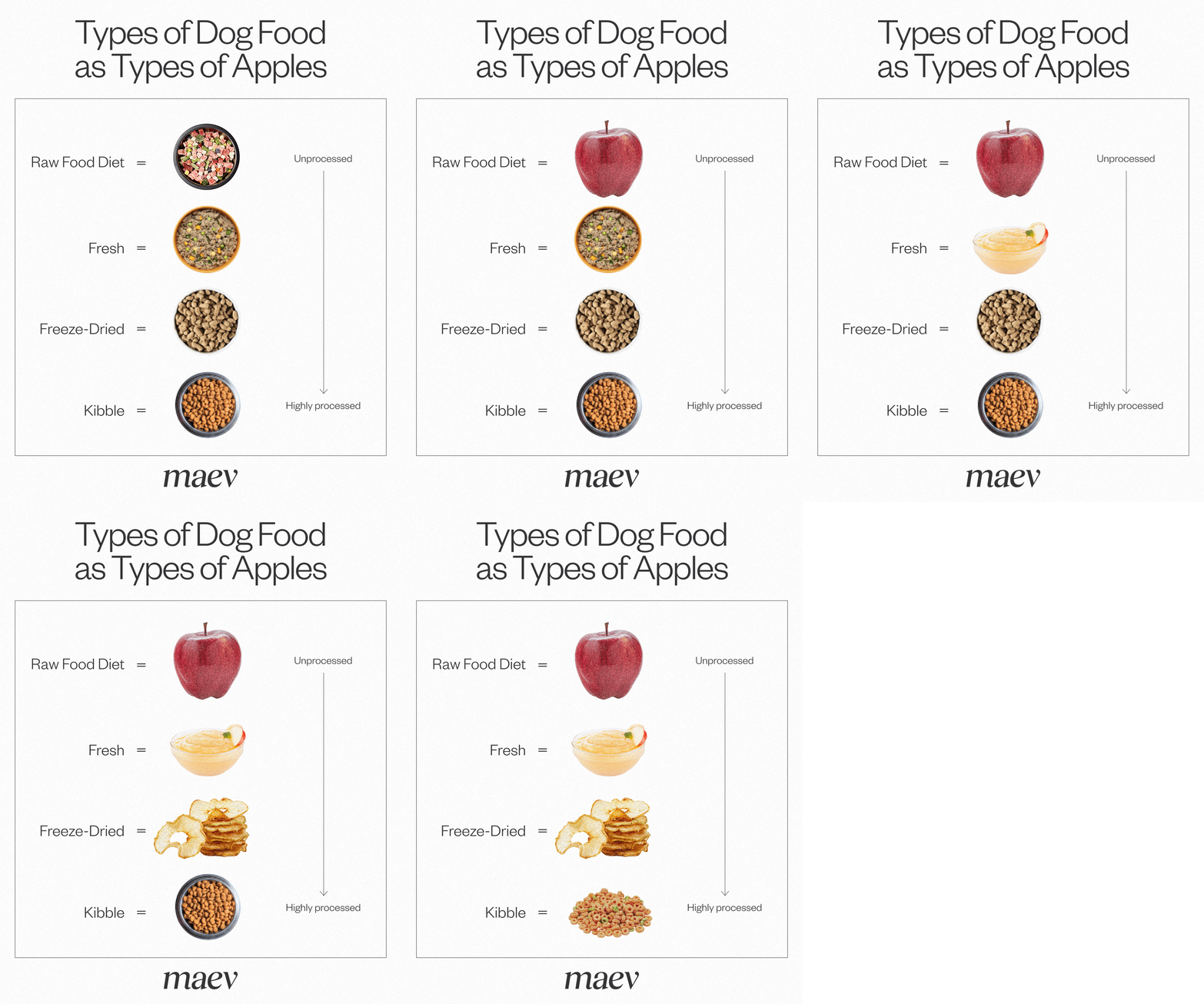
Dry dog food
dry food is affordable, easy to store, and simple to measure. It can also help some owners maintain consistent portion control.
Choose a dry food with a complete and balanced statement. Keep the bag sealed and store it in a cool, dry place. Do not leave large amounts exposed to air for weeks because fats can become rancid.
Wet dog food
Wet food contains more water than kibble. This may help dogs that drink very little or need extra moisture in their diet. Many dogs also find wet food more appealing.
The main drawbacks are cost, storage, and dental care. Wet food does not clean teeth by itself, so regular brushing and dental care remain important.
Fresh or gently cooked food
Fresh food may be convenient and appealing, especially for picky dogs. However, it must still be complete and balanced. A refrigerated meal is not automatically healthier than a properly made dry food.
Check whether the company employs qualified animal nutrition experts and performs nutrient testing. Ask how the food is handled, stored, and preserved.
Homemade dog food
Homemade meals can work, but they are easy to get wrong. Meat and rice alone do not provide all the calcium, vitamins, minerals, and fatty acids a dog needs.
If you want to cook for your dog, use a recipe created for your dog by a board-certified veterinary nutritionist. Do not replace essential supplements without professional advice.

How to Read a Dog Food Ingredient List
Ingredient lists can help you understand a food, but they should not be used alone to judge quality. Ingredients are listed by weight, including water. This means a fresh meat ingredient may appear high on the list partly because it contains a lot of water.
Look for a formula that provides:
• A clear source of animal or plant protein
• Appropriate fat from sources such as chicken fat or fish oil
• Useful fiber from ingredients such as beet pulp, pumpkin, or certain grains
• Added vitamins and minerals
• Nutrients suited to your dog’s life stage
A named protein, such as chicken, beef, lamb, or salmon, can make the recipe easier to understand. However, a food with several protein sources can also be nutritious.
Do not assume that by-products are harmful. Some organ meats provide valuable nutrients. Likewise, grains are not automatically unhealthy. Corn, rice, barley, and oats can provide energy and nutrients for many dogs.
Grain-free food deserves extra caution. Most dogs do not need a grain-free diet unless a veterinarian identifies a specific reason. Research has investigated a possible link between some grain-free diets, diets high in certain legumes, and canine dilated cardiomyopathy. The exact cause is still being studied, so discuss grain-free feeding with your veterinarian before making a change.
Choosing Food by Age, Size, and Activity
Your dog’s lifestyle changes the answer to which food for dogs is the best.
Puppies
Puppies need food with enough calories, protein, fat, and carefully balanced minerals. Large-breed puppies should eat a formula made for large-breed growth.
Feed puppies several small meals each day. Follow the feeding chart as a starting point, then adjust based on body condition. A growing puppy should be lean, not round.
Adult dogs
Adult dogs need enough energy to maintain a healthy weight. A less active indoor dog may need fewer calories than a working dog or an athlete.
Measure meals with a standard measuring cup or kitchen scale. Free feeding can lead to weight gain, especially in dogs that enjoy eating.
Senior dogs
Older dogs may become less active and lose muscle more easily. They may need fewer calories but still require high-quality protein.
Some senior diets include extra fiber, omega-3 fatty acids, or joint-support nutrients. These can be useful, but the right choice depends on your dog’s medical needs.
Active and working dogs
Dogs that run, hike, hunt, or work may need more calories and fat. Increase food gradually and monitor weight, energy, stool quality, and recovery.
Do not assume that every energetic dog needs a high-performance diet. A young dog that plays for 30 minutes a day may not have the same needs as a working sled dog.
Special Diets for Allergies and Health Problems
Food allergies are less common than many owners think. Dogs with allergies may react to proteins such as beef, chicken, or dairy, but environmental allergies are also common.
Signs may include:
• Repeated ear infections
• Itchy skin
• Red paws
• Digestive upset
• Vomiting or chronic loose stool
A veterinarian may recommend a limited-ingredient or hydrolyzed protein diet. During a food trial, your dog must eat only the prescribed food. Treats, table scraps, flavored medicine, and chews can interfere with the results.
Dogs with kidney disease, diabetes, pancreatitis, urinary stones, or severe digestive disease may need a therapeutic diet. These foods are formulated for a medical purpose and should be used with veterinary guidance.
Avoid changing a sick dog’s diet based only on online advice. The wrong food can worsen some conditions, even if the ingredients appear healthy.
How Much Food Should Your Dog Eat?
The feeding guide on the package is a starting point, not a fixed rule. Two dogs of the same weight may need different amounts because of age, metabolism, activity, and health.
Use body condition to guide adjustments. You should be able to feel your dog’s ribs under a thin layer of fat. Your dog should have a visible waist when viewed from above and a slight abdominal tuck from the side.
Measure all food and treats. Treats should generally provide no more than about 10% of daily calories. If your dog receives many treats, reduce the main meal slightly.
Watch for these signs of overfeeding:
• Fast weight gain
• No visible waist
• Difficulty feeling the ribs
• Low energy
• Heavy breathing during mild activity
Weight control is not about making a dog hungry. It is about giving the right amount of food, using low-calorie rewards, and adding safe activity.
Common Mistakes Dog Owners Make
Even a good food can cause problems when it is used incorrectly. These mistakes are common and easy to avoid.
• Changing food too quickly can cause vomiting or diarrhea.
• Feeding too many treats can lead to weight gain.
• Choosing food only because of attractive packaging can hide poor nutrition.
• Giving table scraps can upset digestion or expose dogs to toxic foods.
• Ignoring dental care can allow plaque and gum disease to develop.
• Storing food poorly can reduce freshness and safety.
• Following internet trends can lead to unbalanced diets.
Foods that dogs should never eat include chocolate, grapes, raisins, onions, garlic, xylitol, alcohol, and large amounts of fatty foods. If your dog eats a dangerous food, contact a veterinarian or pet poison service promptly.
One lesson I have seen again and again is that consistency matters. Owners often switch foods every few days because a dog has a soft stool or skips one meal. A calm, gradual plan usually works better than constant changes.
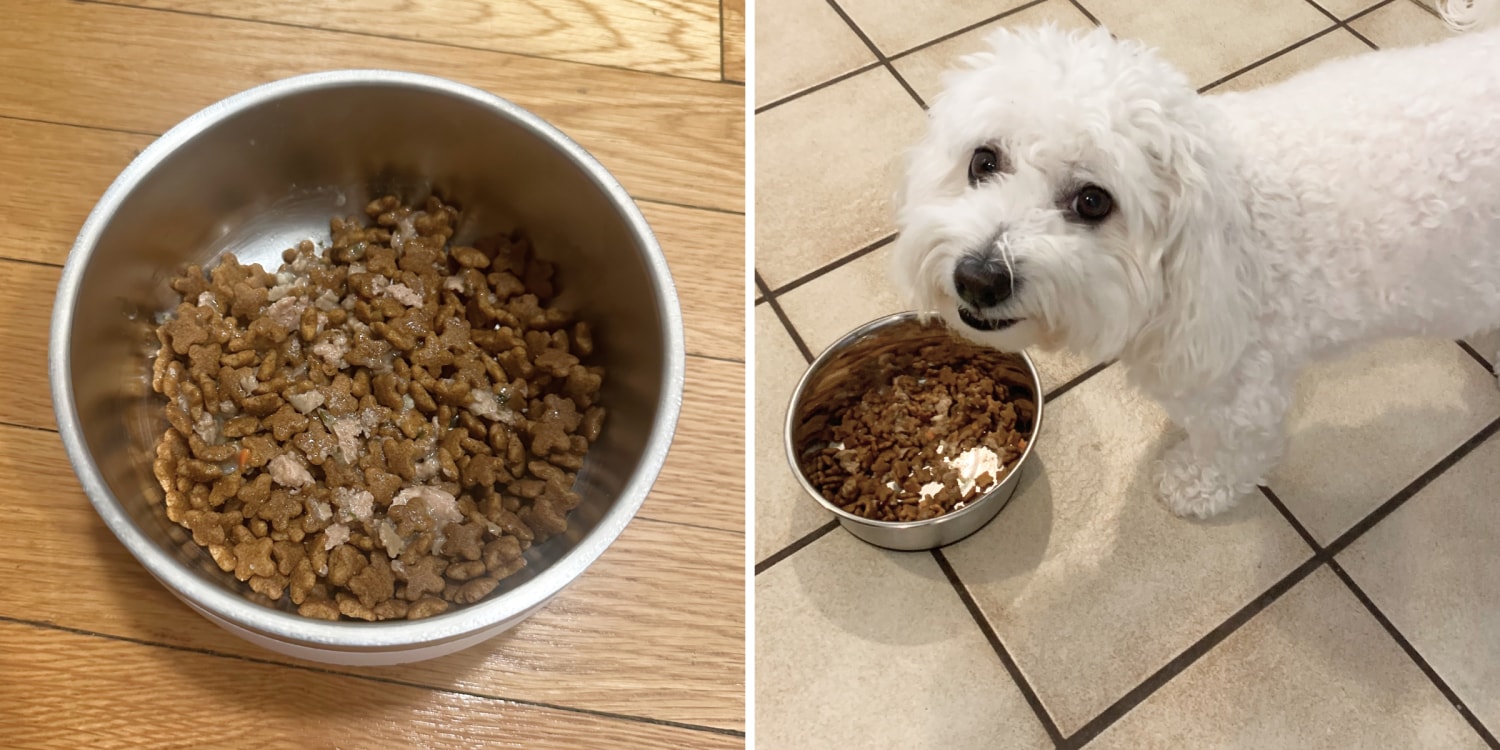
How to Change Your Dog’s Food Safely
Change food over about seven days. Sensitive dogs may need a longer transition.
- Feed about 75% of the old food and 25% of the new food for two days.
- Move to 50% old food and 50% new food for two days.
- Feed 25% old food and 75% new food for two days.
- Serve 100% new food on the final day.
Monitor appetite, stool, energy, itching, and vomiting. Mild changes may happen, but repeated vomiting, severe diarrhea, weakness, blood in the stool, or refusal to eat requires veterinary advice.
Keep the transition simple. Avoid adding new treats, supplements, or table food at the same time. Otherwise, you may not know which change caused the problem.

How to Compare Dog Food Brands
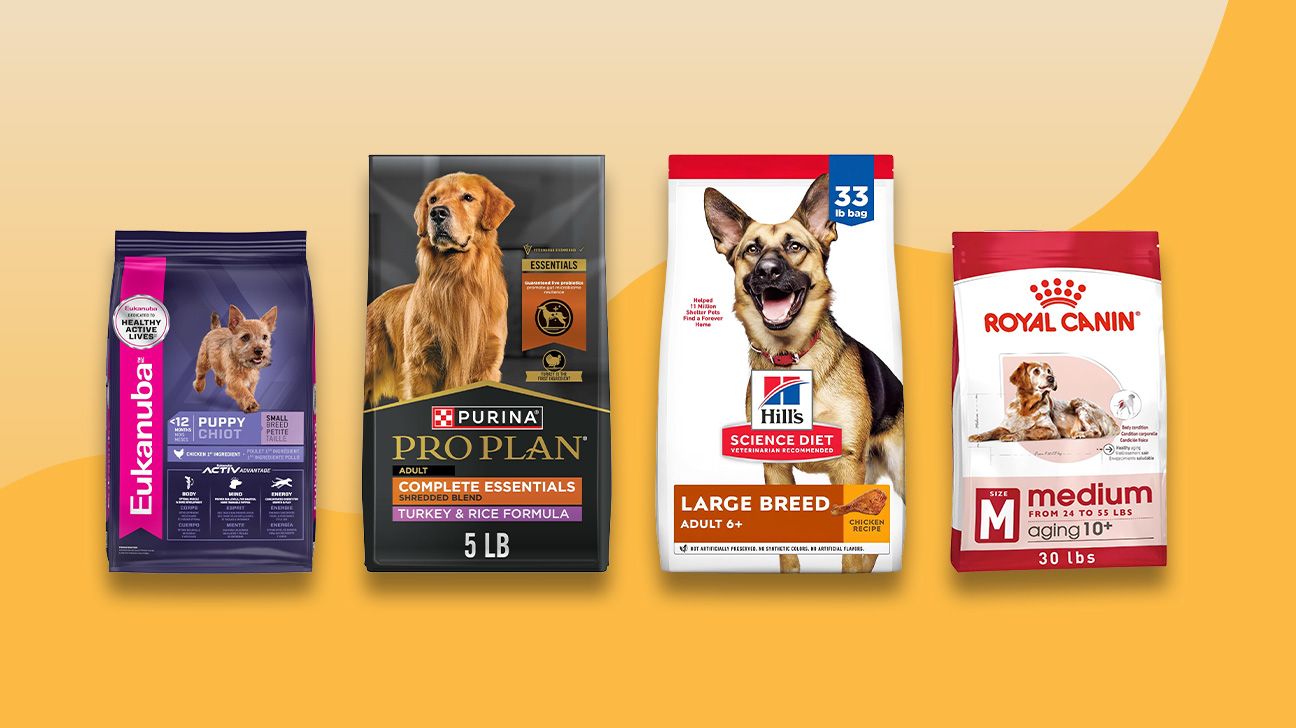
When comparing brands, focus on evidence rather than marketing language. A trustworthy company should provide clear contact details and answer questions about formulation, testing, and quality control.
Consider these points:
• Does the food have a complete and balanced nutritional statement?
• Is it made for your dog’s life stage?
• Does the company employ qualified nutrition experts?
• Does it test ingredients and finished products?
• Can the company explain its safety and recall process?
• Does your dog maintain a healthy weight and normal stool on it?
Price alone does not determine quality. A costly food may not suit your dog, while a reasonably priced food may meet every nutritional need.
Veterinary guidance is especially valuable when your dog has a chronic illness, unusual symptoms, or a history of food intolerance. Your veterinarian can also help calculate calories instead of relying only on a package chart.
Frequently Asked Questions About Which Food for Dogs Is the Best
Which food for dogs is the best for a healthy adult dog?
The best food is a complete and balanced adult-maintenance formula that your dog digests well and can eat in the correct portion. Choose a reputable product and monitor body weight, stool, coat, and energy.
Is dry food better than wet food for dogs?
Neither is always better. Dry food is convenient and easy to measure, while wet food provides more moisture and may be more appealing to picky dogs.
Are grain-free diets healthier for dogs?
Not usually. Most dogs can digest grains well, and grain-free food is not automatically more nutritious; use it only when a veterinarian identifies a clear reason.
What is the best food for a dog with allergies?
A veterinarian may recommend a hydrolyzed protein diet or a carefully controlled limited-ingredient diet. Do not start a food trial with treats or flavored products that contain untested ingredients.
Can dogs eat homemade food every day?
They can, but only when the recipe is complete and balanced for dogs. Work with a board-certified veterinary nutritionist because meat, vegetables, and rice alone can lack key nutrients.
How often should I change my dog’s food?
You do not need to change food if your dog is healthy, maintains a proper weight, and has good digestion. If you switch, make the change slowly over about seven days.
How do I know if my dog’s food is working?
Healthy signs include stable weight, firm stools, good energy, healthy skin, and a shiny coat. Ongoing itching, vomiting, diarrhea, weight loss, or weight gain deserves a veterinary check.
Conclusion
The answer to which food for dogs is the best depends on the individual dog. Start with a complete and balanced formula made for the right life stage, then consider your dog’s size, activity, health, preferences, and budget.
Read the nutritional statement, measure portions, limit treats, and change foods slowly. If your dog has a medical condition or persistent symptoms, ask your veterinarian for a tailored plan instead of guessing.
A thoughtful food choice can support many healthy years ahead. Review your dog’s diet today, check body condition, and share your experience or questions with your veterinarian.

Pet Care Writer & Researcher
Daniel writes practical guides on daily care, feeding, and safety, turning complex topics into simple, actionable advice.