
What Dog Food Has The Best Nutrition: Vet-Backed Guide
Find out what dog food has the best nutrition, with expert tips on ingredients, balanced formulas, and choosing the right food for your dog.
The best-nutrition dog food is complete, balanced, life-stage appropriate, and made with quality ingredients your dog can digest well.
Choosing what dog food has the best nutrition is not as simple as picking the most expensive bag or the food with the highest protein number. A healthy diet must match your dog’s age, size, activity level, health needs, and taste. This guide explains how to compare dog foods, read labels, spot marketing claims, and choose a safe diet based on veterinary nutrition standards.
What Dog Food Has the Best Nutrition?
The best dog food has a complete and balanced nutritional profile. It should provide the right mix of protein, fat, carbohydrates, vitamins, minerals, and water for your dog’s life stage.
For most healthy dogs, a high-quality food that meets the nutritional standards of the Association of American Feed Control Officials, or AAFCO, is a strong starting point. AAFCO sets nutrient profiles for growth, reproduction, adult maintenance, and all life stages.
When asking what dog food has the best nutrition, look for these features:
• AAFCO nutritional adequacy statement
• A named animal protein, such as chicken, beef, turkey, salmon, or lamb
• Suitable calories for your dog’s weight and activity
• Clearly listed vitamins and minerals
• Adequate omega-3 and omega-6 fatty acids
• Safe manufacturing and quality control
• A formula designed for your dog’s life stage
A good food should also produce practical results. Your dog should maintain a healthy weight, have steady energy, form firm stools, and show healthy skin and fur.
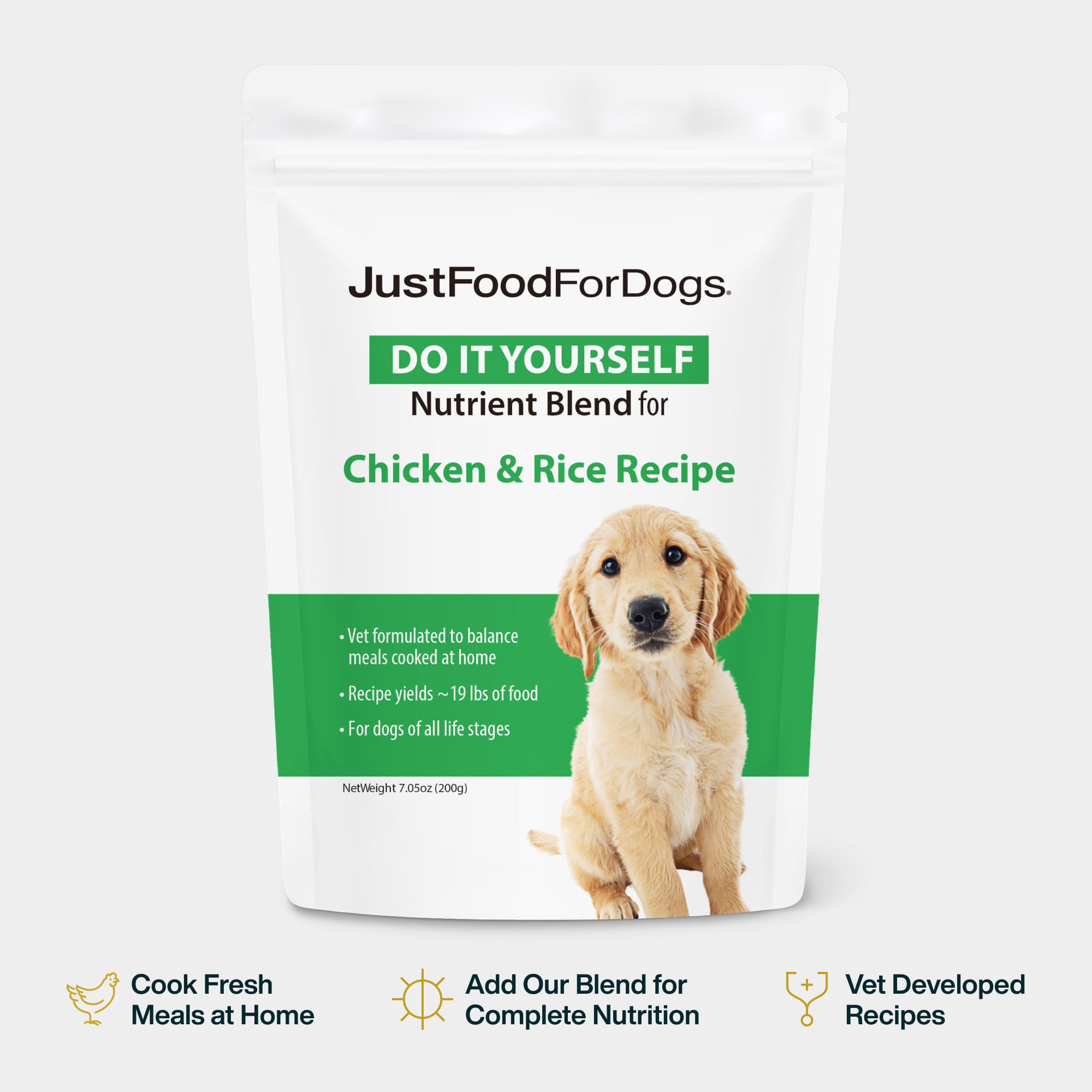
How to Choose the Most Nutritious Dog Food
The best choice depends on the individual dog. A food that works well for an active Labrador may be too rich for a senior Pug. A diet that helps one dog gain weight may cause another dog to become overweight.
Use this simple process when comparing foods:
1. Check the nutritional adequacy statement
The nutritional adequacy statement is usually found on the back or side of the package. It should say that the food is complete and balanced for a specific life stage.
Look for wording such as:
• Complete and balanced for growth
• Complete and balanced for adult maintenance
• Complete and balanced for all life stages
Avoid feeding a food labeled only for “intermittent or supplemental feeding” as your dog’s main diet. These products may be useful as treats or toppers, but they do not provide a complete daily diet.
2. Match the food to your dog’s life stage
Puppies need more calories and specific nutrients for growth. Large-breed puppies also need careful calcium and phosphorus control because fast bone growth may increase the risk of skeletal problems.
Adult dogs need food that supports stable weight and lean muscle. Senior dogs may benefit from fewer calories, more digestible protein, and nutrients that support joint health, although senior food is not regulated as a separate AAFCO life stage.
3. Consider calorie density
Two foods may look similar but provide very different calories per cup. Check the “Calorie Content” section on the label.
This matters because:
• Small dogs can gain weight from just a few extra bites each day.
• Active dogs may need more calories than the feeding chart suggests.
• Neutered dogs often need fewer calories.
• Treats should usually make up no more than 10% of daily calories.
Portion control is part of nutrition. Even the best dog food can lead to obesity when served in excess.
4. Choose food your dog can digest
Ingredient quality matters, but digestibility matters too. Dogs vary in how they respond to grains, legumes, fats, and certain proteins.
Signs of good tolerance may include:
• Firm, regular stools
• Little gas
• Healthy appetite
• Stable body weight
• Shiny skin and a soft coat
• No repeated vomiting
A food with impressive ingredients is not the best option if it causes diarrhea or constant itching.

Wet Food, Dry Food, or Fresh Food: Which Is Best?
Dry, wet, fresh, and freeze-dried foods can all support good nutrition when they are complete and balanced. The format is less important than the nutrient profile, safety, calorie level, and suitability for your dog.
Dry dog food
Dry kibble is convenient, easy to measure, and often less expensive per serving. It can also be stored easily and used in food puzzles.
However, kibble contains less water than canned food. Dogs that drink little may benefit from added water or a portion of wet food.
Wet dog food
Canned food usually contains much more moisture than dry food. This can help dogs that need extra water or prefer soft textures.
Wet food may be helpful for:
• Older dogs with dental pain
• Dogs with a poor appetite
• Dogs that need more water in their diet
• Dogs that enjoy stronger smells and flavors
It is often more expensive and spoils faster after opening.
Fresh or gently cooked food
Fresh dog food may use recognizable ingredients and can be appealing to owners who want a home-style diet. The key question is whether the recipe is complete and balanced.
Some fresh diets are excellent. Others may lack minerals, essential fatty acids, or enough calcium. Refrigerated storage also requires careful handling.
Raw dog food
Raw diets are controversial. They may contain harmful bacteria such as Salmonella, Listeria, or E. coli. These bacteria can affect dogs and people in the home, including children, older adults, and people with weak immune systems.
The American Veterinary Medical Association and other veterinary groups advise caution with raw feeding. Cooking meat and using a complete commercial formula greatly reduces food safety risks.
So, what dog food has the best nutrition among these options? The answer is the format your dog can eat safely, digest well, and receive in a complete and balanced recipe.
Understanding Dog Food Ingredients
Ingredient lists can help you understand a product, but they should not be judged like a simple “good versus bad” chart. Ingredients are listed by weight before processing, so ingredients with high water content may appear near the top.
Protein sources
Dogs need protein for muscles, skin, organs, hormones, enzymes, and immune function. Animal proteins such as chicken, turkey, beef, fish, and eggs are common sources.
Plant proteins can also contribute useful nutrients. The important issue is whether the complete recipe provides enough essential amino acids.

