When To Give A Puppy A Dog Bed: Safe Timing Guide
Learn when to give a puppy a dog bed, how to choose the right one, and tips for creating a safe, comfortable sleep space.
Give your puppy a dog bed from the first day home, once it is safe, washable, and well supervised.
Knowing when to give a puppy a dog bed helps you build good sleep habits without creating a chewing or choking risk. Most puppies can use a bed right away, but the best choice depends on age, behavior, crate training, and how well your puppy handles unsupervised time.
When can a puppy start using a dog bed?
Most puppies can use a dog bed from the first day they arrive home. There is no need to wait until a puppy reaches a certain age. A soft, supportive bed can help your puppy feel secure during a major change.
However, the bed should match your puppy’s habits. A calm puppy may sleep safely on a bed at once, while a puppy that chews, digs, or tears fabric may need a simple mat first.
The safest answer to when to give a puppy a dog bed is this: give one early, but supervise your puppy until you know how the bed will be used.
Puppies often sleep 18 to 20 hours each day. Good rest supports growth, learning, and emotional control. A comfortable bed gives your puppy a clear place to settle instead of sleeping on cold floors or furniture.
A bed is not a replacement for a crate, playpen, or training plan. Think of it as one part of your puppy’s sleep setup.

Should a puppy sleep on a dog bed right away?
Yes, a puppy can sleep on a dog bed right away if the bed is safe and the puppy does not destroy it. Many new owners place a bed in the crate, pen, or quiet corner on the first night.
Start with short, watched sessions. Let your puppy sniff the bed and choose whether to lie on it. Reward calm behavior with soft praise or a small treat.
If your puppy starts chewing the edges, pulling out stuffing, or eating loose threads, remove the bed at once. Fabric and stuffing can cause choking or intestinal blockage if swallowed.
A useful approach is to offer the bed during calm times:
• After a potty break
• After gentle play
• When your puppy begins to yawn
• During a quiet family activity
• After a short training session
This teaches your puppy that the bed is a place for rest. It also helps prevent a common mistake: placing a new bed down only when you leave the house.
The answer to when to give a puppy a dog bed may be “the first day,” but the answer to when to leave the bed alone with your puppy depends on safety. Some puppies earn that freedom in days. Others need several weeks or months.
Signs your puppy is ready for unsupervised bed time
Age alone does not tell you when to give a puppy a dog bed without supervision. Behavior matters more than the number of weeks your puppy has lived.
Your puppy may be ready for more freedom when they can:
• Lie on the bed without biting it
• Sleep for 20 to 30 minutes without digging
• Leave the bed when asked
• Ignore loose seams and tags
• Settle after mild excitement
• Stay calm in a crate or playpen
• Avoid swallowing household items
Test the bed during the day before using it overnight. Watch your puppy for at least 10 to 15 minutes. If your puppy rests, wakes, and continues to leave the bed alone, try a longer session later.
Do not test a new bed for the first time when you are asleep. Nighttime supervision is harder, and you may not hear chewing or tearing.
A puppy that destroys one bed may not be “bad.” Chewing is normal, especially during teething. The bed may simply be too tempting, too soft, or too easy to pull apart.

Choosing the safest dog bed for a puppy
The best puppy bed is not always the thickest or most expensive model. Safety, cleaning, and durability matter more than style.
Look for these features:
• A firm but comfortable surface
• A washable cover
• Strong seams
• No loose ribbons, buttons, cords, or beads
• A size that lets your puppy stretch out
• A low edge that does not trap small legs
• A material that dries quickly
For young puppies, a flat mat or tightly woven bed often works well. It gives comfort without offering many loose parts to chew.
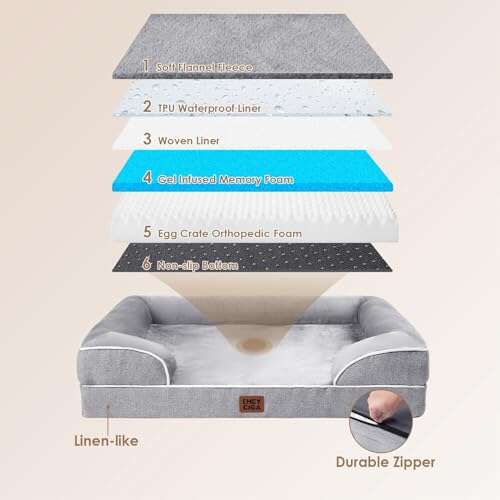
Avoid beds with exposed foam if your puppy is a strong chewer. Memory foam can be comfortable, but it should have a secure cover that your puppy cannot open.
A waterproof liner can help with accidents. It can also protect the inner cushion from odors. Washable bedding is especially helpful during house training, when even a careful puppy may have accidents.
The answer to when to give a puppy a dog bed should always include a safety check. Inspect the bed often and replace it when the fabric is torn or the filling is exposed.

Where should a puppy’s bed go?
Place the bed in a quiet but familiar part of your home. Puppies often sleep better when they can see or hear their family without being in the center of foot traffic.
Good locations include:
• A corner of the living room
• Beside your bed at night
• Inside a secure playpen
• Near your home office
• In a crate, if the bed fits safely
Keep the bed away from heaters, fireplaces, direct sunlight, and cold drafts. Do not place it near cords, houseplants, cleaning products, or small objects.
At night, many puppies settle more easily when the bed or crate is near their owner. This can reduce distress and makes nighttime potty trips easier.
You can add a second bed later. One bed may stay in the crate, while another can sit in the main living area. This helps your puppy learn that resting is welcome in more than one safe place.
When deciding when to give a puppy a dog bed, also decide where the bed will support your daily routine. A good location makes calm behavior easier.

Dog bed, crate, or blanket: What should you use?
A dog bed and a crate serve different purposes. A bed offers comfort and gives your puppy a rest area. A crate provides a small, secure space for sleep, travel, and short periods of management.