Do Dogs Need Bedding In Their Crate: A Cozy Crate Guide
Do dogs need bedding in their crate? Learn which materials offer comfort, safety, and easy cleaning for a happier, well-rested dog.
Most dogs benefit from crate bedding, but the best choice depends on age, chewing habits, health, and comfort.
The answer to “do dogs need bedding in their crate” is not the same for every dog. A soft bed can make a crate feel safe and restful, but the wrong bedding may cause chewing, overheating, accidents, or stress. This guide explains how to choose crate bedding, when to skip it, and how to help your dog sleep safely.
Do Dogs Need Bedding in Their Crate?
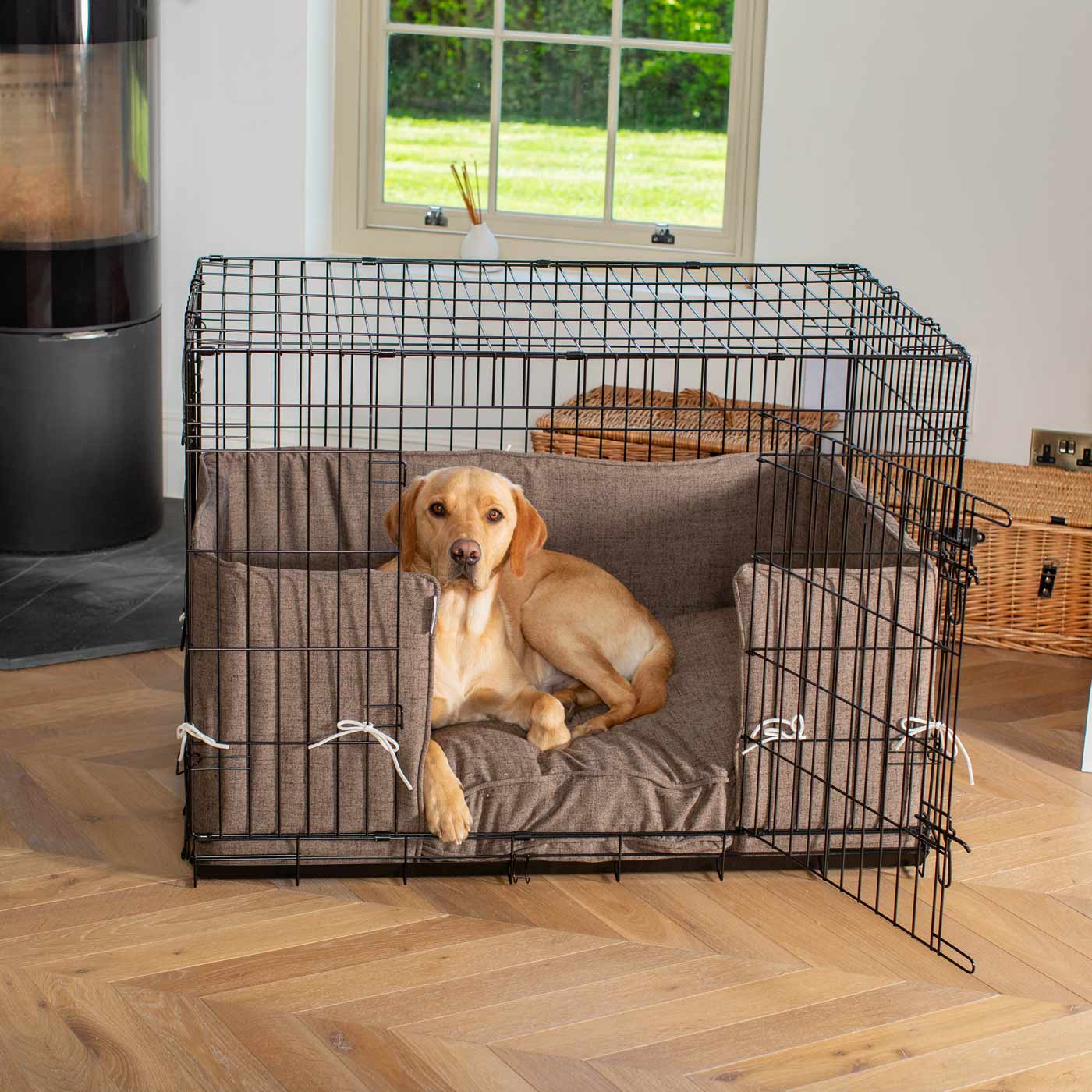
Most dogs do well with some form of comfortable crate bedding. A padded surface protects the body from a hard crate floor and gives your dog a clear place to rest. It can also make the crate feel more like a quiet den.
However, bedding is not a must for every dog. Some dogs prefer the cool, firm floor. Others may chew, shred, or soil their bed. In these cases, safety matters more than softness.
When deciding do dogs need bedding in their crate, consider these factors:
• Your dog’s age and chewing habits
• The temperature in your home
• Whether your dog has joint pain or health needs
• Your dog’s toilet training progress
• The crate’s size and ventilation
• Whether your dog can settle calmly on soft bedding
A crate should be a safe resting place, not a test of endurance. If your dog cannot use bedding safely, start with a bare crate and try again later.

Benefits of Putting Bedding in a Dog Crate
The right crate mat or bed can improve your dog’s comfort in several ways. It can also support better rest during naps, nighttime sleep, and travel.
Comfort and joint support
A hard plastic or metal crate floor may feel uncomfortable after a long period. This is especially true for senior dogs, thin dogs, and breeds prone to joint problems.
A supportive bed helps cushion pressure points. It may also help dogs with arthritis, hip pain, or muscle weakness rest more easily. Talk with your veterinarian before using bedding as a treatment for pain, though. A bed can support comfort, but it cannot fix an underlying medical issue.
Warmth in cold weather
Dogs lose heat through their bodies when they lie on a cold floor. Bedding adds a layer between your dog and the ground. This can be useful in winter or in homes with cool floors.
Small dogs, short-haired breeds, puppies, and older dogs may feel cold more quickly. Still, avoid heavy or thick bedding if your dog pants, seeks cool areas, or feels warm to the touch.
A calmer crate experience
A familiar mat can make a crate feel predictable. This may help a dog settle during bedtime, car rides, or short periods alone.
Dogs often like familiar scents. A washable blanket or crate pad that smells like home may reduce stress. Do not use bedding with loose strings, buttons, or torn fabric, since these can become choking or swallowing hazards.
Better sleep
Rest is important for puppies and adult dogs. A comfortable surface may help a dog stay asleep instead of shifting on a hard floor.
That said, not every dog sleeps better on a plush bed. Some dogs become too warm or dislike sinking into soft material. Your dog’s behavior is the best guide.

When Bedding May Not Be Safe
The question do dogs need bedding in their crate must include safety. A bed is helpful only when your dog can use it without harm.
Dogs that chew or destroy fabric
Some dogs chew beds because they are bored, anxious, teething, or simply playful. Shredded foam and fabric can cause choking or intestinal blockage if swallowed.
Watch your dog closely during the first few bedding sessions. Remove the bed at once if you notice:
• Pulling at seams
• Tearing holes
• Eating foam or fabric
• Repeated digging that damages the bed
• Guarding pieces of the bed
Do not punish your dog for chewing the bed. Calmly remove it and offer a safe chew toy outside or inside the crate, if appropriate.
Puppies still learning house training
Young puppies may wet a thick bed because it absorbs liquid. The bed can then stay damp and encourage repeat accidents.
For a puppy that is not fully house-trained, use a thin, washable mat or a flat crate liner. Keep a spare ready. Clean accidents with an enzymatic cleaner so the odor does not draw your puppy back to the same spot.
Overheating risk
Thick fleece, memory foam, and enclosed covers can trap heat. This may be risky in warm rooms or for dogs with heavy coats, short noses, or breathing problems.
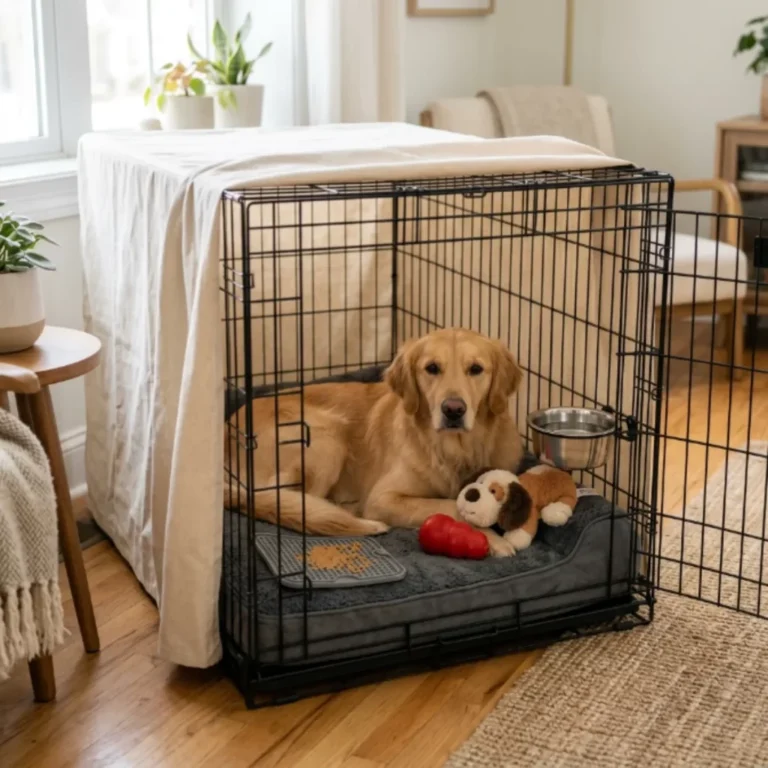
Choose breathable material and leave space around the crate for air movement. Never cover the crate in a way that blocks ventilation.
Dogs with separation anxiety
Bedding does not cure separation anxiety. A distressed dog may rip up the bed, break teeth on the crate, or injure the mouth and paws.
If your dog panics in the crate, contact a veterinarian or qualified behavior professional. A gradual behavior plan is safer than simply adding more bedding.
How to Choose the Best Crate Bedding
When asking do dogs need bedding in their crate, the next question is often which bed is safest. Look for a product that matches your dog’s habits, body, and environment.
Choose the right size
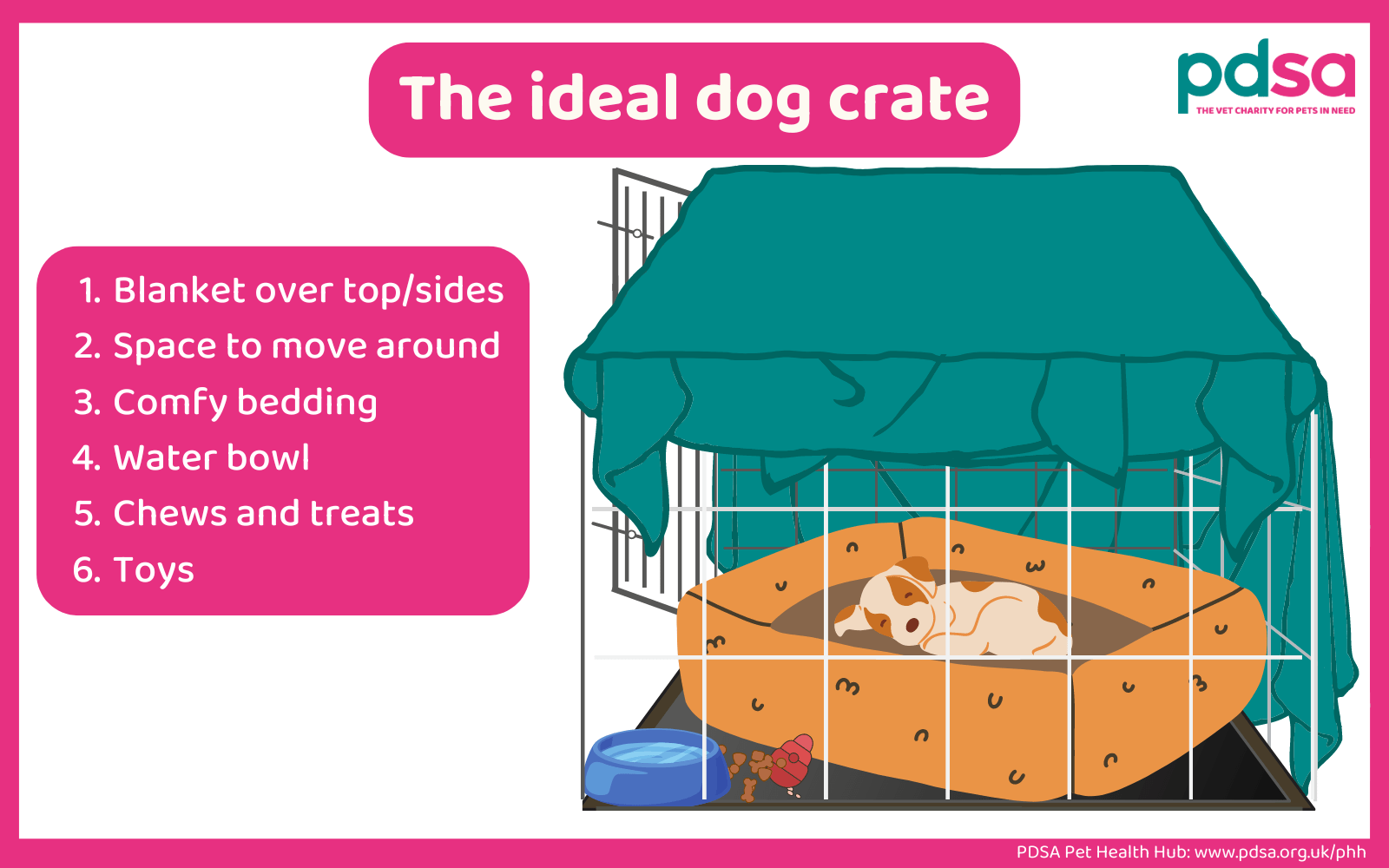
A crate bed should fit the floor without bunching at the sides. Your dog should be able to stand, turn around, stretch, and lie down comfortably.
Avoid beds that fill the entire crate too tightly. Your dog needs room to move and should not feel trapped by the bedding.
Pick safe materials
Good crate bedding is usually:
• Durable and easy to wash
• Breathable
• Free from loose threads
• Firm enough to support the body
• Sized to fit the crate
• Made without small parts
For safe chewers, a washable crate mat may work well. For dogs that need more support, consider a firm orthopedic-style pad. Ask your veterinarian for guidance if your dog has arthritis or another health condition.
Consider washable covers
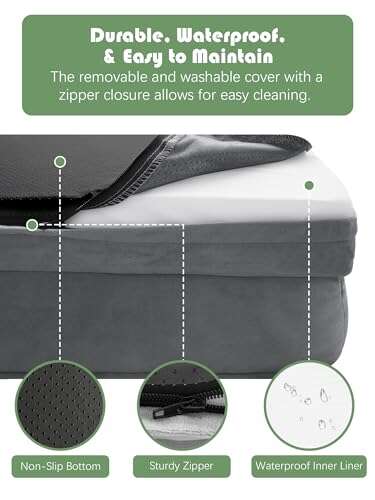
Accidents, drool, mud, and shedding are normal parts of dog ownership. A removable, machine-washable cover makes cleaning much easier.
It is useful to keep two covers. One can be in the crate while the other is being washed. This helps your dog keep a familiar resting place.
Avoid unsafe extras
Do not place these items in a crate without careful supervision:
• Electric heating pads
• Weighted blankets
• Loose towels for strong chewers
• Beds with exposed zippers or stuffing
• Long toys, cords, or strings
Heating products can cause burns or overheating. If your dog seems cold, improve room temperature first and ask a veterinarian for safe options.