Does A Dog Crate Need A Bed: Pros And Cons
Does a dog crate need a bed? Learn the benefits, safety tips, and best bedding options for a comfortable, secure crate.
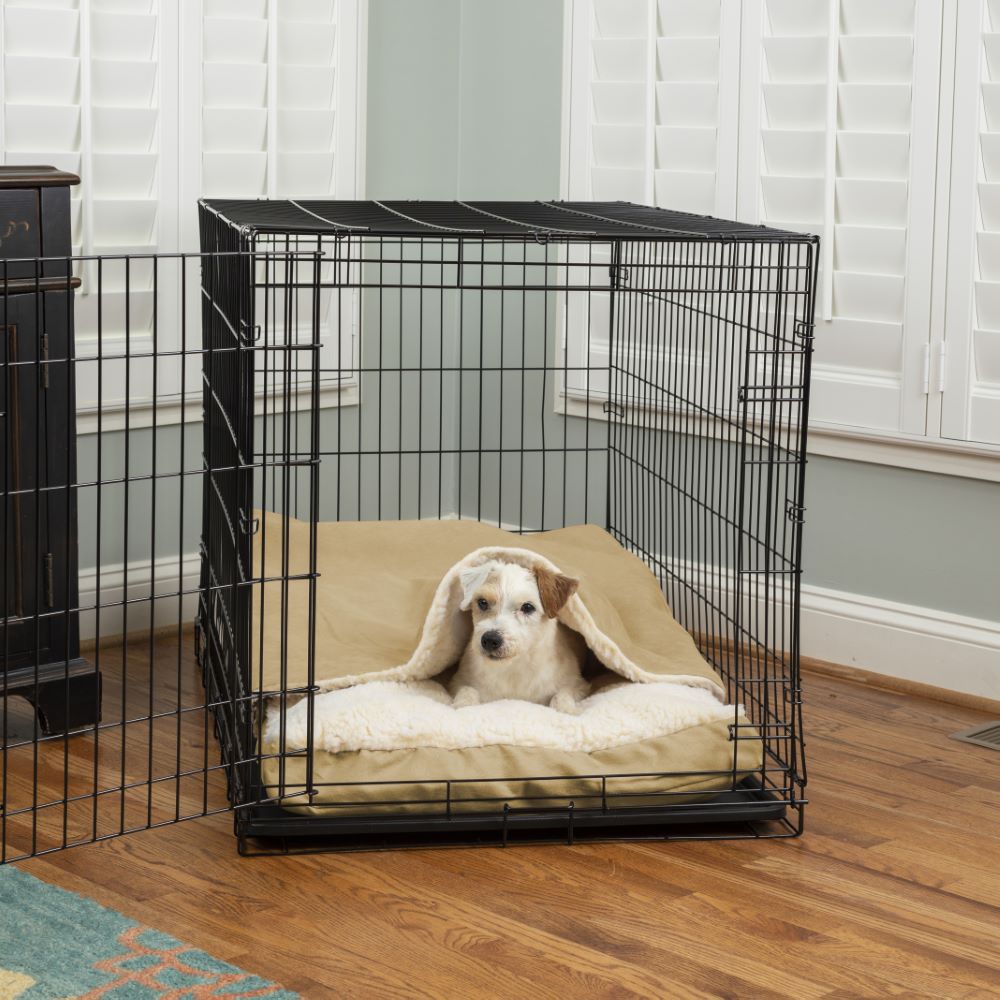
A dog crate does not always need a bed, but soft, safe bedding often improves comfort.
The answer depends on your dog, crate habits, age, health, and chewing style. A crate bed can make the space feel calm and cozy, but the wrong bed may create safety risks, heat, mess, or stress. This guide explains when bedding helps, when to skip it, and how to choose a safe option based on practical dog care and veterinary guidance.
Why a Dog Crate Bed Can Be Helpful
A crate should feel like a safe resting place, not a place of punishment. For many dogs, a soft bed adds comfort and helps the crate feel more like a quiet bedroom.
Dogs sleep for many hours each day. Puppies may sleep up to 18 hours in a day, while adult dogs often sleep around 12 to 14 hours. A clean, supportive surface can help your dog rest well during naps and overnight sleep.
A dog crate bed may offer several benefits:
• Cushioning for joints, hips, and elbows
• Warmth in cool rooms
• A softer surface for dogs with thin coats
• Better comfort during overnight crating
• A more inviting space for rest and relaxation
• Less pressure from a hard plastic or metal crate floor
A bed can also protect your dog from cold drafts. This matters for small dogs, senior dogs, short-haired breeds, and dogs with arthritis. Still, comfort is only one part of the decision. Safety must come first.
When a Dog Crate Does Not Need a Bed
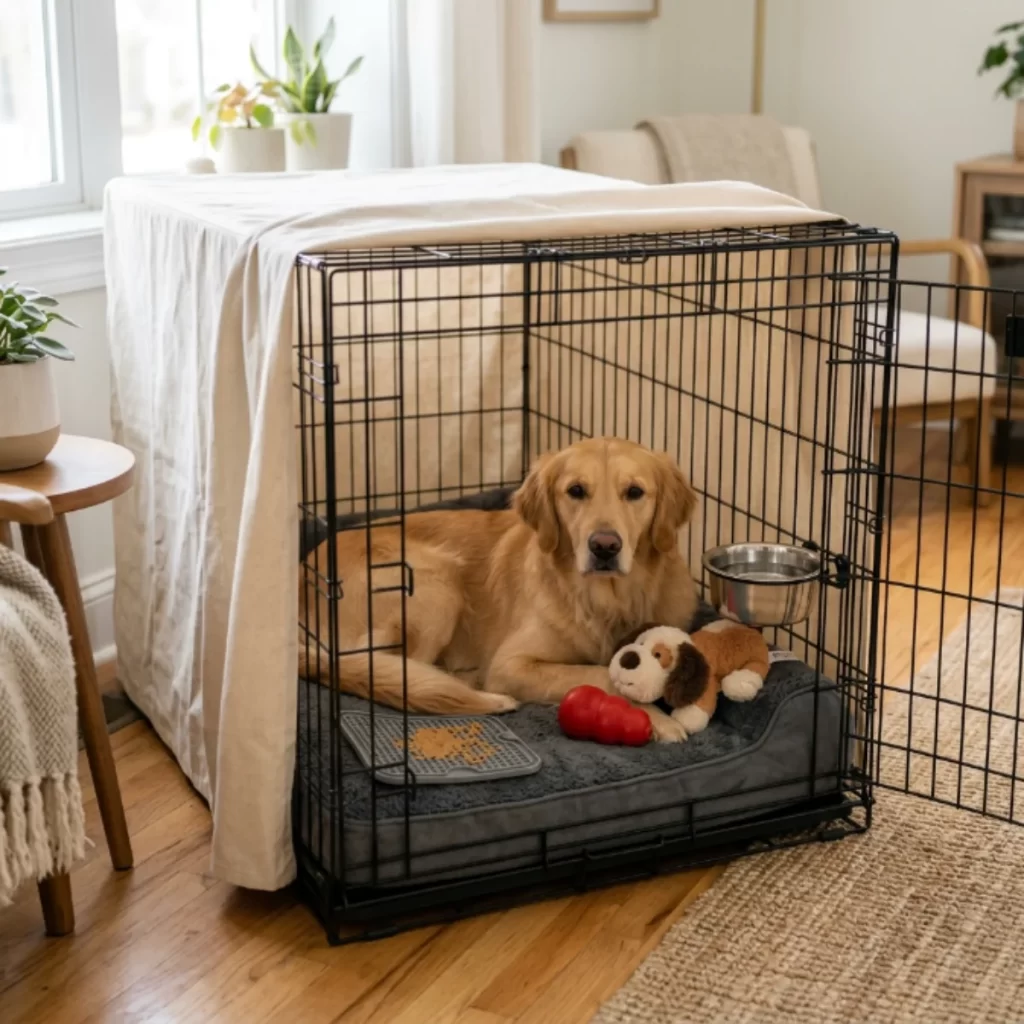
Some dogs do well without crate bedding. They may prefer a cool, firm floor or may become destructive when left alone with fabric.
You may not need a dog crate bed if your dog:
• Chews or tears every blanket
• Eats stuffing, foam, or fabric
• Has frequent potty accidents
• Overheats easily
• Pushes bedding into a corner
• Sleeps comfortably on the crate floor
• Shows signs of anxiety around soft items
Many dogs remove their beds because they feel too warm. Others chew because they are bored, teething, stressed, or simply exploring. A destroyed bed is more than an inconvenience. Loose fabric and filling can cause choking or intestinal blockage if swallowed.
In these cases, the bare crate floor may be the safest short-term choice. You can add a thin, tough mat later when your dog shows better self-control.
A dog crate does not need a bed just because other dogs use one. Watch your dog’s behavior instead of following a one-size-fits-all rule.

Safety Risks of Crate Bedding
The main risk of crate bedding is not the bed itself. It is how your dog uses it.
A calm adult dog may sleep safely on a plush cushion. A young puppy or anxious chewer may rip it apart within minutes. Even a small tear can expose foam, strings, or stuffing.
Common bedding risks include:
• Choking on torn fabric or filling
• Intestinal blockage from swallowed foam
• Broken nails or teeth from trapped threads
• Overheating under thick blankets
• Skin irritation from dirty or damp material
• Mold or bacteria from bedding that stays wet
• Increased potty accidents if the bed absorbs urine
inspect the bed often. Look for holes, loose seams, exposed foam, wet spots, and missing pieces. Replace damaged bedding right away.
Never leave a new bed with your dog for a long period without supervision. Test it during a short rest period first. If your dog starts chewing, scratching, or pulling at the seams, remove it.
A useful rule is simple: if your dog eats bedding, the bedding is not safe for unsupervised crate use.
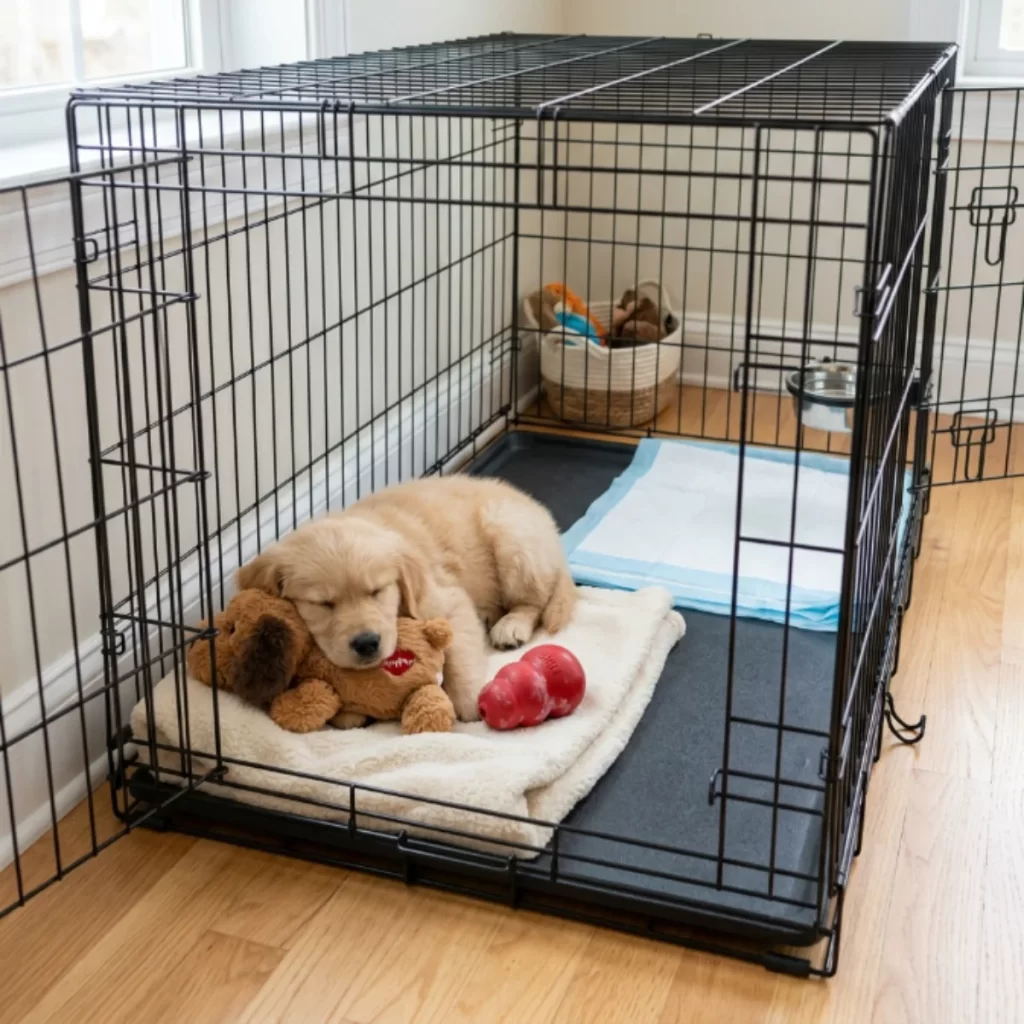
How to Choose the Best Dog Crate Bed
If your dog is ready for bedding, choose a bed that fits the crate and matches your dog’s needs. A good bed should be comfortable, washable, durable, and safe.
Choose the Correct Size
The bed should cover most of the crate floor without being forced against the sides. Your dog should be able to:
• Lie down fully
• Turn around with ease
• Stretch out
• Sit without hitting the crate roof
A bed that is too small may bunch up or leave hard areas exposed. A bed that is too large may press against the crate door and reduce usable space.
Measure the inside floor of the crate before shopping. Do not rely only on the listed crate size, since bed dimensions can vary by brand.
Select Safe Materials
Look for strong stitching and durable fabric. Avoid beds with easy-to-remove buttons, ribbons, beads, or plastic parts.
For most dogs, useful features include:
• Machine-washable covers
• Flat construction
• Reinforced seams
• Non-slip bottoms
• Water-resistant layers
• Breathable fabric
A waterproof liner can help with accidents, but it should not trap too much heat. Thick memory foam may feel comfortable for an older dog, but it can also become warm. Use it only when the crate has good airflow and your dog can move away from the bed.
Match the Bed to Your Dog
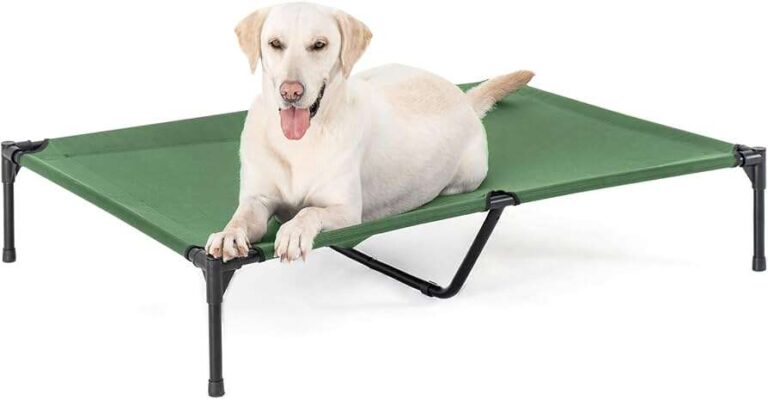
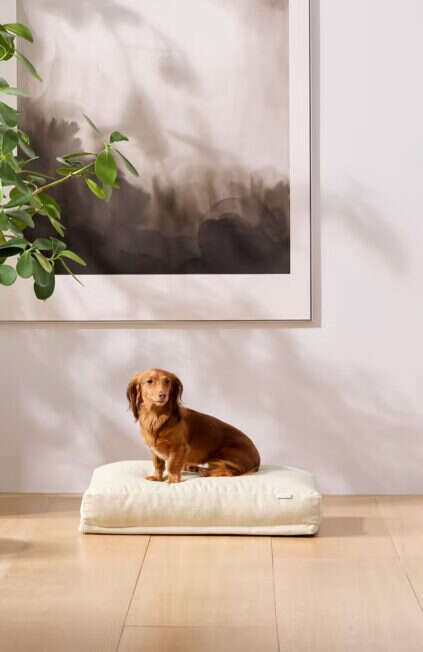
A senior dog may benefit from orthopedic support. A puppy may need a simple, washable mat. A long-haired dog may prefer a thin, breathable pad rather than a thick fleece bed.
For a dog that chews, consider a tightly woven, low-profile crate mat. However, no “chew-proof” label guarantees safety. Supervision remains important.