What Is The Best Dog Bed For Chewers: Tough Picks
Find out what is the best dog bed for chewers, with durable, chew-resistant options that offer comfort, support, and lasting value.
For most chewers, the best dog bed is a raised cot with strong fabric, hidden seams, and no loose stuffing.
Finding the best dog bed for chewers takes more than choosing a bed labeled “indestructible.” Strong dogs can tear soft fabric, pull out foam, and swallow loose pieces in minutes. The right choice depends on your dog’s chewing style, size, age, sleep habits, and how much supervision you can provide. This guide explains which materials last, which designs fail, what safety signs to watch for, and how to choose a bed that offers comfort without becoming a chew toy.
What Is the Best Dog Bed for Chewers?
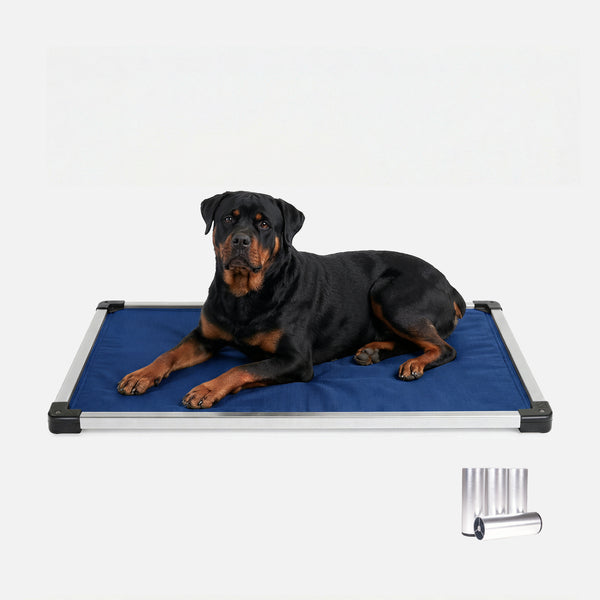
The best dog bed for chewers is usually a sturdy elevated cot made with tightly woven ballistic nylon, ripstop polyester, or PVC-coated mesh. These beds have little or no stuffing, keep the fabric off the floor, and often use metal frames with reinforced corners.
A raised cot is not perfect for every dog. Some older dogs, thin-coated dogs, or dogs with arthritis may prefer a soft orthopedic bed. In that case, look for a chew-resistant cover with dense foam inside and a zipper hidden beneath a protective flap.
The ideal bed should offer four things:
• Strong fabric that resists tearing and scratching
• Seams that are reinforced or placed out of easy reach
• A frame or base that does not collapse under your dog’s weight
• Parts that can be replaced or washed when needed
No dog bed is truly indestructible. A determined power chewer may damage even a premium product. Think of “indestructible” as marketing language, not a guarantee.
Best overall design
For many homes, the best dog bed for chewers is a heavy-duty elevated cot. The tight mesh or fabric platform gives your dog a firm place to rest while removing the soft edges and stuffing that invite chewing.
Cots also allow air to move under your dog. This can help dogs that sleep hot or live in warm climates. They are easy to wipe clean and usually dry faster than thick foam beds.
Best design for older dogs
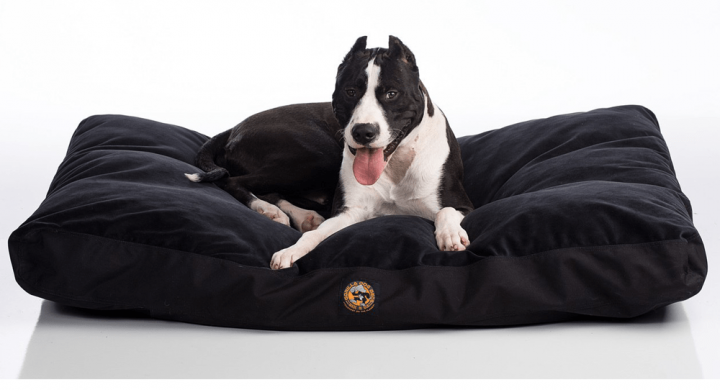
A senior dog may need pressure relief more than a raised frame. Choose a firm orthopedic foam mattress with a tough, removable cover. Memory foam or high-density support foam can cushion joints, but the foam must stay fully enclosed.
Avoid exposed foam. Once a dog finds a corner, the bed can quickly become a pile of shredded material.
Best design for puppies
Puppies often chew because they are teething, bored, curious, or learning how the world works. A simple cot or flat mat without loose filling is often safer than a plush bed.
Choose a bed that is easy to clean. House training accidents, muddy paws, and drool are part of puppy life.
Why Do Dogs Chew Their Beds?
Chewing is normal dog behavior, but the reason behind it matters. A dog that chews from boredom needs a different solution from a dog that panics when left alone.
Common causes include:
• Teething in puppies
• Boredom or too little daily activity
• Stress, fear, or separation anxiety
• A habit that has been rewarded with attention
• A need to explore texture and scent
• Frustration caused by confinement
• Excess energy after a quiet day
A new bed alone may not solve the problem. If your dog destroys every bed within hours, focus on the behavior as well as the product.
Offer safe chew items, daily walks, short training sessions, food puzzles, and calm rest time. Reward your dog for lying on the bed without chewing it. If the chewing happens mainly when your dog is alone, speak with a veterinarian or qualified veterinary behavior professional.
Sudden destructive behavior can also signal pain or stress. A veterinary check is wise if chewing starts without an obvious reason or appears with pacing, whining, appetite changes, or other unusual behavior.
Features to Look for in a Chew-Proof Dog Bed
When shopping for the best dog bed for chewers, inspect the construction rather than trusting the product name. A tough bed should make chewing difficult and swallowing pieces unlikely.
Durable bed materials
The most useful materials include:
• Ballistic nylon: A dense, strong fabric often used in heavy-duty gear. It can resist tearing better than ordinary polyester.
• Ripstop nylon or polyester: These fabrics use a reinforced weave that helps stop small tears from spreading.
• PVC-coated polyester: This material is tough, water resistant, and easy to clean. It is common in outdoor cots.
• Heavy canvas: Thick canvas can last well, but it may absorb moisture unless treated.
• Powder-coated steel: A strong frame is less likely to bend or crack than thin plastic.
Material alone does not determine strength. A strong fabric with weak stitching can still fail. Look for double stitching, bar-tacked stress points, and reinforced corners.
Hidden zippers and protected seams
Zippers, stitching, and fabric edges are tempting targets. The best dog bed for chewers should place the zipper under a flap or on the underside of the cover.
Avoid beds with decorative cords, exposed piping, dangling tags, or large fabric loops. These parts can give a dog an easy starting point.
Minimal or no stuffing
Loose filling creates two problems. First, it gives a dog something fun to pull apart. Second, swallowed foam or fiber can cause choking or intestinal blockage.
A flat, firm mat or elevated cot is often a safer choice for a dog that destroys plush beds. If you choose an orthopedic bed, make sure the inner foam cannot be reached through a small tear.
Washable and replaceable parts
A removable cover makes daily care much easier. Even better, choose a brand that sells replacement covers, sling fabric, or hardware.
Replacing one damaged part costs less than replacing the whole bed. It also lets you keep the same familiar sleeping area while fixing the weak section.

The Best Dog Bed for Different Types of Chewers
Not all chewers need the same bed. Watch what your dog does before buying.
Light chewers
A light chewer may nibble fabric but does not usually tear through it. This dog may do well with a thick canvas or ripstop cover over firm foam.
Choose comfort and washability first. Still, avoid loose buttons, thin fleece, and exposed seams.
Moderate chewers
A moderate chewer can open seams, pull zippers, or remove stuffing after several days or weeks. An elevated cot or flat ballistic-nylon mat is usually a better match.
Give your dog a safe chew item nearby. Some dogs chew the bed simply because it is the only interesting object in the room.
Power chewers
A power chewer needs a simple design with few parts. Look for a metal cot, welded frame, thick sling, and no loose fill.
Inspect the bed every day at first. Even the best dog bed for chewers should be removed as soon as it develops a hole, sharp edge, broken fastener, or loose thread.
Dogs that dig before sleeping
Some dogs scratch and circle before lying down. This behavior can quickly damage thin covers. A tough cot or dense canvas mat can handle digging better than plush fabric.
You can also provide a designated digging blanket or scratch-safe area. Redirecting the habit is often more effective than buying a stronger bed alone.
Dogs that chew only when alone
This pattern may point to separation distress rather than a simple chewing habit. A heavy bed can reduce damage, but it will not treat anxiety.
Use gradual alone-time training and ask a veterinarian for guidance if your dog shows panic, escape attempts, drooling, or nonstop vocalizing.

Raised Cots vs. Orthopedic Beds for Chewers
Both styles can work, but they solve different problems.
| Bed type | Main benefit | Best for | Main limitation |
|---|---|---|---|
| Elevated cot | Tough, cool, easy to clean | Active dogs and strong chewers | May be less soft for sore joints |
| Flat ballistic mat | Simple and hard to destroy | Moderate chewers | Offers less cushioning |
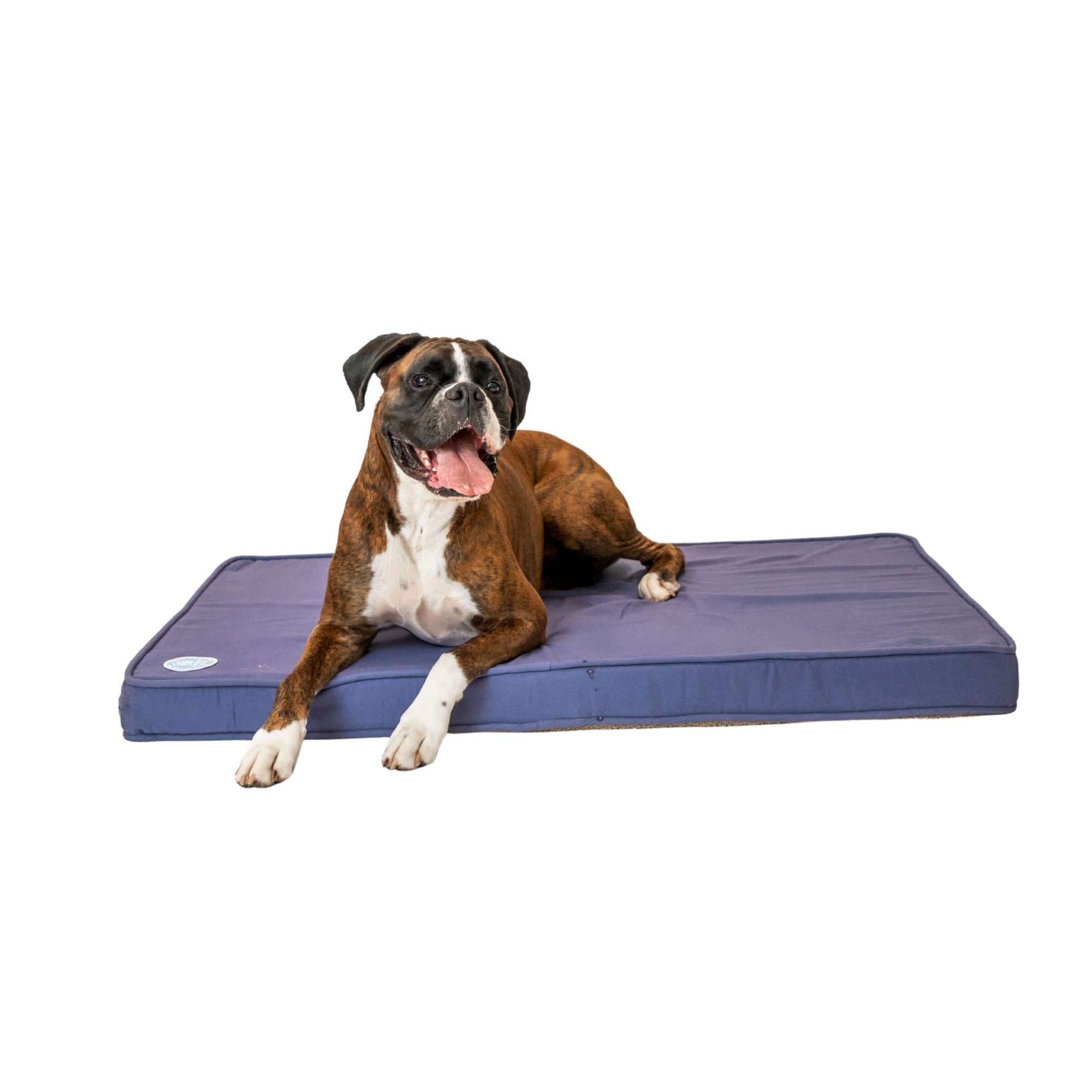
| Orthopedic foam bed | Joint support and comfort | Senior dogs and dogs with arthritis | Foam can be dangerous if exposed |
| Heavy canvas mattress | Soft but durable | Light or moderate chewers | May hold moisture |
| Plastic or rubber mat | Easy to clean | Crates, kennels, and messy dogs | Can feel hard or cold |
A cot is often the best starting point for a healthy adult dog that chews bedding. An orthopedic bed may be better for a senior dog, but only when the cover is secure and the foam is protected.