Why Do Dogs Bark When They Hear Other Dogs Bark: Explained
Why do dogs bark when they hear other dogs bark? Learn the instincts, emotions, and communication cues behind this common canine behavior.
Dogs bark at other barking dogs because sound triggers social signals, alertness, excitement, or fear.
If you wonder why do dogs bark when they hear other dogs bark, the answer is more complex than simple imitation. Dogs use barking as a social tool, and the same sound can mean “Where are you?”, “Stay away,” or “Let’s play.” Understanding the cause helps you respond with calm, safe training instead of punishment.
Why Do Dogs Bark When They Hear Other Dogs Bark?
Dogs are social animals with strong hearing and fast emotional responses. When one dog barks, nearby dogs may treat the sound as useful information. They may not know what started the first bark, but they hear a possible warning and feel compelled to respond.
This reaction is often called social facilitation. One dog’s behavior increases the chance that another dog will perform the same behavior. The same pattern can happen with barking, whining, howling, and even running toward a fence.
Dogs may bark after hearing another dog for several reasons:
• Alertness: The bark may signal a person, animal, or unusual event.
• Social contact: Your dog may be trying to locate or answer another dog.
• Excitement: The sound may raise energy during play or outdoor activity.
• Territorial behavior: Your dog may feel the need to protect the home or yard.
• Fear or stress: A sudden bark may make your dog feel unsafe.
• Frustration: Your dog may want to reach the other dog but cannot.
The sound alone does not reveal the full meaning. You must also watch body language, context, distance, and what happens before and after the barking.
Barking Is a Form of Canine Communication
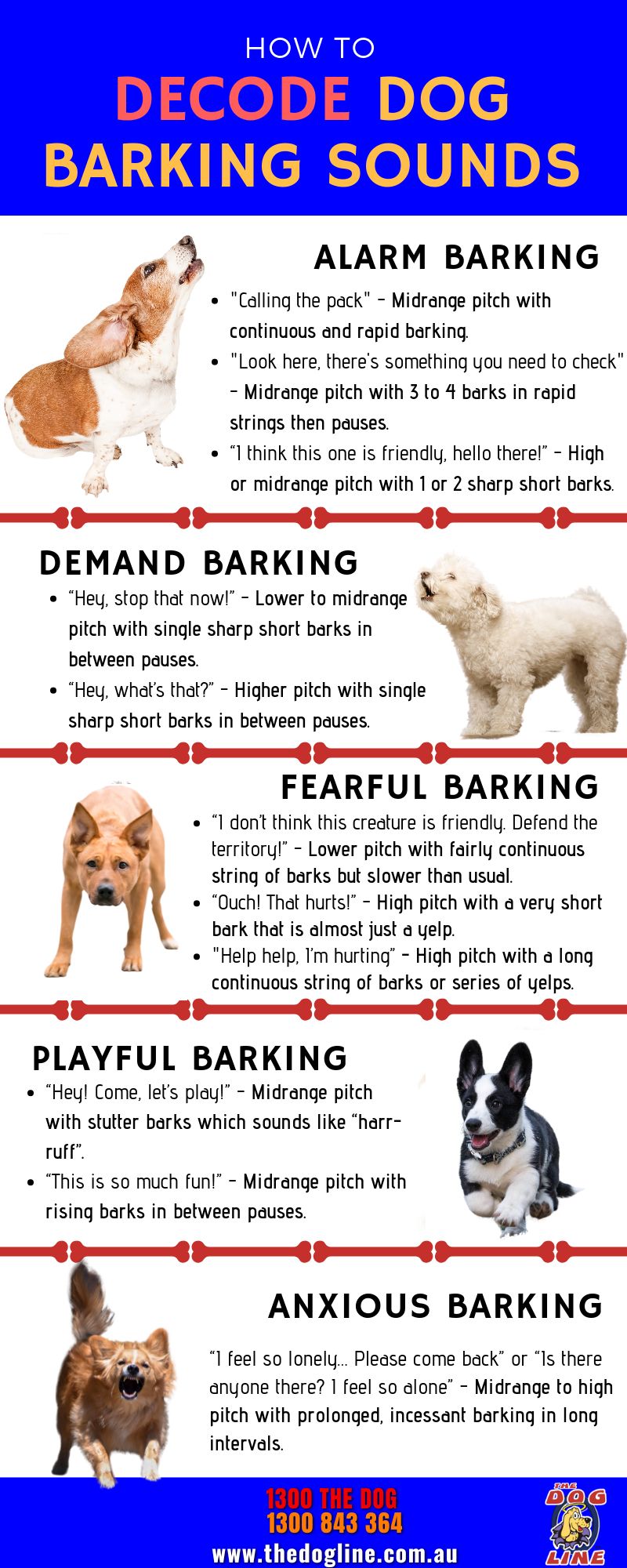
Barking is not a single language with one fixed meaning. Dogs change the pitch, speed, volume, and rhythm of their barks to express different states.
A high, fast bark may suggest excitement or distress. A low, steady bark may show concern or a warning. A series of short barks can be an alert, while a long howl may help dogs communicate across a wide area.
When a dog hears another dog bark, it may answer because the sound works like a phone call. The dog hears a message and sends one back. This does not always mean the dog is angry or trying to start a fight.
Body language gives important clues:
• Loose muscles and a relaxed tail may point to friendly interest.
• A play bow often signals a desire to interact.
• A stiff body, raised fur, and fixed stare may show tension.
• Lip licking, yawning, hiding, or tucked ears may suggest fear.
• Lunging and snapping require immediate safety steps.
A common mistake is to judge the bark without reading the dog’s body. Barking with a loose, wiggly body is very different from barking with a stiff posture and hard stare.

Social Learning and the “Bark Echo” Effect
Dogs can learn from other dogs. If one dog barks and the sound is followed by attention, movement, or excitement, another dog may copy the response. Over time, this can become a habit.
For example, imagine three dogs in nearby yards. One dog barks at a delivery truck. The second dog hears it and barks at the fence. The third dog hears both and joins in. Within seconds, the whole block sounds involved.
This pattern does not mean dogs are gossiping in the human sense. It means they are responding to a shared event. The first dog may notice something real, while the others react to the emotional energy of the sound.
Dogs also learn through repetition. If barking makes a person open the door, pick up a leash, or look outside, the dog may discover that barking produces results. Even scolding can reward barking if the dog wants attention.
To reduce this cycle, reward quiet behavior before the barking becomes intense. Calm behavior is easier to teach when the dog can still think and respond to you.

Why Dogs Bark at Distant Dogs
Sound travels farther than scent or sight in many outdoor settings. A dog may hear another dog from several houses away, across a park, or behind a closed door. The hidden source can make the sound even more interesting.
A dog that cannot see the barking animal may bark because it wants more information. It may be asking, “Where are you?” or warning, “I hear you.” This is especially common at night, when the environment is quieter and sounds seem stronger.
Some dogs also have a natural tendency to join in with distant barking. Hounds, herding breeds, and other vocal dogs may respond quickly because sound-based communication is part of their history. Still, breed does not determine behavior by itself. Individual temperament and training matter greatly.
Indoor dogs may react to barking through windows, walls, or doors. Blocking the view can help, but it does not solve every case. Your dog may still hear the sound and need a calm replacement behavior.

Why Dogs Bark When They Hear Dogs on TV or Outside
Many dogs react to sounds from television, phones, speakers, or videos. They may hear a bark clearly but fail to find the dog. This can create confusion, excitement, or frustration.
Some dogs respond only to real dogs. Others react to recorded barking because the sound itself is enough to trigger their alert system. The quality and pitch of the recording can also affect the response.
Try these steps if your dog barks at barking sounds:
-
Lower the volume until your dog notices but stays calm.
-
Say a calm cue such as “thank you” or “quiet.”
-
Offer a small treat when your dog looks at you.
-
Stop the sound if your dog becomes tense or frantic.
-
Repeat short sessions over several days.
This method is a form of gradual desensitization and counterconditioning. It teaches your dog that hearing another dog does not always require a loud response.
Avoid playing loud barking videos to “get it over with.” That approach can overwhelm the dog and make the reaction stronger.
How Emotion Changes a Dog’s Bark
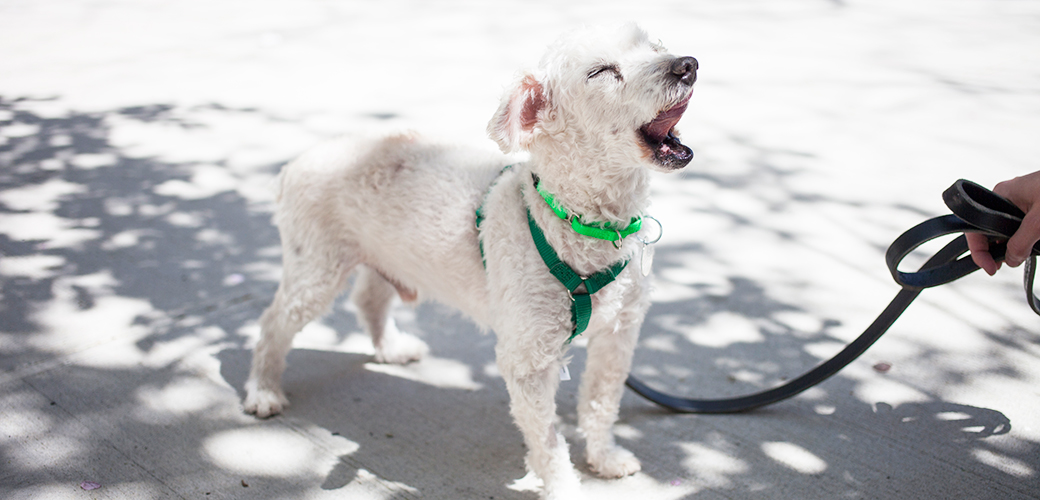
The same trigger can produce different barking in different dogs. One dog may bark from joy, while another barks from fear. A third dog may bark because it feels trapped behind a fence or window.
Excitement often comes with:
• A loose body
• Fast tail movement
• A forward lean
• Play bows
• Quick recovery after the sound ends
Fear or anxiety may come with:
• A low body position
• Tucked tail
• Trembling
• Avoiding eye contact
• Pacing or hiding
• Slow recovery after the trigger is gone