What Is A Good Healthy Dog Food: Vet-Backed Guide
What is a good healthy dog food? Learn how to choose nutritious ingredients, balanced formulas, and the best diet for your dog’s needs.
A good healthy dog food is complete, balanced, safe, and matched to your dog’s age, size, and health.
Knowing what is a good healthy dog food can feel confusing. Store shelves are full of bright bags, long ingredient lists, and claims such as “natural,” “premium,” and “grain-free.” The best choice is usually less about marketing and more about sound nutrition, trusted safety standards, and your dog’s individual needs. This guide explains how to read a dog food label, compare recipes, avoid common mistakes, and choose food with confidence.

What is a good healthy dog food?
What is a good healthy dog food? It is a diet that provides all essential nutrients in the right amounts for a specific dog. It should support healthy muscles, bones, skin, digestion, energy, and immune function.
A good food should also be safe and suitable for the dog’s:
• Age and life stage
• Breed size
• Activity level
• Body condition
• Health history
• Food allergies or intolerances
• Pregnancy or nursing status
The words “healthy” and “natural” do not have one simple legal meaning on every package. A food can look wholesome yet fail to meet a dog’s nutritional needs. On the other hand, a food with simple grains and standard ingredients may be highly nutritious.
The most useful starting point is the nutritional adequacy statement. In the United States, look for wording that says the food is “complete and balanced” for a stated life stage. This statement means the diet is designed to meet nutrient profiles set by the Association of American Feed Control Officials, commonly called AAFCO.
A complete and balanced food is not automatically perfect for every dog. A senior dog with kidney disease, for example, may need a veterinary diet rather than a standard adult formula. Nutrition is not one-size-fits-all.
How to read a dog food label
Understanding the label helps you look past attractive packaging. The label should give you enough information to judge whether the food fits your dog.
Check the nutritional adequacy statement
This is one of the most important parts of the package. It should identify whether the food is complete and balanced for:
• Growth
• Adult maintenance
• All life stages
• Gestation and lactation
• A specific medical use
Puppies need different nutrient levels than adult dogs. Large-breed puppies also need careful control of calories, calcium, and phosphorus because rapid growth can stress developing bones and joints.
Review the guaranteed analysis
The guaranteed analysis lists minimum crude protein and crude fat, plus maximum crude fiber and moisture. These numbers are helpful, but they do not tell the whole story.
For example, a wet food may show less protein than dry food because it contains much more water. Comparing foods fairly may require converting nutrients to a dry matter basis. Your veterinarian or a veterinary nutritionist can help with this calculation.
Look at feeding directions
Feeding charts are starting points, not exact rules. A highly active dog may need more food, while a less active dog may need less. Watch body condition and adjust portions slowly.
Use a measuring cup or kitchen scale rather than guessing. Small daily extras, such as treats, table scraps, and dental chews, can add many calories.
Find the manufacturer’s contact details
A reliable company should provide clear contact information. It should also answer questions about:
• Where the food is made
• Who formulates the recipe
• Quality control testing
• Ingredient sourcing
• Recall procedures
• Calorie content
A company that avoids basic nutrition questions deserves caution.

Which ingredients should healthy dog food contain?
There is no single magic ingredient that defines what is a good healthy dog food. Dogs need a balanced mix of nutrients, not just one impressive ingredient.
High-quality protein
Protein supplies amino acids for muscle, skin, coat, enzymes, hormones, and tissue repair. Common sources include chicken, turkey, beef, fish, lamb, eggs, and plant proteins.
The ingredient list can show which ingredients weigh the most before cooking. Meat may appear high on the list because it contains water. Meat meals, such as chicken meal, are concentrated sources of animal protein after water is removed.
A high protein number is not always better. The right amount depends on the dog’s age, health, activity, and total calorie intake.
Healthy fats
Fat provides concentrated energy and helps the body absorb vitamins A, D, E, and K. It also supports the skin and coat.
Useful fat sources may include fish oil, chicken fat, flaxseed, and certain plant oils. Omega 3 fatty acids from fish oil can support skin health and may help manage some forms of inflammation. The dose and type matter, so ask your veterinarian before adding supplements.
Carbohydrates and fiber
Dogs can digest properly cooked grains and many other carbohydrates. Rice, oats, barley, corn, and wheat can provide energy, nutrients, and fiber for many dogs.
Fiber helps support normal digestion and stool quality. It may come from beet pulp, pumpkin, chicory root, vegetables, or other ingredients. Too much fiber, however, can reduce digestibility or cause gas in some dogs.
Vitamins and minerals
Dogs require precise amounts of calcium, phosphorus, zinc, copper, iodine, selenium, and other nutrients. These nutrients work together like parts of a machine. Too little or too much can cause problems.
This is why homemade diets should not be improvised. Research has found that many homemade dog diets lack one or more essential nutrients unless they are designed by a board-certified veterinary nutritionist.
Are grains bad for dogs?
For most dogs, grains are not harmful. Properly cooked grains can provide carbohydrates, protein, fiber, vitamins, and minerals.
Grain allergies are possible, but they are less common than many owners believe. Dogs are more often allergic to certain animal proteins, such as beef, dairy, chicken, or eggs, although any protein can cause a reaction.
Some dogs do have medical reasons to avoid a specific ingredient. That decision should follow a veterinarian’s assessment, not a trend on social media.
Grain-free diets and heart health
The U.S. Food and Drug Administration has investigated reports of dilated cardiomyopathy in dogs eating certain diets. Many reported foods were labeled grain-free and contained high levels of peas, lentils, chickpeas, or potatoes.
The evidence is complex, and researchers continue to study the issue. The reports do not prove that every grain-free diet causes heart disease. Still, they show why grain-free food should not be chosen automatically.
If your dog eats a grain-free diet, discuss it with your veterinarian. A diet change may be appropriate, especially if there is no clear medical reason for avoiding grains.

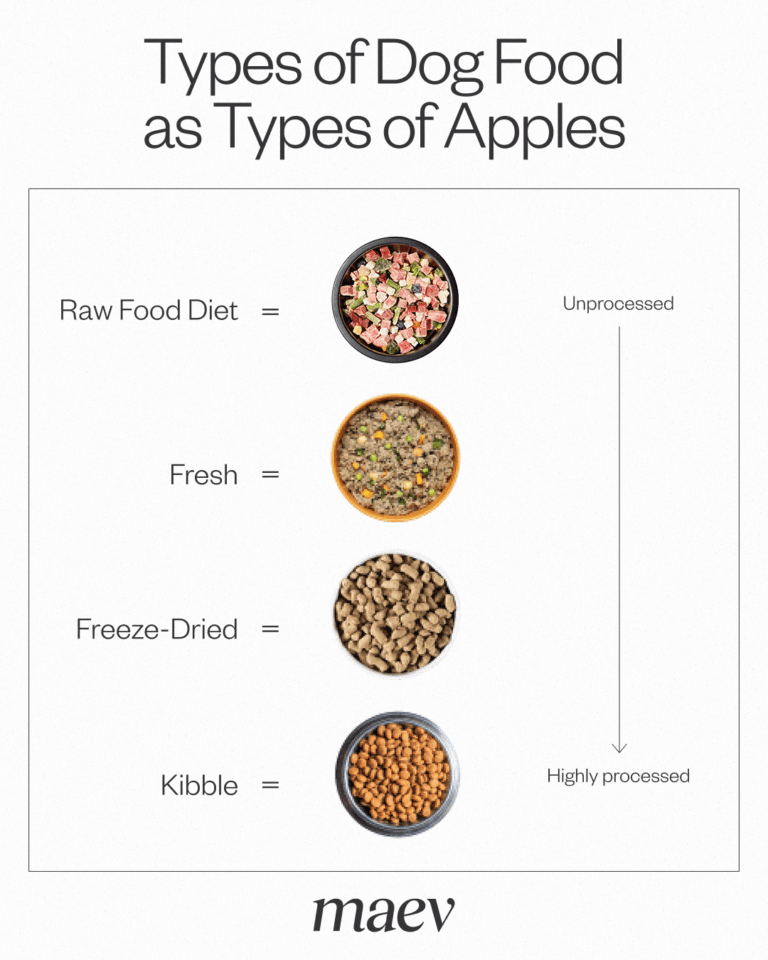
Dry food, wet food, fresh food, or raw food?
The best format depends on your dog, your budget, and your ability to store and serve the food safely. Dry and wet diets can both be healthy when they are complete and balanced.
Dry dog food
Dry food is convenient, easy to measure, and often less expensive per serving. It can also be stored for longer after opening.
However, dry food contains little water. Dogs that do not drink enough may benefit from added water or some wet food, depending on veterinary advice.
Wet dog food
Wet food contains more moisture and may be useful for dogs with low thirst, dental discomfort, or poor appetite. Its soft texture can also help older dogs that struggle to chew.
It often costs more and spoils faster after opening. Refrigerate unused portions and follow storage instructions.
Fresh and gently cooked food
Fresh diets may be appealing because they often use visible ingredients and clear recipes. The key question remains whether the food is complete and balanced, not whether it looks like human food.
Check the package for nutritional adequacy and calorie information. Fresh food can also be costly and requires careful refrigeration.
Raw dog food
Raw diets carry risks of bacterial contamination, including Salmonella, Listeria, and certain strains of E. coli. These organisms can affect dogs and people, especially children, older adults, pregnant people, and those with weak immune systems.
Freezing does not remove every safety risk. Raw bones may also break teeth, cause choking, or lead to digestive blockage. If you are considering raw feeding, speak with a veterinarian who understands nutrition and food safety first.
Choosing food for puppies, adults, and senior dogs
Life stage is central to deciding what is a good healthy dog food. A food made for one stage may not meet the needs of another.
Puppy food
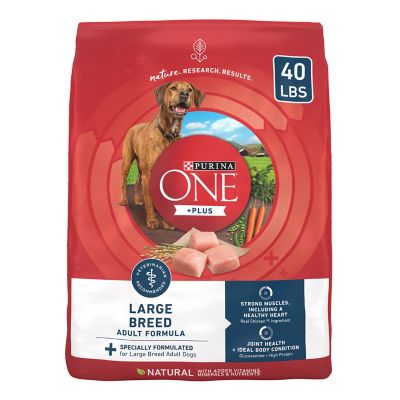
Puppies need enough calories, protein, fat, and minerals for steady growth. Large and giant breed puppies need special formulas that help control growth speed and mineral intake.
Do not add calcium supplements unless your veterinarian prescribes them. Extra calcium can harm growing bones, particularly in large-breed puppies.
Adult dog food
Adult dogs need enough nutrients to maintain muscle, body weight, and normal organ function. The correct calorie level depends on activity and metabolism.
An athletic working dog may need far more energy than a small dog that spends most of the day indoors. Both dogs can be healthy, but they should not receive the same portions.
Senior dog food
There is no universal nutrient profile for senior dogs. Some older dogs need fewer calories, while others lose weight and need more energy.
Older dogs may also develop dental disease, kidney disease, arthritis, diabetes, or digestive problems. A veterinary exam and blood work can guide the food choice better than the word “senior” on a package.
How to choose food for dogs with health problems
Some dogs need more than ordinary maintenance food. Medical diets should be selected with veterinary guidance.
Food allergies
A true food allergy may cause itchy skin, ear problems, vomiting, or diarrhea. Diagnosis often involves a strict elimination diet for several weeks, followed by controlled ingredient challenges.