What Dog Food Is Considered The Healthiest: Best Guide
Learn what dog food is considered the healthiest, with expert tips on ingredients, nutrition, and choosing the best diet for your dog.
The healthiest dog food is complete and balanced, suited to your dog’s age, needs, and health condition.
When asking what dog food is considered the healthiest, many owners expect one perfect brand or recipe. In reality, healthy dog food is about nutrition, safety, digestibility, and fit. A food that works well for a young Labrador may not suit a senior Chihuahua or a dog with kidney disease. This guide explains how to judge dog food with confidence, using veterinary nutrition principles, label clues, and practical feeding advice.
What dog food is considered the healthiest?
The healthiest dog food is one that meets your dog’s nutritional needs throughout the day. It should provide the right balance of protein, fat, carbohydrates, vitamins, and minerals. It must also be safe, digestible, and suitable for your dog’s life stage.
For most healthy dogs, a good choice has these traits:
• It states that the food is complete and balanced for a specific life stage.
• It follows nutritional standards set by the Association of American Feed Control Officials, often called AAFCO.
• It comes from a company with strong quality control and clear contact details.
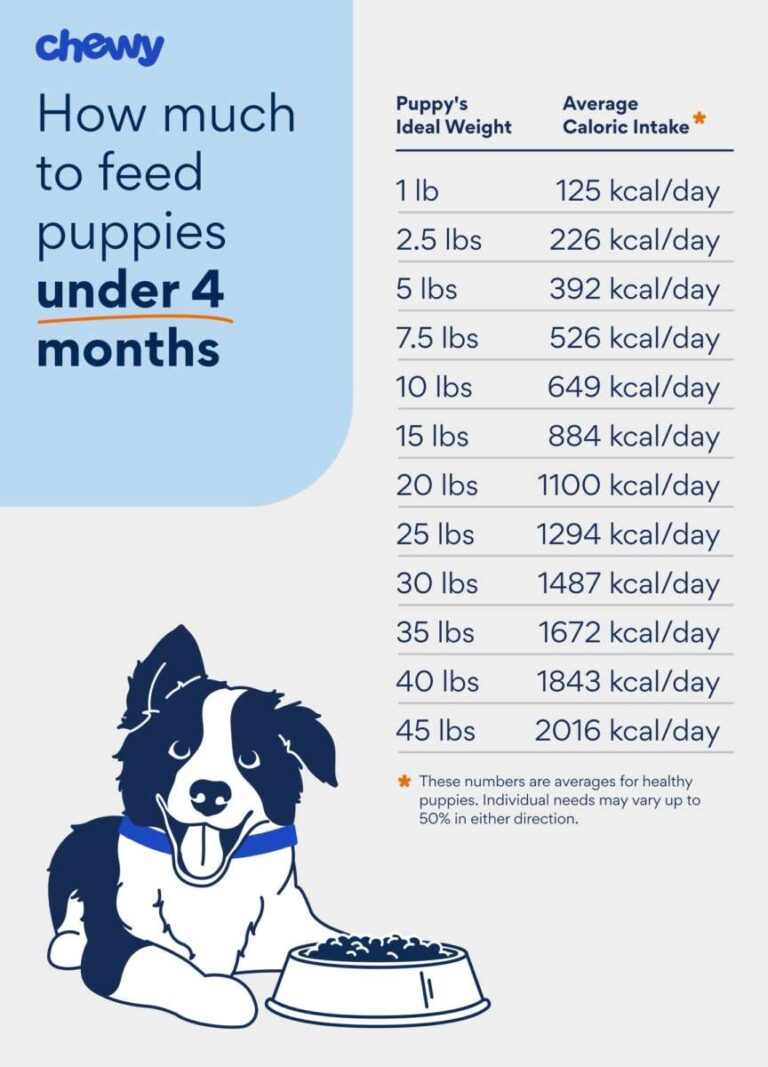
• It provides appropriate calories for your dog’s size, age, and activity level.
• It matches your dog’s health needs, such as food allergies, obesity, or sensitive digestion.
• Your dog eats it well, maintains a healthy weight, and produces normal stools.
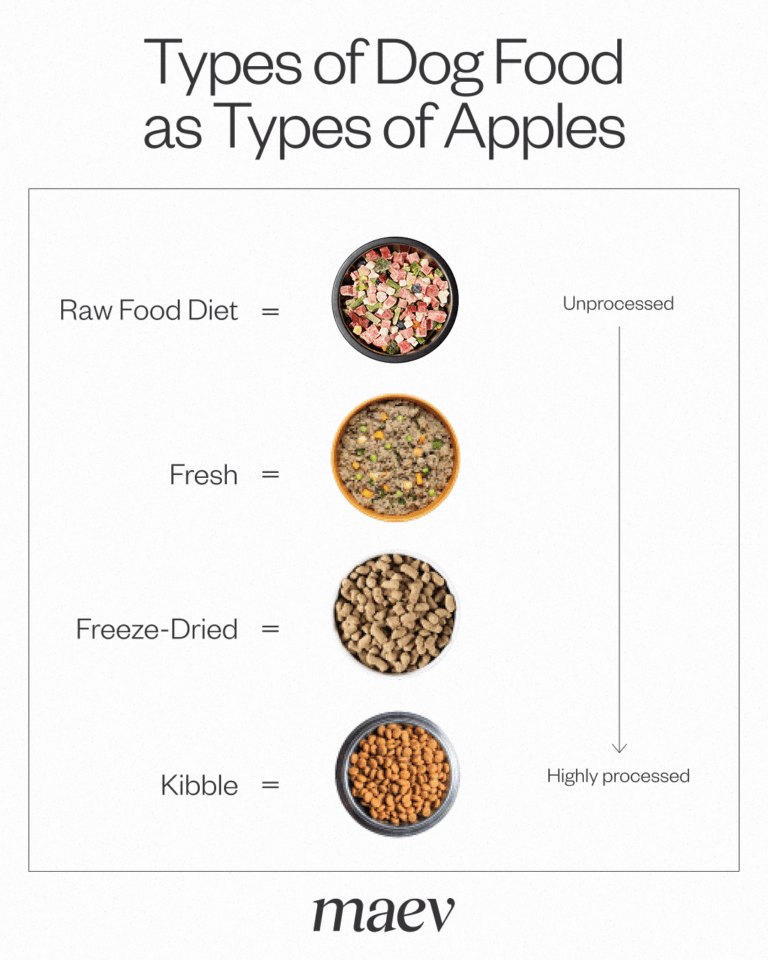
The healthiest dog food may be dry kibble, canned food, fresh food, or a combination. The form matters less than the nutrition behind it. A shiny package or a long ingredient list does not prove that a food is better.

How to judge healthy dog food
Choosing dog food can feel like reading a science exam. The front of the bag uses appealing words, while the nutrition statement on the back gives more useful information. Start with the label, then consider your dog.
Look for a complete and balanced statement
The most important label detail is the nutritional adequacy statement. In the United States, this statement explains whether the food provides complete and balanced nutrition for a certain life stage.
Look for wording such as:
• Complete and balanced for growth and reproduction
• Complete and balanced for adult maintenance
• Complete and balanced for all life stages
Puppies, pregnant dogs, and nursing dogs need different nutrient levels than adult dogs. Large-breed puppies also need careful calcium and calorie control. If the label says the product is for intermittent or supplemental feeding only, it should not make up your dog’s entire diet unless your veterinarian gives specific instructions.
Check the guaranteed analysis
The guaranteed analysis lists minimum or maximum levels of key nutrients. These usually include:
• Crude protein
• Crude fat
• Crude fiber
• Moisture
This information helps, but it does not tell the whole story. A food with more protein is not automatically healthier. Protein quality, digestibility, amino acid balance, calories, and your dog’s medical needs all matter.
For example, a healthy adult dog may thrive on a moderate-protein diet. A dog with certain illnesses may need a carefully designed therapeutic diet. Never change protein or mineral levels sharply because of advice from a social media post.
Consider calories, not just serving size
Two foods can have very different calorie levels per cup. A dog may gain weight on a food that looks healthy if the portions are too large.
Check the label for calories per cup, can, or kilogram. Then compare that number with your dog’s weight, activity, age, and body condition. Feeding guides are useful starting points, but they are not exact rules.
A simple body condition check can help:
• You should be able to feel your dog’s ribs without pressing hard.
• Your dog should have a visible waist when viewed from above.
• The belly should slope upward behind the rib cage when viewed from the side.
If you cannot feel the ribs, or if the spine and hip bones are very visible, ask your veterinarian for help.
Which ingredients should healthy dog food contain?
Healthy dog food does not need a trendy ingredient list. Dogs can use nutrients from many safe ingredients. The full formula matters more than one item printed in large letters on the front of the package.
Protein sources
Dogs need protein for muscles, skin, immune function, enzymes, and tissue repair. Common sources include:
• Chicken
• Turkey
• Beef
• Lamb
• Fish
• Eggs
• Soy
• Peas and other legumes
Animal-based ingredients can be highly digestible, but plant ingredients can also contribute useful amino acids and nutrients. The key is whether the finished food supplies the right amino acid balance.
Fats and fatty acids
Fat supplies energy and helps the body absorb vitamins. It also supports the skin, coat, brain, and immune system.
Useful fat sources may include fish oil, chicken fat, vegetable oils, and other approved animal or plant fats. Omega-3 fatty acids, especially EPA and DHA, may support skin, joints, and normal inflammation control.
Fat is calorie-dense, though. Too much can lead to weight gain or digestive upset. Dogs with a history of pancreatitis may need a lower-fat diet under veterinary guidance.
Carbohydrates and fiber
Dogs do not need a specific carbohydrate ingredient, but many can digest cooked grains, potatoes, and other carbohydrate sources. Carbohydrates provide energy and help form a balanced food.
Fiber can support bowel health and stool quality. Sources may include beet pulp, pumpkin, oats, rice, and vegetable fibers. More fiber is not always better. Excess fiber may reduce calorie density or cause gas and loose stools.
Vitamins and minerals
A balanced dog food needs carefully controlled vitamins and minerals. Calcium and phosphorus must be present in the right amounts, especially for growing puppies.
Do not add vitamin or mineral supplements to complete dog food without veterinary advice. Too much vitamin D, calcium, copper, or other nutrients can harm a dog. In this area, “more” is not the same as “healthier.”
Are grain-free diets healthier for dogs?
Grain-free dog food is not automatically healthier. Most dogs can digest properly cooked grains such as rice, corn, oats, barley, and wheat. Grain allergies are uncommon, and many dogs with food reactions are reacting to an animal protein rather than a grain.
The U.S. Food and Drug Administration investigated reports of canine dilated cardiomyopathy associated with some diets labeled grain-free. Many reported foods contained high levels of peas, lentils, chickpeas, or potatoes. The relationship is complex, and research is ongoing, but the issue shows why diet claims should be treated carefully.
A grain-free diet may be appropriate for a specific medical reason. It should not be chosen only because the label says “natural,” “ancestral,” or “premium.” Ask your veterinarian before changing a healthy dog to a grain-free food.
The healthiest dog food for most dogs may contain grains. Grain inclusion does not make a food inferior, just as grain absence does not make it superior.
Is wet, dry, fresh, or raw dog food healthiest?
There is no single healthiest food format. Each type has benefits and limits.
Dry dog food
Dry food is affordable, easy to store, and simple to measure. It can also help some owners manage calories and feeding routines. However, dry food is not a substitute for dental care, and it usually contains less moisture than canned food.