What Should Be In Dog Food: Essential Ingredients Guide
Learn what should be in dog food for balanced nutrition, healthy digestion, and lasting energy. Use this guide to choose better meals for your dog.
Complete dog food should provide balanced protein, healthy fats, digestible carbohydrates, vitamins, minerals, and plenty of fresh water.
Knowing what should be in dog food helps you choose meals that support your dog’s muscles, skin, digestion, energy, and long-term health. Ingredient lists can feel confusing, but a few clear rules make them much easier to read. This guide explains the nutrients dogs need, how to assess labels, which ingredients deserve caution, and how to match food to your dog’s age and lifestyle.
What should be in dog food?
The best dog food contains complete and balanced nutrition for a dog’s life stage. It should supply enough protein, fat, vitamins, minerals, calories, and water to support normal body function.
What should be in dog food depends partly on the dog. A growing puppy needs different nutrient levels than a senior dog. A working dog may need more calories than a calm indoor dog. A dog with kidney disease, food allergies, or obesity may need a special veterinary diet.
Look for these core parts:
• Animal or plant protein to support muscles, organs, skin, and immune function
• Healthy fats to provide energy and support the skin, coat, brain, and cells
• Digestible carbohydrates for energy and fiber
• Vitamins and minerals for bones, blood, nerves, and immune health
• Essential fatty acids, especially omega 3 and omega 6 fats
• Fiber and moisture to support healthy digestion
• A nutritional adequacy statement showing that the food is complete and balanced
A good ingredient list matters, but it is not the only test. Nutrient levels, food safety, quality control, calorie content, and feeding trials also matter. An attractive list of ingredients does not automatically mean a food is nutritionally complete.

Protein: the foundation of a healthy dog diet
Protein is one of the most important answers to the question, what should be in dog food? Dogs use protein to build and repair muscle, skin, hair, enzymes, hormones, and immune cells.
Dog food protein comes from sources such as:
• Chicken, turkey, beef, lamb, pork, or fish
• Eggs
• Meat meals, such as chicken meal or fish meal
• Soy, peas, lentils, and other plant ingredients
Meat meal may sound less appealing than fresh meat, but it can be a concentrated source of nutrients. Fresh meat contains a great deal of water. After cooking, much of that water leaves the food. A named meat meal can then provide a high amount of protein in a smaller weight.
Dogs need amino acids, which are the building blocks of protein. Some amino acids must come from food because the body cannot make enough of them. A complete diet should provide these amino acids in the right amounts.
Protein quality depends on digestibility and amino acid balance, not just the percentage printed on the bag. A food with 30% protein is not automatically better than one with 25%. The source, processing, and overall formula also matter.
Puppies, pregnant dogs, nursing dogs, and active dogs often need more protein than many healthy adult pets. However, more protein is not always better for every dog. Dogs with certain medical conditions may need a diet planned by a veterinarian.
Healthy fats and essential fatty acids
Fat is another key answer to what should be in dog food. It gives dogs concentrated energy and helps the body absorb vitamins A, D, E, and K.
Healthy fats also help maintain:
• Soft skin and a shiny coat
• Normal brain and eye function
• Healthy cells
• Hormone production
• A strong immune response
Common fat sources include chicken fat, fish oil, canola oil, sunflower oil, and flaxseed. Fish oil can provide EPA and DHA, two omega 3 fatty acids linked with skin, joint, brain, and eye support.
Dogs also need omega 6 fatty acids. These are found in many animal fats and plant oils. The goal is not to remove omega 6 fats. Instead, the diet should provide a sensible balance of omega 3 and omega 6 fats.
Fat contains more calories per gram than protein or carbohydrates. This matters for dogs that gain weight easily. A food that is healthy on paper can still cause weight gain if you serve too much.
Check the calorie information on the package. Adjust portions based on your dog’s body condition, activity, age, and changes in weight. Feeding charts are a starting point, not a fixed rule.
Carbohydrates and fiber
Carbohydrates are not a required nutrient in the same way that some amino acids and fatty acids are. Still, many dogs digest cooked carbohydrates well and use them as an efficient source of energy.
Common carbohydrate sources include:
• Rice
• Oats
• Barley
• Corn
• Potatoes
• Sweet potatoes
• Peas
Carbohydrates can also help dry food hold its shape. This does not make them harmful. The quality and amount of the full diet matter more than whether one ingredient is a grain.
Fiber helps food move through the digestive tract. It can support regular stools, healthy gut bacteria, and a feeling of fullness. Sources may include beet pulp, pumpkin, chicory root, cellulose, oats, and other plant fibers.
Too much fiber can reduce calorie density or cause gas and loose stools. Dogs with constipation, diarrhea, diabetes, or weight problems may benefit from different types of fiber. Ask your veterinarian before making a major diet change for a dog with a health issue.
Vitamins and minerals dogs need
What should be in dog food also includes a carefully measured mix of vitamins and minerals. These nutrients help control many body processes, from bone growth to nerve function.
Important vitamins include:
• Vitamin A for vision, skin, and immune function
• Vitamin D for calcium use and bone health
• Vitamin E for cell protection and immune support
• B vitamins for energy metabolism and nerve health
Important minerals include:
• Calcium and phosphorus for bones and teeth
• Zinc for skin, coat, and immune function
• Iron for healthy blood
• Selenium for antioxidant protection
• Copper for connective tissue and blood formation
The balance between nutrients matters. For example, too much calcium can harm growing large-breed puppies. Too much vitamin D can be toxic. Adding human supplements to a complete dog food can create dangerous nutrient excesses.
For this reason, avoid homemade diets unless a veterinary nutrition professional has formulated them. Online recipes often lack enough calcium, zinc, iodine, or other essential nutrients.
Water and moisture
Fresh water is an essential part of what should be in dog food, even though it usually does not appear as an ingredient in the same way as protein or rice.
Dogs need water for:
• Temperature control
• Digestion
• Blood flow
• Waste removal
• Joint and tissue function
Dry kibble contains little moisture compared with canned food. Dogs eating kibble should always have clean water available. Wet food can increase water intake, but it does not replace a water bowl.
A sudden increase in thirst or urination may signal a health problem. Diabetes, kidney disease, heat exposure, some medicines, and other conditions can cause these changes. Contact a veterinarian if your dog’s drinking habits change sharply.
How to read a dog food label
Reading the label is one of the best ways to understand what should be in dog food. Start with the nutritional adequacy statement, then review calories, ingredients, feeding directions, and the company’s quality information.
1. Find the nutritional adequacy statement
Look for wording that says the food is “complete and balanced” for a specific life stage. This statement means the formula is intended to meet recognized nutrient profiles or has passed suitable feeding tests.
The statement should match your dog:
• Growth for puppies
• Maintenance for adult dogs
• All life stages for food designed for both
• Gestation and lactation for pregnant or nursing dogs
Large-breed puppies may need food labeled for growth, including growth of large-size dogs. Their calcium and calorie needs require extra care.
2. Check the guaranteed analysis
The guaranteed analysis lists minimum crude protein and crude fat, along with maximum crude fiber and moisture. It helps you compare foods, but it has limits.
For example, a dry food and a canned food cannot be compared fairly by looking only at the percentages on the label. Canned food contains much more water. A dry-matter comparison gives a more useful view.
3. Review the ingredient list
Ingredients are listed by weight before cooking. Fresh meat may appear high on the list because it contains water. Several plant ingredients may also appear in separate places.
Do not judge a food only by the first three ingredients. Look at the entire formula and the nutritional adequacy statement.
4. Check calorie content
Calorie information helps prevent overfeeding. Treats, chews, table scraps, and toppers all add calories.
As a general rule, treats should make up no more than about 10% of a dog’s daily calories. The other 90% should come from a complete and balanced diet.

Ingredients that may deserve caution
When asking what should be in dog food, it is also useful to know what deserves closer attention. An ingredient is not automatically dangerous because its name sounds unfamiliar. Many technical names are simply vitamins, minerals, or preservatives used in safe amounts.
Use caution with:
• Foods that do not state they are complete and balanced
• Diets with vague claims but little nutrition information
• Products that promise to cure many diseases
• Raw diets with poor handling or testing practices
• Homemade diets without professional formulation
• Supplements added to a complete food without veterinary advice
• Foods recalled for contamination or labeling problems
Some dogs may react to specific ingredients. Food allergies are usually linked to proteins, such as beef, dairy, chicken, or egg. Signs may include repeated itching, ear problems, vomiting, or diarrhea, but these signs can have many causes.
Do not diagnose a food allergy by switching between many foods at random. A veterinarian may recommend a controlled elimination diet followed by a careful food challenge. This process is more reliable than guessing from an online ingredient list.
Grain-free dog food: is it better?
Grain-free food is not automatically healthier. Dogs can digest properly cooked grains, and grains can provide carbohydrates, fiber, vitamins, and minerals.
Some dogs need to avoid a certain grain because of a confirmed allergy or intolerance. These cases are uncommon compared with the number of dogs eating grains without a problem.
Reports have linked some diets high in peas, lentils, and potatoes with cases of canine dilated cardiomyopathy. The relationship is complex, and research is ongoing. The safest choice is to discuss a grain-free diet with your veterinarian, especially if there is no medical reason to use one.
A food should not be chosen only because it says “grain-free,” “natural,” or “holistic.” These marketing terms do not prove that the diet is complete, balanced, or ideal for your dog.
Wet food, dry food, or fresh food?
Both wet and dry food can meet a dog’s nutritional needs when they are complete and balanced. The best option depends on your dog’s health, preferences, budget, and your ability to store and serve the food safely.
Dry food may be useful because it is:
• Easy to measure
• Convenient to store
• Often less expensive per meal
• Simple to use in puzzle feeders
Wet food may help dogs that:
• Need more moisture
• Have poor teeth or trouble chewing
• Are picky eaters
• Need a softer texture
Fresh or refrigerated diets may be appealing, but they still need to meet the same nutritional standards. Perishable food must be stored correctly, and handling matters.
Raw diets carry risks from bacteria such as Salmonella and Listeria. They may also create nutrient imbalances if not professionally formulated. Children, older adults, pregnant people, and anyone with a weak immune system face greater risk from foodborne germs.
A mixed feeding plan can work well. For example, you might feed measured kibble with a small amount of complete canned food. Count all foods toward daily calories.
Matching food to your dog’s life stage
What should be in dog food changes as your dog grows and ages. Life-stage nutrition helps provide the right amount of energy and key nutrients.
Puppies
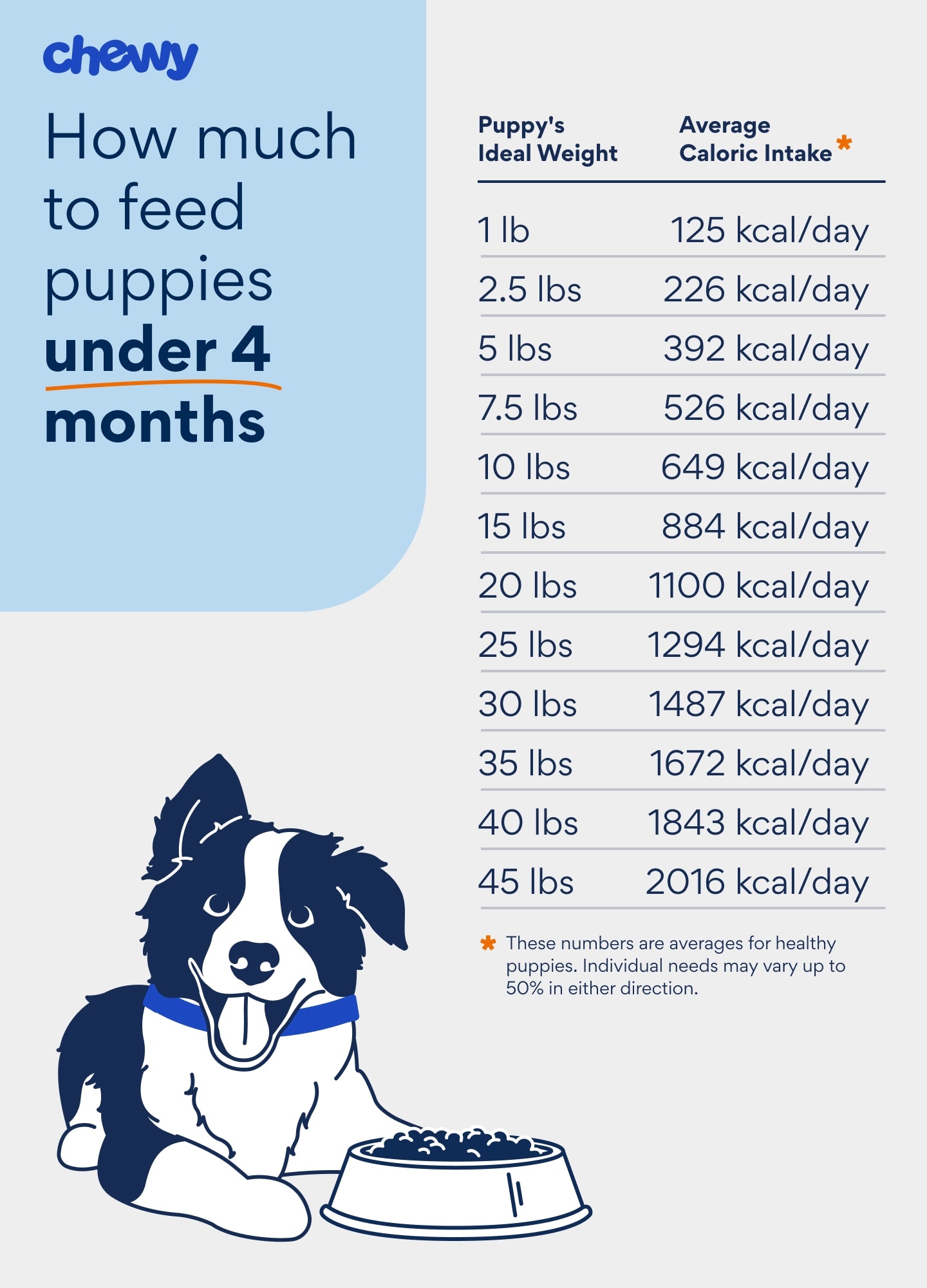
Puppies need enough calories, protein, fat, calcium, phosphorus, and other nutrients for growth. Large-breed puppies need careful calorie control because rapid growth can stress developing bones and joints.
Feed puppy food according to the package and your veterinarian’s advice. Monitor body shape rather than trying to make a puppy grow as fast as possible.
Adult dogs
Adult maintenance food should support a stable body weight and normal activity. Portion size matters as much as the food itself.
You should be able to feel your dog’s ribs under a thin layer of fat. A visible waist from above and a gentle abdominal tuck from the side usually suggest a healthy body condition.
Senior dogs
There is no single nutrient profile that suits every senior dog. Some older dogs need fewer calories because they move less. Others need more calories because of illness, muscle loss, or poor appetite.
Senior dogs may benefit from diets with controlled calories, good protein, omega 3 fats, and easy-to-chew textures. A veterinarian can help if your older dog has kidney, liver, heart, dental, or joint disease.
Special diets for health conditions
Some dogs need more than standard food. Veterinary diets are designed for specific medical needs and should be used with professional guidance.
Examples include diets for:
• Kidney disease
• Urinary stones
• Diabetes
• Food allergies
• Pancreatitis
• Obesity
• Liver disease
• Gastrointestinal problems
A kidney diet, for example, may control phosphorus and provide carefully selected protein. A urinary diet may change mineral levels and urine properties. These diets are not interchangeable.
Never assume a food marketed for one condition will help another. If your dog has a diagnosed illness, ask your veterinarian for a nutrition plan that includes food, treats, supplements, and feeding amounts.
Common mistakes when choosing dog food
Many feeding mistakes come from good intentions. People want to provide the best food, but marketing claims can make the choice harder.
Avoid these common errors:
• Choosing food based only on an attractive ingredient list
• Changing diets suddenly
• Feeding too many treats
• Adding calcium or vitamins without advice
• Ignoring calorie information
• Assuming expensive food is always better
• Treating “natural” as a guarantee of safety
• Feeding a homemade recipe without nutrient analysis
• Selecting food without checking the life stage
Change food slowly over about seven days. Start with a small amount of the new food mixed into the old food. Increase the new portion step by step while watching stool quality, appetite, itching, and energy.
If vomiting, severe diarrhea, facial swelling, breathing trouble, or extreme weakness occurs, stop and seek veterinary care. Breathing trouble and facial swelling may signal an emergency.
Practical tips from reviewing dog food labels
One lesson I have learned from comparing many pet food labels is that simple, boring details often matter more than clever marketing. A clear adequacy statement, calorie count, feeding guide, and company contact information are more useful than a package covered in promises.
Another common mistake is changing food too often. Owners may see a minor stool change and immediately buy a new formula. This can create a cycle of digestive upset because the dog never has time to adjust.
Use this simple checklist:
-
Choose food made for your dog’s life stage.
-
Confirm that it is complete and balanced.
-
Check the calorie content.
-
Look for a clear source of protein.
-
Consider fat, fiber, and moisture based on your dog’s needs.
-
Review the company’s quality control and recall history.
-
Measure each meal.
-
Keep treats within about 10% of daily calories.
-
Change foods gradually.
-
Track weight, stools, coat, appetite, and energy.
A food that works well should help your dog maintain a healthy weight, firm stools, a good coat, steady energy, and a normal appetite. These everyday signs are useful, but they do not replace regular veterinary exams.
Frequently asked questions about what should be in dog food
What is the most important ingredient in dog food?
There is no single best ingredient for every dog. A complete and balanced formula should provide suitable protein, fat, vitamins, minerals, calories, and moisture for the dog’s life stage.
Should meat be the first ingredient in dog food?
A named animal protein can be a useful part of a dog’s diet, but the first ingredient alone does not prove that a food is complete or superior. Check the full ingredient list and the nutritional adequacy statement.
Do dogs need grains in their food?
Dogs do not require grains specifically, but many dogs digest cooked grains well. Grains can provide energy, fiber, vitamins, and minerals, so grain-free food is not automatically better.
Is wet food better than dry food?
Neither is always better. Wet and dry foods can both be healthy when they are complete and balanced, and the right choice depends on your dog’s health, preferences, teeth, moisture needs, and budget.
How much protein should dog food contain?
The ideal amount depends on age, size, activity, health, and the food’s digestibility. Instead of choosing a percentage alone, select a complete and balanced food and ask your veterinarian if your dog has special protein needs.
Are by-products safe for dogs?
By-products can include nutrient-rich organs and other edible animal parts. A by-product is not automatically unsafe, but the overall food should come from a reliable company and meet complete and balanced nutrition standards.
Can dogs eat homemade dog food every day?
They can eat a homemade diet only when it is properly balanced for their needs. A veterinary nutrition professional should formulate the recipe because common homemade diets lack nutrients such as calcium, zinc, iodine, or vitamin D.
Conclusion
The answer to what should be in dog food is broader than a single ingredient. A sound diet provides complete and balanced nutrition through suitable protein, healthy fats, digestible carbohydrates, fiber, vitamins, minerals, calories, and access to fresh water.
Choose food for your dog’s life stage, health, activity, and body condition. Read the adequacy statement, measure portions, limit treats, and change diets slowly. When illness, allergies, or weight problems are involved, work with your veterinarian instead of relying on marketing claims.
Start by checking your dog’s current label today. Compare it with these guidelines, track your dog’s weight and digestion, and seek professional advice when needed.

Pet Care Writer & Researcher
Daniel writes practical guides on daily care, feeding, and safety, turning complex topics into simple, actionable advice.