What Is The Cleanest Dog Food: Healthiest Choices
Learn what is the cleanest dog food, including healthy ingredients, quality standards, and smart tips for choosing the best option for your pet.
The cleanest dog food has clear ingredients, complete nutrition, strong safety controls, and no needless fillers.
As a pet nutrition writer, I see many owners search for the cleanest dog food after reading scary claims about grains, byproducts, preservatives, or “mystery” ingredients. The truth is more useful than a simple brand list: the best choice depends on nutritional adequacy, ingredient quality, safety, your dog’s age, and health needs.
This guide explains how to judge dog food with confidence. You will learn what “clean” really means, which ingredients matter, how fresh and raw diets compare with commercial food, and how to choose a safe option without falling for clever marketing.
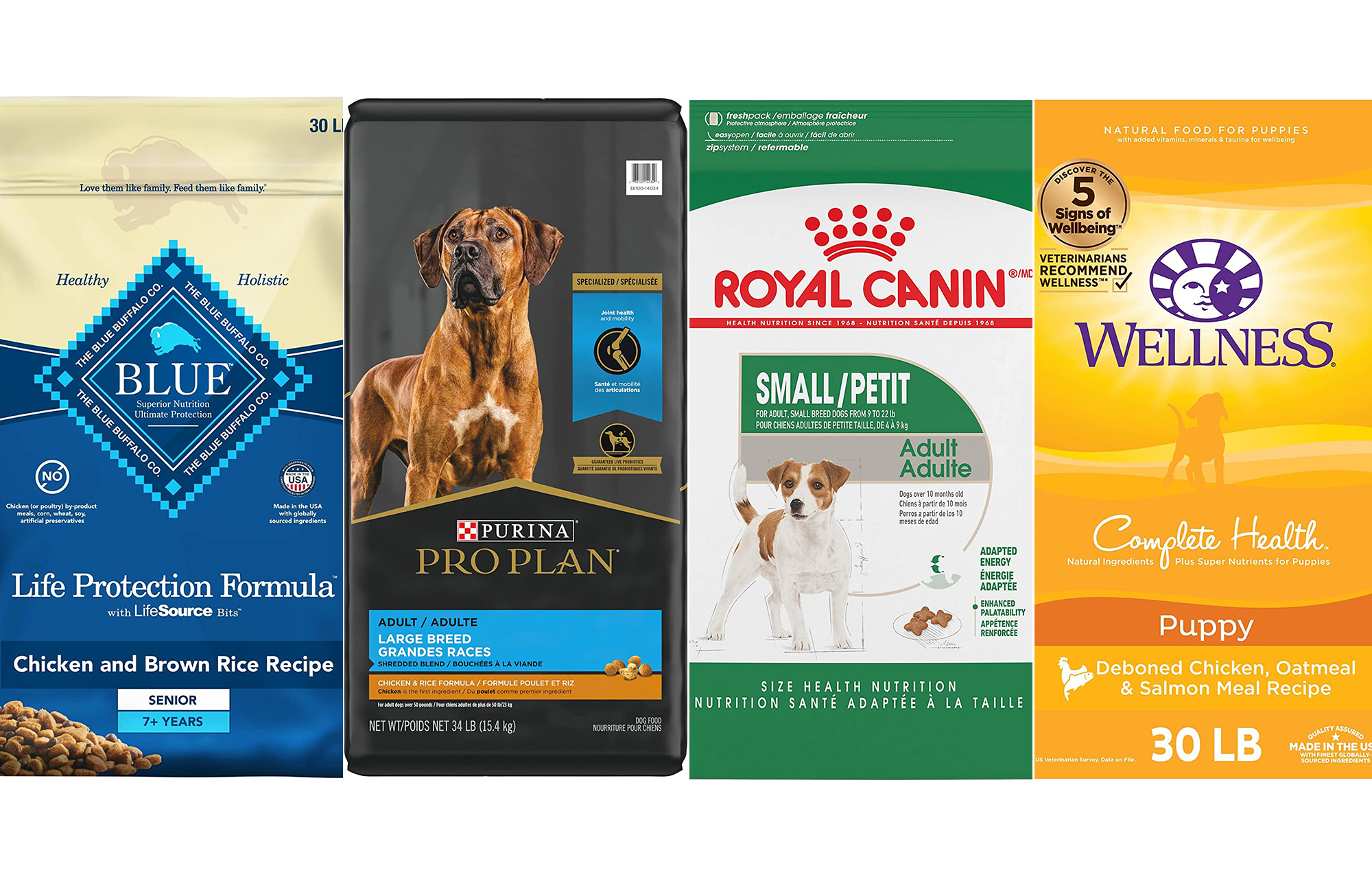


What Does “Cleanest Dog Food” Really Mean?
“Clean” is not a regulated term in the pet food industry. A company can use words such as natural, holistic, human-grade, or premium, but these words do not always prove that a food is complete, balanced, or safer.
The cleanest dog food is usually one that meets these standards:
• It provides complete and balanced nutrition for your dog’s life stage.
• It lists clear animal and plant ingredients.
• It uses safe ingredients in suitable amounts.
• It follows quality control and food safety rules.
• It avoids unnecessary colors, excessive fillers, and vague ingredient descriptions.
• It matches your dog’s age, size, activity level, and medical needs.
Think of dog food like a house. The ingredient list is the visible front door, but nutrition, testing, and manufacturing are the foundation. A pretty label cannot make up for a weak foundation.
The Association of American Feed Control Officials, or AAFCO, sets nutrient profiles and model rules used by many states. A food labeled “complete and balanced” should meet an AAFCO nutrient profile or pass an approved feeding trial for the stated life stage.


How to Read a Dog Food Label
A label can tell you a great deal if you know where to look. Do not judge food by the first five ingredients alone. The full formula, nutritional statement, feeding guide, and company practices all matter.
Check the nutritional adequacy statement
Look for wording that says the food is complete and balanced for a specific life stage. Common life stages include:
• Growth and development
• Adult maintenance
• All life stages
• Gestation and lactation
Puppies need different nutrient levels from adult dogs. Large-breed puppies also need careful calcium and calorie control. A food made for adult maintenance may not support healthy puppy growth.
Study the ingredient list
Ingredients appear by weight before cooking. This means a meat ingredient with high water content may appear first, while a dry ingredient may provide more nutrients than its position suggests.
Useful ingredients may include:
• Named meats such as chicken, turkey, beef, lamb, or salmon
• Named meat meals such as chicken meal or salmon meal
• Whole grains such as brown rice, oats, or barley
• Vegetables such as carrots, peas, pumpkin, or sweet potatoes
• Specific oils that provide omega 3 or omega 6 fatty acids
• Vitamins and minerals needed for a complete diet


The word “meal” is not automatically bad. Chicken meal is concentrated chicken protein with water removed. The more concerning term is an unclear label such as “meat meal” or “animal fat,” because it gives less detail about the source.
Review the guaranteed analysis
The guaranteed analysis lists minimum crude protein and crude fat, plus maximum crude fiber and moisture. It helps you compare foods, but it does not show the full nutritional picture.
For a better comparison, convert nutrients to a dry matter basis. This removes the effect of water and gives a fairer view of protein and fat levels. Your veterinarian or a veterinary nutritionist can help with this calculation.
Look for calorie information
Two foods may have similar protein levels but very different calorie counts. Calorie information is important for dogs that gain weight easily, live a quiet lifestyle, or need more energy due to exercise.
Portion size should follow your dog’s body condition, not only the package guide. Feeding charts are starting points. Your dog’s ribs, waist, energy, stool, and weight give better clues.

Ingredients That Can Be Part of Clean Dog Food
Many owners assume the cleanest dog food must contain only fresh meat and vegetables. That idea sounds appealing, but dogs need more than a short ingredient list. They need the right balance of amino acids, fatty acids, vitamins, minerals, and energy.
Animal protein
Named animal proteins can provide essential amino acids. However, protein quality depends on digestibility and the complete recipe, not just the word “meat” on the front of the bag.
Dogs can use protein from both animal and plant sources. A food with grains or legumes is not automatically low quality. The full nutrient profile matters more than one ingredient.
Whole grains
Rice, oats, barley, and corn can provide carbohydrates, fiber, vitamins, and energy. Most healthy dogs digest properly cooked grains well.
Grain-free food is not automatically cleaner. Some grain-free diets use peas, lentils, chickpeas, or potatoes in large amounts. Diet-related heart concerns have been reported in some dogs eating certain formulas, so ask your veterinarian before choosing grain-free food without a medical reason.
Fats and oils
Fats support energy, skin health, brain function, and taste. Fish oil can provide EPA and DHA, two omega 3 fatty acids with useful roles in the body.
The label should identify the oil clearly. “Fish oil” is more informative than a vague term such as “animal fat.” Ask a veterinarian about dose and product quality when using supplements.
Fiber and plant ingredients
Fiber can support healthy stools and gut function. Pumpkin, beet pulp, oats, and some vegetables may be useful parts of a balanced formula.
More vegetables do not always mean better food. Dogs need a diet designed for their nutritional needs, not a human-style salad in a bowl.


Vitamins and minerals
A long list of vitamins and minerals is normal in complete dog food. These nutrients help support bones, nerves, blood, muscles, immunity, and metabolism.
Trying to remove every added nutrient can make a diet less complete. Many vitamins and minerals are added because cooking and ingredient variation can reduce natural levels.
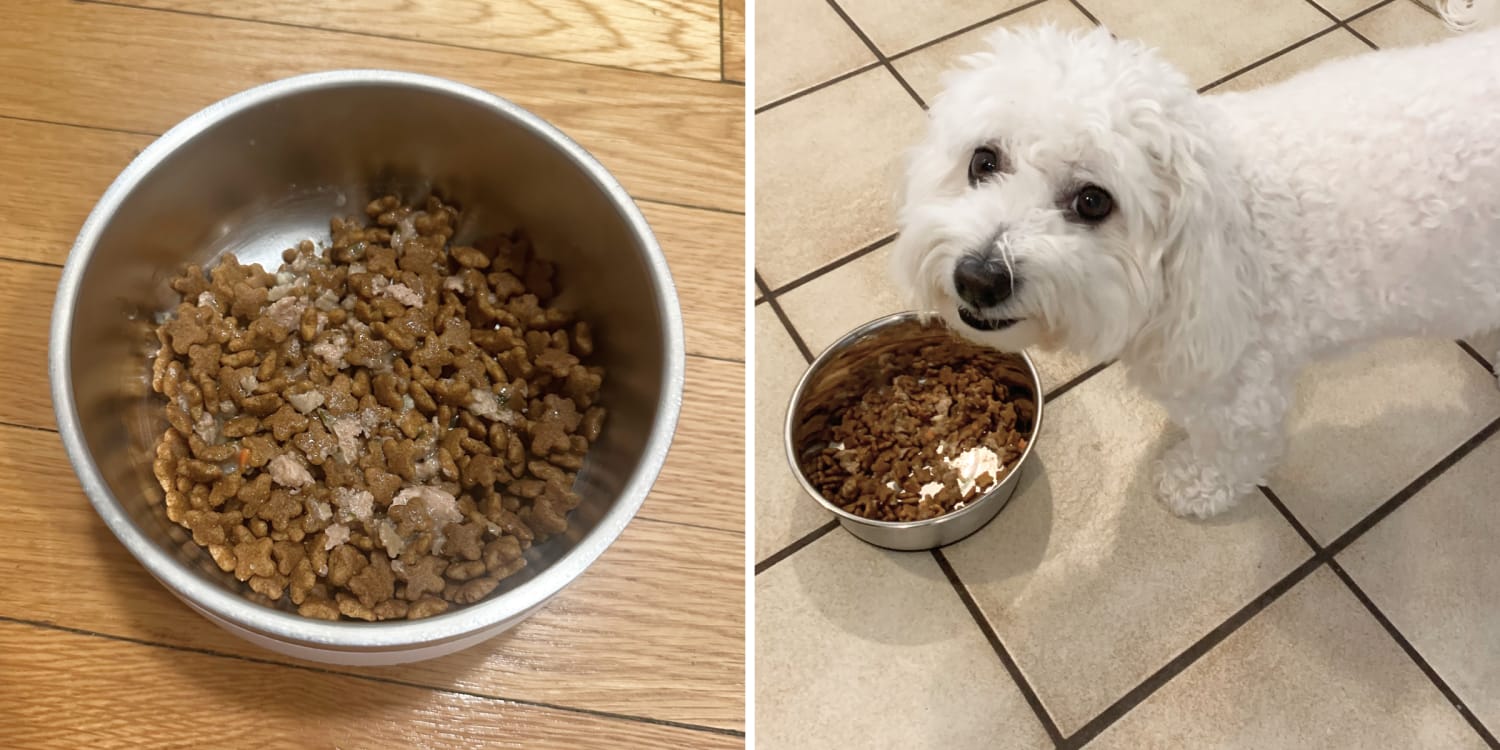
Is Fresh Dog Food the Cleanest Dog Food?
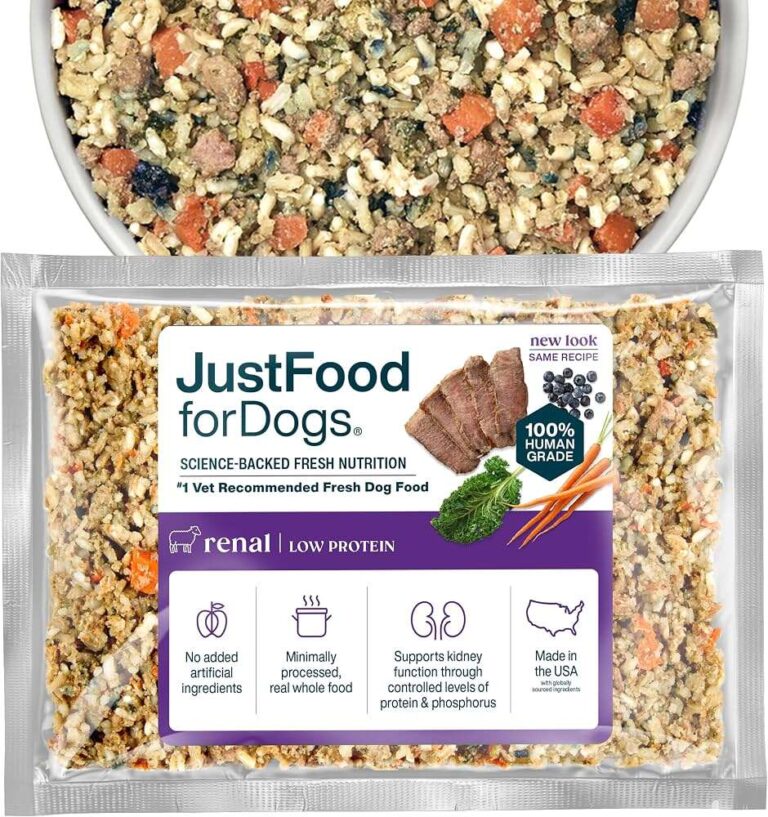
Fresh dog food is gently cooked, refrigerated, or frozen. It often has a strong smell, visible ingredients, and high moisture. Many dogs enjoy it, and the extra water may help dogs that do not drink much.
Still, fresh does not automatically mean nutritionally superior. The food should carry a complete and balanced statement for your dog’s life stage. Some fresh diets are intended only as toppers or treats.
Fresh food also needs careful storage. Keep it cold, follow the use-by date, wash bowls, and avoid leaving it at room temperature for long periods. The higher water content also means you must feed more by volume than with dry food.
A practical approach is to compare:
• Nutritional adequacy
• Calorie content
• Storage and handling
• Cost over time
• Your dog’s stool and body condition
• The company’s nutrition and safety information
Fresh food can be an excellent choice, but it is one option among several. The cleanest dog food is the food that meets your dog’s needs safely and consistently.
Is Raw Food the Cleanest Dog Food?
Raw diets are often marketed as natural or ancestral. They may include raw meat, bones, organs, and supplements. Some owners report that their dogs enjoy raw meals, but enjoyment does not prove that the diet is complete or safe.
Raw food carries risks from bacteria such as Salmonella, Campylobacter, and certain strains of E. coli. These germs can affect dogs and people. A dog may appear healthy while spreading bacteria through saliva, stool, bowls, or household surfaces.
Raw bones can also cause broken teeth, choking, constipation, or intestinal blockage. Homemade raw diets may lack calcium, copper, zinc, iodine, vitamin D, or other vital nutrients.
The American Veterinary Medical Association and other veterinary groups advise caution with raw diets because evidence of superior health benefits is limited, while food safety risks are real. Extra caution is needed in homes with young children, older adults, pregnant people, or anyone with a weak immune system.
If you are considering raw food, work with a board-certified veterinary nutritionist. Do not rely on social media recipes or a simple meat-and-bone formula.
Are Byproducts and Preservatives Bad?
Byproducts are parts of an animal that may include organs and other nutritious tissues. Many organ meats contain valuable protein, vitamins, and minerals. The word “byproduct” does not mean waste.
The quality of a byproduct depends on its source, handling, and use in the complete recipe. A clear, regulated ingredient from a reliable manufacturer can be safer and more nutritious than a trendy ingredient with little testing.
Preservatives help stop fats from becoming rancid and protect food during storage. Some synthetic preservatives concern owners, but approved preservatives are used within safety limits. Natural preservatives, such as mixed tocopherols, can also work, though they may provide a shorter shelf life.
Be careful with dramatic label claims. “No chemicals” is not realistic because everything, including water and nutrients, is made of chemicals. A better question is whether the ingredient is safe, useful, and present at an appropriate level.
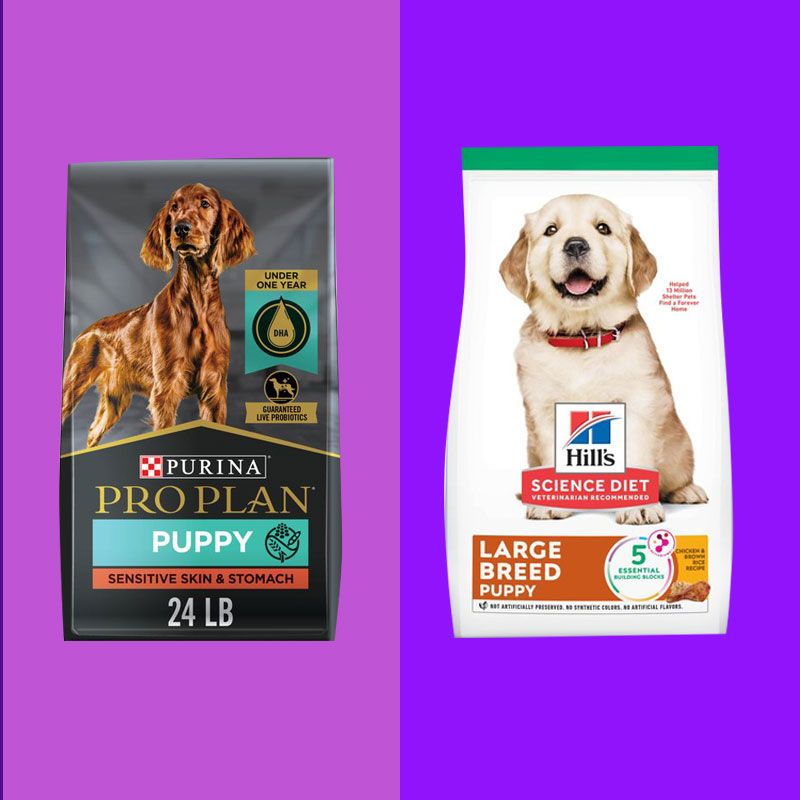
How to Choose the Cleanest Dog Food for Your Pet
Choosing the cleanest dog food becomes easier when you use a repeatable process. Follow these steps before buying a large bag or subscription box.
-
Identify your dog’s life stage. Choose food made for puppies, adults, seniors, pregnancy, or all life stages as appropriate.
-
Consider health needs. Dogs with kidney disease, diabetes, allergies, pancreatitis, or urinary problems may need a veterinary diet.
-
Confirm complete nutrition. Look for a complete and balanced nutritional statement.
-
Check the calorie level. Use calories per cup, can, or serving to control portions.
-
Read the full ingredient list. Look for clear ingredient names and avoid judging the food by marketing words alone.
-
Research the manufacturer. Look for qualified nutrition staff, testing, quality control, and clear customer support.
-
Buy a small amount first. Your dog may dislike the taste or develop soft stool during a sudden change.
-
Transition slowly. Mix the old and new food over about seven days. Sensitive dogs may need a longer change.
-
Watch your dog. Track body weight, stool quality, skin, coat, energy, appetite, and signs of discomfort.
-
Recheck the choice. A food that worked last year may not suit your dog after illness, aging, weight change, or a new allergy.
In my experience writing about pet nutrition, the most common mistake is changing foods too often. Owners see a new “clean” label and switch quickly, then blame the food when loose stool appears. Slow changes and simple records give you a much clearer answer.

Homemade Dog Food: Is It a Clean Option?
Homemade dog food can use fresh ingredients and may help in limited cases. It can be useful for dogs with certain medical needs when a veterinary nutritionist designs the recipe.
The main problem is balance. A meal of chicken, rice, and vegetables may look wholesome, but it can be low in calcium and several essential vitamins and minerals. Adding random supplements can also cause excess nutrients.
A properly designed homemade diet should include:
• Exact ingredient weights
• A complete vitamin and mineral supplement when needed
• Clear cooking instructions
• Calorie and nutrient targets
• Regular review as your dog ages or health changes
Never replace a therapeutic veterinary diet with a homemade recipe without professional guidance. “Natural” does not mean complete.
Common Mistakes When Buying Dog Food
Even careful owners can make errors. Avoid these common traps:
• Choosing food because the package looks healthy. Earth tones, farm images, and words like nature do not prove quality.
• Avoiding all grains without a medical reason. Many dogs digest grains well.
• Focusing only on the first ingredient. The full recipe matters.
• Feeding too many toppers. Treats, table food, and supplements should generally stay within about 10% of daily calories unless your veterinarian advises otherwise.
• Switching food too fast. Sudden changes can cause vomiting or diarrhea.
• Ignoring storage. Heat, air, moisture, and time can damage food quality.
• Using an online recipe without nutrient analysis. Homemade diets often miss key nutrients.
• Treating supplements as harmless. Some can interact with medicine or cause toxicity.
A clean bowl is helpful, but a clean feeding plan matters more. Food choice, portion control, safe storage, exercise, and regular veterinary care all work together.
How to Store Dog Food Safely
Proper storage protects both nutrition and food safety. Keep dry food in its original bag inside a clean, cool, dry container. The original bag preserves the lot number and expiration details if a problem occurs.
Wash and dry storage containers between bags. Do not simply pour new food over old food, because leftover oils can become rancid and contaminate the fresh food.
For canned or fresh food:
• Refrigerate leftovers promptly.
• Use clean utensils and bowls.
• Follow the package storage instructions.
• Discard food that smells spoiled or has unusual color or texture.
• Wash bowls often, especially when feeding wet food.
If your dog becomes sick after eating, save the packaging and lot number. Contact your veterinarian and the manufacturer if symptoms are serious or affect more than one pet.
When Your Dog Needs a Veterinary Diet
Some dogs need more than a general clean food. Veterinary diets are made for specific health goals and may control nutrients such as phosphorus, sodium, fat, magnesium, or copper.
Ask your veterinarian for help if your dog has:
• Repeated vomiting or diarrhea
• Unexplained weight loss or weight gain
• Chronic itching or ear infections
• Kidney, liver, heart, or urinary disease
• Diabetes or pancreatitis
• A history of food allergy
• Poor growth as a puppy
Food allergies are less common than many online posts suggest. When a true allergy is suspected, a strict elimination diet under veterinary guidance is more reliable than switching between many over-the-counter foods.
Frequently Asked Questions About the Cleanest Dog Food
What is the cleanest dog food for most healthy dogs?
The cleanest dog food for most healthy dogs is a complete and balanced formula made by a reliable company. Choose a recipe suited to your dog’s life stage, calories, preferences, and health needs rather than relying on labels such as natural or holistic.
Is grain-free dog food cleaner than food with grains?
No. Grain-free food is not automatically cleaner or healthier. Dogs can often digest properly cooked grains, and some grain-free diets may contain high amounts of legumes or potatoes.
Is fresh dog food better than kibble?
Fresh dog food is not always better than kibble. Both can support good health when they are complete, balanced, safely made, and fed in suitable portions.
Is raw food the cleanest dog food?
Raw food is not automatically the cleanest dog food because it can carry harmful bacteria and may be nutritionally incomplete. Raw bones also create risks such as choking, broken teeth, and intestinal blockage.
Are meat byproducts safe for dogs?
Named animal byproducts can be safe and nutritious when used in a properly formulated food. Organ tissues may provide valuable nutrients, so the term “byproduct” alone does not prove poor quality.
How can I tell if dog food is complete and balanced?
Look for a nutritional adequacy statement on the package. It should say the food is complete and balanced for a specific life stage or that it meets an established nutrient profile or feeding trial standard.
How often should I change my dog’s food?
You do not need to change a complete food if your dog is healthy, maintains a good weight, and has normal stools. When changing foods, make the switch gradually over about seven days or longer for sensitive dogs.
Conclusion
The cleanest dog food is not defined by a fashionable label, a short ingredient list, or the highest price. It is a safe, complete, balanced food with clear ingredients that suits your dog’s age, health, activity, and body condition.
Fresh, dry, canned, homemade, and raw diets all have different benefits and limits. Focus on nutritional adequacy, manufacturer quality, safe handling, proper portions, and your dog’s real response over time.
Start by checking the label on your current food, then discuss any major change with your veterinarian. Use this guide to make a thoughtful choice, and share your dog’s food journey or questions in the comments.

Pet Care Writer & Researcher
Daniel writes practical guides on daily care, feeding, and safety, turning complex topics into simple, actionable advice.