Are Elevated Beds Better For Dogs: Vet-Backed Facts
Are elevated beds better for dogs? Learn the benefits, drawbacks, safety tips, and which dogs may benefit most from an elevated bed.
Elevated beds can keep dogs cooler, cleaner, and more comfortable, but they are not ideal for every dog.
Whether are elevated beds better for dogs depends on your dog’s age, health, sleeping habits, and home climate. A raised cot can improve airflow and keep a dog away from cold floors, damp grass, dust, and insects. Yet some dogs need the soft pressure relief of a thick orthopedic mattress instead.
After reviewing common veterinary guidance and practical dog-care needs, this guide explains the benefits, drawbacks, safety concerns, and best uses of elevated dog beds. You will also learn how to choose the right bed for a puppy, senior dog, large breed, or dog with joint pain.

What Is an Elevated Dog Bed?
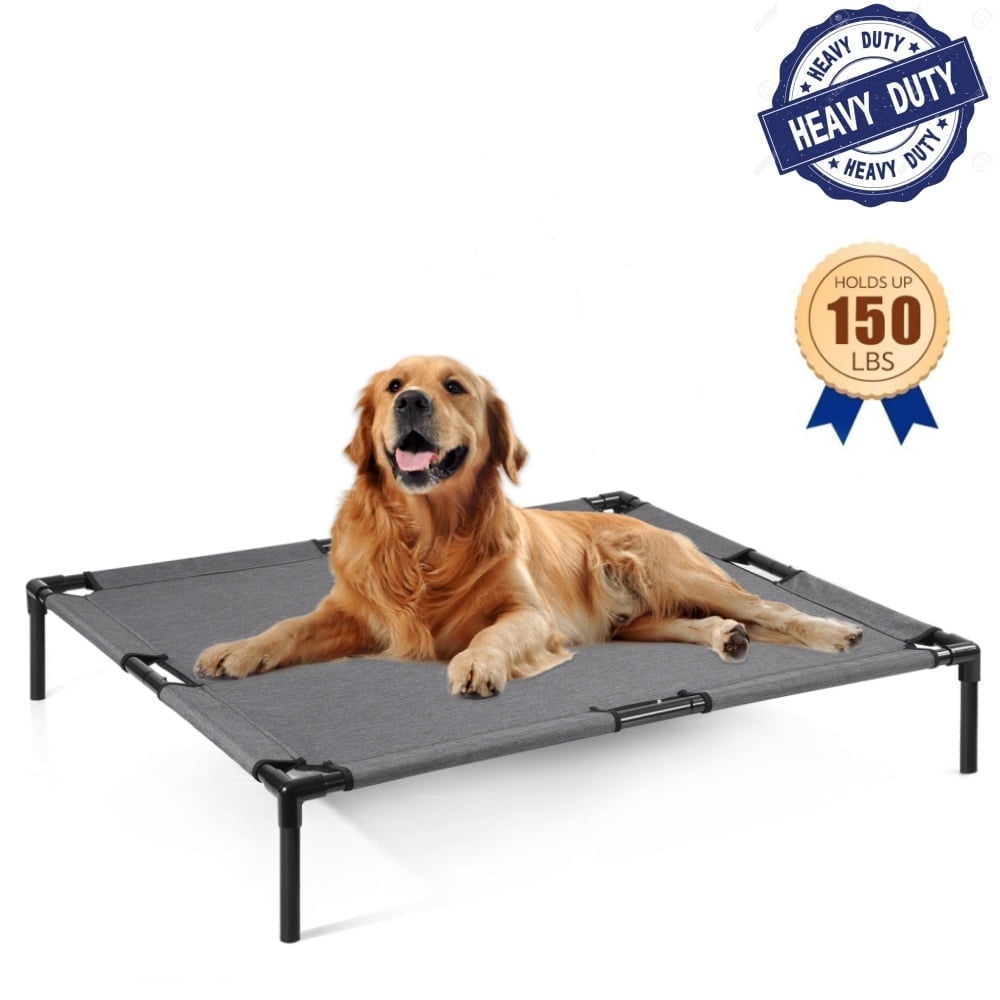
An elevated dog bed is a sleeping surface raised above the floor by a frame or set of legs. Most models use a strong fabric center stretched across a metal, plastic, or wooden frame.
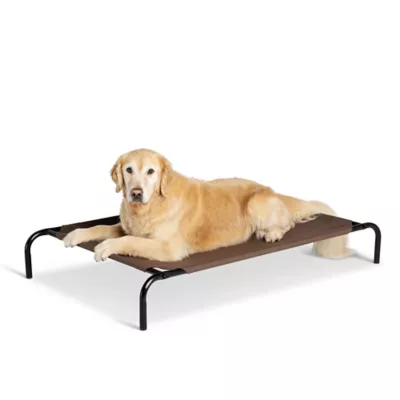
The most common style is a raised cot bed. It often looks like a small trampoline without springs. Other designs use a raised platform with a padded cushion on top.
Elevated beds come in many forms, including:
• Mesh cot beds for airflow
• Outdoor dog beds with waterproof fabric
• Raised orthopedic beds with foam padding
• Wooden platform beds with removable cushions
• Portable travel beds for camping or road trips
The key feature is the space beneath the sleeping surface. This gap allows air to move under your dog and keeps the body away from the floor.
Are elevated beds better for dogs than floor beds? Sometimes. The answer depends on what problem you want the bed to solve.

Are Elevated Beds Better for Dogs?
Are elevated beds better for dogs when cooling, cleanliness, and airflow are your main concerns? They can be, especially for dogs that sleep in warm rooms, spend time outdoors, or dislike damp and dirty floors.
A raised bed may help your dog stay cooler because air can pass beneath the body. This can be useful for thick-coated breeds, dogs with dark fur, and pets living in hot or humid areas. It does not replace shade, water, air conditioning, or other heat safety steps.
Elevated beds also keep dogs away from some floor hazards. A raised surface can reduce contact with:
• Cold tile or concrete
• Wet grass and muddy ground
• Dust and loose hair
• Small insects
• Drafts near the floor
However, are elevated beds better for dogs with arthritis or severe joint pain? Not always. A hard fabric cot may offer little pressure relief for hips, elbows, or shoulders. Many senior dogs do better with a thick, supportive orthopedic mattress, especially if they struggle to lie down or stand up.
The best choice is often based on your dog’s needs, not on the bed’s appearance. Think of an elevated cot as a breathable hammock and an orthopedic mattress as a soft pressure-relief cushion. Each solves a different problem.
Benefits of Elevated Dog Beds
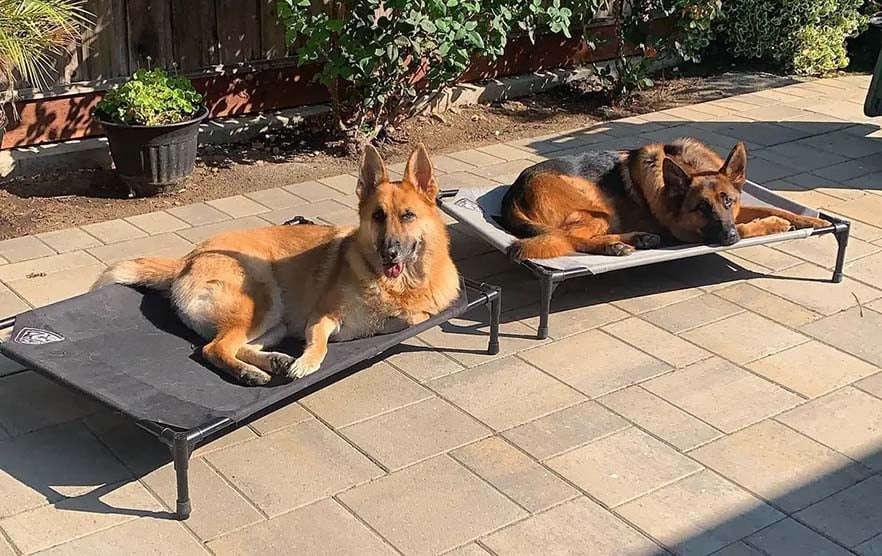
A good elevated bed can offer several practical benefits. These benefits explain why raised beds are common in homes, kennels, patios, training areas, and outdoor shelters.
Better Airflow and cooling
airflow is the biggest benefit of a raised cot. Heat can escape from your dog’s belly and sides instead of becoming trapped between the dog and the floor.
This may help during warm weather, but owners should stay realistic. An elevated bed cannot prevent heatstroke. Dogs still need fresh water, cool shelter, and careful exercise during hot weather.
Watch for signs of overheating, such as:
• Heavy or rapid panting
• Thick drool
• Weakness or confusion
• Vomiting
• Trouble walking
Move your dog to a cool area and contact a veterinarian if heat illness seems possible.
Cleaner Sleeping Space
An elevated bed can reduce contact with dirt, dust, and damp surfaces. This is useful for dogs that move between the yard and the house.
Outdoor cot beds are also easier to rinse than many stuffed beds. A removable cover can often go into the washing machine, while the frame can be wiped with soap and water.
Still, raised beds are not self-cleaning. Dirt can collect on the fabric and frame. Clean the bed often, especially if your dog has allergies, skin problems, or outdoor habits.
Less Floor Chill
Cold floors can make some dogs uncomfortable. This is especially true for small dogs, thin-coated breeds, and older pets with low body fat.
The air gap under an elevated bed may reduce direct contact with cold tile, concrete, or hardwood. In very cold rooms, however, a raised bed may not provide enough warmth by itself. Add a safe blanket or choose a padded model when needed.
Easier Cleaning
Many elevated beds have a simple design. You can remove the fabric cover, vacuum loose hair, and wash the surface without lifting a heavy foam mattress.
This can help owners who need to clean often. It also makes elevated beds useful for dogs with muddy paws or occasional accidents.
Follow the care instructions. Strong cleaners can irritate a dog’s skin, and wet fabric should dry fully before use.
Useful for Travel
A folding elevated bed can give your dog a familiar place to rest during camping trips, outdoor events, or visits to friends.
A portable bed also creates a clear rest area. This can help some dogs settle in a new place. Test the bed at home before taking it on a trip so your dog can learn that the surface is safe.

Drawbacks and Limitations of Raised Dog Beds
Are elevated beds better for dogs in every situation? No. Raised beds have real limits, and ignoring them can lead to discomfort or injury.
Limited Pressure Relief
Many cot beds use tight fabric with little cushioning. This may feel firm under the joints, especially for large or thin dogs.
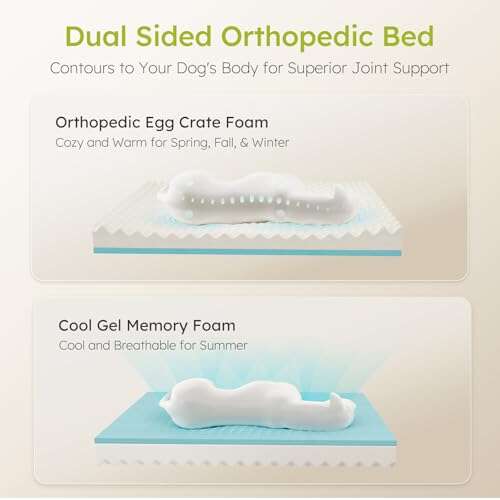
Dogs with arthritis, hip dysplasia, elbow problems, or recovering injuries may need a thick foam bed. Veterinary rehabilitation experts often favor supportive foam that spreads body weight across a wider area.
A raised bed can still work for a dog with joint problems if it includes a thick, stable cushion. The cushion should not slide or create a soft hole that makes standing harder.
Risk of Falling
Some dogs jump on and off beds without thinking. A tall frame can create a fall risk, especially for puppies, seniors, blind dogs, and dogs with weak legs.
Choose a low bed for dogs with poor balance. Place it on a non-slip surface and keep it away from stairs, sharp furniture, and slippery floors.
Chewing and Ingestion Hazards
A dog that chews fabric, plastic corners, or frame parts may damage an elevated bed. Torn mesh can catch a paw, while swallowed fabric or foam can cause a dangerous intestinal blockage.
Inspect the bed often. Remove it if you find loose threads, broken plastic, bent metal, or exposed padding.
Noise and Movement
Some raised beds squeak or shift when a dog turns around. Nervous dogs may avoid a bed that feels unstable.
Press down on the center before buying. The frame should stay firm, and the fabric should not sag deeply. A quiet, stable bed is more likely to earn your dog’s trust.
Not Ideal for Every Sleeping Style
Some dogs love to curl into a soft nest. Others like to burrow under blankets. A bare elevated cot may feel too open or firm for these dogs.
Your dog’s current sleeping choices offer useful clues. If your dog always chooses a couch cushion, rug, or padded mat, a soft raised bed may work better than a plain mesh cot.

Elevated Beds for Puppies, Senior Dogs, and Large Breeds
Age and body type matter when deciding whether are elevated beds better for dogs.
Puppies
Puppies may enjoy a raised bed, but safety comes first. Young dogs often chew, dig, and leap without judging distance.
Choose a low, sturdy bed with no loose parts. Avoid a tall frame until your puppy has better coordination. Supervise early use and teach your puppy to step onto the bed calmly.
A washable crate mat may be easier during house training because it offers a stable surface and is simple to replace.
Senior Dogs
Senior dogs often need comfort more than airflow. They may have arthritis, weak muscles, vision changes, or balance problems.
A low-entry elevated bed with thick foam can be a good option. Avoid beds that wobble, sag, or require a high jump.
If your older dog hesitates, pants, shifts often, or avoids the bed, the surface may be uncomfortable. A veterinarian can check for pain that is not always obvious.
Large and Giant Breeds
Large dogs place more force on the frame. A bed that feels strong for a small dog may bend or sag under a large breed.
Check the weight rating and choose a model with a center support bar when available. The sleeping surface should remain level when your dog lies down.
Large breeds may also need extra cushioning. Their elbows and hips receive more pressure, so a thin cot may not provide enough support.
Small and Short-Haired Dogs
Small dogs can benefit from being away from a cold floor, but they may also lose body heat quickly. A mesh bed alone may not feel warm enough.
Add a fitted pad or blanket that cannot bunch under the dog’s feet. Make sure the dog can get on and off without jumping far.
Are Elevated Beds Better for Dogs With Arthritis?
Are elevated beds better for dogs with arthritis? A padded, low-profile raised bed may help, but a firm mesh cot alone may not.
Arthritis care focuses on reducing pain and supporting comfortable movement. Dogs with joint pain often need a sleeping surface that cushions pressure while remaining firm enough for easy standing.
Look for these features:
• Dense orthopedic foam
• A low step-in height
• A non-slip bottom
• A flat surface with no deep sag
• A washable, soft cover
• Enough room to stretch fully
A raised bed may help if your dog dislikes cold floors or needs better airflow. Yet it should not be used as a substitute for veterinary care, weight management, prescribed medicine, or physical therapy.
One practical mistake is choosing a very soft bed because it feels comfortable by hand. A bed can feel plush to you but make it hard for a dog with weak joints to rise. Support matters more than extreme softness.
How to Choose the Best Elevated Dog Bed
When comparing elevated dog beds, focus on fit, safety, support, and cleaning. A stylish bed is not useful if your dog cannot relax on it.
Measure Your Dog
Measure your dog from the nose to the base of the tail. Add several inches so the dog can stretch without hanging over the edge.
Also measure the dog while lying in its favorite sleeping position. A curled-up dog needs less space than a dog that sleeps on its side with all four legs extended.
Check the Frame
The frame should feel firm and stable. Look for strong joints, rounded edges, and feet that do not slide.
For active or heavy dogs, metal frames often provide more strength than thin plastic. Plastic can still work well for small dogs if it is thick and well made.
Select the Right Surface
Mesh offers airflow and easy cleaning. It may suit hot weather and outdoor use.
Padded fabric offers more comfort. It may suit indoor dogs, thin-coated breeds, and dogs that dislike firm surfaces.
A removable cushion can provide a useful middle ground. You get the airflow of a raised frame and the comfort of soft support.
Consider Height
A low bed is safer for puppies, senior dogs, and pets with mobility limits. A higher bed may improve airflow but can increase fall risk.
The dog should be able to step onto the bed without a hard jump. If your dog must leap, choose a lower model or add a stable ramp.
Inspect Weight Capacity
Never rely on size alone. Check the manufacturer’s weight limit and consider your dog’s weight plus movement force.
A dog that jumps onto a bed places more stress on the frame than a dog that slowly steps up. Choose extra capacity for active dogs.
Look for Easy Cleaning
A washable cover helps control odor, hair, and allergens. A waterproof surface may be useful for outdoor use or dogs prone to accidents.
Avoid beds with deep seams that trap dirt. Simple designs are often easier to maintain.

How to Introduce Your Dog to an Elevated Bed
Some dogs use a raised bed at once. Others need time because the surface moves or feels unfamiliar.
Use a calm, gradual approach:
-
Place the bed on a flat, non-slip surface.
-
Let your dog sniff it without pressure.
-
Put a familiar blanket on top.
-
Reward your dog for touching the bed.
-
Give another reward for stepping onto it.
-
Praise calm behavior instead of forcing your dog to lie down.
-
Keep early sessions short and positive.
Never push or drag a nervous dog onto the bed. That can create fear and make the bed harder to use.
If the bed rocks, slides, or makes a loud sound, fix the problem before training continues. Dogs notice small changes in balance that people often miss.
How to Clean and Maintain an Elevated Dog Bed
Regular care keeps an elevated bed safe and comfortable. It also helps reduce skin irritation and unpleasant odors.
Use this simple routine:
• Shake or vacuum loose hair several times each week.
• Wash the cover based on the care label.
• Wipe the frame with mild soap and water.
• Rinse outdoor beds after mud or salt exposure.
• Dry all parts fully before reassembly.
• Check screws, joints, feet, and fabric for damage.
• Replace torn fabric or unstable frames.
Avoid bleach, strong fragrances, and harsh chemicals unless the product label confirms they are safe after proper rinsing. A dog’s skin and nose are sensitive to residue.
If your dog has fleas, ringworm, or another contagious skin condition, ask your veterinarian about cleaning and bedding replacement. Washing alone may not solve the wider problem.
Elevated Beds vs. Orthopedic Dog Beds
An elevated bed and an orthopedic dog bed are not always competing products. Some beds combine both designs.
| Feature | Elevated cot | Orthopedic mattress |
|---|---|---|
| Main strength | Airflow and distance from the floor | Cushioning and pressure relief |
| Best use | Warm rooms, patios, travel | Arthritis, aging, joint support |
| Common surface | Mesh or stretched fabric | Memory foam or dense foam |
| Cleaning | Often easy to rinse | Depends on the cover |
| Main concern | Limited cushioning | Can hold heat or moisture |
| Best fit | Healthy dogs that like firm beds | Dogs needing extra body support |
The right answer may be to use both. For example, a dog could use a padded orthopedic bed indoors and a breathable elevated cot on a shaded patio.
Are elevated beds better for dogs than orthopedic beds? Neither is always better. The best bed matches the dog’s body, health, habits, and environment.
Common Mistakes to Avoid
Small details can affect whether your dog uses the bed safely.
Avoid these common mistakes:
• Buying a bed that is too small
• Choosing height over easy access
• Ignoring a dog’s joint pain
• Using a slippery bed on hardwood
• Leaving a torn mesh surface in use
• Placing the bed in direct summer sun
• Assuming outdoor fabric is chew-proof
• Skipping regular washing
• Forcing a nervous dog onto the bed
• Using a raised bed as the only heat safety measure
I have seen owners focus on a high weight limit but overlook stability. A bed may support the dog’s weight and still slide across the floor when the dog turns. A non-slip mat can solve that issue in many homes.
When to Ask a Veterinarian
A new sleeping preference can sometimes signal discomfort. If a dog suddenly stops using a favorite bed, watch for other changes.
Contact a veterinarian if your dog shows:
• Trouble standing or lying down
• Limping or stiffness
• Repeated nighttime restlessness
• Whining when climbing onto the bed
• Swollen joints
• Weakness or loss of balance
• Excessive licking of the hips or elbows
• Reluctance to use stairs
A veterinarian can identify arthritis, injury, skin disease, or other causes of discomfort. This matters because choosing a new bed will not treat an untreated medical problem.
Frequently Asked Questions About Are Elevated Beds Better for Dogs
Are elevated beds good for dogs?
Elevated beds can be good for dogs that need airflow, a cleaner sleeping area, or distance from cold floors. They may not suit dogs that need thick cushioning or have trouble climbing onto raised surfaces.
Are elevated beds better for dogs with arthritis?
A low, padded elevated bed may help a dog with arthritis, but a bare mesh cot may not provide enough pressure relief. Choose supportive foam and speak with a veterinarian about ongoing joint pain.
Do elevated dog beds keep dogs cool?
Yes, elevated beds can improve airflow under a dog and reduce heat trapped against the floor. They do not prevent heatstroke, so dogs still need water, shade, and safe temperatures.
Can puppies use elevated dog beds?
Puppies can use elevated beds when the bed is low, stable, and free from chew hazards. Supervise early use because puppies may fall, chew fabric, or swallow loose pieces.
Are elevated beds safe for senior dogs?
Elevated beds can be safe for senior dogs if they have a low entry, stable frame, and non-slip base. A tall or wobbly bed may increase the risk of falls.
How high should an elevated dog bed be?
The bed should be high enough to allow airflow but low enough for your dog to step on without a hard jump. Dogs with weak joints or poor balance usually need a lower design.
Can an elevated bed replace an orthopedic dog bed?
A basic elevated cot usually cannot replace a thick orthopedic bed for dogs with arthritis or pressure-sensitive joints. A raised bed with quality foam can provide both airflow and support.
Conclusion
Are elevated beds better for dogs? They can be an excellent choice for cooling, cleanliness, travel, and outdoor comfort. However, they are not automatically better than padded or orthopedic beds.
Choose a stable, washable bed that fits your dog’s size and health needs. Use extra care with puppies, seniors, large breeds, dogs with arthritis, and dogs that chew. If your dog seems painful or avoids the bed, ask a veterinarian for advice.
Start by watching where and how your dog already sleeps. That simple habit can guide you toward the right surface, height, and level of support. Explore beds that match your dog’s needs, and share your experience with other dog owners.

Pet Care Writer & Researcher
Daniel writes practical guides on daily care, feeding, and safety, turning complex topics into simple, actionable advice.