Do Anatolian Shepherds Bark A Lot: What To Expect
Do Anatolian Shepherds Bark A Lot? Learn why they bark, how much to expect, and practical tips for managing excessive barking at home.
Anatolian Shepherds can bark often, especially when guarding property, spotting strangers, or hearing unusual sounds.
Do Anatolian Shepherds bark a lot? In many homes, yes—but their barking usually has a purpose. This ancient livestock guardian breed was developed to notice danger, warn others, and act without constant human direction. Understanding that instinct can help you decide whether an Anatolian Shepherd fits your home and lifestyle.
Do Anatolian Shepherds Bark a Lot?
Anatolian Shepherds often bark more than companion breeds such as Golden Retrievers or Cavalier King Charles Spaniels. They are alert, watchful dogs with a strong guarding instinct. Barking is one of their main ways to announce that something has changed.
Still, an Anatolian Shepherd does not usually bark for no reason. A dog may bark at:
• People walking near the home
• Strange cars or unfamiliar animals
• Wildlife in the yard
• Sudden sounds at night
• Other dogs in the area
• A perceived threat to family or livestock
• Boredom, frustration, or loneliness
The sound may be deep, loud, and carry over a long distance. This is useful on a farm, where a warning must reach a house or barn. In a suburban neighborhood, that same bark may disturb neighbors.
So, do Anatolian Shepherds bark a lot all day? Not always. Many are calm and quiet when they feel secure. However, they may bark in short bursts throughout the day and night if they can see, hear, or smell things around their territory.
Why Anatolian Shepherds Bark
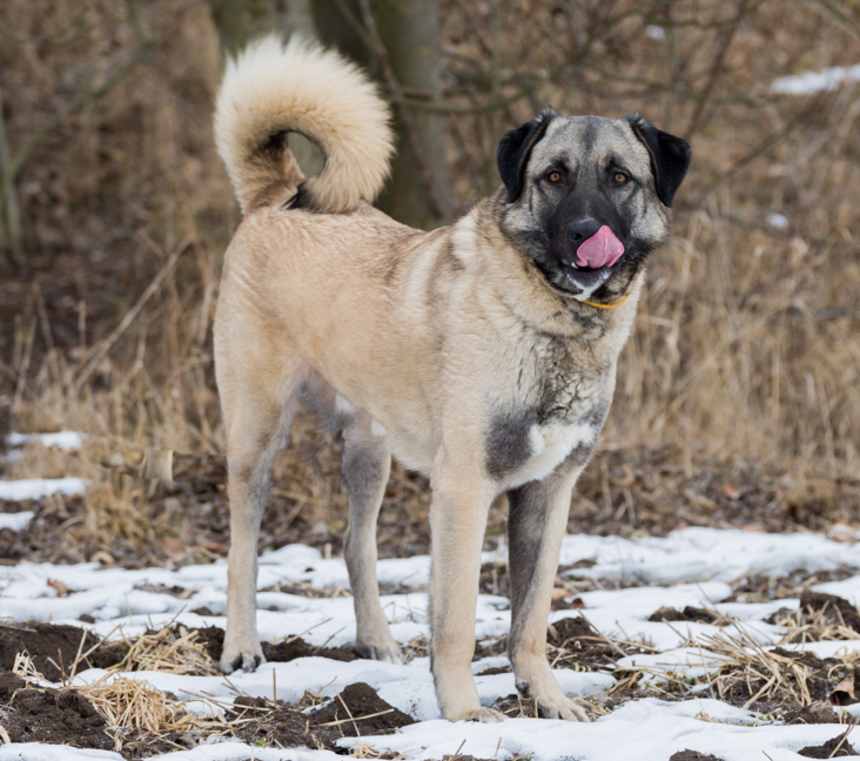
To understand why Anatolian Shepherds bark, it helps to understand their history. The breed developed in Turkey as a livestock guardian. These dogs protected sheep, goats, and other animals from wolves, jackals, bears, and human thieves.
Unlike herding breeds, Anatolian Shepherds were not bred to move livestock on command. They were bred to make independent decisions. Their job was to notice danger early and respond without waiting for a person to give instructions.
Territorial alerting
Territorial barking is the most common reason an Anatolian Shepherd vocalizes. The dog may see someone near the fence or hear a delivery truck before you notice it.
This type of bark often comes in a deep, steady pattern. The dog may stand tall, face the sound, and keep watching after the noise stops.
Nighttime vigilance
Many Anatolian Shepherds bark more at night. Darkness limits human vision, but dogs can still detect movement, scents, and faint sounds. Wildlife, distant dogs, and people walking down the street may all trigger a response.
Night barking does not always mean the dog is anxious. It may simply mean the dog is performing the work it was bred to do.
Protective behavior
Anatolian Shepherds can view family members as part of their social group. If a stranger approaches, the dog may bark to create distance.
Guests can also cause barking if they enter the home or yard without a calm introduction. This is why early socialization matters so much for this breed.
Boredom and isolation
A working guardian dog with little mental or physical activity may bark from frustration. Long periods alone can make the problem worse.
A large yard alone is not enough. A bored dog may patrol the fence, bark at every passerby, or develop repetitive habits.
Are Anatolian Shepherds Naturally Noisy?
Anatolian Shepherds are not usually noisy in the same way as Beagles, Shetland Sheepdogs, or some small terriers. They may spend long periods resting quietly, then give a powerful warning when they notice something unusual.
Their barking is often best described as purposeful rather than constant. However, “purposeful” does not mean quiet. One deep bark from an Anatolian Shepherd can be louder and more noticeable than several soft barks from another breed.
Individual dogs vary. Genetics, early experiences, training, age, health, and living conditions all affect vocal behavior.
A calm Anatolian Shepherd raised on a quiet rural property may bark less than one living beside a busy sidewalk. The second dog has many more sights and sounds to monitor.
When people ask, do Anatolian Shepherds bark a lot compared with other large dogs, the honest answer is that they often rank high for alert barking. Their guardian instincts make them less suited to homes where silence is essential.
What Makes an Anatolian Shepherd Bark More?
Several common triggers can increase barking. Finding the trigger is more useful than simply telling the dog to stop.
High visual access
A dog that can see every person, car, and animal near the property may feel responsible for reporting each one. Open fencing can create a steady stream of visual triggers.
A solid privacy fence, window film, or a well-placed outdoor resting area may reduce this type of barking. The goal is not to isolate the dog completely. The goal is to reduce needless stimulation.
Poor socialization
A puppy that rarely meets different people, dogs, surfaces, vehicles, and sounds may react strongly later. The American Veterinary Society of Animal Behavior supports safe, positive socialization during puppyhood because early learning shapes future responses.
Socialization does not mean forcing a puppy to greet everyone. It means teaching the dog that new experiences can be safe and predictable.
Lack of boundaries
An Anatolian Shepherd needs to learn where its territory ends. Without clear boundaries, the dog may patrol sidewalks, neighboring yards, or public spaces.
Reliable fencing is essential. Invisible fencing is often a poor choice for a guardian breed because it may not stop the dog from crossing the boundary when it believes a threat is present.
Pain or illness
A sudden increase in barking deserves attention. Pain, hearing changes, cognitive decline, thyroid problems, and other medical issues can affect behavior.
If an adult dog begins barking at odd times or seems confused, schedule a veterinary exam before treating the issue as a training problem.
Separation distress
Some Anatolian Shepherds bark when left alone. This can occur because of boredom, anxiety, or a change in routine.
Signs of separation distress may include pacing, destruction, drooling, escape attempts, or barking that begins soon after you leave. A qualified behavior professional can help identify the cause.
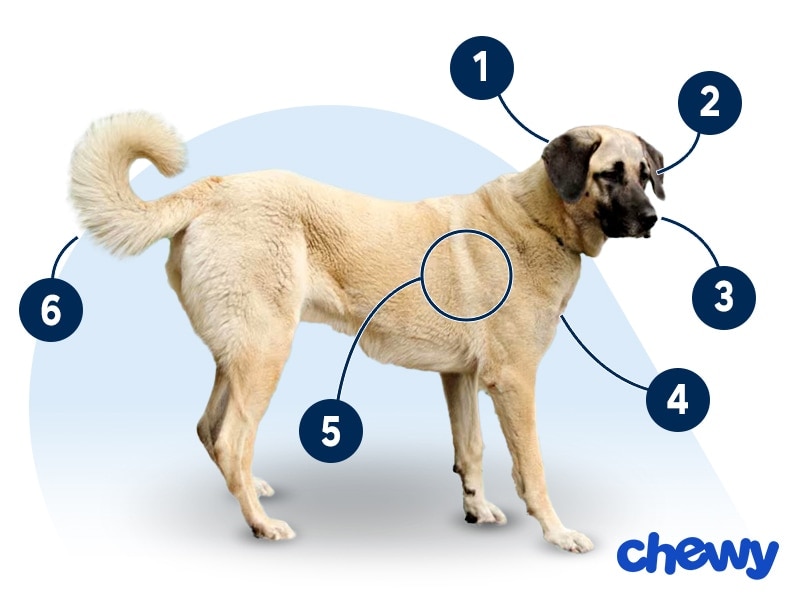
How to Reduce Excessive Barking
You cannot remove the guardian instinct, and you should not try to turn an Anatolian Shepherd into a completely silent dog. You can teach the dog when barking is useful and when it should stop.
1. Teach a calm “thank you” cue
When the dog alerts, calmly check the area. Then say a phrase such as “thank you” or “all clear.” Once the dog pauses, reward the quiet moment.
This works better than yelling. Shouting can sound like you are joining the alarm. It may also increase excitement.
2. Reward quiet behavior
Watch for moments when your dog notices something but remains silent. Give a treat or calm praise before barking begins.
Rewarding quiet choices helps the dog learn that silence also gets your attention. Timing matters. Reward the pause, not the bark.
3. Limit repeated triggers
Close curtains during busy times. Use a privacy screen near the fence. Move the dog away from the front window when delivery traffic is high.
These changes are simple, but they can lower the number of barking rehearsals each day. Behavior grows stronger when a dog practices it repeatedly.
4. Provide meaningful work
An Anatolian Shepherd needs more than a short walk around the block. Suitable activities may include:
• Long sniffing walks in safe areas
• Basic obedience practice
• Tracking games
• Food puzzles
• Supervised property patrols
• Calm livestock work with experienced guidance
• Reward-based training sessions
Exercise should match the dog’s age and health. Forced running can harm growing joints, especially in large-breed puppies.
5. Use reward-based training
The American Veterinary Society of Animal Behavior recommends reward-based methods and warns against painful or fear-based tools. Shock collars, harsh corrections, and repeated punishment can increase fear and aggression in a protective dog.
A guardian breed needs trust and clear direction. Fear may suppress a bark for a moment, but it does not solve the reason for the behavior.
6. Ask for professional help early
Contact a certified behavior consultant or a veterinary behaviorist if barking includes lunging, snapping, fence fighting, or aggression toward visitors.
Do not wait until the dog has rehearsed the behavior for months. Early help is usually safer, faster, and less stressful for everyone.

Can You Train an Anatolian Shepherd Not to Bark?
You can reduce unnecessary barking, but complete silence is not a realistic goal. Barking is part of the breed’s protective communication system.
Training should focus on control, not suppression. A well-trained dog should be able to alert you, respond to a calm cue, and settle when the concern has passed.
Start training in low-distraction settings. Teach basic cues such as:
• Name recognition
• Come
• Place
• Leave it
• Wait
• Quiet
• Settle
Practice each cue with rewards before using it during a major barking episode. A dog that ignores “come” in the living room will not suddenly obey it while chasing a perceived threat at the fence.
One mistake owners often make is rewarding barking by opening the door, rushing to the window, or giving excited attention. From the dog’s point of view, this may confirm that barking is the correct way to control the environment.

Are Anatolian Shepherds Good for Apartments?
Anatolian Shepherds are usually a poor match for apartments, especially when the building has thin walls or heavy foot traffic. The dog may hear neighbors, elevators, doors, and hallway movement all day.
Size is another concern. This is a powerful breed that needs room to move and a secure outdoor area. Daily walks help, but they do not fully replace space and purposeful activity.
An apartment may work in rare cases with an adult, calm individual and a highly committed owner. Even then, the owner must plan carefully for exercise, enrichment, training, and noise management.
For most people, a secure rural or suburban property is a better setting. Even there, local noise rules and neighbor relationships still matter.

How Much Exercise Does an Anatolian Shepherd Need?
Anatolian Shepherds need regular activity, but they are not usually high-speed endurance dogs. They often prefer steady movement, exploration, and time spent observing their surroundings.
A healthy adult may benefit from:
• One or two daily walks
• Time in a secure yard
• Short training sessions
• Scent and tracking games
• Supervised work around appropriate animals
Young puppies need careful exercise. Avoid long forced walks, repeated jumping, and intense running while the skeleton is developing.
Mental work is just as important as physical exercise. A dog that uses its nose, learns new skills, and has a predictable routine may be less likely to bark from frustration.
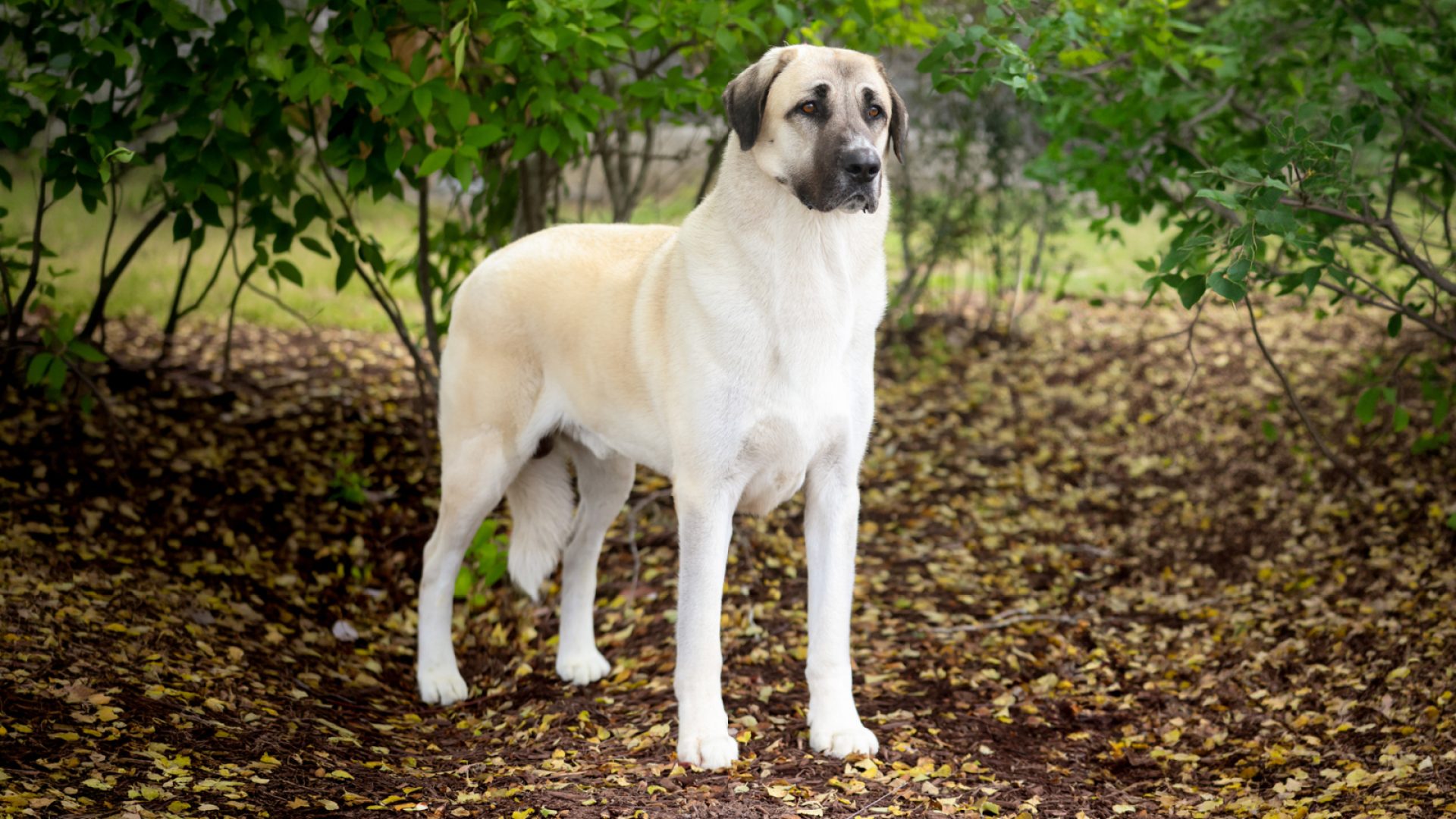
Anatolian Shepherd Barking and Livestock Guardian Work
On a farm, barking can be valuable. A guardian dog may warn livestock and people about predators before a human sees them. In this setting, barking is part of the job.
Even working dogs need management. The dog should have secure boundaries, access to shade and water, regular health care, and protection from extreme weather. It also needs proper introductions to livestock.
A livestock guardian should not be expected to raise animals without guidance. Puppies can play too roughly, chase stock, or fail to recognize danger. Experienced supervision helps shape safe behavior.
The ideal amount of barking depends on the setting. A few strong warnings may be useful on a large farm but unacceptable in a dense neighborhood.
Mistakes to Avoid With an Anatolian Shepherd
Many barking problems become worse because the owner responds in ways that make sense to a human but confuse the dog.
Avoid these common mistakes:
• Punishing every bark without checking the trigger
• Leaving the dog outside alone for long periods
• Using an electric collar without professional guidance
• Allowing fence fighting with neighborhood dogs
• Giving guests no introduction plan
• Expecting exercise alone to solve anxiety
• Ignoring a sudden behavior change
• Buying the breed without considering local noise rules
Do Anatolian Shepherds bark a lot because they are stubborn? Not exactly. They are independent thinkers. They may question a command that seems unsafe or pointless, so training must be consistent, calm, and worth the dog’s attention.
The best results usually come from combining management, socialization, routine, and reward-based training.
Frequently Asked Questions About Do Anatolian Shepherds Bark a Lot
Do Anatolian Shepherds bark more at night?
They can bark more at night because they may hear wildlife, distant dogs, or unfamiliar movement that people cannot detect. Nighttime barking is often linked to their natural guarding role.
Are Anatolian Shepherds louder than German Shepherds?
Anatolian Shepherds often have a deeper, more booming bark, but individual dogs vary. A German Shepherd may vocalize more during training or excitement, while an Anatolian Shepherd may bark more for territorial alerts.
Can an Anatolian Shepherd be trained to stop barking?
You can reduce unnecessary barking and teach a reliable quiet or settle cue. You cannot realistically remove all barking because alerting is a core part of the breed’s guardian instinct.
Do Anatolian Shepherd puppies bark a lot?
Puppies may bark as they explore, play, protest confinement, or react to new sounds. Early socialization, safe exposure, enrichment, and calm training can prevent many habits from becoming stronger.
Are Anatolian Shepherds suitable for families with neighbors nearby?
They can be challenging in close neighborhoods because their warning bark travels far. A secure property, good management, and serious training are important if homes are close together.
Why does my Anatolian Shepherd bark at nothing?
Your dog may hear, smell, or see something beyond your range. If the barking is sudden, intense, or paired with confusion or other behavior changes, a veterinary check is wise.
Conclusion
Do Anatolian Shepherds bark a lot? They can, especially when guarding territory, watching livestock, or responding to unfamiliar sounds. Their barking is usually a natural working behavior, not a sign of a bad temperament.
You can manage it with early socialization, secure fencing, meaningful activity, clear routines, and reward-based training. Before bringing one home, consider your property, neighbors, schedule, and comfort with a powerful independent guardian.
If you already live with an Anatolian Shepherd, track what triggers the barking and begin with one calm training plan. Share your experience with other owners or explore guidance from a qualified veterinary behavior professional.

Pet Care Writer & Researcher
Daniel writes practical guides on daily care, feeding, and safety, turning complex topics into simple, actionable advice.