Best Dog For Not Barking: Quiet Breeds To Consider
Looking for the best dog for not barking? Compare quiet, low-barking breeds and find a calm companion suited to your home and lifestyle.
The best dog for not barking starts with calm training, clear limits, and the right humane bark-control tool.
Your dog barks at the mail carrier, a passing car, or every small sound at night. Soon, your family cannot relax, and your neighbors may start to complain. I understand how tiring that feels. The good news is that barking often improves when you pair exercise, reward-based training, and a gentle reminder device. I reviewed these bark-control products for range, modes, comfort, battery use, weather resistance, and ease of use. No device replaces training, but the right one can help your dog learn when quiet behavior matters.
YUYQA Ultrasonic Dog Bark Deterrent

The YUYQA dog bark deterrent is a compact handheld device for owners who need a quick training cue. It offers three ultrasonic levels and six training modes, so you can start with a mild setting. The listed range reaches about 23 feet, which suits rooms, patios, porches, and small yards. Its rechargeable design also avoids the need to keep spare batteries nearby.
I like the simple shape for short training sessions. You can use the sound, light, or other selected cue as soon as unwanted barking begins, then reward your dog when he stops. The device should point toward the dog without being waved close to his face. Results will vary because dogs hear differently, and some dogs may ignore ultrasonic sound.
Pros:
- Six modes give owners more training choices
- Three ultrasonic levels support gradual use
- Portable size works well indoors and outdoors
- Rechargeable battery reduces ongoing battery costs
- Useful range for close training sessions
- Can support quiet-command training when used with rewards
Cons:
- Twenty-three feet may feel short in a large yard
- Some dogs may not respond to ultrasonic cues
- Owners must remember to recharge the device
My Recommendation
This YUYQA model is best for apartment owners, new dog parents, and anyone who wants a small tool for close-range training. It may help when your dog barks at the door, kitchen sounds, or nearby visitors. I would use it with a quiet cue, praise, and a treat rather than pressing the button again and again. For a buyer seeking the best dog for not barking, this device offers good flexibility at a practical size. Check the current Amazon listing for price, stock, and included accessories.
Automatic Owl Bark Control Box

This automatic bark control box uses an owl-style housing and two emitters to cover a wider area. The product listing states a range of up to 50 feet. That makes it more suitable for a yard, porch, driveway, or shared space than a small handheld unit. The automatic format can respond to barking without requiring you to hold a remote.
The weatherproof design is helpful for outdoor placement, but I would still choose a protected spot with good visibility. Place it near the barking area, not beside your dog’s bed or food. Automatic bark devices work best as a brief interruption, not as a constant source of sound. Watch your dog closely at first and stop use if he seems fearful, stressed, or confused.
Pros:
- Two emitters may improve area coverage
- Up to 50 feet suits many home yards
- Automatic operation reduces hands-on effort
- Owl design blends into outdoor spaces
- Weatherproof build supports indoor or outdoor use
- Useful for repeated barking near a fence or gate
Cons:
- Automatic correction may react to barking you do not want to change
- Placement affects range and performance
- Some dogs may become used to the signal over time
My Recommendation
I recommend this box for households that deal with repeated barking in one clear area. It may help with fence barking, driveway barking, or a dog that reacts to the same outdoor trigger. It is less useful if your dog moves around the whole property. If you want the best dog for not barking in a suburban yard, this model is worth considering alongside a fence routine, daily exercise, and reward-based training. Always check local rules before using any outdoor bark-control product.
Rechargeable Ultrasonic Bark Deterrent

This rechargeable anti-barking device is designed for simple, direct use. Its portable form makes it easy to carry during a walk, training class, or visit from guests. A handheld device lets you respond to a specific moment instead of placing a correction tool in one permanent location. That can be useful when your dog barks from several rooms.
I suggest using a short cue, then waiting for silence. The instant your dog stops, offer praise or a small treat. This teaches the behavior you want rather than relying only on interruption. As with any ultrasonic product, the effect depends on the dog, distance, distractions, and correct use.
Pros:
- Rechargeable design is convenient for regular training
- Portable body works at home or on walks
- Easy to use for one barking event at a time
- Does not require a collar on the dog
- May help owners create a consistent quiet cue
- Suitable for homes with more than one dog
Cons:
- It requires the owner to be present
- Ultrasonic response can differ from dog to dog
- Repeated use without rewards may limit training progress
My Recommendation
This is a good fit for owners who want a low-profile device for walks, guests, and indoor barking. I prefer this style for dogs that bark only during clear events rather than all day. It gives you a chance to guide behavior while staying close to your pet. For someone searching for the best dog for not barking, this is a useful training aid when paired with exercise, calm handling, and positive reinforcement.
Long-Range Three-Mode Bark Box

This three-mode bark box is built for owners who need a longer working distance. The listing gives it a range of up to 50 feet, which may cover a porch, lawn, or fence line. Its modes let you choose a sound or ultrasonic setting based on your dog’s response. The device is intended for indoor and outdoor use.
A long-range device still needs careful placement. Walls, plants, furniture, and the dog’s position can affect the signal. I would test it from several points before deciding that it does not work. Keep sessions short, and pair the cue with a clear command such as “quiet.” That simple routine helps turn a device into a training tool.
Pros:
- Up to 50 feet offers useful yard coverage
- Three modes allow basic customization
- Can work indoors or outdoors
- Helpful for barking near fences and gates
- Non-contact design avoids putting a collar on the dog
- Useful for owners who need a visible training box
Cons:
- Range may change with obstacles and placement
- Three modes offer less choice than some rivals
- It may not stop barking caused by fear or pain
My Recommendation
I would choose this product for a medium yard or a dog that barks from a predictable outdoor spot. It is especially practical when you want more coverage than a handheld device provides. It will not replace a behavior plan, and it should never hide a medical or anxiety problem. For the best dog for not barking results, combine this box with calm doorway practice, more mental work, and rewards for quiet behavior.
FAFAFROG Rechargeable Bark Collar

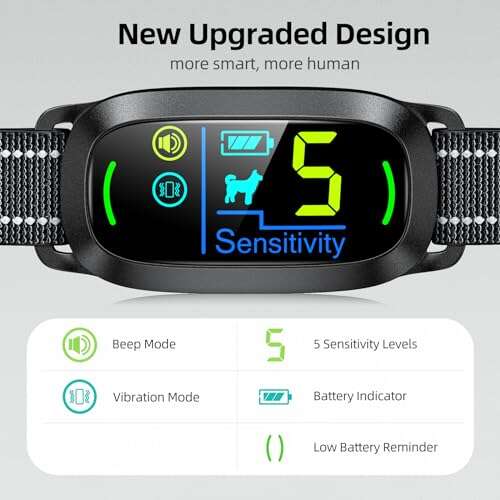
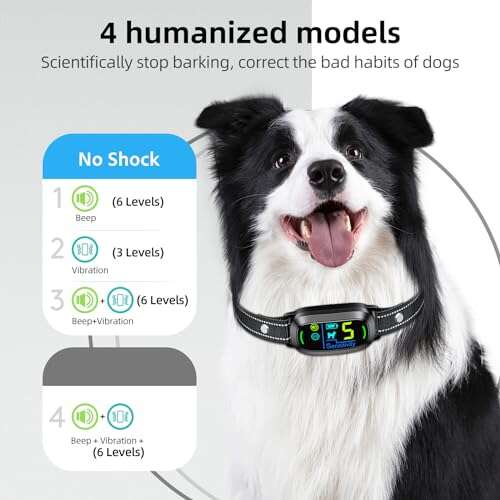
The FAFAFROG bark collar uses beep and vibration modes with five sensitivity levels. That gives owners a way to begin with a gentle warning and adjust with care. The rechargeable design suits regular use, and the collar is listed for small, medium, and large dogs. A collar can be convenient when a dog barks across the yard and the owner cannot stay beside him.
Fit matters more than many buyers expect. The collar should sit securely without pressing hard, and you should follow the maker’s size guidance. I would supervise the first sessions and remove the collar during sleep or when the dog is alone unless the instructions clearly allow otherwise. Beep and vibration collars can support training, but they should not punish fear, separation distress, or pain-related barking.
Pros:
- Five sensitivity levels offer useful adjustment
- Beep and vibration provide non-shock training options
- Rechargeable battery reduces disposable battery waste
- Listed for a broad range of dog sizes
- Works when the owner is not holding a handheld device
- Can help interrupt barking in a yard or home
Cons:
- Incorrect fit can reduce performance or cause discomfort
- Some sensitive dogs may dislike vibration
- Requires regular cleaning and charging
My Recommendation
This collar is best for an owner who wants a wearable beep-and-vibration option and can supervise training. I would not make it the first choice for a fearful dog, a puppy, or a dog with separation anxiety. For a confident adult dog that understands basic commands, it may provide a consistent reminder. Anyone seeking the best dog for not barking should use the lowest effective setting and reward silence right away.
PawdTailEazy Four-Emitter Bark Device

The PawdTailEazy device uses four ultrasonic emitters and offers a listed range of up to 50 feet. Its design is aimed at dogs from 20 to 120 pounds, although buyers should still check the fit and use instructions for their pets. Three modes provide a simple way to test what your dog notices. The USB rechargeable build is practical for frequent outdoor sessions.
Four emitters may help spread the signal across a wider direction, but no device covers every corner of a yard. I would place it where the barking starts, then adjust the angle after observing the dog. Use it for a few seconds, give a quiet command, and reward the pause. This method keeps the device from becoming the entire lesson.
Pros:
- Four emitters may support broader directional coverage
- Up to 50 feet suits many outdoor areas
- Three modes keep operation simple
- Designed for a wide stated weight range
- USB rechargeable for repeated use
- Indoor and outdoor use adds flexibility
Cons:
- Large yards may still need more than one unit
- Ultrasonic sound is not equally effective for every dog
- The 20-pound lower range may not suit very small dogs
My Recommendation
I recommend PawdTailEazy for owners with a medium or large dog and a clear barking zone. The four-emitter layout may be helpful near a fence, patio, or driveway. It is not a cure for boredom, loneliness, or distress, so first check whether your dog needs more exercise or company. As a candidate for the best dog for not barking, it offers strong coverage features without requiring a collar.
Three-Head Rechargeable Bark Deterrent

This newer-style bark deterrent has three sonic heads, a one-touch control, and a listed range of up to 50 feet. It also includes a flashlight, which can help during evening walks or when checking a yard. The one-touch format is useful when you need to respond quickly. Its rechargeable battery keeps the unit ready for repeated training sessions.
I see the flashlight as a useful extra rather than the main reason to buy it. The key value comes from the quick control and multi-head design. Start with short use and watch your dog’s body language, including tucked ears, hiding, or repeated stress signals. If your dog appears worried, stop and use a calmer training plan instead.
Pros:
- Three sonic heads may improve directional use
- One-touch control makes operation quick
- Listed 50-foot range suits many yards
- Rechargeable battery supports regular use
- Built-in flashlight adds walk-time value
- Can serve as a portable training aid
Cons:
- Newer listings may have limited long-term buyer history
- A flashlight does not improve bark training itself
- Some dogs may not respond to sonic cues
My Recommendation
This model is best for active owners who train outdoors and want a flashlight in the same small device. It may suit dogs that bark at walkers, bikes, or yard sounds. I would use the lowest useful setting and keep the lesson brief. If you want the best dog for not barking while walking or working in the yard, this is a flexible option, but careful observation remains essential.
Long-Range Three-Mode Bark Silencer

This long-range bark device is built around three modes and a listed working distance of up to 50 feet. The product is aimed at outdoor dog training, but its compact format can also suit indoor use. It gives owners a simple way to interrupt a bark without touching the dog. The bark-box style can be placed near a common trigger point.
Before using it, I would learn why the dog barks. A dog barking at a stranger may need distance and a quiet routine. A dog barking when alone may need gradual separation work instead. This device can support a plan, but it should not cover up pain, fear, poor socialization, or a lack of daily activity.
Pros:
- Up to 50 feet offers useful outdoor reach
- Three modes allow a basic training choice
- Non-contact design works without a collar
- Portable size supports use in more than one area
- May help with fence-line barking
- Simple controls suit first-time buyers
Cons:
- May not work well through heavy obstacles
- It requires correct placement near the trigger
- Dogs with strong fear may need professional help
My Recommendation
I would choose this device for a buyer who wants a straightforward long-range tool without many controls. It fits a home with one main barking area and an owner who can monitor results. Use it with a “quiet” command and a reward so your dog learns a replacement behavior. For the best dog for not barking, that training link is more important than range alone.
Four-Mode Ultrasonic Bark Control Device

This dog barking control device offers four modes and a listed range of up to 50 feet. Its two-in-one weatherproof design is intended for indoor and outdoor use. The extra mode may help owners find a setting their dog notices without jumping straight to a strong correction. The compact box can be placed near a doorway, patio, or fence.
Weather resistance is useful, but I would not leave any electronic device exposed to severe storms or standing water. Choose a spot with a clear path to the dog and keep the unit away from children. A few seconds of use followed by praise can build a clear pattern. Constant use may confuse the dog and can reduce the value of the training cue.
Pros:
- Four modes provide more choice than basic models
- Listed 50-foot range covers many home areas
- Weatherproof design supports outdoor training
- Indoor and outdoor use improves versatility
- Non-contact operation avoids collar fit concerns
- Useful for dogs that bark near doors or fences
Cons:
- Weatherproof does not mean fully storm-proof
- Placement can affect the listed range
- Some dogs may ignore ultrasonic signals
My Recommendation
This product is best for owners who want a mounted or placed device with several modes. It may be a good match for a dog that barks at the front door or a regular outdoor trigger. I would test each mode briefly and keep the most gentle setting that gets attention. In a search for the best dog for not barking, this model earns attention for its flexible placement and weather-focused design.
Cbersmg Portable Five-Mode Bark Device

The Cbersmg portable bark deterrent combines three ultrasonic emitters, five modes, a flashlight, and a listed range of up to 50 feet. It is made for small, medium, and large dogs, so it can work in homes with different dog sizes. The portable shape is useful for walks, parks, and short outdoor sessions. A beep option may offer another way to gain attention.
This is a feature-rich choice, but more features do not guarantee better results. I would use only one mode at a time and record how your dog responds. The flashlight can help you see during low-light walks, while the bark function remains a training aid. Keep your tone calm, and reward the quiet moment that follows.
Pros:
- Five modes give owners several training options
- Three ultrasonic emitters may improve direction
- Listed 50-foot range supports outdoor use
- Flashlight adds practical value after dark
- Portable design works on walks and at home
- Suitable for a broad range of dog sizes
Cons:
- Several modes may overwhelm first-time users
- Portable use requires the owner to be present
- Effectiveness can vary with distance and distractions
My Recommendation
I recommend Cbersmg for active owners who want one portable tool for training and evening walks. It may fit a dog that barks at passing people, other dogs, or outdoor sounds. Start with the lowest practical option and avoid holding it close to your pet. For anyone comparing the best dog for not barking tools in 2026, this model offers a useful mix of range, modes, and portability.
| Best for | Why |
|---|---|
| Indoor and close-range training | The YUYQA and compact rechargeable models are easy to hold and use near the dog. |
| Medium yards and fence barking | The automatic owl box, PawdTailEazy, and 50-foot devices offer broader area coverage. |
| Walks and mobile training | The Cbersmg and three-head models add portable controls and useful flashlights. |
How I Chose These Bark-Control Products
I looked at the features that matter in daily use, not just long product names. Range, control modes, charging, weather resistance, and portability all affect the buying decision. I also considered whether a product lets the owner stay involved in training. A bark device should be a bridge to better behavior, not a substitute for care.
Ultrasonic sound is not magic. Some dogs notice it at once, while others barely react. Distance, walls, wind, background noise, age, hearing ability, and the dog’s emotional state can all change the result. That is why I favor products with more than one gentle mode, but I still advise starting low and using short sessions.
How to Reduce Barking in a Kind, Lasting Way
First, find the reason for the bark. Dogs bark to alert, play, seek attention, show fear, respond to other dogs, or express frustration. A sudden change may point to pain, illness, hearing loss, or stress, so a veterinarian should assess unusual behavior. A bark-control device cannot solve a medical problem.
Next, reduce the trigger. Close the blinds if your dog guards the window. Add privacy screening if fence barking is the problem. Use a fan or soft background sound for hallway noise. These small changes can lower the number of barking events before training even begins.
Then teach a quiet cue. Let your dog give one or two alert barks. Say “quiet” in a calm voice. When the dog pauses, mark the moment with praise and give a small treat. Repeat this in short sessions. Over time, increase the quiet period before the reward.
Exercise also matters. A bored dog often looks for his own work, and barking can become that work. Walks, scent games, food puzzles, short obedience sessions, and safe play can give the brain a better task. Mental work may tire a dog more than a long walk on the same route.
Never shout over barking. Your dog may think you are joining the noise. Avoid using a bark device during panic, crate distress, or separation anxiety. In those cases, a certified trainer or veterinary behavior professional can build a safer plan. Humane training protects trust, which is the foundation of lasting change.
What Makes a Good Bark Deterrent?
A good bark deterrent should be easy to control. You need to know when it activates and how strong the cue is. Multiple modes can help because dogs differ in sensitivity. A clear manual, solid buttons, and a battery that holds a charge also matter more than flashy packaging.
Range claims need context. A listed 50-foot range may assume a clear path. A wall, hedge, parked car, or sharp angle can reduce coverage. Place the device near the trigger area and test it from the dog’s usual position. Never assume the maximum number on the box will match every home.
Comfort and safety should guide the choice. Handheld and placed devices avoid collar-fit problems. If you choose a collar, check the size, inspect the skin, and supervise use. I prefer beep or vibration options over shock-based products, and I would avoid any tool that causes pain or fear.
Finally, look for a product that supports learning. The best dog for not barking is not created by pressing a button forever. The best result comes when the dog learns what to do instead: look at you, come inside, settle on a mat, or stay quiet near a window.
FAQs Of best dog for not barking
What is the best dog for not barking?
The best dog for not barking is not one breed or one device. The best solution combines exercise, trigger control, reward-based training, and a humane bark cue when needed. A veterinarian should check sudden or extreme barking.
Do ultrasonic bark devices work for every dog?
No. Dogs respond differently to ultrasonic sound. Age, hearing ability, distance, distractions, and stress can affect the result. Use the lowest useful setting and stop if your dog shows fear or discomfort.
Is a bark collar safe for small dogs?
Safety depends on the collar design, fit, dog’s age, and mode. Follow the maker’s weight and size guidance. Start with beep or gentle vibration, supervise use, and never use a collar to punish fear or separation distress.
Where should I place an automatic bark-control box?
Place it near the main barking area with a clear path to the dog. Keep it away from the dog’s bed, food, and water. Test the distance first, and protect outdoor electronics from heavy rain and standing water.
Can a bark device stop separation anxiety?
No. Separation anxiety needs a gradual behavior plan, not a bark correction. Talk with a veterinarian or qualified behavior professional if your dog panics, destroys items, drools heavily, or barks when left alone.
Final Verdict: Which Should You Buy?
For most homes, I would start with the YUYQA for close training or PawdTailEazy for a larger outdoor area. The FAFAFROG collar suits owners who need a wearable beep-and-vibration cue. Each option works best with rewards and calm practice.
The best dog for not barking learns through clear, kind guidance. Choose the range and format that match your home, then check current Amazon pricing, reviews, and availability before ordering.

Pet Care Writer & Researcher
Daniel writes practical guides on daily care, feeding, and safety, turning complex topics into simple, actionable advice.