
How To Stop A Barking Puppy: Calm Training Tips
Learn how to stop a barking puppy with gentle, effective training tips that build calm habits and bring peace back to your home.
Teach a calm alternative, meet your puppy’s needs, and reward quiet behavior instead of shouting over the barking.
Learning how to stop a barking puppy takes patience, timing, and a clear plan. Puppies bark to communicate, explore, seek attention, or express fear. Once you understand the reason behind the noise, you can guide your puppy toward a calmer response without using fear or punishment.
Why Puppies Bark
Barking is normal puppy behavior. It is one of the few ways a young dog can get your attention. Still, frequent barking can become a habit if it often earns a treat, a game, eye contact, or access to something exciting.
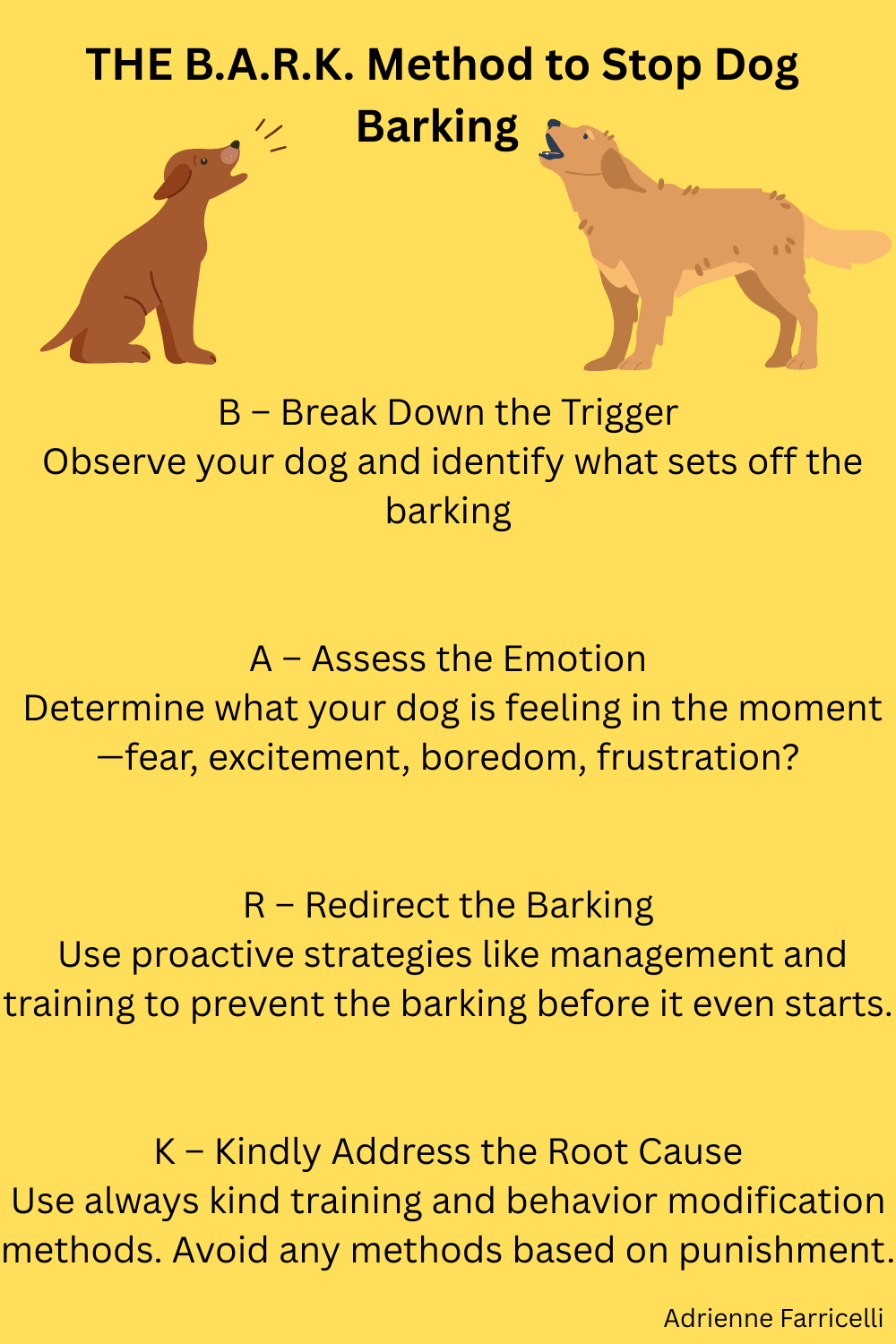
The first step in learning how to stop a barking puppy is to identify the trigger. Watch what happens right before the bark. Your puppy may bark at a person near the window, a strange sound, a closed door, a full bladder, or simple boredom.
Common reasons for puppy barking include:
• Attention seeking: Your puppy wants food, play, touch, or eye contact.
• Alarm barking: Your puppy notices a sound, person, animal, or movement.
• Fear: The puppy feels unsure about a new place, object, or person.
• Frustration: The puppy cannot reach a toy, another dog, or a family member.
• Excitement: The puppy barks during play, greetings, or training.
• Loneliness: The puppy has trouble settling when left alone.
• Physical needs: The puppy may need to potty, eat, sleep, or move.
• Discomfort: Pain or illness can cause a sudden change in vocal behavior.
Avoid guessing. Keep a simple note for one day. Record the time, trigger, length of barking, and what you did next. This small record can reveal a clear pattern.
Meet Your Puppy’s Basic Needs
A tired, hungry, lonely, or overstimulated puppy will struggle to stay quiet. Puppies need much more sleep than many new owners expect. A young puppy may sleep for 18 to 20 hours in a day, though each dog is different.
Before you correct barking, check the basics:
• Give regular potty breaks.
• Offer age-appropriate meals and fresh water.
• Provide safe chew toys.
• Schedule short play sessions.
• Add gentle walks when your veterinarian approves them.
• Give your puppy quiet nap time.
• Use simple training games to provide mental exercise.
Mental work can be as helpful as physical exercise. Let your puppy sniff during a short walk. Hide a few pieces of kibble in a towel. Practice “sit,” “touch,” or “find it” for two minutes at a time.
One common mistake is trying to wear out a puppy with nonstop activity. This can create an overtired dog who barks, bites, and struggles to settle. Think of your puppy like a small child: rest is part of training.

Teach the Quiet Cue
The “quiet” cue can help, but it works best after your puppy understands that calm behavior earns rewards. Do not repeat “quiet” while your puppy is barking loudly. Your voice may become part of the noise.
Use this simple process:
-
Find a low-level trigger, such as a soft knock on a door.
-
Allow one or two barks.
-
Hold a small treat near your puppy’s nose.
-
When your puppy pauses to sniff, say “quiet” in a calm voice.
-
Give the treat at once.
-
Wait a few seconds, then repeat.
-
Slowly increase the quiet time before giving the reward.
At first, reward even one second of silence. Over time, build to five seconds, then ten seconds. The goal is not perfect silence at once. The goal is to show your puppy what to do instead.
This method is central to how to stop a barking puppy because it teaches a clear replacement behavior. Your puppy learns that quiet behavior makes good things happen.
Keep sessions short. Three to five minutes is enough for a young puppy. End while your puppy is still successful.

Reward Quiet Behavior
Many people notice barking but miss calm moments. Your puppy may lie quietly while you work, watch the world without barking, or settle after hearing a sound. Those moments are training opportunities.
When your puppy is calm:
• Walk over quietly.
• Place a treat on the floor.
• Use a gentle word such as “good.”
• Leave your puppy alone again.
Do not make every reward exciting. A loud voice, fast movement, or intense petting may cause more barking. Calm behavior should lead to calm rewards.
You can also reward a “settle” behavior. Place a mat near your chair. When your puppy steps onto it, reward. Then reward sitting, lying down, and staying there for short periods.
A helpful rule is simple: do not reward the behavior you want to reduce, and reward the behavior you want to see more often. If barking at the kitchen makes food appear, barking may increase. Wait for a brief pause, then provide the meal.
Manage Common Barking Triggers
Training works faster when you prevent your puppy from practicing unwanted barking. Management is not a failure. It is a smart way to lower stress while your puppy learns.
For window barking, close the blinds or use a privacy film on the lower part of the glass. Move furniture away from the window if your puppy uses it as a lookout post.
For hallway or door barking, place your puppy behind a baby gate before visitors enter. Give a chew or food puzzle. Ask guests to ignore the puppy until the body looks loose and calm.
For outdoor sounds, use soft background noise. A fan, radio, or white noise machine may reduce sudden reactions. Keep the volume low and avoid creating another source of stress.
For barking at other dogs, create distance. Cross the street, step behind a parked car, or choose a quieter walking route. A puppy cannot learn well when already overwhelmed.
Management tips include:
• Limit access to busy windows.
• Keep treats near common trigger areas.
• Use gates and pens to create safe spaces.
• Avoid crowded situations during early training.
• Give visitors clear instructions.
• Keep greetings short and calm.
Learning how to stop a barking puppy often means changing the environment before changing the behavior. Fewer loud rehearsals give your puppy more chances to succeed.
Handle Attention Barking
Attention barking can be frustrating because looking at your puppy, speaking, pushing, or even scolding may reward the behavior. From your puppy’s view, any response can feel valuable.
If the barking is safe to ignore, turn away and wait for a short pause. The instant your puppy is quiet, ask for a simple behavior such as “sit.” Then provide attention or play.
Do not ignore barking if your puppy may need to potty, feels trapped, or appears distressed. First check the cause. Training should not mean leaving a frightened puppy alone with no support.
Avoid dramatic reactions. Shouting “Stop barking!” may sound like you are barking too. It can also increase anxiety. A calm pause, followed by a reward for silence, sends a clearer message.
One lesson many puppy owners learn late is that timing matters more than intensity. A quiet reward given within one second is more useful than a large reward given ten seconds later.
Reduce Fear and Separation Barking
Fear barking needs a gentle plan. Do not force your puppy to approach a scary person, object, or sound. Forced exposure can make fear stronger.
Use gradual exposure instead:
-
Identify the distance where your puppy notices the trigger but stays calm.
-
Show the trigger briefly.
-
Give several small treats.
-
Remove or reduce the trigger.
-
Repeat over several short sessions.
-
Decrease the distance very slowly.
This process is called desensitization and counterconditioning. It changes the puppy’s emotional response by pairing the scary thing with something safe and pleasant.
Separation barking requires extra care. Start with very short absences. Step away for one or two seconds, return before your puppy becomes distressed, and reward calm behavior. Increase time in small steps.
Signs of serious separation distress can include:
• Continuous barking or howling.
• Scratching doors or windows.
• Heavy drooling.
• Pacing that does not stop.
• Destructive escape attempts.
• House soiling only when alone.
If you see these signs, contact a veterinarian or a qualified behavior professional. A camera can help you understand what happens after you leave. Severe anxiety often needs a structured behavior plan, and some dogs may need veterinary treatment.
Use Positive Training Methods
Reward-based training is the safest starting point for puppy barking. The American Veterinary Society of Animal Behavior recommends reward-based methods and warns against training that relies on fear, pain, or intimidation.
Avoid:
• Hitting or shaking your puppy.
• Holding the mouth shut.
• Yelling.
• Spray bottles.
• Shock collars.
• Prong collars used to punish barking.
These methods may stop sound for a moment, but they do not teach calm behavior. They can also increase fear, damage trust, or hide warning signs. A quiet puppy is not always a relaxed puppy.
Instead, teach useful skills such as:
• “Watch me” for shifting attention to you.
• “Go to your mat” for settling.
• “Leave it” for moving away from a trigger.
• “Touch” for following your hand.
• “Find it” for sniffing and searching.
Practice these skills when your puppy is calm. It is much harder to teach a new behavior during a barking storm.
Create a Daily Barking Plan
A clear routine makes how to stop a barking puppy easier for the whole family. Everyone should use the same words and follow the same rules.
A simple daily plan may look like this:
• Morning: Potty break, breakfast, a short training session, and rest.
• Midday: Potty break, sniffing game, gentle play, and a nap.
• Afternoon: Calm exposure to a mild sound or visitor routine.
• Evening: Food puzzle, short training, potty break, and quiet time.
Keep a treat pouch in the rooms where barking happens most. Reward calm behavior before barking begins. Prevention is often easier than interruption.
Track progress by looking at small changes. Your puppy may bark five times instead of ten, recover faster, or respond to your cue sooner. These are real improvements.
Do not expect a straight line. Teething, growth, fear periods, new homes, and changes in routine can cause temporary setbacks. Stay consistent and adjust the difficulty.
Mistakes That Can Make Barking Worse
Some well-meant actions teach a puppy to bark more. Understanding these mistakes can save weeks of confusion.
Rewarding barking by accident
If your puppy barks at the food bowl and you put the bowl down, the puppy may learn that barking speeds up dinner. Ask for a brief pause first. Then place the bowl down calmly.
Repeating the same cue
Saying “quiet, quiet, quiet” can teach your puppy that the cue has no meaning. Say it once, then guide your puppy toward success.
Expecting too much too soon
A puppy cannot stay calm for an hour beside a busy sidewalk after one training session. Begin with easy situations and increase difficulty slowly.
Using punishment during fear
Fear is an emotion, not disobedience. Punishment may suppress a warning bark while leaving the fear untouched. This can create a dog who feels unsafe but no longer gives clear signals.
Forgetting sleep
An overtired puppy often looks hyperactive. Add a quiet nap in a crate, pen, or puppy-proof room.
The best approach to how to stop a barking puppy is steady, kind, and practical. You are building a habit, not seeking a one-time trick.
When to Call a Veterinarian or Trainer
Contact your veterinarian if barking begins suddenly, becomes intense, or appears with other changes. Pain, hearing loss, digestive problems, and neurological issues can affect behavior.
Seek professional help if:
• Your puppy shows fear or aggression.
• Barking continues for long periods every day.
• Your puppy cannot settle after gentle training.
• You are worried about separation distress.
• The behavior creates conflict with neighbors.
• You feel angry, overwhelmed, or unsafe.
Choose a trainer who uses reward-based methods. Ask what tools they use, how they handle fear, and whether they have experience with puppies. A certified veterinary behaviorist can help with complex cases, especially when anxiety or aggression is involved.
Professional support is not a sign that you failed. It is like asking a tutor for help when a lesson feels difficult. Early guidance can prevent a small behavior problem from becoming a long-term habit.
Frequently Asked Questions About How to Stop a Barking Puppy
How do I stop my puppy from barking for attention?
Check that your puppy does not need to potty, eat, sleep, or move. Then wait for a brief pause, ask for a calm behavior, and reward the silence with attention.
Should I ignore my puppy’s barking?
Ignore safe attention barking only after checking your puppy’s needs. Do not ignore fear, pain, possible illness, or severe distress when your puppy is alone.
Does yelling at a puppy stop barking?
Yelling may add excitement or fear and can make barking worse. Use a calm cue and reward quiet behavior instead.
How long does it take to stop a barking puppy?
Many puppies show progress within days or weeks when training is consistent. The timeline depends on the cause, the puppy’s age, temperament, environment, and your timing.
Can exercise stop a puppy from barking?
Exercise can help when boredom causes barking, but too much activity can make a puppy overtired. Combine short play, sniffing, training, and plenty of sleep.
Should I use a bark collar on a puppy?
Bark collars are not a good first choice for puppies, especially when barking comes from fear or anxiety. Reward-based training and professional guidance are safer and more effective for teaching calm behavior.
Conclusion
The most effective way to stop a barking puppy is to find the cause, meet basic needs, manage triggers, and reward quiet alternatives. Use short training sessions, clear routines, and gentle methods. Avoid shouting and punishment, because they can increase fear without teaching your puppy what to do.
Progress may come in small steps, but each calm pause is a win. Start today by tracking one barking trigger and rewarding one quiet moment. For more practical puppy training guidance, explore trusted veterinary behavior resources or share your experience in the comments.
Pet Care Writer & Researcher
Daniel writes practical guides on daily care, feeding, and safety, turning complex topics into simple, actionable advice.