How To Teach Puppy Not To Bark: Gentle Steps That Work
Learn how to teach puppy not to bark with gentle, proven steps. Stop noisy nights and build calm habits with easy training you can try today.
Teach puppies to stop barking with consistent training, positive rewards, and clear, calm leadership.
I’ve trained many puppies and helped anxious owners get quiet, confident dogs. This guide on how to teach puppy not to bark explains why puppies bark, what really works, and step-by-step, gentle training you can start today. You’ll get practical routines, troubleshooting tips, and real-life examples so you can reduce barking without yelling or harsh tools.
Understanding puppy barking and what it means
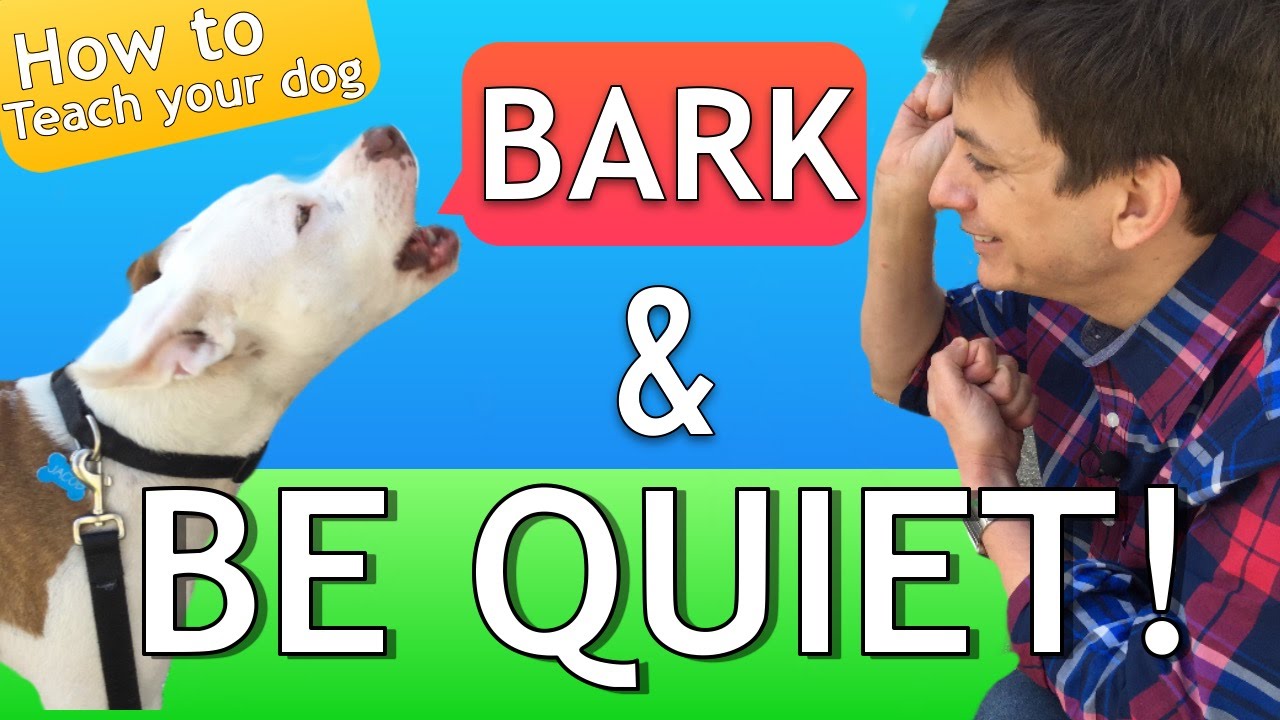
Puppies use barking to talk. Barking can mean excitement, fear, boredom, or a need. Young dogs also test boundaries and use sound to get attention.
Knowing why your puppy barks is the first step to change. When you learn the cause, you can pick the right training approach and avoid rewarding unwanted noise. This article focuses on clear, repeatable methods for how to teach puppy not to bark that respect the dog’s emotions and learning needs.

Common reasons puppies bark
- Attention seeking: Puppies learn barking gets you to play or feed them. If you react, you may reward the behavior.
- Fear or alarm: Strange sounds, people, or other dogs can trigger barking to warn or protect.
- Boredom and excess energy: A tired puppy barks less. Lack of play or exercise fuels noise.
- Social play and frustration: Barking during play or when separated from littermates is normal.
- Medical or discomfort signals: Pain, itch, or illness can make a puppy vocalize more.
Understanding these causes helps you answer the childlike question of how to teach puppy not to bark with targeted fixes. For example, attention barking needs planned ignoring and reward for quiet. Fear barking needs desensitization and reassurance.

Core principles to use when training
- Be consistent. Use the same cue words and timing every time.
- Reward calm. Praise, treats, or play after quiet teaches what you want.
- Avoid punishment that scares. Yelling or shock-based tools increase fear and can worsen barking.
- Manage the environment. Remove triggers while you train to set the puppy up for success.
- Build alternative behaviors. Teach sit, down, or a quiet cue so the puppy has another action to choose.
Follow these when you work through step-by-step drills on how to teach puppy not to bark. The methods are humane and based on how dogs learn.

Step-by-step training plan (8 weeks)
Week 1: Observe and record
- Note when and why your puppy barks.
- Track time of day, triggers, and your response pattern.
- Keep sessions short and calm.
Week 2: Build basic obedience
- Teach sit and stay. Short 5-minute sessions, several times daily.
- Use high-value treats and praise.
- These skills give you control and focus for the quiet cue.
Week 3: Teach speak and quiet
- Ask your puppy to “speak” by rewarding a bark once or twice.
- Then say “quiet” and wait 1–2 seconds of silence. Reward immediately.
- Gradually lengthen silence before the reward.
Week 4: Add distractions and distance
- Practice quiet with mild distractions, then with stronger ones.
- Move farther from the trigger and continue rewarding silence.
- Keep training calm and predictable.
Week 5: Replace attention-seeking barking
- Ignore barking for attention. Don’t touch or talk until the puppy is quiet.
- When the pup pauses, reward quiet immediately.
- Teach an alternative: ring a bell or sit for attention.
Week 6: Increase work and exercise
- Add structured walks, play, and mental games.
- A tired puppy barks less. Use puzzle toys and short training games daily.
Week 7: Real-world practice
- Practice quiet during real triggers (doorbell, neighbor sounds).
- Use gradual exposure and rewards.
- Keep sessions short and end on success.
Week 8: Maintenance and fading treats
- Replace treats with praise and occasional rewards.
- Keep the “quiet” cue consistent.
- Monitor for regression and reinforce good habits.
This plan explains how to teach puppy not to bark with steady progress and clear milestones.
Effective techniques and tools
- Positive reinforcement: Reward silence with treats, toys, or petting.
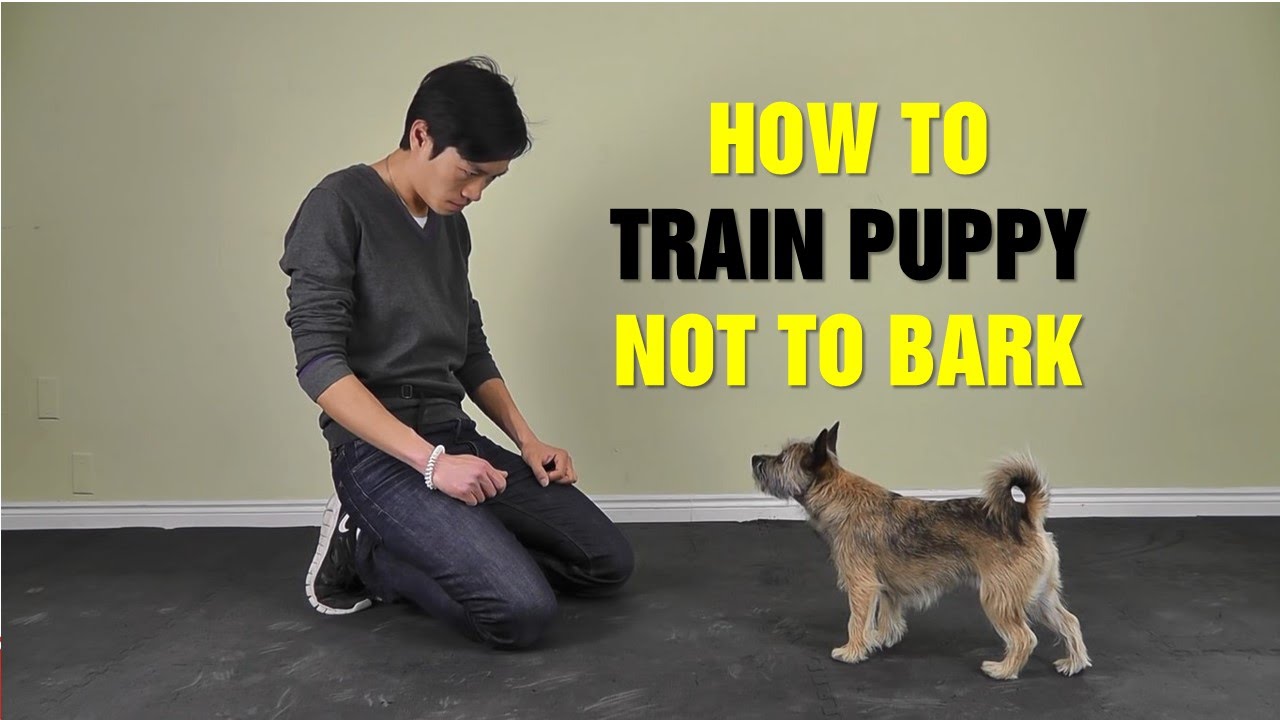
- Cue-based training: Use “speak” then “quiet” to teach control.
- Desensitization: Slowly expose puppy to triggers at low intensity.
- Counter-conditioning: Pair triggers with good things so the pup learns to expect rewards, not fear.
- Management tools: Crate, baby gates, or safe rooms to reduce exposure while training.
- Enrichment: Chew toys, scent work, and short training sessions to lower boredom.
Avoid devices that cause fear or pain. They might stop barking short term but harm trust and create new behavior problems.
Real-life examples and mistakes I’ve seen
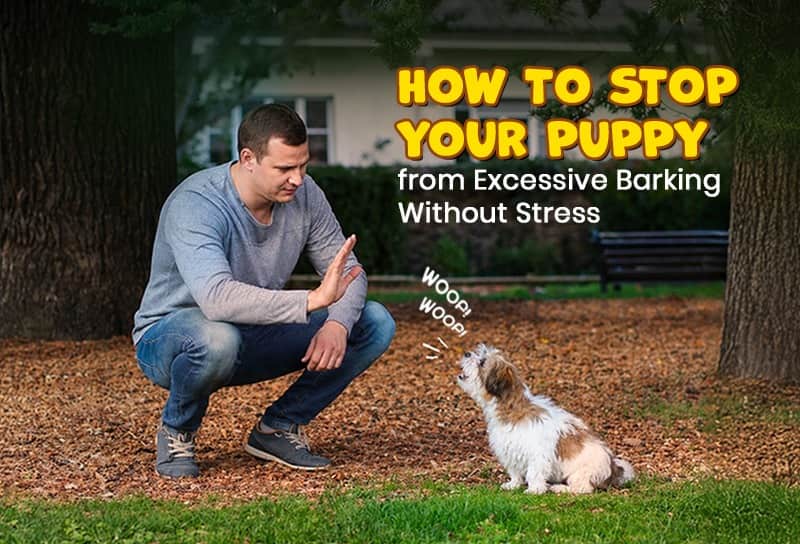
I once worked with a 4-month-old terrier that barked at passersby. The owner rewarded the noise by pushing the pup away. We changed that. We taught “quiet,” added play before walks, and practiced window training. Within three weeks, the terrier barked far less and waited calmly for a cue.
Common mistakes to avoid
- Responding to every bark. That teaches the puppy barking gets attention.
- Inconsistent cues. Different words confuse dogs.
- Skipping exercise. A tired dog is quieter and easier to train.
These real scenes show how simple, steady changes explain how to teach puppy not to bark.

When barking is a medical or behavioral concern
- Persistent, sudden, or excessive barking can signal pain or illness.
- Signs to check: limping, change in appetite, lethargy, or new vocal patterns.
- Severe anxiety or separation issues may need professional help.
If regular training fails after consistent effort, consult a veterinarian or a certified behaviorist. They can rule out health issues and design tailored behavior plans.
Troubleshooting: common problems and fixes
- Puppy barks only when you leave
- Practice short departures and returns.
- Make leaving calm. Give a chew toy and ignore dramatic exits.
- Puppy barks at the doorbell
- Use staged doorbell practice. Reward quiet before opening the door.
- Puppy barks during play
- Teach bite inhibition and recall. Use time-outs when play gets too loud.
- Regression after schedule change
- Rebuild routines and repeat short training bursts. Stay patient.
These fixes help you stay on track for how to teach puppy not to bark in everyday life.
Training timeline and expectations
- Small improvements can happen in days. Major behavior change often takes weeks.
- Age, breed, and past experiences affect pace. Young puppies learn fast but need repetition.
- Consistency matters more than intensity. Short, daily sessions beat rare long ones.
Be realistic. Expect mistakes and backsliding. Keep training predictable and calm.
Personal tips that helped my clients
- Use a clicker or a clear word to mark silent moments. Consistency boosts learning.
- Keep treats small and tasty. Use kibble during the day and save the best treats for training.
- Reward family members for following the plan. Consistent household responses speed results.
- Record short videos to track progress. Seeing small wins motivates continued work.
These tips come from years of hands-on training, trial and error, and steady practice.
Alternatives and advanced help
- Group classes: Great for socialization and real-world practice.
- Certified trainers: Look for force-free credentials for behavior work.
- Behaviorists: Best for severe fear or aggression linked to barking.
- Technology: Use cameras to observe triggers, not as punishment tools.
When in doubt, get professional help. It’s an investment in your puppy’s future.
Frequently Asked Questions of how to teach puppy not to bark
How long does it take to stop a puppy from barking?
Most puppies show clear improvement within 2–4 weeks with daily training. Full behavior change can take months, depending on cause and consistency.
Can I train a puppy not to bark without treats?
Yes. You can use praise, play, and life rewards like walks. Treats speed learning, but consistency and timing matter most.
Is it okay to ignore my puppy when it barks for attention?
Yes, gentle ignoring works well for attention-seeking barking. Wait for a quiet pause and then reward calm behavior immediately.
When should I see a vet about barking?
See a vet if barking starts suddenly, is paired with other symptoms, or if the puppy seems in pain or distressed. Health issues can cause vocal changes.
Are shock collars or citronella devices effective?
They may stop barking short term but can harm trust and increase fear. Force-free methods are safer and more reliable long term.
Conclusion
Teaching a puppy not to bark takes patience, clear steps, and kindness. Start by identifying why your puppy barks, use short, consistent training sessions, and reward quiet behavior. Gradually increase challenge and always pair training with exercise and enrichment.
Take action today: pick one trigger, try the “speak/quiet” drill for a week, and track progress. If you need help, reach out to a certified trainer or your vet. Share your wins or questions below — your progress helps others learn too.

Pet Care Writer & Researcher
Daniel writes practical guides on daily care, feeding, and safety, turning complex topics into simple, actionable advice.