How To Train Dog Not To Bark At Other Dogs: Calm Dog Tips
Practical tips on how to train dog not to bark at other dogs using easy obedience steps, socialization, and distraction techniques for calmer walks.
Train your dog to stop barking at other dogs using short, reward-based steps and calm leadership.
I’ve worked with many reactive dogs and helped owners change noisy walks into calm ones. This guide on how to train dog not to bark at other dogs gives clear steps, simple tools, and real-life tips you can use today. Read on for a structured, friendly plan rooted in experience and practical training science.

how to train dog not to bark at other dogs — understand the behavior
Barking is a normal dog habit. It can mean fear, excitement, frustration, or a want to communicate. When a dog barks at other dogs, the root can be arousal, fear, or learned habit.
I explain how to train dog not to bark at other dogs by first identifying the reason. You will learn simple tests to find the trigger and the right training path. This saves time and keeps your dog calm and safe.

how to train dog not to bark at other dogs — common causes
Dogs bark at other dogs for clear reasons. Knowing the cause helps you pick the best method.
- Fear and anxiety: The dog sees another dog as a threat and barks to push it away.
- Over-excitement: The dog is highly aroused and barks out of eagerness to engage.
- Protective or territorial instincts: The dog guards space or owner.
- Frustration or barrier reactivity: The dog sees another dog and cannot reach it.
- Learned attention-seeking: Barking earned a reaction before, so it repeats.
A good trainer observes the dog’s body language. Look for stiff posture, lunging, lip lift, tucked tail, or a high-pitched bark. These clues point to fear or aggression. Relaxed, bouncing barks usually mean play or excitement.
how to train dog not to bark at other dogs — prepare and set realistic goals
Preparation matters. Small, measurable goals give fast wins. Start with short sessions in low-distraction places.
- Set a clear goal: For example, "My dog stays quiet when another dog is 20 feet away for 30 seconds."
- Gather high-value treats: Use treats your dog loves and only for training.
- Choose equipment: A flat collar or front-clip harness and a six-foot leash work well.
- Find a calm helper dog or a quiet park for practice.
I learned that setting tiny steps speeds progress. Expect small wins each week. This keeps training doable and less stressful for both of you.

how to train dog not to bark at other dogs — step-by-step training plan
This training plan uses desensitization, counter-conditioning, and focus work. Practice 5–10 minutes, 2–4 times daily.
Step 1 — teach a strong attention cue
- Train a cue like "look" or "watch me."
- Hold a treat near your eyes and mark when your dog makes eye contact.
- Reward quickly. Repeat until your dog responds from a few feet away.
Step 2 — set distance and reward
- Start far enough that your dog notices another dog but does not bark.
- Reward calm behavior and attention to you every few seconds.
- Gradually shorten the distance across sessions.
Step 3 — desensitize and counter-condition
- Pair the sight of another dog with tasty treats.
- If the dog barks, increase distance and reward calm.
- Over time, the dog learns that other dogs predict good things.
Step 4 — teach an alternate behavior
- Train a simple behavior like "sit" or "heel" when another dog appears.
- Reward compliance immediately.
- Replace barking with this behavior so the dog has a clear, rewarded choice.
Step 5 — proof and generalize
- Practice in different places, with different dogs, and with varied distances.
- Add distractions slowly. Keep rewards high when you start new challenges.
- Fade treats gradually and reward with praise and toys.
I used this plan with a terrier that barked at every dog. We began at 60 feet and used tiny steps. In six weeks, the dog would look to me instead of barking. Small wins built real change.
how to train dog not to bark at other dogs — troubleshooting and common mistakes
Training stalls when owners rush distance or reward the wrong behavior. Watch for these errors.
- Pushing too close too fast: This raises fear and makes barking worse.
- Rewarding barking with attention: Even scolding can reinforce barking.
- Inconsistent rules: Mixed signals confuse dogs and slow progress.
- Poor timing for treats: Rewards must come the moment the dog is calm.
If progress stops, go back a step. Increase distance and reward calm. Consider a professional trainer if the dog shows aggressive signs. Safety first.

how to train dog not to bark at other dogs — tools and aids
Tools help when used with training. They do not replace good practices.
- Treat pouch: Quick access to rewards speeds learning.
- Front-clip harness: Improves leash control for strong pullers.
- Long line: Safely control distance during practice.
- Calming aids: Pressure wraps or pheromones can help some anxious dogs.
- Professional trainer or behaviorist: For severe reactivity, get expert help.
I used a long line and a front-clip harness for a reactive lab. The harness gave control. The long line let us practice distance safely. Combine tools with the plan above for best results.

Frequently Asked Questions of how to train dog not to bark at other dogs
Why does my dog bark at other dogs when on leash?
Leash tension increases arousal and fear. Teaching calm loose-leash walking and practicing distance-based rewards reduces barking quickly.
How long will it take to stop my dog from barking at other dogs?
Many dogs improve in 4–8 weeks with short daily practice. More severe cases can take months and need steady, consistent work.
Can punishment stop my dog from barking at other dogs?
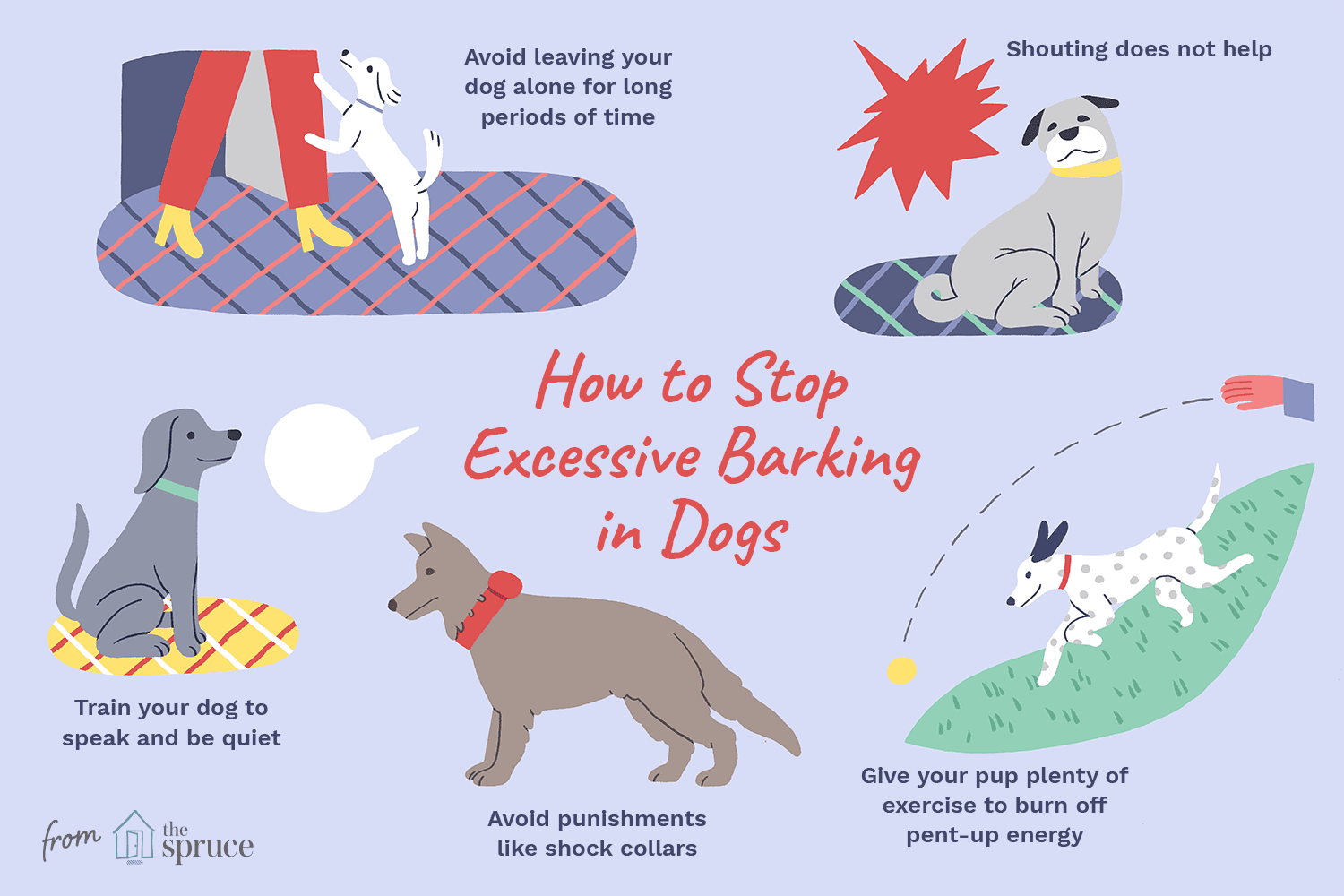
Punishment often increases fear or causes hiding behaviors. Reward-based training is safer and more effective long term.
Should I use a muzzle or shock collar for reactive barking?
Muzzles can keep everyone safe but do not fix cause. Shock collars can worsen fear and are not recommended as a first-line approach.
When should I hire a professional trainer?
Hire a professional if the dog shows aggressive lunging, bites, or if progress stalls despite consistent training. A behaviorist can design a tailored plan.
Can socialization alone stop barking at other dogs?
Socialization helps but must be gradual. Forced interactions can escalate fear. Controlled, reward-based exposure is safer and more effective.
Conclusion
You can change your dog’s habit of barking at other dogs with clear steps, patience, and consistent rewards. Start small, set goals, and build calm focus using the plan above. Take action today: pick one step, practice for five minutes, and track your dog’s wins. Share your progress or ask questions in the comments to keep learning and stay motivated.

Pet Care Writer & Researcher
Daniel writes practical guides on daily care, feeding, and safety, turning complex topics into simple, actionable advice.