How To Handle A Barking Dog: Calm Solutions
Learn how to handle a barking dog with proven training tips, calming techniques, and practical ways to reduce excessive barking.
Identify the cause, reduce triggers, and reward quiet behavior to handle a barking dog safely and effectively.
Barking is normal dog communication, but nonstop barking often signals fear, boredom, stress, excitement, or a learned habit. Learning how to handle a barking dog means more than saying “quiet.” You need to understand the message, change the setting, and teach a calm response. This guide explains practical steps that work at home, on walks, and around neighbors.

Why Dogs Bark
Dogs bark for many reasons. Some bark to alert you, while others bark because they feel afraid, lonely, excited, or frustrated. The same sound can have different meanings, so watch your dog’s body language and the situation around the barking.
Common reasons include:
• Alert barking when a person, car, animal, or sound appears
• Fear barking caused by strangers, loud noises, or new places
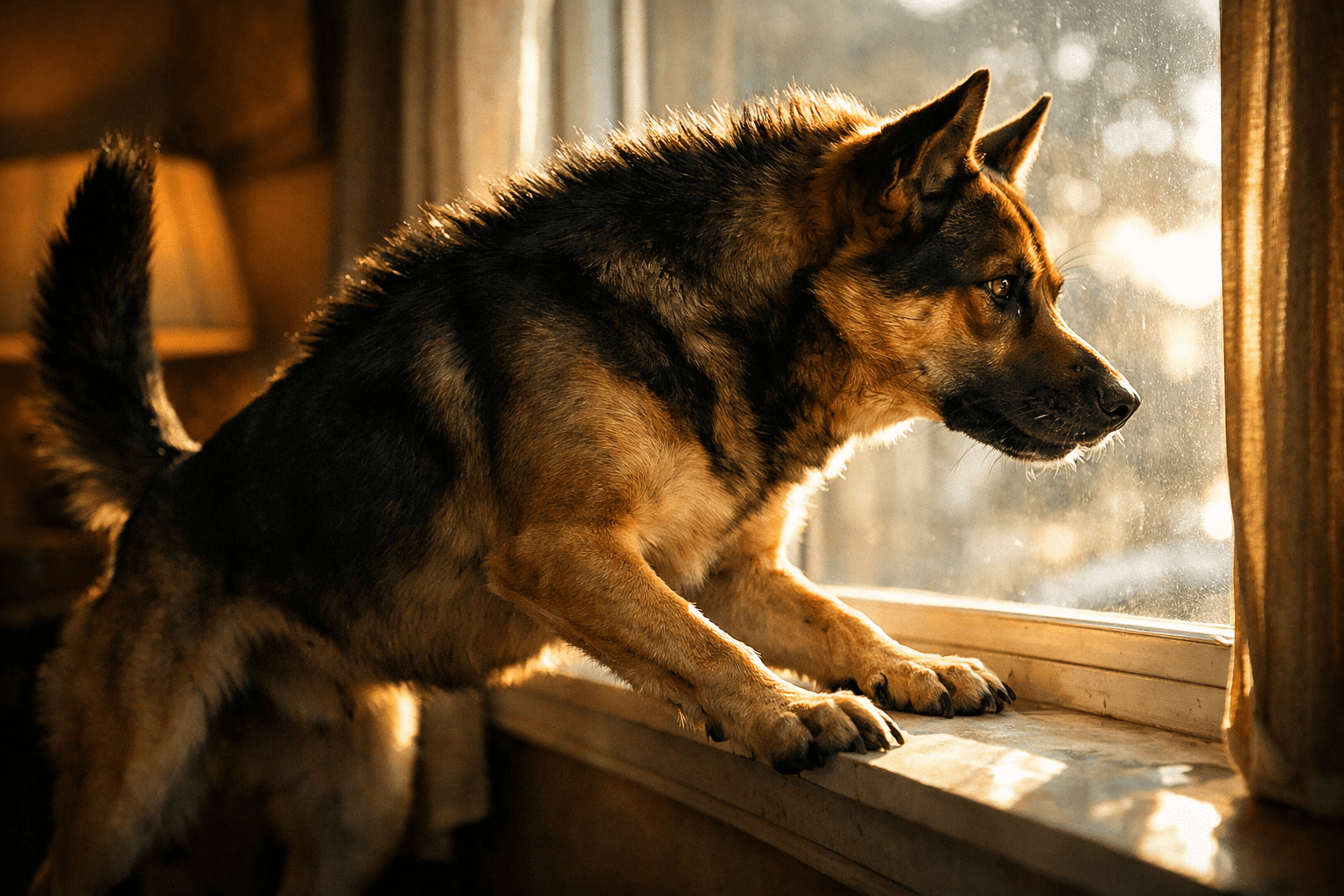
• Territorial barking near windows, doors, yards, or fences
• Demand barking for food, play, attention, or access
• Boredom barking from too little exercise or mental activity
• Separation-related barking when the dog is left alone
• Excitement barking during play, greetings, or walks
• Frustration barking when the dog cannot reach something
A dog may also bark because of pain, hearing loss, confusion, or illness. Sudden changes in barking deserve attention, especially in older dogs.
To handle a barking dog well, first ask, “What happened just before the barking started?” That question often reveals the trigger. A delivery truck, a window view, a lonely afternoon, or a loose dog across the street may be the real cause.

How to Read Your Dog’s Barking
The bark itself gives useful clues, but body language gives you a fuller picture. A stiff body, raised hackles, hard stare, and forward weight may point to alarm or threat. A tucked tail, lowered body, lip licking, or repeated backing away can signal fear.
A loose body and wagging tail may show excitement. Still, a wag does not always mean happiness. Dogs wag their tails when they feel aroused or unsure, too.
Keep a simple barking log for several days. Record:
• The time and place
• What happened before the bark
• Who or what your dog saw
• The dog’s body posture
• How long the barking lasted
• What ended the barking
This record helps you find patterns. For example, you may learn that your dog barks at people outside only during the evening. You can then close the curtains before the busy time and begin quiet training before the barking starts.
Learning how to handle a barking dog becomes much easier when you treat barking as information, not disobedience. Your dog is not trying to make your day difficult. The behavior meets a need, expresses emotion, or has become a habit.

How to Handle a Barking Dog at Home
Start by managing the environment. Every time a dog barks at a window and the person walks away, the dog may believe the barking worked. Preventing repeated practice is one of the fastest ways to reduce the habit.
Try these changes:
• Close blinds or use removable window film
• Move furniture away from windows
• Use a white noise machine or soft music
• Keep your dog away from the front door during busy times
• Add a baby gate between your dog and high traffic areas
• Offer a food puzzle before predictable triggers arrive
• Bring outdoor dogs inside when neighborhood activity rises
Do not yell over the barking. Your dog may think you are joining the noise. Loud punishment can also increase fear and make defensive barking worse.
Instead, wait for a brief pause. Say a calm word such as “quiet,” then offer a small treat. At first, reward even one or two seconds of silence. Slowly increase the quiet time before giving the reward.
A useful training pattern is:
-
Let your dog notice a mild trigger.
-
Wait for a short pause in barking.
-
Say “quiet” in a calm voice.
-
Place a treat near the dog’s nose.
-
Give the treat when the dog stays silent.
-
Repeat in short sessions.
If your dog is already barking at full intensity, learning may be hard. Move farther from the trigger or reduce the noise. Training works best when your dog can still think, eat, and respond to you.
Teach a Reliable “Quiet” Cue
The “quiet” cue should not mean “stop or else.” It should mean that silence brings good things. This approach is supported by reward-based training methods used by veterinary behavior professionals and reputable dog training groups.
Begin in a calm room. Make a soft sound that gets your dog’s attention without causing strong barking. When the dog pauses, say “quiet,” wait one second, and give a treat.
Practice five to ten times. Keep each session short. End while your dog is still successful.
Next, practice with mild real-life triggers. You might stand near a window, knock softly, or ask a friend to walk past at a distance. Reward calm behavior before the barking becomes intense.
Avoid repeating the cue many times. Saying “quiet, quiet, quiet” teaches your dog that the first cue has no meaning. Give one cue, then help your dog succeed by lowering the trigger or guiding the dog away.
You can also teach an alternative behavior, such as:
• Looking at you
• Going to a mat
• Sitting near the door
• Touching your hand
• Picking up a toy
A replacement behavior gives your dog a job. It is much easier to handle a barking dog when you show the dog what to do instead.

Use Exercise and Mental Enrichment
Exercise can help, but it is not a cure for every barking problem. A tired dog may bark less from boredom, yet a fearful dog still needs careful behavior work. Too much intense exercise can even make some dogs more excited.
Offer a balanced daily routine:
• A sniffing walk at your dog’s pace
• Short training games
• Food puzzles
• Safe chewing time
• Gentle play
• Rest in a quiet space
Sniffing is especially useful. It allows dogs to gather information and use their brains. A slow walk with time to sniff may calm a dog more than a fast walk with no breaks.
Mental work can be simple. Hide a few treats around one room and let your dog search. Place kibble in a puzzle feeder. Practice “sit,” “touch,” or “find it” for three minutes at a time.
One common mistake is trying to solve barking with nonstop activity. Dogs also need sleep. Puppies, in particular, may bark when overtired. A quiet nap area can make a major difference.
How to Handle a Barking Dog at the Window or Door
Window and door barking can become a strong routine. The sound of a person outside triggers the dog, and the dog rushes to the glass or door. The person then leaves, which makes the barking feel successful.
Management must come first. Block the view, use a gate, or keep your dog in another room during deliveries. Ask visitors to text before they knock if that helps you prepare.
Teach your dog to go to a mat when the doorbell rings. Practice without visitors:
-
Toss a treat onto the mat.
-
Reward your dog for standing on it.
-
Reward sitting or lying down.
-
Add a gentle knock.
-
Return to easy practice if barking starts.
-
Slowly increase the sound and distance.
When a real visitor arrives, place your dog behind a gate or on a leash. Ask the visitor to ignore the dog. Reward calm behavior, but do not force greetings.
Some dogs need a safe room during visits. That is not failure. It is a smart way to protect your dog and your guests while training continues.
How to Handle a Barking Dog on Walks
Leash barking often comes from fear, excitement, frustration, or a desire to greet. Do not wait until your dog is lunging and barking. Create distance as soon as you see a trigger.
You can:
• Cross the street
• Turn down a side path
• Step behind a parked car
• Use a visual barrier
• Ask your dog to look at you
• Scatter treats on the ground
The “find it” game works well for many dogs. Say “find it,” then toss several small treats onto the ground. Sniffing can interrupt staring and give your dog a calmer task.
Reward your dog for noticing another dog without barking. Start far away. The correct distance is one where your dog can still take treats and respond to you.
Never force a dog to approach a person or another dog. Forced contact may increase fear. A quiet walk does not require friendly greetings with everyone.
Use a secure harness or collar and a standard leash. Avoid equipment that causes pain or restricts breathing. A qualified trainer can help you choose safe gear for your dog’s size and behavior.
How to Handle a Barking Dog When Left Alone
Barking that happens only when you leave may relate to separation anxiety. Other signs can include pacing, drooling, scratching doors, destroying items, house soiling, or frantic greetings.
A camera can help you learn what happens after departure. Some dogs bark for a few minutes and settle. Others become distressed and stay upset for a long time. These cases need different plans.
Start with very short absences. Leave for a few seconds, return calmly, and repeat only when your dog remains relaxed. Increase time in small steps. If barking or panic starts, the step was too large.
Helpful changes may include:
• Exercise and bathroom time before departure
• A safe food toy
• Background sound
• Closed curtains
• A calm departure routine
• Gradual alone-time practice
Do not use “cry it out” methods for a dog in severe distress. Repeated panic can make the problem harder. A veterinarian or certified behavior professional can create a gradual plan and discuss treatment when needed.
Mistakes to Avoid When Stopping Barking
Many well-meaning owners make barking worse without realizing it. The most common mistake is rewarding the bark by giving attention, opening a door, offering food, or throwing a toy.
Other mistakes include:
• Yelling at the dog
• Using shock or punishment collars without expert guidance
• Punishing fear-based barking
• Waiting too long to intervene
• Expecting silence after one training session
• Allowing different family rules
• Giving a dog too much freedom around triggers
Consistency matters. If one person rewards barking and another person punishes it, the dog receives confusing information.
Avoid bark collars as a first choice. Some may stop the sound without changing fear, stress, or frustration. They can also create new problems. Reward-based training and careful trigger management are safer starting points.
Progress is rarely perfectly steady. Your dog may improve for a week and then bark more after a stressful event. Treat this as feedback, not failure. Make the next training step easier and rebuild success.
When to Contact a Veterinarian or Behavior Professional
Contact a veterinarian if barking starts suddenly, changes sharply, or occurs with signs of illness. Pain, vision changes, hearing loss, brain disease, and age-related confusion can affect behavior.
Get professional help if your dog:
• Shows aggression or tries to bite
• Panics when alone
• Cannot eat near the trigger
• Injures the mouth or paws trying to escape
• Barks for many hours
• Guards windows, doors, food, or people
• Does not improve after consistent training
A veterinarian can check for medical causes. A qualified behavior professional can assess the environment and create a safe plan. Look for reward-based methods and clear credentials, such as certification through a recognized professional organization.
Be cautious of anyone who promises a guaranteed cure or says your dog needs to be “dominated.” Behavior is shaped by genetics, learning, health, and environment. There is no single method that fits every dog.
A Simple Seven-Day Barking Plan
A short plan can help you begin without feeling overwhelmed.
Day 1: Find the pattern
Track each barking event. Note the trigger, time, location, and your dog’s body language.
Day 2: Reduce exposure
Block window views, add distance on walks, and prepare for known triggers.
Day 3: Choose one calm cue
Use one word, such as “quiet” or “settle.” Reward short pauses.
Day 4: Teach a replacement
Practice going to a mat, looking at you, or finding treats on the floor.
Day 5: Add mild triggers
Practice at a low level. Stop before your dog becomes overwhelmed.
Day 6: Improve enrichment
Add sniff walks, food puzzles, training games, and enough rest.
Day 7: Review progress
Look for fewer barking events, shorter episodes, or faster recovery. These are real signs of progress.
This plan will not solve every case in one week. It gives you a clear start and helps you learn what your dog needs.
Frequently Asked Questions About How to Handle a Barking Dog
How do I stop my dog from barking at everything?
First, identify the trigger and reduce your dog’s access to it. Then reward brief silence and teach an alternative behavior, such as looking at you or going to a mat.
Should I yell at my dog to stop barking?
No. Yelling can sound like barking and may increase excitement or fear. Use a calm cue, create distance from the trigger, and reward quiet behavior.
Does ignoring a barking dog work?
Ignoring may help with attention-seeking barking if you also reward calm behavior. It will not solve fear, pain, territorial behavior, or separation anxiety on its own.
How long does it take to stop a dog from barking?
Some dogs improve within days, while long-term habits may take weeks or months. Progress depends on the cause, the dog’s health, training consistency, and how often the dog practices barking.
Are bark collars safe and effective?
Bark collars may suppress noise, but they do not always solve the reason for barking. They can increase fear or stress, so reward-based training and professional guidance are better first steps.
Why does my dog bark when left alone?
The barking may come from boredom, alert sounds, or separation anxiety. Use a camera to observe the pattern, start with short absences, and contact a veterinarian if your dog shows panic.
Should I use treats every time my dog is quiet?
Treats are helpful during early training. Over time, you can vary the rewards with praise, play, access to a safe activity, or permission to sniff.
Conclusion
The best way to handle a barking dog is to find the cause, prevent repeated trigger exposure, and reward calm choices. Avoid shouting and harsh tools. Use short training sessions, steady routines, enrichment, and safe distance.
Start with one trigger today. Record what happens, reward one moment of quiet, and build from there. If the barking involves fear, panic, pain, or aggression, ask a veterinarian or qualified behavior professional for help. Share your progress with a trusted trainer or explore more reward-based dog training resources for the next step.

Pet Care Writer & Researcher
Daniel writes practical guides on daily care, feeding, and safety, turning complex topics into simple, actionable advice.