Do Italian Greyhounds Bark A Lot: Barking Facts
Do Italian Greyhounds Bark A Lot? Learn why they vocalize, what noise to expect, and simple tips to manage barking at home.
Italian Greyhounds usually bark a moderate amount, but they may become loud when bored, anxious, or excited.
Do Italian Greyhounds bark a lot? The honest answer depends on the dog, its routine, and its home life. This sensitive toy breed is often quiet indoors, yet it can use sharp, repeated barks to express fear, loneliness, excitement, or a need for attention. Understanding the cause is the key to living peacefully with an Italian Greyhound.
Do Italian Greyhounds bark a lot?
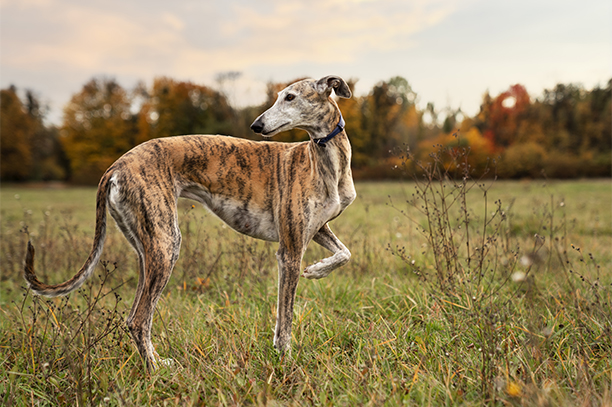
Italian Greyhounds do not usually rank among the loudest dog breeds. Many are calm and quiet when they feel safe, relaxed, and well exercised. Still, they can bark more than expected because they are alert, sensitive, and closely bonded to their owners.
Their small size can also fool people. A tiny dog can produce a surprisingly sharp bark. In an apartment, that sound may seem louder because it echoes through walls and hallways.


Do Italian Greyhounds bark a lot compared with other small breeds? Usually, they bark less than breeds known for constant alarm barking, such as some terriers. However, they may bark more when left alone, startled, cold, or unsure of what is happening.
A useful way to think about this breed is to picture a sensitive alarm system. It reacts quickly, but the alarm does not always mean danger. Sometimes it means, “I heard something,” “I want you near me,” or “I do not like this.”
Why do Italian Greyhounds bark?
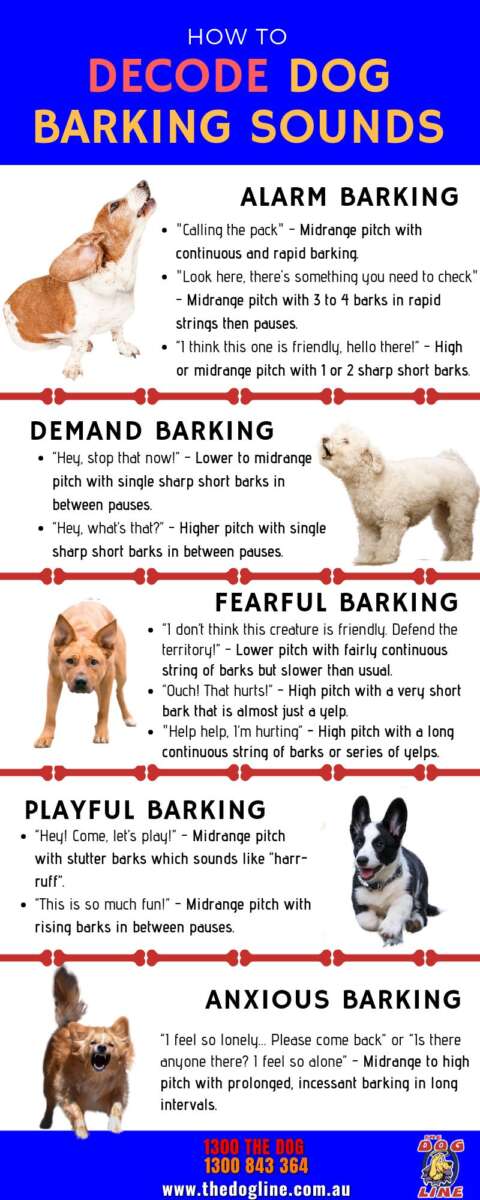
Barking is a form of communication. Before trying to stop it, identify what your dog is trying to say. The same bark may have different meanings in different settings.
Common causes include:
• Attention seeking: Your dog may bark because it wants food, play, cuddles, or access to you.
• Alarm barking: A sound outside, a visitor, or movement near a window can trigger a warning bark.
• Fear: Italian Greyhounds are often sensitive to loud sounds, new people, rough handling, and unfamiliar places.
• Separation distress: Barking may begin when you leave or when your dog expects to be alone.
• Excitement: Some dogs bark during play, before meals, or when they see a favorite person.
• Frustration: A dog may bark when it cannot reach another dog, get through a gate, or chase something interesting.


• Boredom: A dog without enough mental or physical activity may invent its own entertainment.
• Physical discomfort: Pain, illness, cold, or the need to go outside can also lead to unusual vocal behavior.
Do Italian Greyhounds bark a lot when they feel stressed? They can. Stress often lowers the threshold for barking, so a dog that is normally quiet may become vocal after a move, schedule change, illness, or frightening event.
Watch the whole body, not just the mouth. A loose body and wagging tail may suggest excitement. A tucked tail, lowered body, lip licking, trembling, or avoidance may point to fear.

Italian Greyhound temperament and vocal behavior
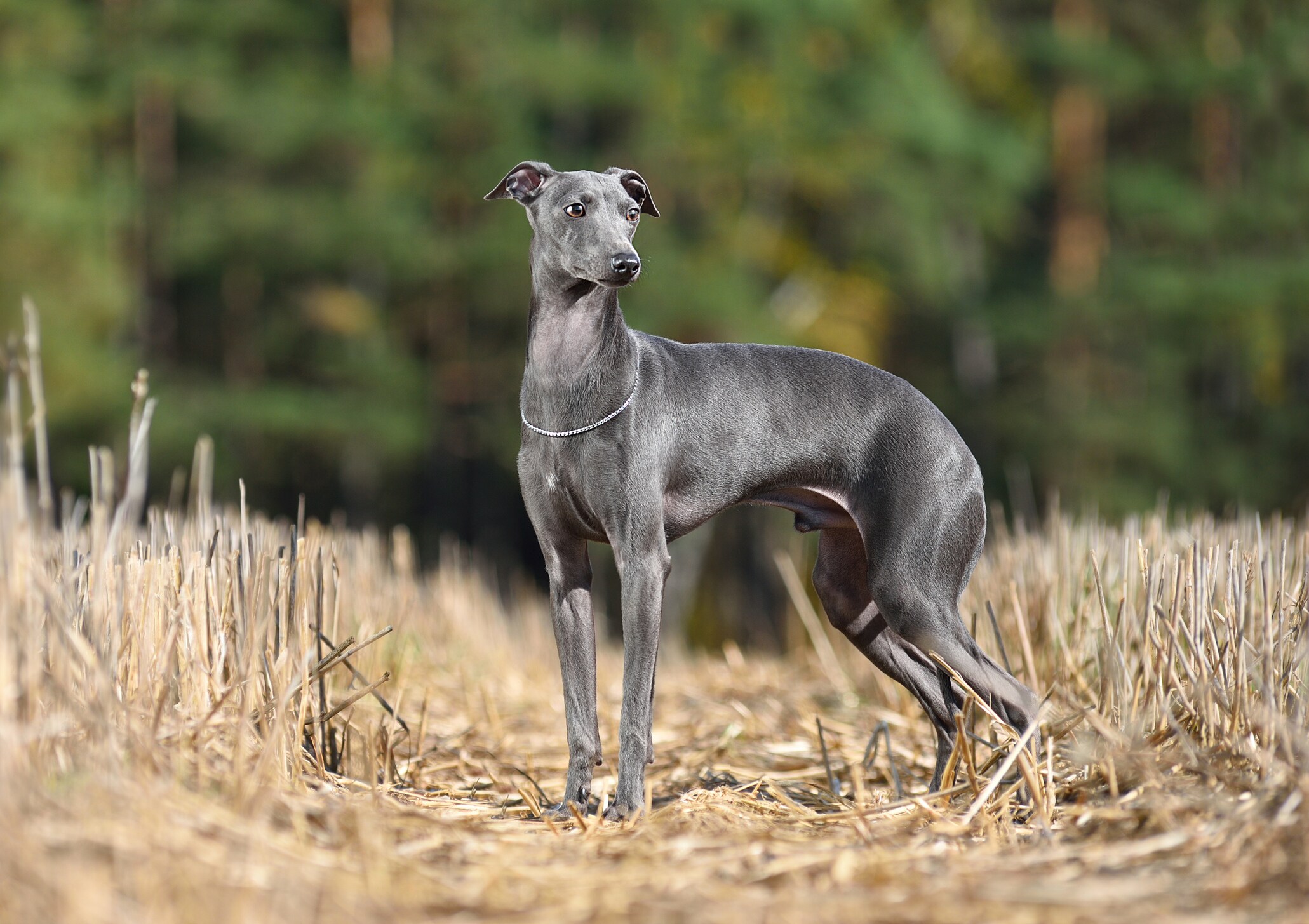
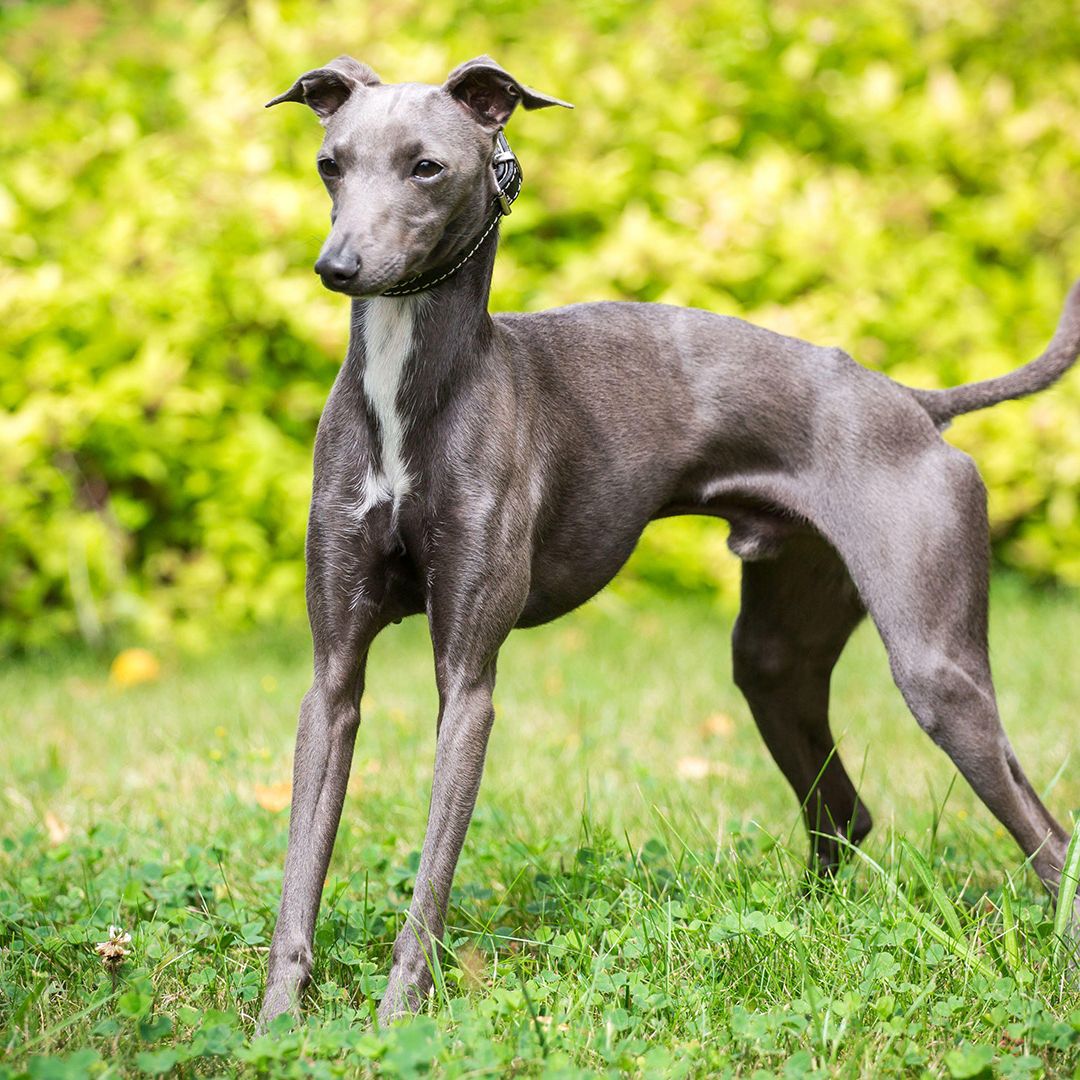
The Italian Greyhound is a small sighthound with a gentle, affectionate nature. The American Kennel Club describes the breed as playful, alert, and sensitive. These traits help explain both its quiet moments and its sudden bursts of barking.
Italian Greyhounds often form strong bonds with their families. That closeness is rewarding, but it can also make changes feel difficult. A dog that follows you from room to room may struggle when you leave for work.
This breed also has a thin coat and very little body fat. Cold weather can make an Italian Greyhound tense or uncomfortable. Some dogs bark, whine, or pace when they feel cold, especially during outdoor walks or house training trips.
Early socialization matters. Puppies who meet people, hear normal household sounds, and visit safe places may become more confident adults. Socialization does not mean forcing a puppy into busy settings. It means offering calm, positive experiences at a pace the puppy can manage.
Do Italian Greyhounds bark a lot because they are stubborn? Usually, no. What looks like stubbornness may be fear, confusion, lack of training, or a strong emotional response. Gentle teaching works better than punishment for this sensitive breed.

When barking is normal and when it is a problem
Some barking is normal. Dogs naturally alert their families, greet people, and react to exciting events. The goal is not to create a silent dog. The goal is to reduce unnecessary barking and teach a calm response.
Normal barking may include:
• A few barks when someone knocks
• Brief barking during active play


• A short alert when the dog hears an unusual sound
• Excited barking before a walk or meal
Barking may need attention when it is:
• Frequent or difficult to interrupt
• Triggered by small sounds throughout the day
• Combined with shaking, hiding, or panic
• Happening for long periods after you leave
• Causing conflict with neighbors
• A sudden change from your dog’s normal behavior
A sudden increase in barking deserves special care. Dental pain, joint pain, hearing changes, stomach trouble, or other health problems can alter behavior. A veterinarian can help rule out medical causes before you treat the issue as a training problem.
Do Italian Greyhounds bark a lot at night? Some do, especially if they hear outdoor sounds, feel alone, or need to go outside. A warm bed, a steady bedtime routine, and a veterinary check can help identify the reason.

How to stop excessive Italian Greyhound barking
The best plan combines management, training, enrichment, and emotional support. Trying to correct barking after your dog has reached full panic is much harder than preventing the trigger.
1. Find the trigger
Keep a simple barking log for several days. Write down:
• What happened before the bark


• Where your dog was
• How long the barking lasted
• What stopped it
• Whether your dog looked afraid, excited, or frustrated
Patterns often appear quickly. You may discover that barking occurs only at the front window, during delivery times, or within minutes of being left alone.
2. Reduce the trigger
Management is not a shortcut. It is a smart way to prevent repeated practice of the behavior.
Try these steps:
• Close curtains during busy street hours.
• Move furniture away from windows.
• Use soft background noise to cover outdoor sounds.
• Give your dog a quiet resting area.
• Ask visitors to ignore the dog at first.
• Avoid leaving the dog in a cold or exposed place.
• Use a secure, comfortable crate only if your dog already likes it.
3. Teach a calm response
When your dog notices a trigger but has not started barking, say a calm cue such as “quiet” or “thank you.” Then offer a small treat when the dog looks at you or stays silent.
Keep the reward timely. Your dog should learn that calm behavior makes good things happen. Do not shout “quiet,” because your dog may hear it as you joining the barking.
A useful training sequence is:
-
Present a mild version of the trigger.
-
Wait for your dog to notice it.
-
Say your calm cue.
-
Reward eye contact or silence.
-
Repeat in short sessions.
-
Slowly increase the difficulty.
If your dog explodes into barking, the trigger is too strong. Increase distance, lower the sound, or end the session and try again later.
4. Reward quiet behavior
Many owners notice barking but overlook silence. Make calm behavior valuable throughout the day.
Quietly place a treat beside your dog when it rests on a bed, watches the window without barking, or settles after play. Over time, your dog learns that relaxation earns rewards too.
5. Avoid punishment
Shock collars, yelling, and harsh corrections may stop a bark for a moment. They can also increase fear and damage trust. This risk is especially important with Italian Greyhounds because many are emotionally delicate.
Reward-based methods are recommended by modern veterinary behavior professionals. They teach the dog what to do instead of simply adding fear to an already stressful situation.
Exercise and enrichment for a quieter dog
Exercise can reduce barking, but Italian Greyhounds do not need extreme workouts. Short walks, safe play, and brain games are often enough. Because the breed is fast and fragile, use secure equipment and avoid rough play with large dogs.
A balanced daily routine may include:
• Two or three short walks
• Gentle indoor play
• Sniffing games
• Food puzzles
• Basic obedience practice
• Safe time resting near the family
Mental work can tire a dog without placing stress on delicate legs. Hide small treats around one room, use a snuffle mat, or practice simple cues such as sit, touch, wait, and settle.
Do Italian Greyhounds bark a lot when bored? They may. Boredom does not always look like wild activity. It can appear as window watching, pacing, whining, destructive chewing, or repeated attention barking.
Avoid over-exercising a young puppy. Italian Greyhound puppies have fragile bones, and the breed can be prone to leg injuries. Ask your veterinarian about safe activity levels, especially during growth.

Separation barking in Italian Greyhounds
Separation-related barking is one of the most difficult problems for this breed. An Italian Greyhound may become distressed when its favorite person leaves, even if the dog has another person or pet nearby.
Signs can include:
• Barking soon after departure
• Scratching at doors
• Pacing
• Drooling
• Destructive behavior
• Indoor accidents
• Refusal to eat when alone
Do not assume the dog is being spiteful. Separation distress is an emotional problem, not revenge. A camera can help you see what happens after you leave, but it should not be used to frighten or punish the dog.
Begin with very short absences. Step away for a few seconds, return before your dog panics, and slowly build time. Practice calm departures and arrivals. Keep keys, shoes, and bags from becoming dramatic signals that predict a long absence.
Some dogs need help from a certified behavior professional or veterinarian. Severe cases may benefit from a structured behavior plan and, when appropriate, medication. Early help is kinder and often more effective than waiting for the problem to grow.

Tips for living with a vocal Italian Greyhound
Do Italian Greyhounds bark a lot in apartments? They can, but apartment living is still possible with good planning. The main goal is to reduce hallway triggers and teach your dog that normal sounds are not emergencies.
Helpful habits include:
• Use rugs and soft furnishings to reduce echo.
• Keep your dog away from the front door during busy times.
• Play low background sound when neighbors are active.
• Give a food toy before predictable triggers.
• Practice calm greetings with trusted visitors.
• Take your dog outside before long quiet periods.
• Tell neighbors that you are working on a training plan.
• Keep training sessions short and positive.
One mistake I often see owners make is rewarding barking by immediately offering attention. If the dog barks for a lap and gets picked up every time, barking becomes a reliable button. Wait for a brief pause, then provide attention for calm behavior.
Another common mistake is expecting instant silence. Behavior changes like building a new path in the brain. Repetition matters more than one perfect training session.
When to seek professional help
Contact your veterinarian if barking begins suddenly, sounds painful, or appears with changes in appetite, sleep, movement, or bathroom habits. Medical problems should always be considered when behavior changes without a clear reason.
A qualified dog behavior professional can help when:
• Barking is linked to panic or aggression.
• Your dog cannot settle after a trigger.
• Training has not helped after consistent practice.
• Your dog injures itself trying to escape.
• You are worried about using the wrong method.
Look for a professional who uses reward-based training and can explain the plan clearly. Avoid anyone who promises a guaranteed cure or relies mainly on fear, pain, or intimidation.
Breed information can guide you, but it cannot predict every dog. Genetics, early life, health, home environment, and training all shape vocal behavior. That is why the most accurate answer to “do Italian Greyhounds bark a lot” must leave room for individual differences.
Frequently Asked Questions
Do Italian Greyhounds bark a lot compared with other dogs?
Italian Greyhounds usually bark a moderate amount rather than constantly. They may become very vocal when they are anxious, lonely, cold, bored, or alert to sounds.
Are Italian Greyhounds good apartment dogs?
They can be good apartment dogs because they are small and often enjoy relaxing indoors. Owners should still manage hallway sounds, provide daily enrichment, and train calm behavior.
Do Italian Greyhounds bark when left alone?
Some Italian Greyhounds bark when left alone because they are strongly attached to their families. Gradual alone-time training can help, while severe separation distress may require professional support.
How can I teach an Italian Greyhound to be quiet?
Reward your dog for noticing a trigger without barking, then teach a calm cue such as “quiet.” Avoid yelling or punishment, since these methods can increase fear and make barking worse.
Do Italian Greyhounds bark at strangers?
Some do, especially when a stranger approaches the home or enters suddenly. Calm socialization, distance, treats, and controlled greetings can help the dog feel safer.
Can health problems cause an Italian Greyhound to bark more?
Yes. Pain, illness, hearing changes, discomfort, and anxiety can lead to new or increased barking. A veterinarian should assess any sudden behavior change.
Do Italian Greyhounds bark at night?
They may bark at night because of outdoor sounds, loneliness, discomfort, or the need to go outside. A consistent bedtime routine and a comfortable, warm sleeping area may reduce nighttime noise.
Conclusion
Do Italian Greyhounds bark a lot? Most are not nonstop barkers, but their sensitive nature can lead to frequent barking when they feel afraid, bored, excited, cold, or alone. The cause matters more than the volume.
Start by tracking triggers, reducing stress, rewarding quiet behavior, and building a steady daily routine. With patience and kind training, many Italian Greyhounds become calmer and more confident. If barking is sudden, severe, or linked to panic, involve your veterinarian or a reward-based behavior professional.

Pet Care Writer & Researcher
Daniel writes practical guides on daily care, feeding, and safety, turning complex topics into simple, actionable advice.