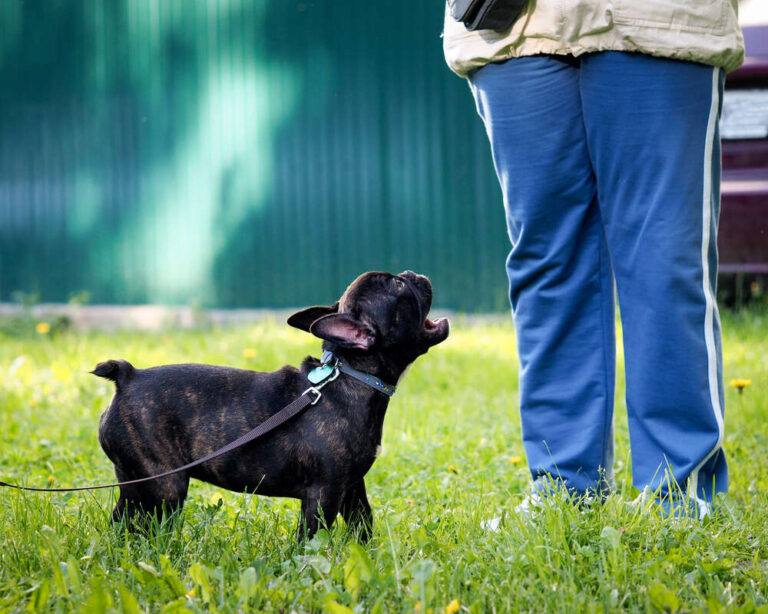
Why Does My Dog Keep Barking At Nothing: Causes
Why does my dog keep barking at nothing? Learn common causes and practical ways to calm your dog and reduce unexplained barking.
Dogs may bark at “nothing” because they sense sounds, smells, movement, pain, fear, or stress that you cannot detect.
If you keep asking, “why does my dog keep barking at nothing,” you are not alone. Dogs experience the world through far sharper senses than ours, but sudden or repeated barking can also point to anxiety, discomfort, aging, or a learned habit. This guide explains the most likely causes, how to read your dog’s body language, and what to do next.

What “barking at nothing” really means
Your dog is rarely barking at nothing. More often, your dog notices something that is too quiet, distant, small, or brief for you to detect. A dog may hear a car door several houses away, smell an animal outside, or see a tiny movement behind a curtain.


Dogs also bark to express feelings. Fear, excitement, frustration, boredom, pain, and confusion can all trigger barking. The bark is your dog’s alarm bell, not a complete explanation.
When people ask why does my dog keep barking at nothing, they often mean that no clear trigger is visible. The trigger may still be real. It may also be inside your dog, such as stress or physical discomfort.

Why does my dog keep barking at nothing?
Your dog hears sounds you cannot hear
Dogs can hear higher-pitched sounds and detect faint noises from farther away than humans. A dog may react to:
• A neighbor’s appliance
• Small animals in a wall or attic
• A distant siren
• Plumbing, heating, or air-conditioning sounds
• Electronic tones from smoke alarms or devices
• Footsteps outside the home
A quiet house may also make small sounds seem more important. At night, your dog has fewer sights and sounds to process, so a soft noise may become the focus of attention.
Your dog smells something nearby
A dog’s sense of smell is far more sensitive than a human’s. Your dog may detect another dog, wildlife, food, or a person who recently passed by the yard.
This can explain why does my dog keep barking at nothing near a window or door. The dog may smell a visitor before you see one. Barking may be a warning, a territorial response, or an attempt to make the scent go away.
Your dog sees movement in low light
Dogs may notice shadows, reflections, insects, tree branches, or motion outside the window. Some dogs react to reflections from televisions, phones, mirrors, or glass doors.
Vision can also change with age. A senior dog with reduced eyesight may bark at familiar objects because they look unclear. Sudden shadows can feel like a surprise, especially in dim rooms.
Your dog feels anxious or fearful
Anxiety is one of the most common reasons for repeated barking. A dog may bark at an empty hallway because the space feels unsafe. Past trauma, loud storms, fireworks, separation, or a change in the home can raise stress.


Look for other signs of fear:
• Pacing or restlessness
• Panting when the room is cool
• Trembling or hiding
• Lip licking or yawning
• Dilated pupils
• A tucked tail
• Clinging to you
• Trying to escape
Fear-based barking is not stubbornness. Your dog is trying to create distance from something that feels threatening.
Your dog has learned that barking works
Barking can become a habit when it produces a reward. If barking makes you open the door, give attention, offer food, or check the window, your dog may repeat it.
Even shouting can reward barking because your dog receives attention. From your dog’s point of view, you joined the conversation.
This learned pattern is a key part of why does my dog keep barking at nothing. The original trigger may be gone, but the habit remains.
Your dog is bored or under-stimulated
A dog without enough exercise or mental activity may bark to release energy. This often happens in dogs that spend long hours alone or have few chances to sniff and explore.
Boredom barking may occur at random times. Your dog may stare at a wall, walk around the room, and bark without showing clear fear. Still, boredom should not be assumed until health and anxiety concerns have been considered.
Your dog wants something
Dogs may bark because they want to go outside, play, eat, greet someone, or reach a toy. Some dogs bark when a person is near a closed door or when another pet has something they want.
Pay attention to what happens after the barking. If your dog leads you to the water bowl, door, toy, or food area, the message may be practical rather than mysterious.
Your dog is in pain or feels unwell
Pain can cause unusual vocal behavior. A dog with dental pain, arthritis, stomach trouble, ear disease, or another medical issue may bark more than usual.
A sudden change matters most. If a normally quiet dog begins barking at empty spaces, seems restless, sleeps poorly, or reacts when touched, arrange a veterinary check. Dogs often hide pain, so behavior may be the first clue.
Your senior dog may have cognitive changes
Older dogs can develop canine cognitive dysfunction. This condition may affect memory, sleep, awareness, and behavior. A senior dog may bark at night, get stuck in corners, stare at walls, or seem confused in familiar rooms.
The signs can resemble normal aging, anxiety, or vision loss. A veterinarian can check for medical causes and suggest ways to support your dog’s comfort.
Your dog may have a neurological problem
Rarely, repeated barking, staring, snapping at the air, or seeming unaware may relate to a neurological condition. Focal seizures can sometimes cause odd behavior without a full-body convulsion.


Seek urgent veterinary advice if barking occurs with collapse, loss of balance, repeated staring, uncontrolled movements, weakness, severe confusion, or a sudden personality change.
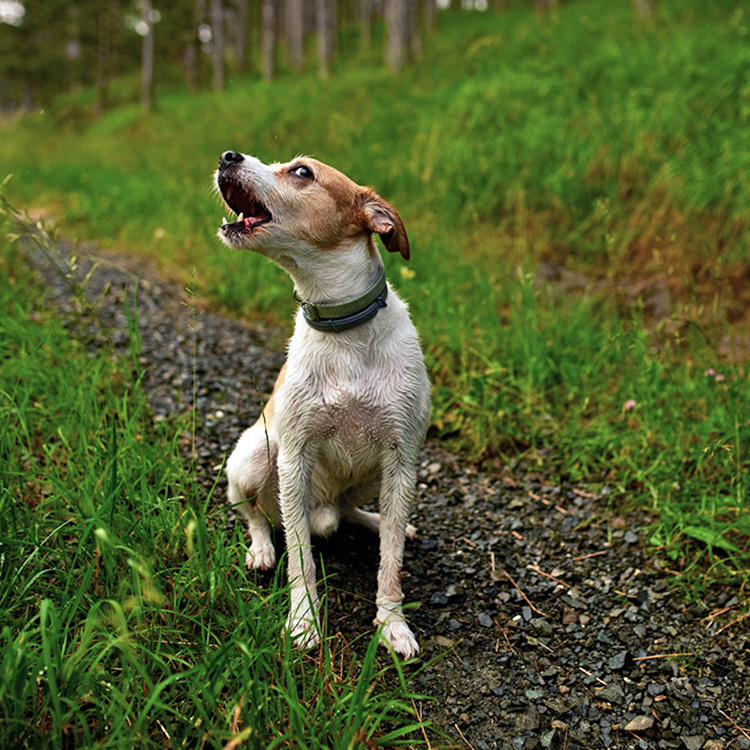
How to find the real trigger
The best way to understand why does my dog keep barking at nothing is to become a careful observer. Do not focus only on the bark. Study the whole situation.
Keep a simple barking log
Write down:
• The date and time
• Where your dog was
• What your dog was looking toward
• Body position and tail movement
• What happened before the bark
• How long it lasted
• What stopped it
• Any changes in food, sleep, health, or routine
A pattern may appear within a few days. For example, barking may happen only when the refrigerator runs, when sunlight hits a wall, or after the household becomes quiet.
Read your dog’s body language
A loose body, wagging tail, and playful movement may suggest excitement. A stiff body, raised hackles, hard stare, and forward weight may suggest alertness or a territorial response.
A low body, tucked tail, pinned ears, and frequent lip licking usually point to fear or stress. Body language is not perfect, but it adds important context.
Check the environment
Walk through the room from your dog’s height. Look for moving shadows, reflections, pests, new smells, and sounds from appliances. Close the blinds for a short time and see whether the behavior changes.
Do not assume the problem is imaginary simply because you cannot find the cause. Your dog’s senses may reveal a real environmental trigger.

What to do when your dog barks at nothing
Stay calm and avoid punishment
Yelling, hitting, or using fear-based tools can increase anxiety. Punishment may stop the sound for a moment, but it does not teach your dog what to do instead.
Use a calm voice. Move your dog away from the trigger if possible. Then reward quiet behavior.
Reduce visual and sound triggers
Try practical changes:
• Close curtains during busy outdoor times
• Use white noise or soft music
• Move your dog’s bed away from windows
• Block access to reflective glass
• Repair alarms or noisy appliances
• Give your dog a quiet resting area
• Use a baby gate to limit window patrols


These steps work best when paired with training. They reduce the number of times your dog practices barking.
Teach a quiet cue
Start when your dog is calm. Say “quiet” in a soft voice, wait for one second of silence, and give a small treat. Repeat this many times.
Gradually extend the quiet period before the reward. If your dog starts barking again, reduce the wait time. The goal is to teach a clear behavior, not to demand silence through force.
Reward calm choices
Notice your dog when they relax, look away from a window, lie on a mat, or settle after hearing a sound. Give praise or a treat before barking begins.
This is one of the most useful lessons I see in behavior work: people often reward the dog only after a problem starts. Catching calm behavior early is usually easier and more effective.
Add exercise and mental enrichment
Physical activity can lower extra energy, but exercise alone may not solve fear or pain. Combine movement with simple brain work:
• Sniff walks
• Food puzzles
• Short training sessions
• Find-the-treat games
• Safe chew items
• Hide-and-seek with toys
• Calm social time
Let your dog sniff during walks. Sniffing is natural mental work and can help make a walk more satisfying.
Use gradual desensitization
If your dog reacts to a sound or sight, expose them to a mild version of it while they remain calm. Pair the trigger with food, then slowly increase the intensity over time.
For example, play a doorbell recording at a very low volume. Give treats while your dog stays relaxed. Stop if your dog barks, trembles, or tries to escape, and begin again at an easier level later.
A qualified reward-based trainer can help you create a safe plan. Desensitization should be gradual, not overwhelming.

When should you call a veterinarian?
Contact your veterinarian if barking is sudden, intense, or linked with other changes. A medical exam is especially important for puppies with unusual behavior and older dogs with new nighttime barking.
Ask for help if you notice:
• Reduced appetite or thirst changes
• Vomiting, diarrhea, coughing, or limping
• Trouble hearing or seeing
• Pain when touched
• Restlessness or poor sleep
• Confusion or getting stuck
• Aggression that is new
• Seizure-like movements
• Barking that lasts for hours
• A major change in normal behavior
A veterinarian may examine the ears, eyes, teeth, joints, nervous system, and general health. Depending on the findings, they may recommend behavior support, medication, testing, or referral to a veterinary behavior specialist.
Do not use calming medicine, essential oils, or human medication without veterinary guidance. Some products can be harmful to dogs, even in small amounts.

Common mistakes dog owners make
When trying to solve why does my dog keep barking at nothing, owners often make the same understandable mistakes.
• Shouting over the barking: This can sound like you are barking too.
• Repeatedly checking the window: Your attention may reward the behavior.
• Giving treats during intense barking: The dog may learn that loud barking earns food.
• Removing all exercise: Avoiding triggers does not replace enrichment.
• Waiting too long to seek help: Sudden behavior can signal pain or illness.
• Using punishment first: Fear can make barking more frequent or intense.
• Changing too many things at once: You may not know what helped.
Change one or two factors at a time. Keep notes, reward calm behavior, and give the plan several consistent days unless your dog shows signs of illness or distress.

How long does it take to stop the barking?
The timeline depends on the cause. A reflection may be fixed in one day, while fear, separation anxiety, pain, or a long-standing habit may take weeks or months.
Progress means more than complete silence. Look for shorter barking episodes, faster recovery, and more frequent calm behavior. These small gains show that your dog is learning.
Some dogs will always alert bark at unusual sounds. The realistic goal is not to erase every bark. It is to reduce excessive barking and help your dog feel safe and respond to your cue.

Frequently Asked Questions
Why does my dog bark at an empty room?
Your dog may hear, smell, or see something you cannot detect. Anxiety, reflections, pests, pain, and learned barking can also cause this behavior.
Is my dog barking at ghosts?
There is no reliable evidence that dogs bark at ghosts. A more likely explanation is a sound, scent, movement, fear response, or health issue that is not obvious to you.
Why does my dog bark at nothing at night?
Night removes many normal sights and sounds, so small noises may seem more important. Night barking can also relate to anxiety, pain, hearing or vision changes, or cognitive decline in senior dogs.
Should I ignore my dog when it barks at nothing?
Do not reward repeated barking with excited attention, but do not ignore signs of fear or illness. Check the environment, calmly guide your dog to a quiet behavior, and seek veterinary help if the change is sudden.
Can boredom make a dog bark at nothing?
Yes. A dog with too little exercise, sniffing, play, or mental work may bark to release energy or seek attention. Daily enrichment can help, but medical and anxiety causes should still be considered.
Should I use a bark collar?
Bark collars may suppress sound without fixing fear, pain, or the trigger. Reward-based training, environmental changes, and professional guidance are safer first choices.
When is barking a medical emergency?
Seek urgent care if barking occurs with collapse, trouble breathing, severe confusion, loss of balance, repeated seizure-like movements, or sudden weakness. A sudden major behavior change also deserves prompt veterinary advice.
Conclusion
The answer to why does my dog keep barking at nothing is usually hidden in sharper senses, emotional stress, boredom, learned behavior, or a health concern. Watch the setting, body language, timing, and changes in your dog’s routine.
Start with calm observation, reduce clear triggers, reward quiet behavior, and provide daily mental and physical enrichment. If the barking is sudden, severe, or linked with pain or confusion, contact your veterinarian before treating it as a training problem.
Your dog is trying to communicate. With patience and the right plan, you can learn what the message means and help your dog feel safer. Share your experience with a qualified trainer or veterinarian, and explore trusted canine behavior resources for continued support.

Pet Care Writer & Researcher
Daniel writes practical guides on daily care, feeding, and safety, turning complex topics into simple, actionable advice.