How To Stop Dog Barking In Seconds: Quick Calm Tips
Learn how to stop dog barking in seconds with gentle commands, treats, and quick training tricks that calm dogs fast and restore quiet at home.
Use a calm interrupt, a clear "quiet" cue, then reward — stop dog barking in seconds.
As a trainer and dog owner with over 10 years of hands-on experience, I know how urgent and frustrating nonstop barking can feel. This guide explains practical, immediate steps and longer-term training so you can learn how to stop dog barking in seconds and keep it quiet for good. Read on for clear, tested techniques, real-life tips, and easy drills you can use today.
Why dogs bark and what it really means
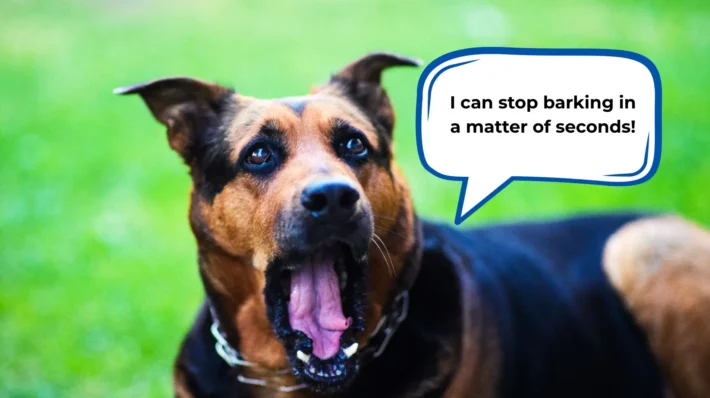
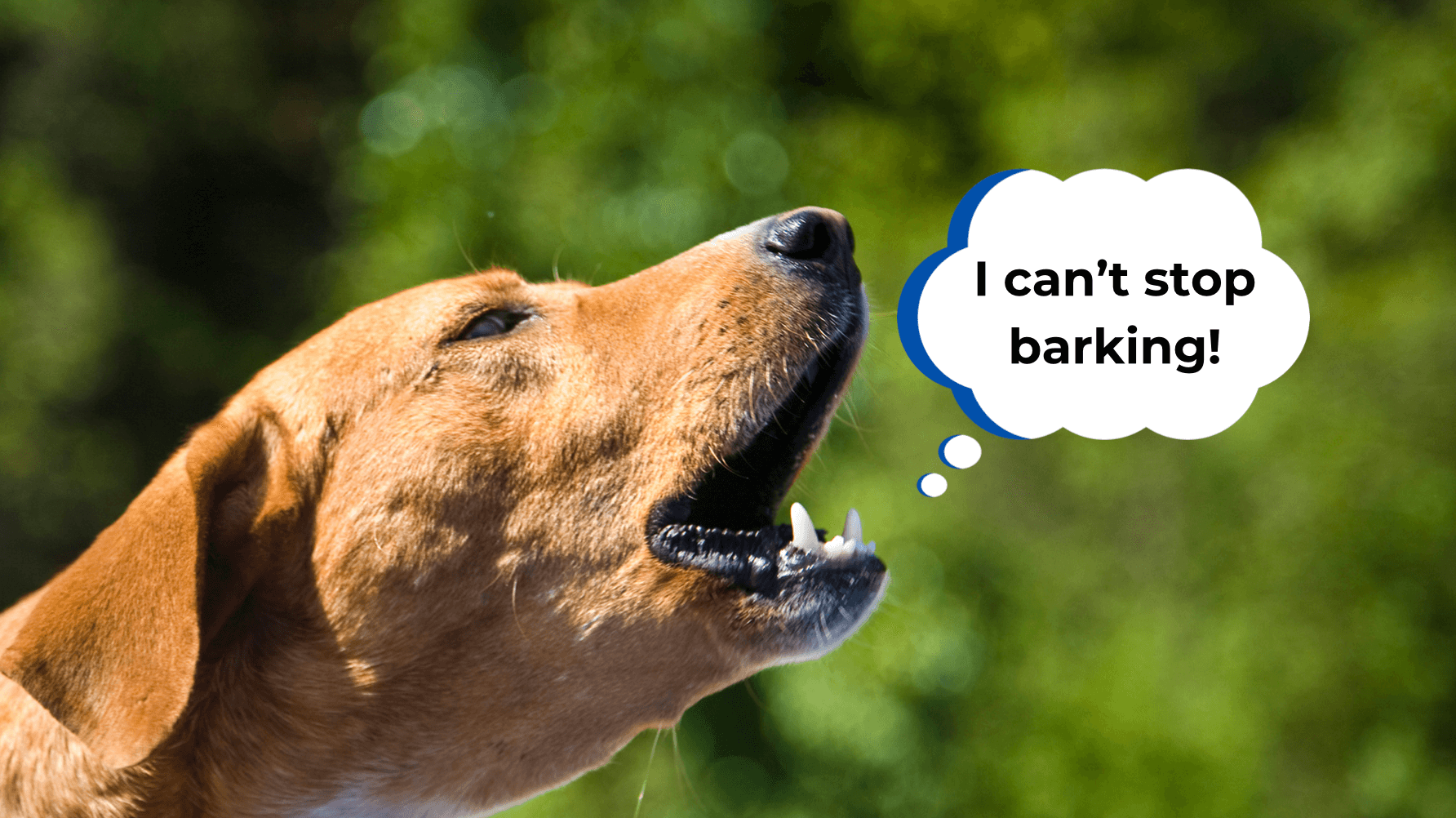
Dogs bark to communicate. Barking can mean alarm, boredom, fear, play, attention-seeking, or pain. If you want to learn how to stop dog barking in seconds, you must first know the why. Addressing the cause gives you the right quick response and the right long-term plan.
Common causes of barking:
- Alert or territorial response when someone walks by
- Boredom or excess energy during the day
- Anxiety or separation distress when left alone
- Learned attention-seeking because barking worked before
- Medical pain or discomfort that needs attention
Understanding the reason helps you pick the fastest, safest interruption. For example, alarm barks respond well to a firm “quiet,” while anxiety barks need calming and management.

Immediate techniques to stop dog barking in seconds
You need safe, calm, and consistent interrupts. These methods work in seconds and set you up for longer-term change.
Step-by-step interrupt and redirect:
- Make eye contact with your dog. Use a calm voice. Say their name once.
- Use a sharp but non-harsh interrupt — a clap, a firm “ah!” or a short noise with a clicker. Stop the noise as soon as the dog looks at you.
- Give the quiet cue. Say “quiet” once when the dog stops barking, even for a breath.
- Reward instantly with a treat or praise. Reinforce the silence, not the bark.
Other safe quick options:
- Use a favorite toy or a food puzzle to distract and redirect.
- Walk toward the dog calmly. Movement can reset their focus.
- Hold a high-value treat by your knee and lure their attention to you.
What to avoid:
- Yelling, which raises arousal and can increase barking.
- Hitting, pushing, or aggressive methods that harm trust.
- Relying only on unpleasant collars or shocks without training — those can cause fear and worsen behavior.
These immediate steps teach your dog that being quiet earns a reward. Practice makes the seconds become routine.
Teach a reliable "quiet" command (practice routine)
A reliable cue is the foundation for stopping barking in seconds every time. Train in short sprints across many days.
Training plan:
- Trigger a controlled bark: knock on a table or have a friend ring the doorbell.
- Let the dog bark one or two times. Then use your interrupt and say “quiet” as they stop.
- Reward the pause instantly with a treat and calm praise. Timing is everything.
- Repeat for 5–10 minutes, three times a day. Gradually increase the delay required for reward.
- Generalize the cue across locations, people, and triggers.
Tips for success:
- Keep treats ready and high-value at first.
- Use a clicker if you know it — click the moment the dog is quiet, then treat.
- Be patient. Small, consistent wins build a reliable response.
With steady practice, you’ll be able to stop dog barking in seconds with a single word and a treat.

Tools and products that help (and their limits)
Tools can speed progress but don’t replace training. Choose tools that match your dog’s size, temperament, and the cause of barking.
Helpful tools:
- Treat pouch for immediate reinforcement.
- Clicker to mark the exact moment of silence.
- Long-line leash for more controlled training outside.
- White noise machine or soft music to reduce noise triggers.
Use caution with:
- Remote shock or static collars — can harm trust and create fear responses.
- Ultrasonic devices — some dogs ignore them and effectiveness varies.
- Spray bottles — may work short-term but can damage your bond.
Tools should support how to stop dog barking in seconds by making rewards immediate and by reducing triggers. Always combine tools with positive training.
When barking signals a deeper problem
Not all barking is simple misbehavior. Sometimes it’s a sign of a health or welfare issue.
Red flags that need a vet or behaviorist:
- Sudden change in barking pattern or volume
- Barking that follows seizure activity or coincides with visible pain
- Constant barking that happens when left alone, despite enrichment
- Aggressive growling with barking or fear-based postures
If medical or severe anxiety causes barking, short-term interruption alone won’t fix it. Seek a professional assessment and consider behavior modification plans or medication as advised.

Personal experience: what worked for me and mistakes to avoid
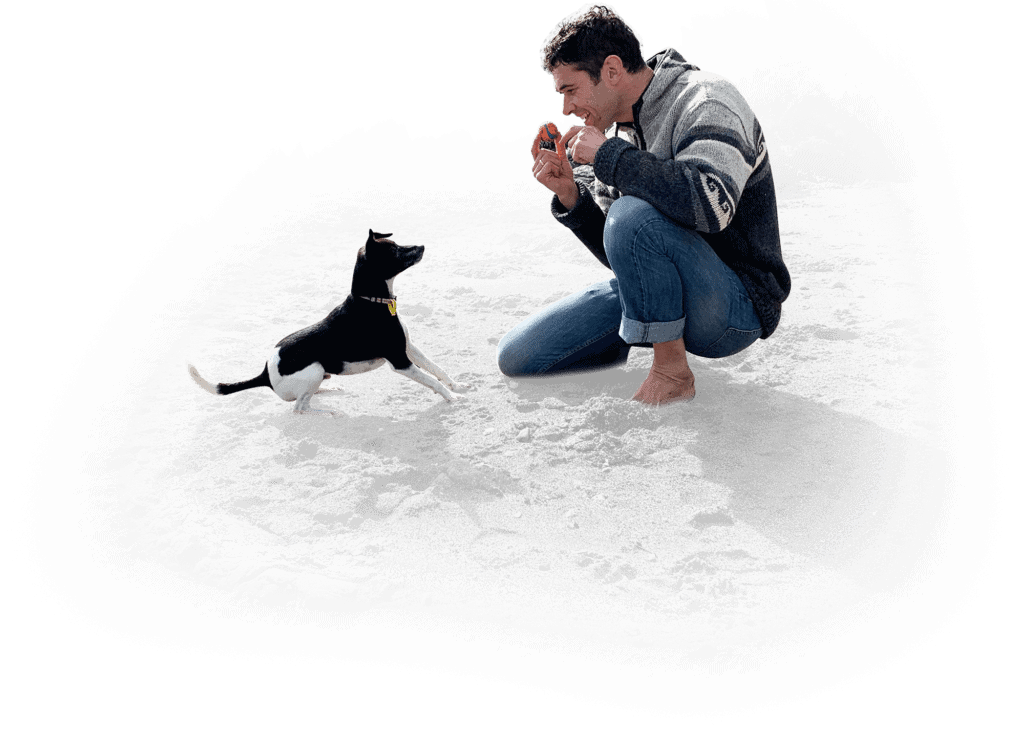
I once had a terrier who barked at every guest. I tried yelling at first. That made it worse. Then I switched to calm interruption plus treats and a steady “quiet” command. Within two weeks, guests could enter without the chaos.
Lessons I learned:
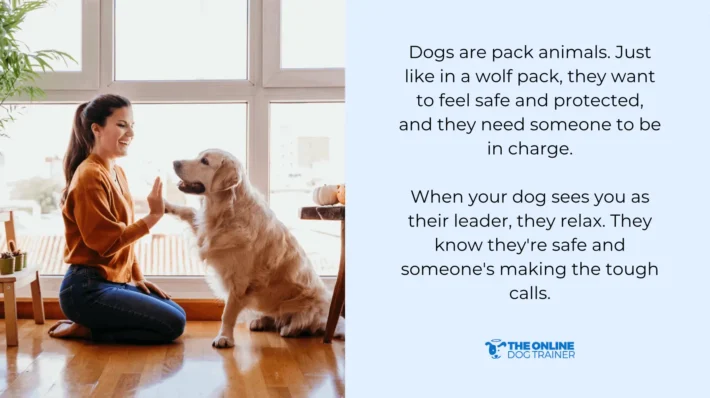
- Calm beats loud. A calm leader reduces arousal.
- Timing matters. Reward silence the instant it occurs.
- Consistency wins. Mixed signals confuse dogs and slow progress.
- Manage the environment. Close curtains, use white noise, or crate when necessary to reduce triggers.
Common mistakes:
- Rewarding the bark unintentionally by giving attention.
- Waiting too long to reward quiet, so the dog never links the cue to reward.
- Expecting instant perfection. Even fast fixes need repetition.
These real-world tips help you learn how to stop dog barking in seconds and keep that progress.
Frequently Asked Questions of how to stop dog barking in seconds
How can I stop dog barking in seconds without treats?
Use a clear interrupt, calm voice, and immediate praise. Replace treats with a toy or life rewards like permission to go outside.
Will yelling stop my dog from barking faster?
No. Yelling raises arousal and can reinforce barking. Use a firm calm cue instead.
Can an anti-bark collar stop barking in seconds?
Some collars interrupt barking, but they can cause fear or pain. Use them only with professional guidance and prefer reward-based training.
How long until the quiet cue works reliably?
With daily short sessions, many dogs respond to the quiet cue in 1–3 weeks. Consistency speeds results.
What if my dog barks only when I leave?
This suggests separation anxiety. Work on desensitization, provide enrichment, and seek a behaviorist if the barking is severe.
Is it okay to clap or stomp to stop barking?
A controlled clap or stomp works as an interrupt. Keep it calm and consistent. Avoid startling your dog into fear.
Conclusion
You can stop dog barking in seconds by using calm interrupts, a clear quiet cue, and instant rewards. Pair those fast fixes with consistent training and environment management for lasting change. Start small today: practice the interrupt-reward loop for five minutes, twice a day, and notice the difference.
Try the steps above, share your results, or ask a question below to get tailored tips.

Pet Care Writer & Researcher
Daniel writes practical guides on daily care, feeding, and safety, turning complex topics into simple, actionable advice.