How Do I Keep My Dog From Barking At Night: Quiet Sleep
Learn how do I keep my dog from barking at night with gentle training tips, calming routines, and practical solutions for peaceful sleep.
To keep your dog from barking at night, find the trigger, meet basic needs, and reward quiet behavior.
Night barking is common, but it is not random. Your dog may be reacting to a sound, asking for help, feeling lonely, guarding the home, or showing signs of pain. Learning how do i keep my dog from barking at night starts with finding the reason, then using calm training and a steady bedtime routine. This guide explains safe, practical steps that work without fear or punishment.
Why Dogs Bark at Night
Dogs bark to communicate. A bark may mean, “I hear something,” “I need to go outside,” or “I do not feel safe.” Some dogs bark at night because the house becomes quiet, making small sounds seem much louder.
Common causes include:
• Outside sounds such as cars, wildlife, neighbors, or other dogs
• A need to urinate or defecate
• Hunger, thirst, heat, cold, or physical discomfort
• Boredom or unused energy
• Separation anxiety or fear of being alone
• Territorial behavior near windows, doors, or fences
• Age-related confusion, especially in older dogs
• A new home, new pet, new baby, or change in family routine
The first step in learning how do i keep my dog from barking at night is to treat the barking as information. Your dog is telling you that something has changed or feels important.
Do not assume every night bark is a training problem. A dog that suddenly starts barking may have an ear problem, joint pain, stomach trouble, or another health issue. A quick health check can prevent weeks of frustration.

Check Your Dog’s Basic Needs First
Before training begins, make bedtime comfortable and predictable. A dog that is uncomfortable will struggle to settle, just as a tired person may still have trouble sleeping with a loud fan or a painful back.
About 30 to 60 minutes before bed, offer:
• A calm bathroom break
• Fresh water, unless your veterinarian has advised a different plan
• A short walk or gentle play session
• A few minutes of simple training
• A comfortable sleeping area
Avoid intense games right before bed. Fast chase games can make some dogs more alert, not more tired. A slow sniff walk often works better because sniffing gives the brain useful work without making the body overstimulated.
Puppies may need one or more nighttime bathroom trips. Small breeds and senior dogs may also need more frequent breaks. If your dog wakes at the same time every night to go outside, set an alarm a few minutes before that time and gradually move it later.
This basic routine answers part of how do i keep my dog from barking at night: remove reasonable causes before asking your dog to stay quiet.

Create a Calm Bedtime Routine
Dogs learn patterns quickly. If bedtime changes every night, your dog may stay alert and wait for something exciting to happen. A simple routine acts like a gentle signal that the day is ending.
Try this order:
-
Take your dog outside for a bathroom break.
-
Walk slowly for a few minutes.
-
Return indoors and lower the lights.
-
Offer a safe chew or food puzzle.
-
Guide your dog to the sleeping area.
-
Reward quiet, relaxed behavior.
Use the same words each night, such as “bedtime” or “settle.” Say them in a soft voice. Over time, the words become a cue for rest.
Keep the routine boring in the best way. Avoid loud greetings, rough play, or long conversations after your dog begins barking. If barking starts a fun interaction every night, your dog may learn that barking is a useful alarm clock.
A calm routine is especially helpful when asking how do i keep my dog from barking at night after a move or another major life change. Predictability can make a new environment feel safer.

Reduce Nighttime Triggers
Many dogs bark because they can hear or see things that you cannot. A raccoon near the trash can, a neighbor closing a car door, or a passing truck may be enough to start a barking cycle.
Make the sleeping area less reactive by:
• Closing curtains or blinds
• Moving the crate or bed away from windows
• Using a fan or white noise machine
• Keeping outdoor lights from shining into the room
• Checking fences, doors, and windows for movement
• Moving food waste and trash away from the yard
• Using a secure, quiet room for dogs that guard windows
White noise can cover sudden sounds, but it should remain at a safe volume. Your dog should still be able to hear your voice. Do not use loud music to drown out barking.
If your dog barks at shadows or outdoor movement, block the view rather than repeatedly saying “no.” Removing the trigger is not giving in. It is smart management while training catches up.
When people ask how do i keep my dog from barking at night, the answer often includes changing the environment. Training is easier when your dog is not being surprised every few minutes.

Teach the “Quiet” Cue
You can teach a dog to stop barking without yelling. The goal is to reward a pause, even if the pause lasts only one second at first.
Follow these steps:
-
Allow one or two alert barks.
-
Walk calmly toward your dog.
-
Place a small treat near the dog’s nose.
-
When the dog stops barking to sniff, say “quiet.”
-
Give the treat immediately.
-
Wait for a longer quiet pause before rewarding again.
Keep your voice calm. If you shout “quiet,” your dog may think you are joining the barking. Many dogs respond better to a low, steady tone.
Practice during the day when everyone is relaxed. Ask a family member to make a soft sound outside, or use a gentle knock. Reward your dog for looking at the sound and then settling. Gradually work with slightly stronger distractions.
The timing matters. Reward silence, not barking. If the treat appears while your dog is still barking, your dog may learn that barking brings food.
This method is one of the most useful answers to how do i keep my dog from barking at night because it gives your dog a clear behavior to perform.

Use Positive Reinforcement at the Right Time
Positive reinforcement means rewarding a behavior you want to see again. For nighttime barking, that behavior may be lying down, turning away from a window, or staying quiet for several seconds.
Use rewards that matter to your dog. Small pieces of cooked chicken, regular kibble, praise, or a favorite toy may work. Keep treats tiny so repeated practice does not add too many calories.
A simple nighttime exercise looks like this:
• Wait for your dog to lie down.
• Place a treat between the dog’s front paws.
• Wait quietly.
• Give another treat after a few seconds of calm.
• Slowly increase the time between rewards.
If your dog gets up and barks, make the next step easier. Training should feel like climbing a low staircase, not jumping over a wall.
I have seen owners make one common mistake: they reward quiet behavior only after a long period of barking. The dog may learn that barking is part of the path to getting attention. Reward small moments of calm early, then build duration.
Positive reinforcement does not mean ignoring poor behavior. It means teaching your dog what to do instead.

Meet Your Dog’s Exercise and Mental Needs
A dog with unused energy may search for a job at night. Barking, pacing, chewing, and scratching can all become self-made activities.
Daily needs vary by age, breed, health, and personality. A young working dog may need more movement and problem-solving than a senior companion dog. Ask your veterinarian before starting a new exercise plan if your dog has heart, breathing, joint, or weight concerns.
Helpful daytime activities include:
• Sniff walks
• Food puzzles
• Short obedience sessions
• Fetch on a safe surface
• Hide-and-seek with treats
• Scent games using boxes or towels
• Calm social time with suitable dogs
More exercise is not always the answer. Some dogs become overtired and restless after too much running. Watch your dog’s body language. Relaxed muscles, slower breathing, and lying down usually show that the activity helped.
Mental work can be as valuable as physical work. Five minutes of scent training may leave a dog more settled than a rushed walk around the block.
When considering how do i keep my dog from barking at night, review the whole day. Night behavior often reflects what happened hours earlier.
Handle Separation Anxiety With Care
A dog that barks only when left alone may have separation anxiety. Other signs include pacing, drooling, scratching doors, destructive chewing, house soiling, or frantic greetings when you return.
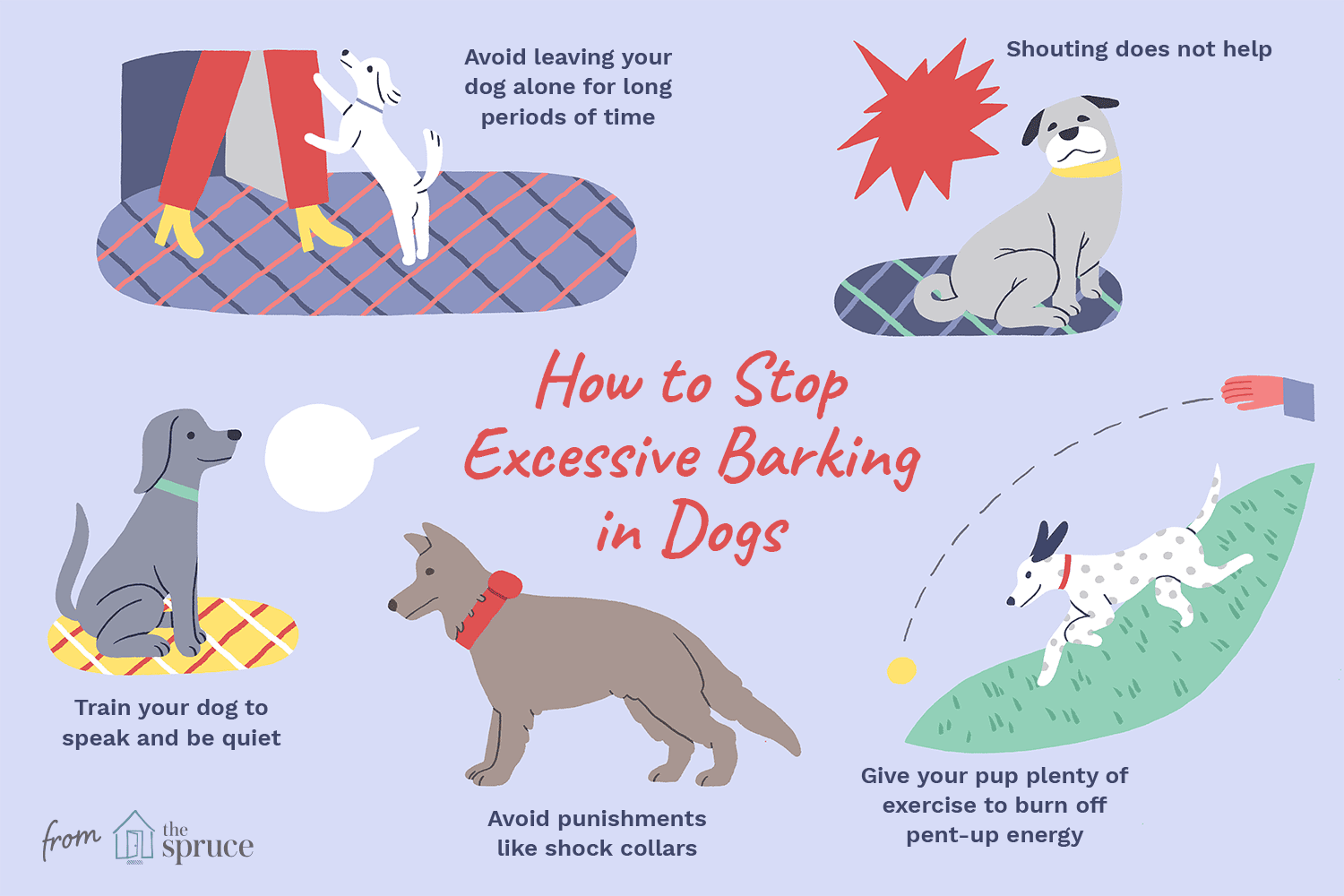
Do not treat severe separation anxiety as simple disobedience. Leaving the dog to bark for hours can increase fear in some cases. It may also disturb neighbors and damage trust.
Start with very short absences during the day:
-
Ask your dog to rest on a bed.
-
Step away for one or two seconds.
-
Return before your dog becomes worried.
-
Reward calm behavior.
-
Increase the time very slowly.
If your dog reacts, reduce the time again. Some dogs need help from a qualified trainer or veterinary behavior professional. A veterinarian may also discuss treatment options when anxiety is severe.
A camera can help you understand what happens after you leave. It may reveal that your dog settles after five minutes, or it may show nonstop distress. That information is more useful than guessing.
This is an important limit of general advice about how do i keep my dog from barking at night: serious anxiety often needs an individual plan.

Decide Whether to Respond at Night
Your response should depend on the likely cause. A dog that is barking because of pain needs care, not a training lesson. A puppy that needs to urinate needs a quiet bathroom trip, not a long period of waiting.
Use this guide:
• If your dog is young or has a bathroom history, take the dog out calmly.
• If the barking is sudden or unusual, check for illness or injury.
• If the dog is reacting to a sound, remove the trigger and reward calm.
• If the dog is seeking play, avoid starting an exciting interaction.
• If the dog is frightened, offer calm support without making the event dramatic.
Keep nighttime trips quiet and brief. Use low lights, limit play, and return to bed. This teaches your dog that nighttime is for resting.
Never ignore signs of distress just to follow a strict rule. Good training includes judgment. You know your dog’s normal behavior better than anyone else.
Avoid Punishment and Bark Collars as a First Step
Yelling, hitting, shaking, or using frightening devices can make barking worse. Punishment may stop the sound for a moment, but it does not always remove fear or teach a better response.
Some bark collars use sound, vibration, or an electric stimulus. These tools can suppress barking without addressing the reason behind it. They may be especially risky for anxious, fearful, or reactive dogs.
Avoid:
• Shouting from another room
• Chasing your dog around the house
• Opening the door to let the dog patrol repeatedly
• Using a crate as punishment
• Applying a bark collar without professional guidance
A crate can be a safe sleeping place when introduced properly. It should never be used as a way to trap a panicked dog. Dogs that bark, drool, bite bars, or try to escape may be experiencing serious distress.
The safest answer to how do i keep my dog from barking at night is usually management, reward-based training, and medical attention when needed.
Know When to Call a Veterinarian
Contact your veterinarian if barking begins suddenly, becomes intense, or appears with other changes. Nighttime restlessness can sometimes signal a medical issue.
Seek veterinary advice when you notice:
• Pain, limping, stiffness, or trouble getting comfortable
• Excessive thirst or urination
• Coughing, heavy breathing, or breathing trouble
• Vomiting, diarrhea, or appetite changes
• Confusion, staring, or getting stuck in corners
• Hearing or vision changes
• Repeated pacing or crying
• A major change in sleep patterns
Older dogs may develop cognitive dysfunction, which can affect sleep and cause nighttime vocalization. Medical problems should be considered before assuming the behavior is stubbornness.
Your veterinarian can check for health concerns and may refer you to a certified trainer or veterinary behaviorist. Choose professionals who use humane, reward-based methods and can explain their plan clearly.
No online guide can diagnose your dog. The advice here is general and works best when combined with an assessment of your dog’s health, age, and home life.
A Practical Seven-Night Plan
A short plan can make the process easier to follow. Track the time, trigger, response, and result each night. Patterns often become clear after a few days.
Night one: Observe
Write down when barking starts, what your dog looks at, and how long it lasts. Do not change everything at once.
Night two: Improve comfort
Add a bathroom break, check the sleeping area, and reduce outside sights and sounds.
Night three: Add calm activity
Use a sniff walk, food puzzle, or short training session earlier in the evening.
Night four: Practice quiet
Teach the “quiet” cue during the day and reward short pauses.
Night five: Strengthen the bedtime routine
Follow the same order of events and keep nighttime responses boring.
Night six: Review progress
Look for smaller changes, such as shorter barking periods or faster settling. Progress is not always a silent night right away.
Night seven: Adjust carefully
If the plan helps, continue it. If barking remains severe or your dog seems distressed, call a veterinarian or qualified behavior professional.
The plan should be flexible. Puppies, senior dogs, and dogs with medical problems may need a slower pace. The best answer to how do i keep my dog from barking at night is one that fits the individual dog.
How Long Does It Take to Stop Night Barking?
Some dogs improve within a few nights when the trigger is simple, such as a window view or an inconsistent bathroom routine. Other dogs need several weeks of steady practice, especially when fear, anxiety, or habit is involved.
Avoid judging the plan after one night. Look for gradual signs of progress:
• Your dog settles faster
• Barking episodes become shorter
• Your dog responds to the quiet cue
• Your dog returns to bed after a bathroom break
• Your dog shows less tension near nighttime triggers
Keep a simple log. Write down the bedtime, barking time, likely trigger, and what helped. This record can also help your veterinarian or trainer.
Consistency matters more than perfection. One difficult night does not erase progress, and one quiet night does not mean the problem is fully solved.
Frequently Asked Questions About How Do I Keep My Dog From Barking at Night
Why does my dog bark at night but not during the day?
Nighttime is quieter, so distant sounds may seem stronger to your dog. Darkness can also increase uncertainty, and some dogs become more alert when the family is asleep.
Should I ignore my dog barking at night?
Do not automatically ignore it. First check for bathroom needs, pain, fear, or a real disturbance, then respond calmly and avoid rewarding barking with play or extended attention.
Will more exercise stop my dog from barking at night?
Exercise may help when unused energy is part of the problem. Balance physical activity with sniffing and mental work, and avoid intense play right before bed.
Is it okay to crate my dog at night?
A crate can be appropriate if your dog already views it as a safe place. Do not crate a panicked dog or use the crate as punishment, and make sure the dog has had a bathroom break.
Why has my older dog started barking at night?
New nighttime barking in an older dog can relate to pain, hearing or vision changes, urinary needs, or cognitive decline. Schedule a veterinary exam instead of assuming the behavior is simply age-related.
Do bark collars work for nighttime barking?
Bark collars may suppress sound, but they do not identify or treat the cause. Reward-based training, trigger management, and veterinary guidance are safer starting points for most dogs.
What should I do if my dog barks at noises outside?
Block the view, use gentle white noise, and reward your dog for turning away and staying quiet. Practice during the day so your dog learns to notice sounds without reacting for a long time.
Conclusion
Night barking usually has a reason, even when that reason is not obvious. Start with health, bathroom needs, comfort, outside triggers, exercise, and anxiety. Then build a steady bedtime routine and reward quiet behavior instead of shouting or using fear.
If you are still asking how do i keep my dog from barking at night, focus on small, repeatable changes. Track the pattern, stay calm, and seek veterinary or behavior help when the barking is sudden, severe, or linked to distress. Put these steps into practice tonight, and share your experience or questions with a trusted dog professional.

Pet Care Writer & Researcher
Daniel writes practical guides on daily care, feeding, and safety, turning complex topics into simple, actionable advice.