
How To Train A Dog To Stop Barking At Everything: Easy Tips
Learn how to train a dog to stop barking at everything with proven, gentle techniques that reduce noise and build calm, confident behavior.
Reward-based training, trigger control, and medical checks can teach a dog to bark less and settle.
Learning how to train a dog to stop barking at everything starts with one key idea: barking is communication, not bad behavior. Dogs bark when they feel afraid, excited, bored, alert, lonely, or unsure. The best plan finds the cause, reduces unnecessary triggers, and rewards calm behavior. This guide combines practical training steps, common mistakes, safety advice, and behavior science to help you create a quieter, happier home.
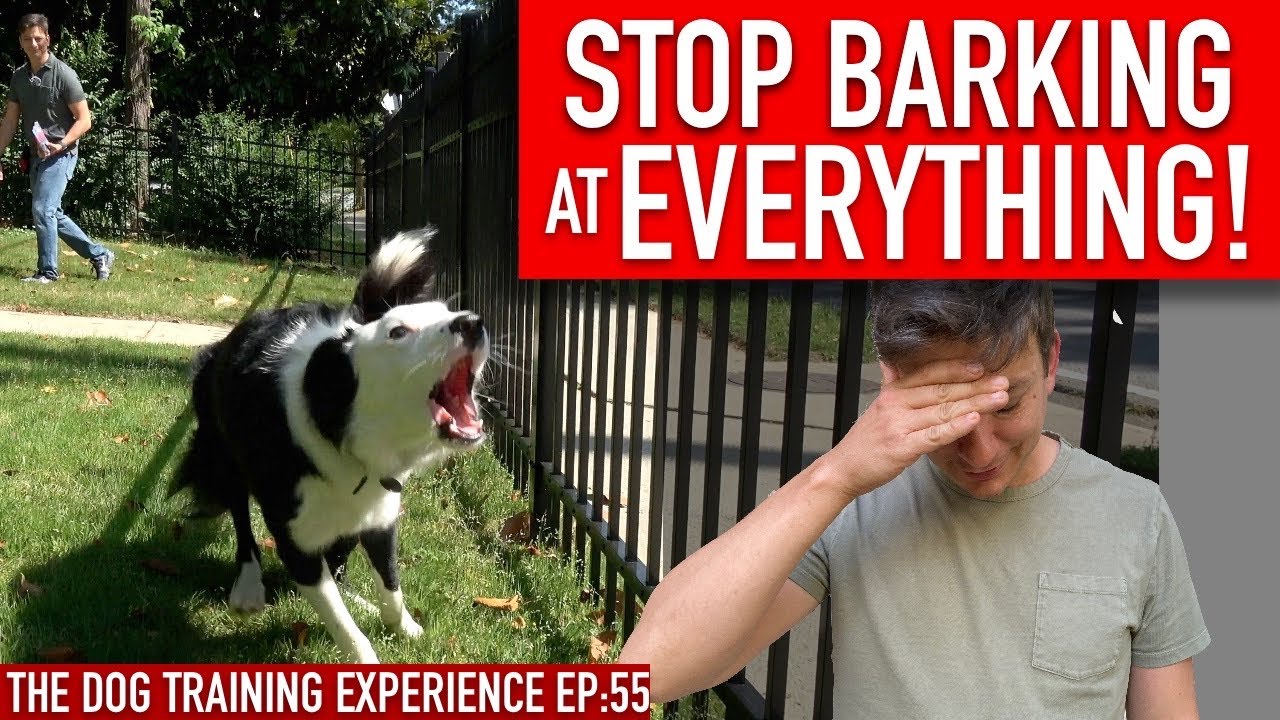
Why Dogs Bark at Everything
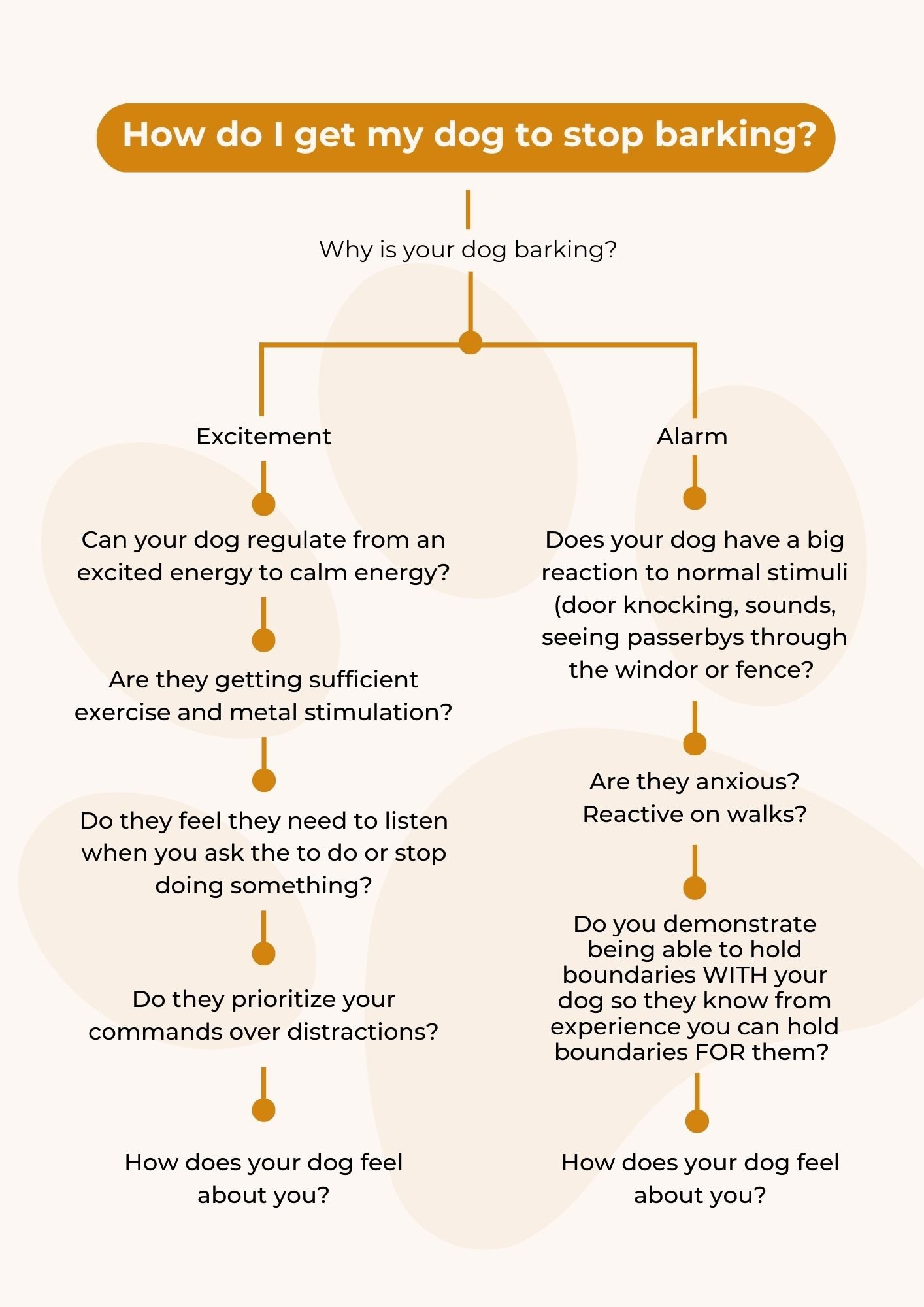
Dogs rarely bark “for no reason.” To your dog, a sound at the window, a person walking past, or a delivery truck may feel important. Barking can be a warning, a request, a release of stress, or a learned way to get attention.
Before you begin learning how to train a dog to stop barking at everything, watch the pattern. Ask what happens before the barking, what the dog does during it, and what happens after it ends.
• Alert barking at people, animals, cars, or sounds
• Fear barking caused by stress or uncertainty
• Excitement barking during play, walks, or greetings
• Demand barking for food, attention, toys, or access
• Boredom barking caused by too little exercise or mental work
• Separation-related barking when the dog is left alone
• Frustration barking behind a fence, window, or leash
• Pain, hearing changes, aging, or other health problems
Barking often continues because it works. If barking makes you open the door, throw a toy, give food, or shout, your dog may learn that noise gets results. Even negative attention can act as a reward.
This does not mean your dog is being stubborn or spiteful. The behavior is usually connected to emotion and habit. Think of barking as an alarm system that has become too sensitive.

Rule Out Medical and Emotional Causes
A sudden increase in barking deserves attention. Pain, poor hearing, vision loss, cognitive decline, thyroid problems, and other medical issues can change a dog’s behavior. Older dogs may also bark at night because they feel confused or unsettled.
Schedule a veterinary visit if the barking is new, intense, or paired with other changes. Contact your veterinarian promptly if your dog also shows:
• Loss of appetite
• Restlessness or pacing
• Limping or sensitivity to touch
• Confusion or getting stuck in corners
• Increased thirst or urination
• Aggression that is new or worsening
• Panic when left alone
A veterinarian can look for health problems and may refer you to a board-certified veterinary behaviorist. This matters because training alone may not solve barking linked to pain or severe anxiety.
Punishment can also make fear worse. Shock collars, yelling, leash corrections, and spray devices may stop a sound for a moment, but they can increase stress and damage trust. Veterinary behavior groups generally favor reward-based methods because they teach the dog what to do instead of only suppressing a warning.
Find Your Dog’s Barking Triggers
A simple barking diary can reveal more than guesswork. For several days, record the time, place, trigger, barking length, and your response.
For example:
| Situation | Likely cause | Helpful first step |
|---|---|---|
| Barking at the front window | Alert or territorial behavior | Block the view and reward quiet |
| Barking at dogs on walks | Fear, excitement, or frustration | Increase distance and use treats |
| Barking when left alone | Separation distress | Use gradual alone time training |
| Barking for dinner | Demand behavior | Reward quiet waiting |
| Barking during play | Overexcitement | Add pauses and calm breaks |
Notice the distance between your dog and the trigger. This is called the threshold. A dog under threshold can still eat, think, and respond to you. A dog over threshold may bark, lunge, pace, or ignore food.
Training works best before your dog reaches that boiling point. If your dog is already barking hard, create space and wait for calm. Do not expect good learning during a full emotional storm.

Manage the Environment Before Training
Management is not a shortcut. It prevents your dog from practicing the behavior while you teach a better response. Every barking episode can strengthen the habit, so small changes can make training much easier.
Try these practical steps:
• Close curtains or use frosted window film
• Move furniture away from windows
• Use white noise or soft music for outside sounds
• Keep your dog away from the front door during deliveries
• Offer a food puzzle during busy times
• Walk at quieter times when possible
• Use a secure fence that limits visual triggers
• Ask visitors to text instead of knocking
• Give your dog a calm room or covered crate if the space feels safe
Do not use a crate as punishment. A crate should be a comfortable rest area, not a place where a frightened dog is trapped near loud triggers.
Management has limits. You cannot block every sound or avoid every person. Still, reducing triggers gives your dog enough calm moments to learn. It is like lowering the volume before teaching someone a new song.
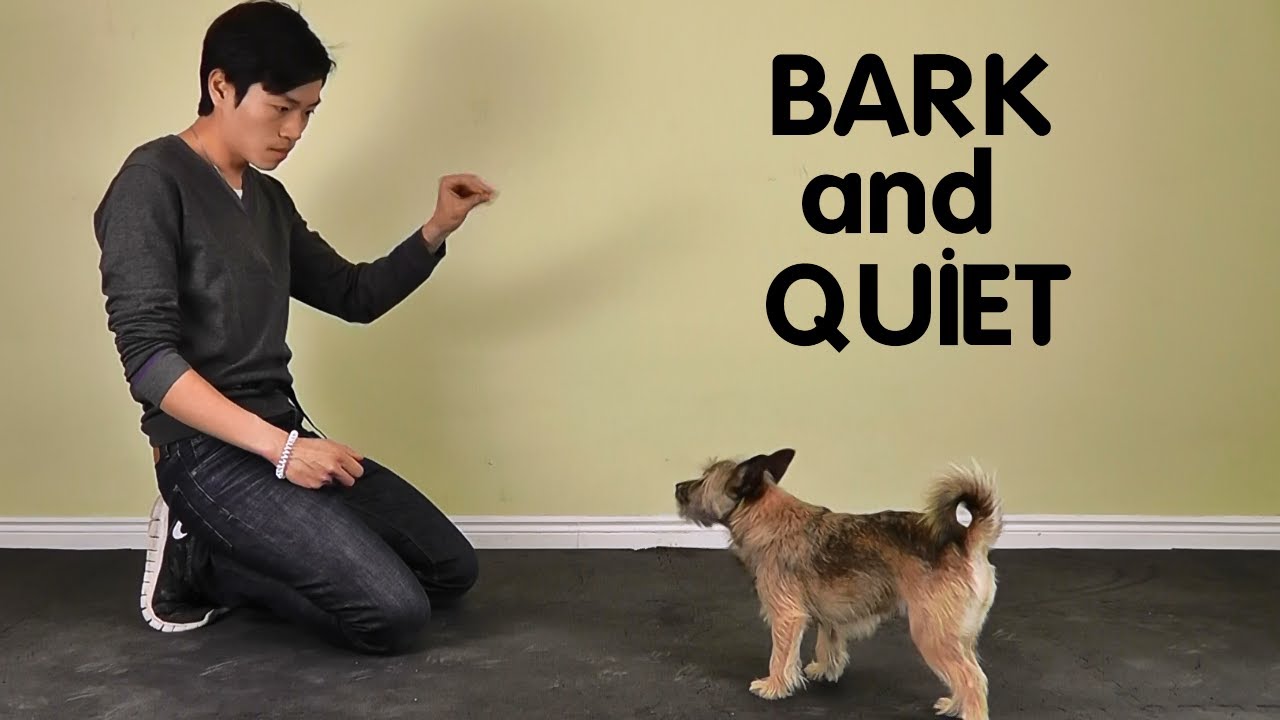
Teach the “Quiet” Cue
The goal of a quiet cue is not to demand silence through fear. It is to teach your dog that stopping, checking in, and relaxing brings good things.
Start in a calm room. Keep small, tasty treats ready. When your dog makes a brief pause in barking, say “quiet” in a calm voice, wait one second, and give a treat.
At first, reward even a very short pause. Over several sessions, slowly increase the quiet time before the reward.
Follow these steps:
-
Choose a calm word such as “quiet” or “enough.”
-
Wait for a natural pause in barking.
-
Say the cue once in a relaxed tone.
-
Mark the quiet moment with “yes” or a click.
-
Give a treat near your leg so your dog turns away from the trigger.
-
Repeat for a few minutes.
-
Add mild distractions only after your dog succeeds indoors.
Avoid repeating “quiet” again and again. If you say it ten times, your dog may learn that the cue has no meaning. Say it once, help your dog succeed, and reward the response.
When learning how to train a dog to stop barking at everything, many owners focus only on stopping noise. A better approach also rewards calm behavior before barking begins.
Reward Calm Behavior Throughout the Day
Dogs repeat behavior that earns useful results. If calm behavior goes unnoticed, your dog may decide that barking is the only way to communicate.
Look for quiet moments and reward them. You might give a treat when your dog rests on a mat, watches a person without barking, or hears a sound and looks at you.
Useful calm behaviors include:
• Lying on a bed
• Looking at you after hearing a noise
• Sitting before going outside
• Walking past a trigger calmly
• Resting while guests move around
• Chewing a toy instead of barking
You can also teach a “settle” behavior. Place a mat near you. When your dog steps onto it, reward. Then reward sitting, lying down, and staying relaxed. Keep your voice soft and your movements slow.
One common training lesson is that owners often reward calm behavior too late. They wait until the dog has been quiet for ten minutes. At first, reward one or two seconds. Small wins build the habit.

Desensitize Your Dog to Common Triggers
Desensitization means exposing your dog to a trigger at a low level while keeping the dog calm. Counterconditioning means pairing that trigger with something pleasant, such as food.
Suppose your dog barks at people outside. Begin far from the window, or use a very small view through a partly closed curtain. The moment your dog notices a person but stays quiet, offer a treat. When the person disappears, the treats stop.
This teaches a new pattern:
-
Notice the trigger.
-
Stay below the barking threshold.
-
Look to the owner.
-
Receive something valuable.
-
Relax as the trigger passes.
Increase difficulty slowly. You might open the curtain slightly, move closer to the window, or work with a person farther away. If barking starts, the step was too hard. Reduce the distance or lower the trigger.
Never force a fearful dog to approach a person or another dog. Flooding can make fear stronger. A qualified trainer can help when the reaction includes lunging, snapping, or panic.

Handle Doorbell and Visitor Barking
Doorbell barking is common because the sound predicts excitement. Your dog may expect a person, a walk, or a rush to the door. Practice when no visitor is present.
First, teach your dog to move to a mat when you say “place.” Reward the dog for staying there. Then use a very quiet doorbell sound from your phone, or ask someone to tap gently. Reward your dog for hearing it and moving to the mat.
Build the routine in small steps:
• Sound the bell softly
• Say “place”
• Reward movement to the mat
• Wait briefly
• Reward quiet waiting
• Release your dog after the exercise
Keep real visitors calm. Ask them to ignore barking and avoid leaning over the dog. If needed, keep your dog behind a gate with a chew until the excitement drops.
Do not open the door while your dog is barking if you can safely wait. Otherwise, your dog may learn that barking controls access to visitors. Safety comes first, so use a leash, gate, or separate room when necessary.
Reduce Barking on Walks
Walks can become stressful when dogs bark at people, dogs, bikes, or cars. Start by choosing a distance where your dog can notice the trigger and still eat.
When the trigger appears, say your dog’s name or use a “look” cue. Feed several small treats while the trigger passes. Then move away or continue walking once your dog is calm.
Helpful strategies include:
• Cross the street early
• Step behind a parked car
• Walk during quieter hours
• Use a front clip harness if suitable for your dog
• Keep treats easy to reach
• Avoid tight leash pressure
• Let your dog sniff in low stress areas
A tight leash can add frustration or fear. Give yourself room to turn away. Your goal is not to make your dog greet every person or dog. Your goal is to help your dog pass safely and calmly.
Meet Your Dog’s Exercise and Mental Needs
Exercise can help, but it is not a cure for every barking problem. A tired dog may still bark from fear, pain, or separation distress. Too much intense exercise can also create a highly aroused dog.
Aim for a balanced routine that may include:
• Sniff walks
• Food puzzles
• Short obedience sessions
• Trick training
• Safe chewing
• Gentle play
• Rest periods
Sniffing is especially useful because it lets dogs gather information and use their brains. Five minutes of calm scent work can be more helpful than a rushed walk around the block.
Teach one new skill at a time. Short sessions of three to five minutes often work better than one long lesson. End while your dog is still successful.
Address Barking When Your Dog Is Alone
Barking only when alone may signal separation anxiety. Other signs can include destructive behavior near exits, drooling, pacing, urination, or frantic greetings when you return.
Use a camera to learn what happens after you leave. Do not assume your dog is simply bored. If your dog panics within minutes, repeated long absences can make the problem worse.
Begin with tiny absences. Step behind a door for one second, return, and reward calm behavior. Slowly build duration only when your dog remains relaxed. Vary the times so your dog does not expect a fixed pattern.
Severe separation anxiety may require a behavior plan from a veterinarian or qualified behavior professional. Medication can be appropriate in some cases, but only under veterinary guidance. Training and medical support often work best together.
Avoid Common Barking Training Mistakes
Many owners try hard but accidentally strengthen barking. The most common mistake is inconsistency. If barking earns attention on some days but not others, the behavior can become more persistent.
Avoid these errors:
• Shouting “stop,” which may sound like joining the barking
• Punishing fear-based barking
• Waiting until your dog is fully overwhelmed
• Moving too quickly through trigger training
• Rewarding only perfect silence
• Giving attention during demand barking
• Using aversive tools without expert guidance
• Expecting change after one training session
A behavior may briefly get worse when rewards stop. This is called an extinction burst. Stay calm, prevent rehearsal, and reward an alternative behavior. If the barking becomes intense or unsafe, get professional help rather than pushing through.
Consistency does not mean being harsh. It means the same calm response happens often enough for your dog to understand the new rule.
Create a Simple Daily Training Plan
A clear plan makes how to train a dog to stop barking at everything feel manageable. You do not need hours of work. Several short sessions can fit into a normal day.
Try this sample routine:
• Morning: Take a sniff walk and reward calm check-ins
• Midday: Practice “quiet” for three minutes indoors
• Afternoon: Use a food puzzle during a common trigger period
• Evening: Practice settling on a mat while the family relaxes
• During real triggers: Create distance, reward calm, and prevent repeated barking
Track progress once a week. Count how quickly your dog recovers, not only how many times the dog barks. A dog that barks once but settles in ten seconds is making progress compared with a dog that barks for ten minutes.
Set realistic expectations. Some dogs will always alert bark occasionally. The aim is safer, shorter, and more controllable barking, not a silent dog in every situation.
When to Hire a Professional
Contact a qualified professional if your dog shows fear, aggression, panic, or no improvement after consistent training. Look for a certified trainer who uses reward-based methods and can explain the plan clearly.
A veterinary behaviorist is especially helpful when barking is linked to anxiety, aggression, compulsive behavior, or a medical concern. Ask what methods the professional uses and avoid anyone who promises a guaranteed result or relies on intimidation.
Bring your barking diary and videos if they can be recorded safely. These details help a professional see the trigger, body language, and recovery time.
Professional help is not a sign of failure. It is similar to hiring a tutor when a subject feels difficult. Early support can prevent a small habit from becoming a major household problem.
Frequently Asked Questions About How to Train a Dog to Stop Barking at Everything
How long does it take to train a dog to stop barking?
Some dogs show improvement within days, while others need several weeks or months. The time depends on the cause, the dog’s age, the strength of the habit, and how consistent the training is.
Should I yell at my dog to stop barking?
No. Yelling can sound like you are barking with your dog, and it may increase fear or excitement. Use calm management, create distance from triggers, and reward quiet behavior instead.
What is the fastest way to stop a dog from barking at the window?
Block the view, use white noise, and teach your dog to move to a mat when a trigger appears. Then reward quiet observation before slowly allowing more access to the window.
Can exercise stop excessive barking?
Exercise can reduce boredom and excess energy, but it cannot fix every cause. Fear, separation anxiety, pain, and territorial behavior need targeted training and, at times, veterinary support.
Are bark collars safe for dogs?
Bark collars may suppress sound without solving the reason for barking. Some dogs become more anxious or confused, so reward-based training and professional guidance are safer first choices.
Why does my dog bark at nothing?
Your dog may hear or smell something you cannot detect, or the barking may come from anxiety, aging, or a learned habit. Sudden behavior changes should be discussed with a veterinarian.
Conclusion
Learning how to train a dog to stop barking at everything requires patience, observation, and a clear plan. Identify the trigger, rule out health concerns, manage the environment, reward calm behavior, and teach useful cues such as “quiet,” “look,” and “place.”
Avoid yelling and punishment, especially when barking comes from fear or anxiety. Progress may appear as shorter barking, faster recovery, or more frequent check-ins with you. Start with one trigger today, practice for a few calm minutes, and track the small wins. For more help, explore reward-based training resources or speak with a qualified professional, and share your experience in the comments.

Pet Care Writer & Researcher
Daniel writes practical guides on daily care, feeding, and safety, turning complex topics into simple, actionable advice.



One Comment