Do Terriers Bark A Lot: What Owners Should Know
Do terriers bark a lot? Learn why terriers vocalize, which breeds bark most, and practical tips to reduce excessive barking.
Yes, terriers often bark a lot because they were bred to alert, hunt, and react quickly.
Do terriers bark a lot? In most cases, yes—but barking is not the whole story. Breed traits, age, training, daily exercise, health, and the home environment all shape a terrier’s voice. Once you understand what the bark means, you can reduce unwanted noise without taking away your dog’s lively nature.
Why Do Terriers Bark So Much?
Terriers were bred to notice movement, chase small animals, guard property, and work near people. Many had to bark underground or in dense brush so hunters could find them. That history still affects modern terriers, even when they live as family pets.
Do terriers bark a lot because they are stubborn? Not usually. Barking is often a useful behavior from the dog’s point of view. It may warn you about a stranger, release excitement, ask for play, or show that the dog feels worried.
Common reasons for terrier barking include:
• Alerting to people, cars, animals, or sounds
• Protecting the home or yard
• Excitement during play or walks
• Frustration behind a window, gate, or fence
• Boredom and unused energy
• Fear or uncertainty
• Seeking attention
• Separation distress
• Pain or another health problem
A terrier may also bark because the behavior has worked before. If barking earns a treat, open door, toy, or even eye contact, the dog learns that noise gets results.

Which Terrier Breeds Bark the Most?
All terriers can be vocal, but some tend to bark more often than others. Individual personality still matters. A calm Jack Russell Terrier may bark less than a very alert Boston Terrier, even though both can be lively and reactive.
Breeds often known for frequent barking include:
Jack Russell Terrier
Jack Russells are fast, clever, and highly alert. They notice small changes in their surroundings and may bark when they see squirrels, hear neighbors, or feel ready to play.
Their strong prey drive can make barking worse near birds, cats, rabbits, and moving objects. Daily training and safe outlets for chasing and searching are especially helpful.
Yorkshire Terrier
Yorkshire Terriers are small, but their confidence can be enormous. They may bark at door sounds, visitors, other dogs, or anything that seems unusual.
Many Yorkies become louder when people pick them up during stressful moments. Calm training and gentle exposure can help them feel safer.
West Highland White Terrier
Westies are curious and independent. They may bark at wildlife, yard activity, and unfamiliar sounds.
Their compact size does not mean they need little exercise. A bored Westie may turn barking into a full-time hobby.
Cairn Terrier
Cairn Terriers were bred to search for small animals. They often enjoy digging, chasing, exploring, and sounding an alarm.
A Cairn that lacks mental work may bark at windows or patrol the yard for long periods.
Miniature Schnauzer
Miniature Schnauzers are alert watchdogs. Many bark when someone approaches the home or when they notice activity outside.
They often respond well to clear rules because they are smart and eager to interact with their owners.
Scottish Terrier
Scottish Terriers can be reserved with strangers and strongly attached to their families. Their barking may increase when they feel unsure or when another dog enters their space.
Early socialization can lower fear-based reactions.
Do terriers bark a lot across every breed? The answer is still often yes, but the reason and intensity vary. Genetics create a starting point, while training and lifestyle shape the final behavior.

Terrier Barking Compared With Other Dogs
Terriers are not the only vocal dogs. Beagles, Shetland Sheepdogs, Chihuahuas, German Shepherds, and many working breeds can bark often. The difference is that terriers may react with great speed and persistence.
A terrier can move from quiet to loud in seconds. This quick response comes from its history as a small hunting dog. The dog had to act before prey escaped.
Some terriers also have a high prey drive. A passing squirrel may not be a minor event to them. It can feel like an exciting mission that deserves movement, focus, and plenty of noise.
This does not mean every terrier is noisy all day. A well-exercised terrier with good rest, training, and a predictable routine may be quiet for much of the day.

How Much Barking Is Normal?
Normal barking depends on the dog and the situation. A few alert barks when a visitor arrives are different from nonstop barking at every sound.
Look at the pattern, not just the volume. Ask yourself:
• What happens just before the barking?
• Does the dog stop when the trigger leaves?
• Does the bark sound playful, sharp, fearful, or frantic?
• Can the dog eat, rest, and respond to your voice?
• Is the barking new or getting worse?
A dog that barks briefly and then settles may be expressing normal alert behavior. A dog that cannot relax, damages doors, pants heavily, or barks for long periods may need more support.
Do terriers bark a lot at night? They can, especially when they hear wildlife, neighbors, plumbing, heating systems, or outdoor movement. Night barking may also point to anxiety, discomfort, poor sleep habits, or age-related changes.

The Main Causes of Excessive Terrier Barking
Too Little Physical Exercise
Terriers are small athletes. A short bathroom walk may not meet their needs. When physical energy has nowhere to go, barking can become an easy outlet.
Exercise should match the dog’s age, health, and breed. Several short walks, play sessions, and sniffing opportunities often work better than one rushed walk.
Too Little Mental Exercise
Terriers need to use their brains. Searching for food, learning tricks, and solving simple puzzles can help reduce restless behavior.
Try:
• Treat searches around one room
• Food toys made for dogs
• Short obedience sessions
• Scent games
• Safe digging areas
• Toy rotation
Mental work can tire a terrier in the same way a good task tires a person.
Window and Fence Frustration
A terrier that barks through a window may be reacting to dogs, people, delivery trucks, or birds. The glass or fence blocks access, which can create frustration.
This is sometimes called barrier frustration. The dog sees a trigger but cannot reach it, so the barking may grow louder and more intense.
Use curtains, window film, plants, or movable barriers to limit the view. At the fence, consider supervised outdoor time and visual screening.
Fear and Poor Socialization
Fear can sound like aggression, but the dog may actually be trying to create distance. A nervous terrier may bark, lunge, hide, or stiffen when faced with unfamiliar people or dogs.
Do not force the dog to greet the trigger. Instead, work at a safe distance and reward calm behavior. If the dog cannot take treats or respond to you, move farther away.
Attention-Seeking
If barking leads to talking, touching, eye contact, or a tossed toy, it may continue. Even scolding can reward the behavior because the dog receives interaction.
Teach a better way to ask. For example, reward quiet sitting before opening the door or serving dinner.
Separation-Related Distress
Some terriers bark when left alone. Other signs may include pacing, drooling, scratching, accidents, destruction, or attempts to escape.
This is more than simple boredom. A veterinarian or qualified behavior professional can help create a gradual absence plan. Punishment may increase fear and make the problem worse.
Pain or Illness
A sudden increase in barking deserves attention. Dental pain, arthritis, hearing loss, vision changes, digestive problems, and cognitive changes can affect behavior.
If barking begins suddenly or appears with other changes, schedule a veterinary check. Training cannot solve a medical problem.
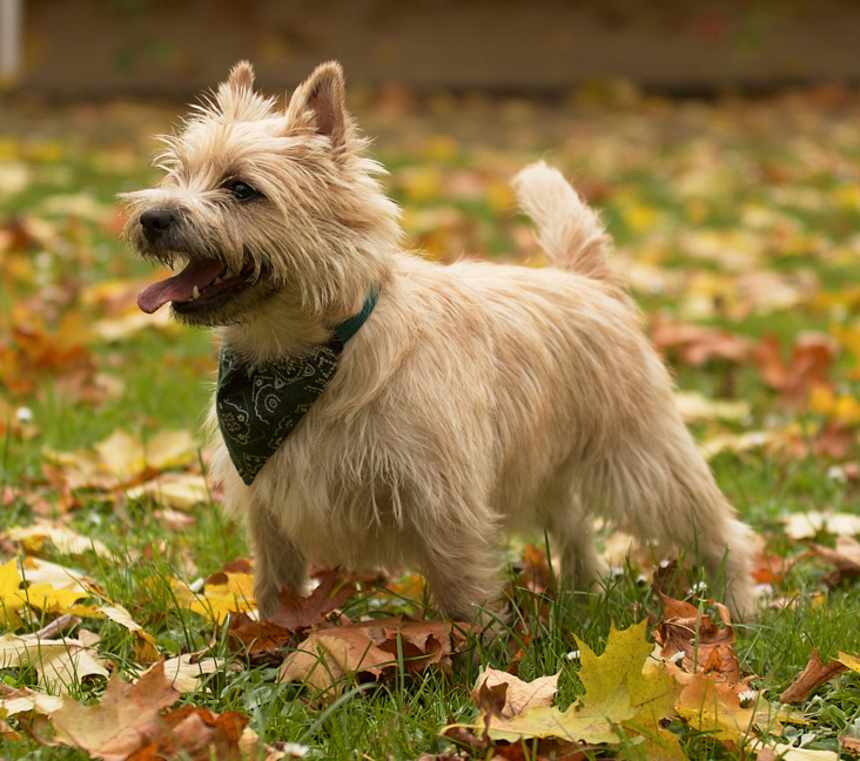
How to Stop a Terrier From Barking
The goal is not to silence every bark. The goal is to reduce unnecessary barking and teach your dog how to settle.
1. Find the Trigger
Keep a simple log for several days. Write down the time, trigger, location, and what stopped the barking.
You may discover that your dog barks most at delivery times, during school pickup, or when left alone. This information makes training more precise.
2. Prevent Rehearsal
Every barking episode gives the behavior more practice. Reduce exposure while you train.
You can:
• Close blinds during busy hours
• Move furniture away from front windows
• Use a white-noise machine
• Keep the dog away from the front door
• Supervise yard time
• Offer a quiet rest area
Management is not failure. It is like turning down the volume while you teach a new song.