How To Stop Senile Barking: Gentle Solutions
Learn how to stop senile barking with gentle, effective strategies that calm your senior dog and support restful nights.
Senile barking often improves when you treat its medical cause, reduce stress, and build a calm daily routine.
Senior dogs may bark more at night, bark at empty rooms, or seem unable to settle. This behavior is often linked to canine cognitive dysfunction, pain, hearing or vision loss, anxiety, or another health problem. Learning how to stop senile barking starts with finding the cause, not simply trying to silence the dog. This guide explains safe, practical steps that can help your dog feel calmer and help you sleep better.
What Senile Barking Means
“Senile barking” is a common term for repeated barking in an older dog. Veterinarians often use the term canine cognitive dysfunction, or CCD, when aging changes affect memory, sleep, awareness, and behavior.
A dog with CCD may act confused or forget familiar routines. Your dog may stand in a corner, stare at a wall, wander at night, have accidents indoors, or bark without a clear trigger.
Still, age-related brain changes are only one possible cause. A senior dog may bark because of:
• Pain from arthritis, dental disease, or another illness
• Hearing loss that makes normal sounds seem sudden or strange
• Vision loss that causes fear in dim rooms
• Anxiety or separation distress
• A need to go outside
• Hunger, thirst, or nausea
• Medication side effects
• Urinary disease or other conditions that increase discomfort
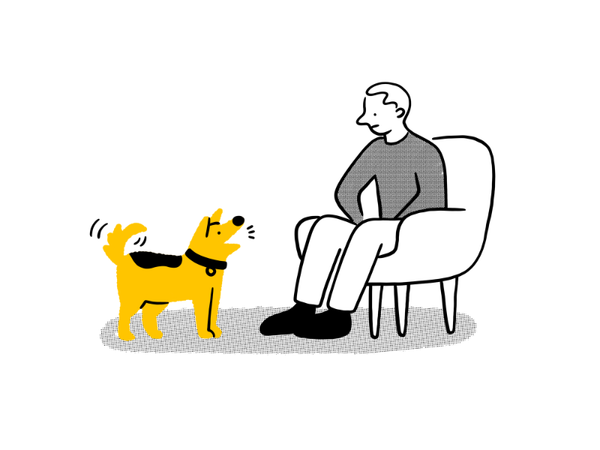
Barking is your dog’s form of communication. Think of it as an alarm bell. Before you turn off the bell, you need to learn what is setting it off.
Why Older Dogs Bark More
Aging can change how a dog processes the world. A younger dog may quickly understand that a noise came from a passing car. An older dog with poor hearing or cognitive decline may hear the same noise as a threat.
Nighttime barking is especially common. Dogs with cognitive dysfunction may sleep more during the day and feel restless at night. This creates a pattern similar to “sundowning,” a term used for increased confusion in the late afternoon or evening.
Other common reasons include:
Cognitive decline
CCD can affect a dog’s memory, learning, sleep cycle, and awareness. The dog may bark at a wall, a shadow, or nothing that you can see.
Pain and discomfort
Pain can make a dog vocal, restless, or irritable. Arthritis may hurt when the dog lies down or gets up. Dental pain, stomach problems, and urinary discomfort can also lead to barking.
Sensory loss
A dog that cannot hear you approach may startle more easily. A dog with poor eyesight may bark when furniture, lights, or shadows seem unfamiliar.
Fear and anxiety
Older dogs may become less flexible when routines change. A new pet, a move, loud weather, or being left alone can cause more vocal behavior.
Need for basic care
A senior dog may bark because it needs water, a bathroom break, help getting comfortable, or access to food. Never assume that repeated barking is simply stubbornness.
:max_bytes(150000):strip_icc()/senior-dementia-in-dogs-3385016_Final-48dce27e88d244b8bbf5f239af069f0f.jpg)
Start With a Veterinary Examination
The safest first step in learning how to stop senile barking is a veterinary visit. A physical exam can uncover problems that are easy to miss at home.
Ask your veterinarian to check:
• Teeth and gums
• Joints, muscles, and the spine
• Eyes and ears
• Blood pressure, if appropriate
• Urine and kidney function
• Thyroid health
• Liver function and blood sugar
• Current medications and supplements
• Signs of cognitive dysfunction
Your veterinarian may suggest blood work, urine testing, dental care, pain treatment, or a behavior referral. In some cases, treatment for pain or anxiety reduces barking more than any training method.
Keep a simple behavior log for several days. Write down:
• The time barking starts
• What happened before it began
• Where your dog was
• Whether food, a bathroom break, or comfort helped
• How long the barking lasted
This record can reveal patterns. For example, barking at 2 a.m. may relate to nighttime confusion, while barking after meals may point to stomach discomfort.
Do not give human pain medicine unless your veterinarian specifically directs you to do so. Many common human drugs can be dangerous or fatal to dogs.

How to Stop Senile Barking at Night
Night barking can exhaust the whole household. A steady evening routine often helps your dog understand that nighttime is for rest.
Try these steps:
-
Give your dog gentle activity during the day. A slow walk, short sniffing session, or easy food puzzle can support healthy sleep without causing exhaustion.
-
Keep naps reasonable. Senior dogs need more sleep, but sleeping all day may make nighttime rest harder.
-
Offer a bathroom break before bed. Some older dogs need more frequent trips outside.
-
Give a small meal or approved snack if hunger seems to trigger barking. Ask your veterinarian first if your dog has diabetes, kidney disease, or another diet-related condition.
-
Use a comfortable, easy-to-reach bed. An orthopedic bed may help a dog with arthritis.
-
Keep the room calm and familiar. A dim night-light may help dogs with poor vision.
-
Use steady background sound. A fan or quiet white-noise machine can soften sudden outdoor noises.
-
Respond calmly and briefly. Use a familiar phrase, guide your dog to the bed, and avoid exciting play.
-
Reward quiet moments. When your dog settles, offer gentle praise or a small treat if medically appropriate.
A common mistake is turning nighttime barking into a social event. If every bark leads to a long conversation, bright lights, or a meal, the behavior may become stronger. Your goal is to meet real needs while keeping your response calm and boring.
Use Calm Training and Environmental Support
Older dogs can still learn. Training may take more time, but gentle repetition works better than pressure.
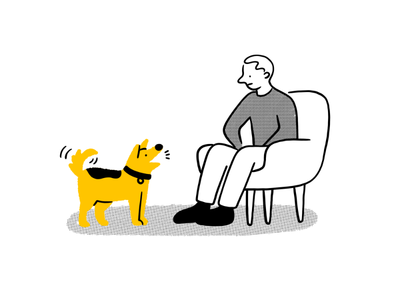
Choose one quiet cue, such as “settle” or “quiet.” When your dog pauses, say the cue softly and reward the calm moment. At first, reward even one or two seconds of silence. Slowly build toward longer quiet periods.
Never yell, hit, shake, or use a shock collar to stop barking. These methods may increase fear and confusion. They can also damage trust and make barking worse.
Helpful environmental changes include:
• Block views of animals or people outside
• Move the bed away from busy doors and windows
• Add non-slip rugs on smooth floors
• Keep furniture in the same place
• Use baby gates to prevent unsafe wandering
• Place water near the resting area
• Use ramps instead of stairs when needed
• Keep daily meals and walks at similar times
Scent can also provide comfort. A familiar blanket or shirt with your scent may help a worried dog settle. Introduce any new item slowly and remove it if your dog seems distressed.
In senior-dog behavior cases, one lesson comes up again and again: consistency matters more than intensity. Five calm minutes each day can help more than one long training session that leaves the dog confused.

Manage Barking During the Day
Daytime barking may happen when your dog sees delivery workers, hears traffic, or becomes bored. Reduce the trigger before asking your dog to control the response.
You can:
• Close curtains during busy times
• Use frosted window film on lower windows
• Move your dog to a quieter room
• Play soft background sound
• Offer a safe chew or food puzzle
• Schedule short sniff walks
• Practice calm greetings with family members
If your dog barks at people outside, do not force the dog to approach the window. Instead, calmly guide the dog away and reward attention toward you.
Mental enrichment should match your dog’s health. A senior dog may enjoy sniffing games, simple treat searches, gentle obedience practice, or slow walks. Avoid games that require jumping, fast turns, or intense physical effort unless your veterinarian approves.
The goal is not to keep your dog busy every minute. The goal is to create a day with enough movement, mental activity, rest, and comfort.

Medication and Other Treatments
Some dogs with cognitive dysfunction benefit from prescription treatment. Your veterinarian may discuss medication, diet changes, supplements, or a combination of options.
Treatment can support:
• Better sleep patterns
• Lower anxiety
• Improved attention
• Reduced confusion
• Better comfort from pain
Results vary. Some dogs improve within days, while others need several weeks or a change in treatment. Keep your veterinarian informed about changes in appetite, thirst, urination, sleep, and behavior.
Supplements are not automatically safe because they are labeled “natural.” Products may vary in quality and may interact with prescriptions. Ask your veterinarian before using melatonin, calming chews, CBD products, herbal remedies, or senior-dog supplements.
Medication should support a broader plan. It rarely solves barking by itself if the dog still has pain, poor sleep, frightening triggers, or an uncomfortable environment.

When Barking Requires Urgent Care
Some changes need prompt veterinary attention. Contact a veterinarian quickly if barking begins suddenly or comes with:
• Trouble breathing
• Collapse or severe weakness
• Repeated vomiting
• A swollen or painful abdomen
• Seizures
• Severe confusion
• Loss of balance
• Inability to urinate
• Bloody urine
• Extreme thirst or sudden appetite changes
• Signs of serious pain
A sudden behavior change is not always normal aging. It may signal illness, injury, toxin exposure, or a neurological problem.
Also seek help if your dog is awake and distressed for most of the night, cannot settle, or risks injury while pacing. Your veterinarian can help you decide whether home care, medication, a specialist, or emergency treatment is appropriate.

Mistakes to Avoid
Many owners feel frustrated by constant barking. That reaction is understandable, especially after several sleepless nights. Still, a few common responses can make the problem worse.
Avoid these mistakes:
• Punishing the dog for behavior caused by pain or confusion
• Ignoring every bark without checking basic needs
• Changing food, supplements, and medication all at once
• Using a bark collar without veterinary guidance
• Moving furniture often
• Giving attention only after loud barking
• Expecting fast results from one training session
• Assuming every senior dog has cognitive dysfunction
Instead, change one or two things at a time. Track the result for several days. This makes it easier to see what helps and gives your veterinarian useful information.
Be patient with yourself, too. Caring for a confused senior dog can be emotionally hard. Ask family members to share nighttime duties, and speak with your veterinarian if the situation is affecting your health or ability to cope.

A Simple Seven-Day Plan
A short plan can make the process feel manageable.
Days 1 and 2: Observe
Record when barking happens, what comes before it, and what stops it. Note appetite, sleep, bathroom habits, pain signs, and confusion.
Days 3 and 4: Improve comfort
Arrange a veterinary visit if one has not happened. Add a supportive bed, improve floor traction, and make water and outdoor access easier.
Days 5 and 6: Set a routine
Use regular meal, walk, rest, and bedtime schedules. Add gentle daytime enrichment and a calm evening routine.
Day 7: Review
Look for small changes. Is barking shorter? Is your dog settling faster? Does one trigger stand out? Share the notes with your veterinarian.
Progress may look modest. A dog that settles in 10 minutes instead of 40 minutes is showing meaningful improvement.
How to Stop Senile Barking: Frequently Asked Questions
Can senile barking be cured?
There is no single cure because the cause differs from dog to dog. Medical treatment, cognitive support, pain control, routine, and environmental changes can often reduce the barking.
Should I ignore my senior dog when it barks?
Do not ignore barking automatically. First check for pain, fear, thirst, a bathroom need, or confusion. Once basic needs are met, respond briefly and reward quiet behavior instead of creating a long, exciting interaction.
Why does my old dog bark at night?
Night barking may relate to canine cognitive dysfunction, poor sleep, pain, anxiety, sensory loss, or the need to urinate. A veterinary exam is important, especially when nighttime barking is new.
Do bark collars work for senior dogs?
Bark collars may suppress sound without fixing the cause. Shock and aversive collars can increase fear and distress, so reward-based training and veterinary care are safer first choices.
Can pain cause an older dog to bark?
Yes. Arthritis, dental disease, stomach problems, and other painful conditions can cause vocal behavior or restlessness. A dog may bark because it cannot get comfortable, even when no obvious injury is visible.
How long does it take to stop senile barking?
Some dogs improve within days after treatment for pain or illness. Others need several weeks of routine changes, training, and medication adjustments. Track progress and ask your veterinarian for help if barking continues.
Is senile barking always caused by dementia?
No. Cognitive dysfunction is only one possible cause. Hearing loss, vision problems, anxiety, pain, urinary disease, medication effects, and other health conditions can look similar.
Conclusion
Learning how to stop senile barking begins with compassion and careful observation. Arrange a veterinary check, look for pain or illness, support your dog’s sleep, keep the home predictable, and reward calm behavior. Avoid punishment, sudden changes, and unapproved medication.
Your dog is not trying to make life difficult. The barking may be a sign that the world feels confusing or uncomfortable. Start with one small change today, keep a simple behavior log, and work with your veterinarian to build a plan that fits your dog. Share your experience with other senior-dog owners or explore trusted veterinary behavior resources for continued support.

Pet Care Writer & Researcher
Daniel writes practical guides on daily care, feeding, and safety, turning complex topics into simple, actionable advice.