Are Ultrasonic Dog Barking Devices Legal: Laws & Tips
Are ultrasonic dog barking devices legal? Learn about local laws, safety concerns, and responsible use before buying one for your home.
Ultrasonic dog barking devices are generally legal in the United States, but local rules and humane-use limits may apply.
The answer to “are ultrasonic dog barking devices legal” depends on where you live, how you use the device, and whether it causes harm or unreasonable interference. This guide explains the main federal, state, and local issues, along with safer ways to manage barking and avoid conflict with neighbors.

Are ultrasonic dog barking devices legal in the United States?
In most parts of the United States, ultrasonic dog barking devices are legal to buy and use. No broad federal law bans ordinary consumer devices that produce high-frequency sound to discourage barking.
Still, legality is not the same as unlimited permission. A city, county, homeowners association, landlord, or state agency may have rules about animal training tools, noise, harassment, or animal welfare.
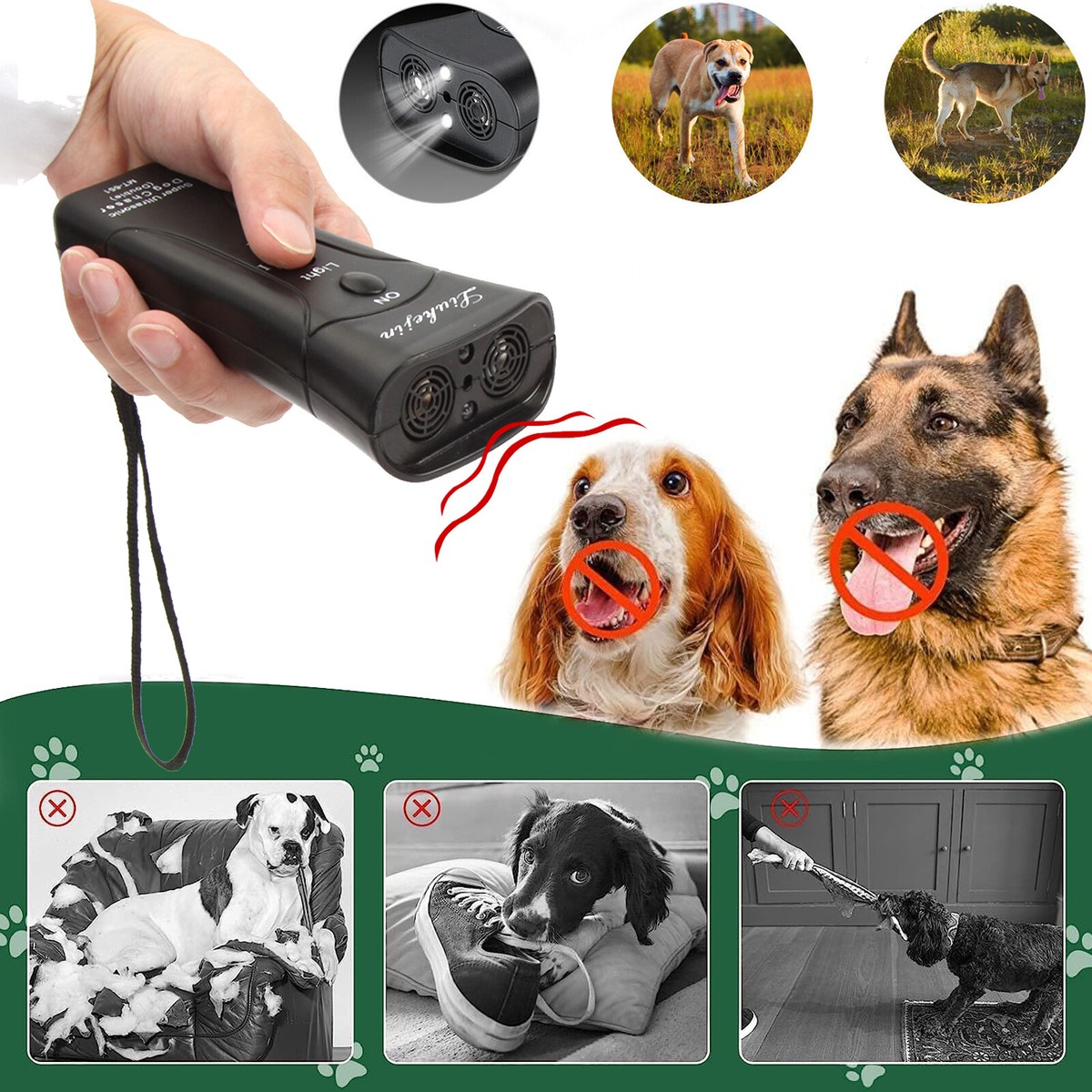
An ultrasonic bark control device usually detects a dog’s bark and sends out a high-pitched sound. Most people cannot hear the sound clearly, but dogs may notice it. The goal is to interrupt barking without using a shock or physical restraint.
When asking, “are ultrasonic dog barking devices legal,” consider three separate questions:
• Is the device itself legal to own?
• Is the device legal to use in your location?
• Is your method of use humane and reasonable?
The first answer is usually yes. The second and third answers depend on local law and the situation.
How ultrasonic dog barking devices work
Ultrasonic devices use a microphone, sensor, or remote control to produce a high-frequency tone. The tone is meant to distract the dog for a moment. It does not physically restrain the dog.
Some devices activate automatically when they detect barking. Others work by remote control. Outdoor models may be placed near a yard, while handheld models allow a person to respond to barking during walks or training.
The technology has limits. A device may react to nearby dogs, traffic, tools, or other loud sounds. Walls, trees, wind, and distance can also reduce its effect.
Research on bark control tools shows mixed results. Some dogs stop barking for a short time, while others become anxious, ignore the sound, or resume barking later. The device works best when paired with training and when the cause of barking is addressed.

Why the legality can vary by state or city
Animal control laws are often local. A federal rule may allow a product, while a city ordinance may limit how residents use it.
A local government may regulate:
• Excessive or repeated dog barking
• Animal cruelty or neglect
• Devices that cause pain or distress
• Outdoor equipment that affects neighbors
• Conduct that creates a nuisance
• Use of devices in parks, apartment buildings, or shared spaces
Some local codes focus on the result rather than the device. For example, a city may not ban ultrasonic products by name, but it may prohibit conduct that causes unreasonable distress or interferes with another person’s quiet enjoyment of their home.
Homeowners associations and rental agreements can also create additional limits. An HOA may restrict outdoor pet equipment. A landlord may prohibit certain training devices, even when state law does not.
That is why a product page cannot give the complete answer to “are ultrasonic dog barking devices legal.” You need to check the rules that apply to your property.
Federal law and ultrasonic bark control devices
There is no general federal ban on ordinary ultrasonic dog barking devices. These products usually do not transmit radio signals in the same way as a radio or wireless router.
The Federal Communications Commission may regulate electronic products that emit radio frequency energy. A simple sound-producing device may not raise the same concerns as a radio transmitter. However, products with wireless features, remote controls, or other transmitters may need to meet applicable technical standards.
Federal animal welfare laws usually focus on animals used in research, exhibition, transport, or commercial activities. They do not generally create a nationwide rule for a homeowner using an ultrasonic bark device on a household dog.
The safest approach is simple:
-
Buy from a reputable seller.
-
Read the product instructions.
-
Avoid modified or unusually powerful equipment.
-
Stop using the device if the dog shows fear or distress.
-
Check local animal control and nuisance rules.

Are ultrasonic dog barking devices legal under animal cruelty laws?
Usually, yes, when used briefly and carefully. The legal risk increases if a person uses the device to frighten, torment, or punish an animal for long periods.
Animal cruelty laws differ across the country. Many prohibit unjustified suffering, neglect, or conduct that causes serious distress. Even if an ultrasonic device does not touch the dog, repeated exposure could become a concern if it causes clear fear or behavioral harm.
Watch for signs that the device is not suitable for your dog:
• Hiding or trying to escape
• Shaking or crouching
• Excessive panting
• Pacing
• Loss of appetite
• Sudden fear of the yard
• Increased aggression
• Confusion or unusual withdrawal
Veterinary and animal behavior professionals generally recommend reward-based training. The American Veterinary Society of Animal Behavior has emphasized humane, positive methods over fear-based punishment.
An ultrasonic device should act like a gentle interruption, not an invisible alarm that follows the dog all day.
Can a neighbor legally use an ultrasonic device on your dog?
Often, a neighbor may use a legal product on their own property. That does not give them unlimited authority over your dog or your home.
Problems may arise if the neighbor:
• Aims the device into your house
• Uses it constantly or aggressively
• Enters your property to operate it
• Uses it to harass you
• Causes your dog significant distress
• Violates a local nuisance or animal welfare rule
Ultrasonic sound can travel across property lines, especially in open yards. Because many adults cannot hear it, a dispute can be difficult to prove. Your dog’s behavior, a device inspection, witness statements, and a record of dates and times may help explain what is happening.
Start with a calm conversation if it feels safe. Ask what device the person uses and explain what you have observed. If the problem continues, contact animal control, your property manager, HOA, or local code enforcement.
Do not damage or take the other person’s device. That can create a separate legal problem.

Are ultrasonic dog barking devices legal for training?
Ultrasonic devices are generally legal for dog training, but legal use does not guarantee good training results. A dog may stop barking because it feels uncertain, not because it understands what behavior you want.
A better training plan combines interruption with a clear alternative:
-
Identify the trigger, such as squirrels, visitors, boredom, or fear.
-
Interrupt the barking briefly.
-
Call the dog away from the trigger.
-
Reward quiet behavior.
-
Repeat the process in short sessions.
For example, if your dog barks at people walking past the window, close the blinds and reward the dog for looking at you. Later, practice with controlled exposure at a safe distance.
Never use the device as a substitute for exercise, social contact, veterinary care, or behavior support. Barking may point to pain, anxiety, separation distress, or an unsafe environment.
A practical lesson from real-world use is that automatic devices often fail when owners do not address the reason for barking. They may reduce noise for a while, but the same trigger returns later.
Are ultrasonic dog barking devices effective?
Effectiveness varies from dog to dog. Some dogs respond to the high-frequency tone within seconds. Others show little reaction, especially if they are highly excited or if the device is too far away.
Several factors affect performance:
• The dog’s hearing and age
• The device’s range
• Outdoor obstacles
• Wind and weather
• The barking trigger
• The dog’s stress level
• The quality of the sensor
Many dogs learn to ignore a repeated sound. Some may also bark more if the tone increases their anxiety.
A device should never be your only solution. Exercise, enrichment, quiet training, proper fencing, and help from a certified behavior professional often produce better long-term results.
If barking starts suddenly, consult a veterinarian. Hearing loss, pain, cognitive changes, and illness can affect vocal behavior.
How to check whether an ultrasonic bark device is legal
Before buying or using one, follow this checklist:
• Search your city or county code for animal control, nuisance barking, and animal cruelty rules.
• Contact local animal control and ask whether ultrasonic bark devices are restricted.
• Review your HOA rules, lease, or community handbook.
• Check whether your state has special rules for electronic training devices.
• Read the product manual for distance, placement, and safety instructions.
• Ask a veterinarian or certified behavior consultant about your dog’s response.
Use exact terms when contacting an official. Ask whether “ultrasonic bark control devices,” “anti-barking devices,” or “remote pet training devices” are restricted.
Keep a written record of the answer, including the office, date, and rule cited. Local enforcement policies can change, and a phone conversation may not provide the same protection as reading the current ordinance.
Safer and more humane alternatives
If you are unsure whether ultrasonic dog barking devices are legal in your area, start with methods that rarely create legal concern.
Useful alternatives include:
• More daily exercise and sniffing time
• Food puzzles and chew toys
• Rewarding quiet behavior
• Blocking visual triggers
• Teaching “quiet” with treats
• Using white noise indoors
• Bringing an outdoor dog inside during busy periods
• Treating separation anxiety with professional help
• Improving fencing and yard supervision
Avoid shouting. To many dogs, yelling sounds like more barking. It can increase excitement and make the problem worse.
Shock collars and other aversive tools may also face stricter rules in some locations. Their use can create welfare concerns and may damage trust between a dog and owner.
If basic training fails, look for a certified professional who uses reward-based methods. A good trainer should explain the plan, identify the trigger, and show you how to measure progress.

What to do if an ultrasonic device harms or frightens your dog
First, move your dog away from the suspected sound. Take the dog indoors or to a quiet area and observe behavior without adding more stress.
Next, document what you see:
• Date and time
• Location
• Distance from the device
• Your dog’s behavior
• Any physical symptoms
• Names of witnesses
• Photos or video, when safe and lawful
If symptoms continue, contact a veterinarian. A veterinarian can rule out illness and document signs of anxiety or distress.
If you believe another person is deliberately targeting your dog, avoid confrontation. Contact animal control, local code enforcement, your landlord, or law enforcement when there is a credible threat.
Evidence matters. A calm record is usually more useful than an angry argument.
Frequently asked questions about are ultrasonic dog barking devices legal
Are ultrasonic dog barking devices legal everywhere in the United States?
No single answer covers every location. They are generally legal under federal law, but state, county, city, HOA, and rental rules may impose additional limits.
Can an ultrasonic bark device be considered animal cruelty?
It can create legal concerns if someone uses it to cause severe or prolonged distress. Stop using the device if your dog shows fear, panic, or other troubling changes, and seek veterinary or behavior advice.
Can I use an ultrasonic device on my neighbor’s dog?
That depends on local law and the circumstances. Even when the product is legal, aiming it at another property or using it to harass an animal may lead to nuisance, trespass, or other complaints.
Do ultrasonic dog barking devices hurt dogs?
They are designed to produce sound rather than physical pain, but some dogs may experience fear, stress, or discomfort. Dogs differ in hearing and sensitivity, so watch behavior closely and stop use if the response is negative.
Do ultrasonic bark devices work on every dog?
No. Some dogs respond quickly, while others ignore the tone or become more anxious. Training, exercise, trigger control, and professional behavior support are often needed for lasting results.
Should I check local law before buying an ultrasonic bark device?
Yes. Contact local animal control or code enforcement and review your lease or HOA rules. This is the most reliable way to learn whether ultrasonic dog barking devices are legal where you live.
Conclusion
So, are ultrasonic dog barking devices legal? In most of the United States, ownership and ordinary use are allowed. However, local ordinances, private property rules, nuisance laws, and animal welfare standards can change the answer.
Use the device briefly, monitor your dog, and combine it with reward-based training. Check local rules before installation, especially if the device can affect nearby homes. For a lasting solution, focus on the cause of barking rather than only stopping the sound.
Take a few minutes to review your local code and speak with a qualified trainer or veterinarian if needed. An informed, humane choice protects your dog, your neighbors, and your peace of mind.

Pet Care Writer & Researcher
Daniel writes practical guides on daily care, feeding, and safety, turning complex topics into simple, actionable advice.