Why Does My Dog Randomly Bark: Common Causes Explained
Why does my dog randomly bark? Learn the common triggers and practical ways to reduce sudden barking and help your dog feel calm.
Dogs randomly bark to communicate needs, react to hidden triggers, release stress, or signal fear, pain, or excitement.
If you are asking, “why does my dog randomly bark,” you are not alone. Dogs rarely bark without a reason, even when that reason is hard for us to notice. A careful look at timing, body language, health, and surroundings can turn a confusing habit into a clear message.
Why Does My Dog Randomly Bark?
Dogs bark because barking is one of their main ways to communicate. It can mean, “Someone is here,” “I feel worried,” “Play with me,” or “Something hurts.” The bark may seem random only because the trigger is quiet, distant, or outside your view.
A dog may hear a person, animal, car, or high-pitched sound before you do. Dogs have sharper hearing than humans, so a bark at an empty window may follow a sound several houses away.
Other dogs bark because they have learned that barking works. If barking earns attention, food, a toy, or access to the yard, the behavior may grow stronger over time.

Common Reasons Dogs Bark Suddenly
Understanding the cause is the first step toward changing the behavior. The same bark can have different meanings based on your dog’s posture, tone, and setting.
Alert barking
Alert barking happens when your dog notices a possible change in the environment. Common triggers include:
• A delivery person at the door
• Footsteps outside
• A bird near the window
• A car pulling into the driveway
• A new smell in the home
• A noise from a neighboring apartment
Alert barking often comes in short, sharp bursts. Your dog may stand tall, point the ears forward, and stare toward the trigger.
Fear or anxiety
Fear is a common answer to why does my dog randomly bark. A dog may bark at thunderstorms, fireworks, strangers, other dogs, or unfamiliar places.
Fear barking often comes with other signs:
• A tucked tail
• Pinned-back ears
• Lip licking
• Trembling
• Hiding
• Pacing
• A low body posture
Do not punish fear barking. Punishment may make your dog feel less safe and can increase the chance of defensive behavior.
Excitement
Some dogs bark when they see a leash, favorite toy, food bowl, or familiar person. Excitement barking can happen during play or before a walk.
The bark may sound high-pitched and fast. Your dog may jump, spin, wag the tail, or run from one spot to another.
Frustration
A dog may bark when it wants something but cannot reach it. This can happen when your dog sees another dog through a fence, watches squirrels from a window, or waits for you to open a door.
Frustration barking often becomes louder when the desired object remains out of reach. It can look like a child asking for a toy again and again.
Attention seeking
Dogs quickly learn which actions get a response. If you speak, look at your dog, or move toward the bowl after barking, your dog may decide that barking is an effective tool.
Even negative attention can reinforce barking. Saying “quiet” loudly may still feel like a reward because your dog receives interaction.
Boredom and excess energy
A bored dog may bark at small sounds, moving shadows, or nothing that seems important. Dogs need physical exercise, mental work, social contact, and rest.
A short walk may not meet the needs of a young or active dog. Sniffing games, training sessions, food puzzles, and safe play can help reduce boredom-based barking.
Pain or illness
A sudden change in barking can point to a health problem. Pain, hearing loss, vision loss, confusion, and other medical issues may affect vocal behavior.
Watch for changes such as:
• Barking at night
• Restlessness
• Trouble climbing stairs
• Changes in appetite
• Increased thirst
• Whining or panting
• Sensitivity to touch
• Confusion in familiar places
If the behavior starts suddenly or comes with other symptoms, schedule a veterinary exam.
How to Read Your Dog’s Bark
The sound alone does not tell the whole story. Think of the bark as one line in a larger conversation.
A low, steady bark may signal concern or a warning. A high, rapid bark may show excitement, frustration, or fear. A single bark may be an alert, while repeated barking may mean the trigger remains present or your dog feels unable to cope.
Look at the whole body:
• Relaxed body and loose tail: Your dog may be curious or excited.
• Stiff body and fixed stare: Your dog may feel threatened or alert.
• Crouched body and tucked tail: Fear is more likely.
• Jumping and spinning: Excitement or frustration may be involved.
• Pacing and panting: Stress, pain, or discomfort may be present.
Keep a simple bark diary for one week. Record the time, location, sound, body language, what happened before the bark, and how you responded.
This method often reveals a pattern. A dog that seems to bark randomly may bark each day when the school bus arrives, a neighbor opens a door, or the household becomes quiet at night.

Why Dogs Bark at Night
Night barking can feel especially strange because the home seems still. Yet darkness can make some dogs more alert and less confident.
Your dog may hear outdoor animals, distant traffic, heating systems, plumbing, or neighbors moving around. A dog with poor vision may also feel less secure at night.
Night barking can result from:
• Outdoor sounds
• Separation distress
• A need to go outside
• Pain or digestive discomfort
• Age-related confusion
• A change in sleep routine
• Too little activity during the day
Older dogs deserve special attention. Canine cognitive decline may cause nighttime pacing, confusion, staring, and vocalizing. A veterinarian can check for this and rule out other medical causes.
Avoid shouting from another room. Your voice may confirm that something important is happening. Instead, calmly check for a real need, reduce outside noise, and keep the nighttime routine predictable.

Why Does My Dog Randomly Bark at Nothing?
Dogs do not usually bark at “nothing.” They may react to a sound, scent, movement, or visual detail that humans miss.
For example, a dog may hear a mouse in the wall or smell an animal near the fence. A reflection, flickering light, or moving shadow can also trigger barking.
Sometimes the trigger has already disappeared by the time you look. This makes the bark seem random, but your dog may have noticed a real event.
Still, repeated barking at empty spaces can have a medical cause. Vision changes, hearing changes, pain, and confusion should be considered, especially in senior dogs or dogs with a sudden behavior change.

How to Stop Random Barking
The best way to stop random barking is to identify the cause and teach a better response. There is no single solution for every dog.
1. Find the trigger
Start by asking:
• What happened just before the bark?
• Where was my dog looking?
• Was anyone entering or leaving?
• Did the bark occur after exercise, food, or sleep?
• Did my dog show fear, excitement, or stiffness?
Use a phone recording if the barking happens when you are away. This can help reveal whether your dog barks at windows, outside sounds, or separation.
2. Reduce easy triggers
Block your dog’s view of busy windows with curtains or removable film. Use a fan, white noise machine, or calm music to soften outdoor sounds.
Move your dog’s resting area away from the front door if visitors trigger barking. During busy times, offer a stuffed food toy in a quiet room.
3. Teach a calm alternative
Teach a cue such as “place,” “look,” or “settle.” Begin in a quiet room. Reward your dog for lying down or looking at you calmly.
Then practice with mild distractions. Increase the challenge slowly. If your dog starts barking repeatedly, the step is too difficult.
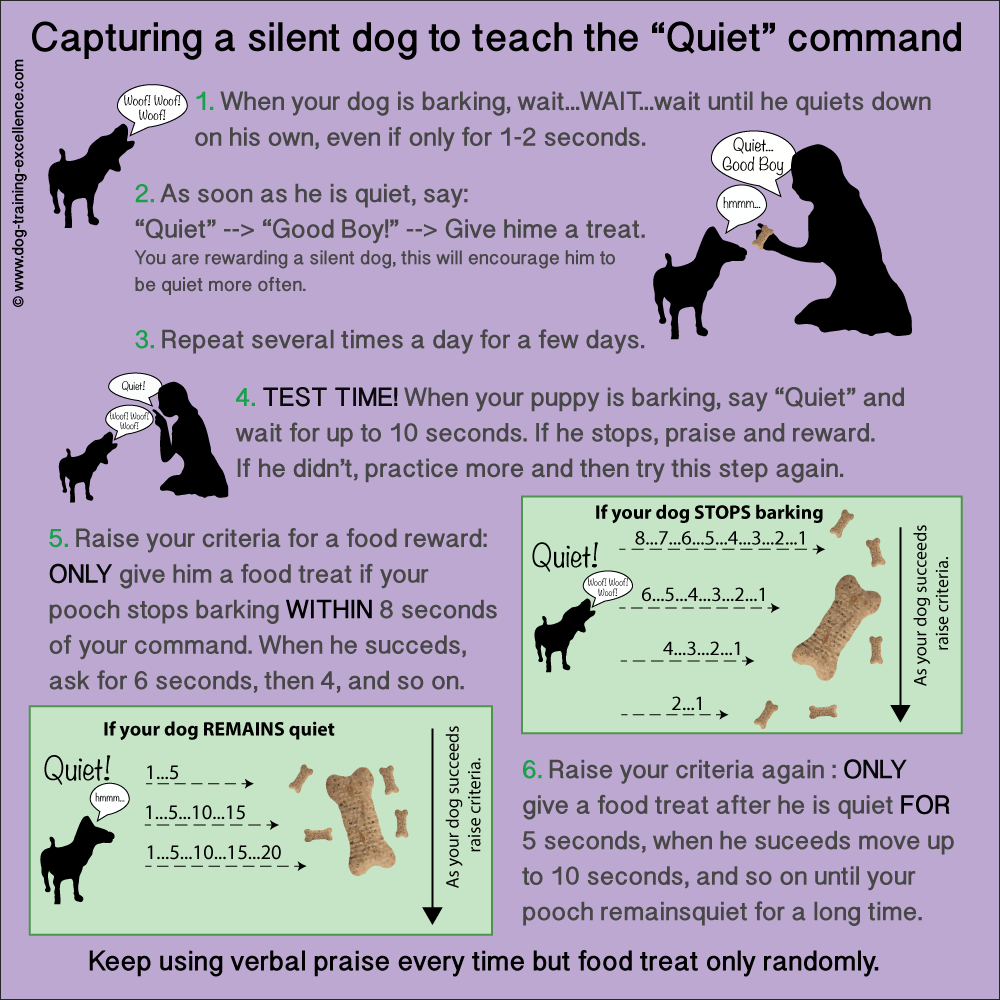
4. Reward quiet behavior
Wait for a brief pause in barking, then calmly offer praise or a treat. Over time, extend the quiet period before rewarding.
Do not wait for perfect silence at first. One or two quiet seconds can be the starting point.
5. Increase healthy activity
Exercise can reduce barking linked to boredom, but physical activity is only part of the plan. Add brain work, too.
Try:
• Sniff walks
• Treat searches
• Puzzle feeders
• Short obedience sessions
• Safe tug games
• Food-stuffed toys
• Calm social time
Mental work can tire a dog without overstimulating the body.
6. Avoid punishment
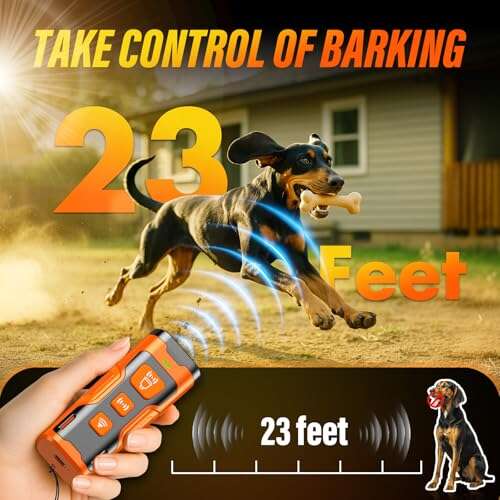
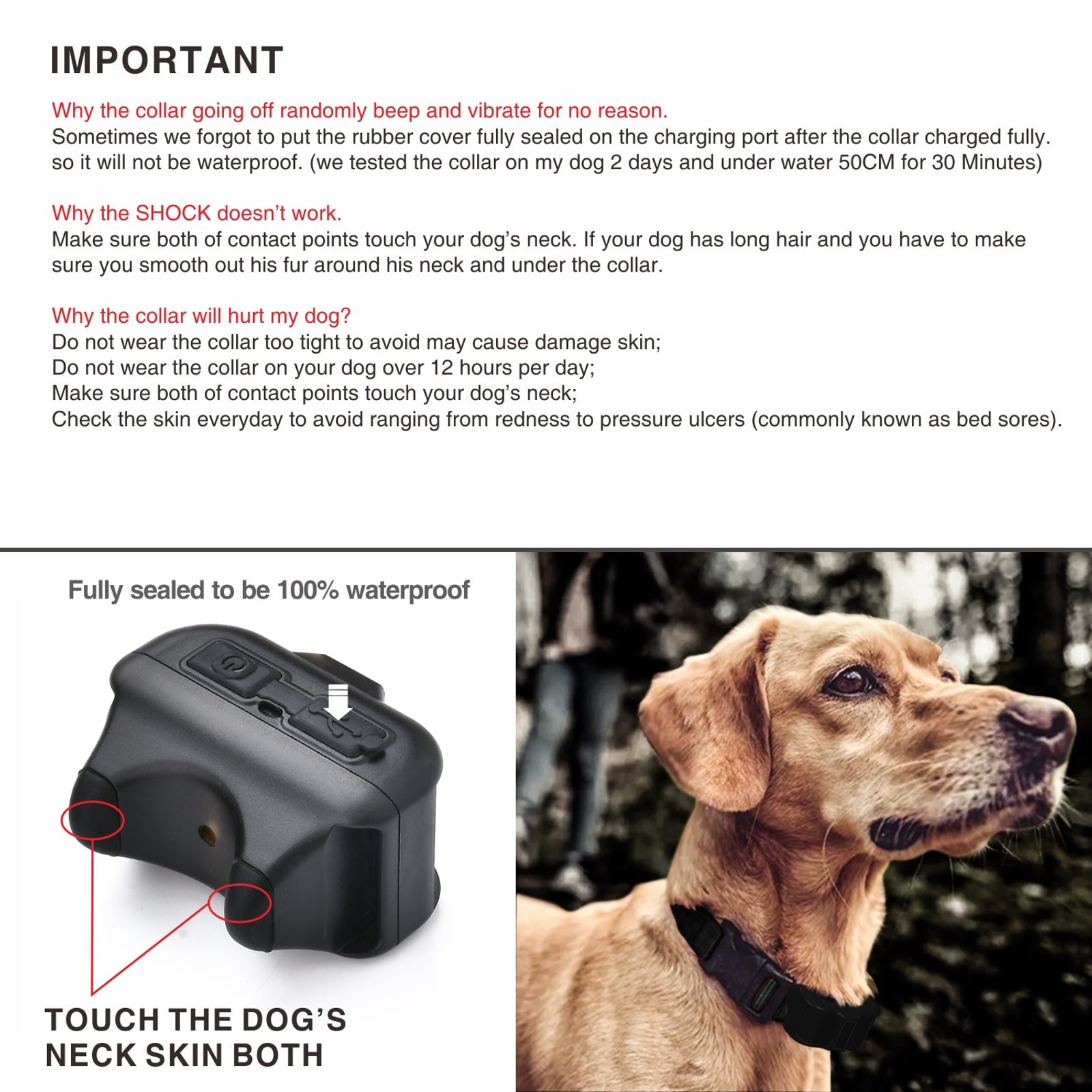
Shock collars, yelling, and harsh corrections may stop a bark for a moment, but they do not teach your dog what to do instead. They can also increase fear and stress.
Reward-based training is safer and more useful for long-term behavior change. A qualified trainer or veterinary behavior professional can create a plan for difficult cases.

Mistakes That Can Make Barking Worse
Many caring owners accidentally reward barking. This is common because barking is loud, stressful, and hard to ignore.
One mistake is giving attention during the bark. Talking, touching, opening the door, or handing over a toy may teach your dog to bark again.
Another mistake is changing the rules. If barking at the window is allowed some days but punished on others, your dog receives a confusing message. Consistency helps your dog learn faster.
A third mistake is expecting training to work during a major trigger. A dog that cannot respond to its name while facing a squirrel needs more distance and an easier step.
In cases I have reviewed, the most useful change is often simple: owners begin recording what happens before the bark. The pattern becomes clearer, and the training plan becomes much more practical.

When to Call a Veterinarian or Behavior Expert
Contact your veterinarian if barking is sudden, severe, or paired with physical or emotional changes. Medical problems can look like training problems.
Seek prompt help if your dog:
• Shows pain or unusual sensitivity
• Becomes aggressive without a clear cause
• Barks through the night
• Seems confused or lost
• Stops eating or drinking normally
• Has trouble walking or seeing
• Develops intense fear
• Injures itself while trying to escape
A veterinary behaviorist can assess medical and emotional factors together. A certified reward-based trainer can help with common triggers, home routines, and skill building.
Be cautious with anyone who promises a quick fix or relies mainly on fear and punishment. Behavior change usually takes time, repetition, and careful management.

A Simple Seven-Day Barking Plan
Use this plan to collect information and begin gentle training.
- Record each barking event, including the time and trigger.
- Note your dog’s body language and emotional state.
- Remove or reduce the easiest triggers.
- Add one daily sniff walk or food puzzle.
- Practice a calm cue for three to five minutes.
- Reward quiet behavior before barking begins.
- Review the notes and adjust the plan.
Do not aim for zero barking. Barking is normal dog behavior. The goal is to reduce excessive barking and help your dog respond calmly when it matters.
Progress may come in small steps. A dog that barked for ten minutes and now stops after two minutes is improving, even if the change feels slow.
Frequently Asked Questions About Why Does My Dog Randomly Bark
Why does my dog randomly bark at night?
Your dog may hear outdoor sounds, feel anxious, need to go outside, or experience pain or age-related confusion. A sudden change in nighttime barking deserves a veterinary check.
Why does my dog bark at nothing?
Your dog may hear, smell, or see something that you cannot detect. If the barking is new or comes with confusion, pacing, or other symptoms, ask a veterinarian to rule out a health problem.
Should I ignore my dog when it barks?
Ignoring barking can help when the barking seeks attention, but it is not right for fear, pain, or urgent needs. First identify the cause, then reward calm behavior and meet legitimate needs.
Do bark collars stop random barking?
Bark collars may suppress sound without addressing fear, boredom, pain, or frustration. Some devices can increase stress, so reward-based training and professional guidance are safer starting points.
How can I tell if my dog’s barking is caused by anxiety?
Anxiety often appears with pacing, trembling, panting, hiding, lip licking, destruction, or attempts to escape. A veterinary professional can help separate anxiety from pain, illness, and normal alert behavior.
Can exercise stop my dog from barking?
Exercise may reduce barking caused by boredom or excess energy, especially when paired with sniffing and mental games. It will not solve every cause, such as pain, fear, territorial behavior, or separation distress.
Conclusion
The answer to “why does my dog randomly bark” usually involves a trigger, emotion, habit, or health concern. Your dog may hear something you miss, feel unsure, want attention, or struggle with discomfort.
Watch the timing, listen to the tone, and study the body language. Record patterns, reward calm choices, reduce triggers, and avoid punishment. If the behavior is sudden, intense, or linked with other symptoms, involve your veterinarian.
Start with one small change today, such as closing the busy window or rewarding a quiet pause. For more helpful dog behavior tips, explore trusted training resources, speak with a qualified professional, or share your experience in the comments.