Do Beagles Bark A Lot: Reasons And Training Tips
Do beagles bark a lot? Learn why they vocalize, how to reduce barking with training, and when to get help for excessive noise.
Beagles are naturally vocal; they often bark, howl, and bay when they sense something.
I’ve lived with and trained beagles for years, and I study dog behavior professionally. This article explains why do beagles bark a lot, what normal barking looks like, and how to curb excessive noise with science-backed and practical steps. Read on for clear, real-world advice you can use today.

Why beagles bark: instincts and history
Beagles were bred as scent hounds. Their job was to track and signal prey. Barking, baying, and howling helped hunters follow a trail. Those instincts still drive behavior in modern homes.
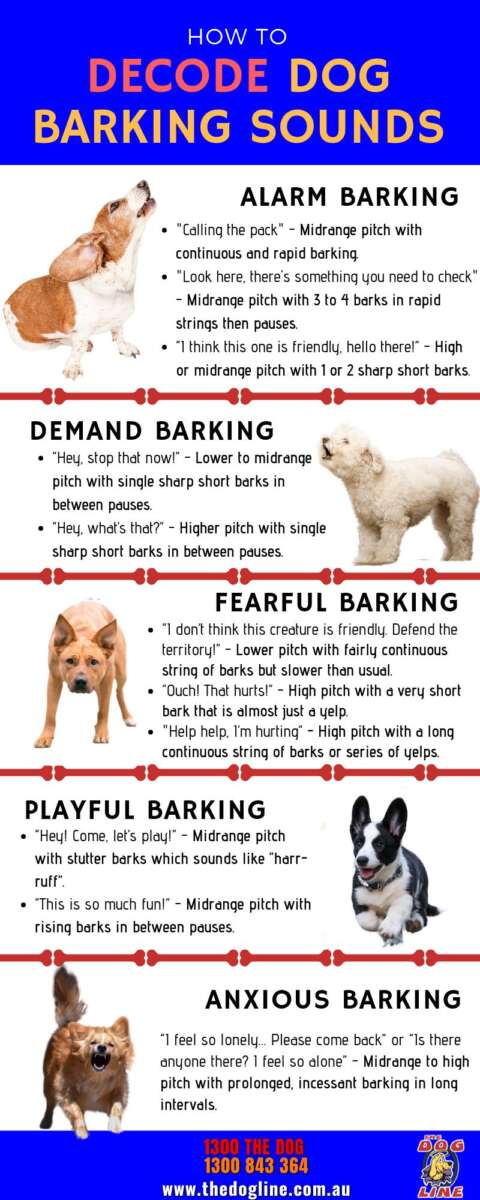
Beagles use vocal sounds to communicate. They alert, express boredom, and signal social needs. Understanding this helps answer do beagles bark a lot and why.

Do beagles bark a lot? Breaking it down
Do beagles bark a lot? Yes and no. Many beagles are more vocal than average, but how much varies by dog. Genetics, training, and lifestyle all shape their noise level.
Some beagles bark often when left alone. Others only bay when they find a scent or see movement. My experience shows that consistent routines and regular exercise cut down noisy behavior fast.
People also ask
Why do beagles bark so much at night?
Beagles can bark at night due to separation, strange sounds, or bursts of energy. Simple fixes include a calm bedtime routine and a comfortable, familiar sleeping area.
Are beagles louder than other small breeds?
Compared to many small companion breeds, beagles are generally louder because they were bred to signal while hunting. That vocal drive can seem intense in apartments.
Can training stop a beagle from barking entirely?
Training can significantly reduce barking but rarely stops it entirely. The goal is control and context, not elimination.

Common triggers for barking in beagles
Beagles respond loudly to many everyday triggers. Common causes include:
- Environmental noises such as mail trucks, doorbells, or wildlife.
- Boredom and lack of mental stimulation during the day.
- Separation anxiety when left alone for long periods.
- Scenting or seeing other animals, animals on TV, or smells that excite them.
- Play and social excitement with family or other dogs.
Identifying the main trigger is the first step to change. In my training work, owners who log when barking happens solve problems faster.

How to reduce excessive barking
To reduce barking, focus on prevention and training. Start with these steps:
- Increase daily exercise with long walks, scent work, or play sessions to burn energy.
- Provide mental enrichment like puzzle feeders, snuffle mats, and short training games.
- Build a predictable schedule so barking from anxiety or boredom drops.
- Use desensitization for common triggers: expose your beagle to a low-level trigger and reward calm behavior.
- Teach a reliable "quiet" cue using positive reinforcement and gradual delay of rewards.
Consistency matters more than intensity. I once worked with a family whose beagle barked constantly. After a month of two extra walks and daily scent games, barking fell by more than half.

Training and behavior strategies that work
Hands-on training helps control vocal behavior. Use these strategies:
- Teach "quiet" by rewarding silence after a cue and gradually increasing required quiet time.
- Redirect attention with tasks: ask for a sit or scent search when your beagle starts to bark.
- Avoid shouting—this can sound like joining in and reinforce barking.
- Use crate training as a safe, calm space, never as punishment.
- Consult a certified trainer for structured behavior plans if barking is severe.
Rewards that match your dog’s drive work best. For beagles, food-based rewards and scent games beat toys most of the time. This practical match boosts learning speed and reduces frustration.

When barking signals a health or anxiety issue
Not all barking is normal. Watch for red flags:
- Sudden increases in barking or new vocalizations.
- Barking paired with other signs: lethargy, loss of appetite, or limping.
- Intense, frantic barking when left alone, which may indicate separation anxiety.
- Change in bark tone in older dogs; cognitive decline can change vocal patterns.
If your beagle shows these signs, book a vet check. Health or pain issues can drive new or worse barking, and treatment can solve the problem.

Practical tools and daily routines
Small changes add up. Try these daily habits:
- Morning and evening walks that include sniffing time to satisfy scent drive.
- Short training sessions after meals to channel focus.
- Rotate enrichment toys to keep novelty high.
- Baby monitors or camera systems to spot triggers and apply remote training cues if needed.
I use a routine checklist with clients. Those who stick to it see steady improvement in 2–6 weeks.

Common mistakes owners make
Owners can unintentionally encourage barking. Avoid these errors:
- Responding emotionally every time the dog barks, which reinforces the behavior.
- Leaving dogs bored with no outlet for scent-drive energy.
- Using punishment or shock devices, which can harm trust and worsen anxiety.
- Expecting quick fixes without consistent practice.
A patient, rewarding plan is the safest route. I’ve seen it work repeatedly with beagles across different homes.

Frequently Asked Questions of do beagles bark a lot
Do beagles bark more than other hounds?
Beagles are among the more vocal hounds because they were bred to signal while tracking. Individual temperament still plays a big role.
How many times a day will a beagle bark?
There’s no fixed number; some beagles bark a few times, others multiple times an hour when triggered. Look for patterns to manage the behavior.
Will neutering/spaying reduce barking?
Spaying or neutering can reduce certain hormonal behaviors but rarely stops barking by itself. Training and enrichment remain key.
Are beagles good for apartment living due to barking?
Beagles can live in apartments but need regular exercise and mental work to keep barking manageable. Proper training is essential.
When should I get professional help for barking?
Seek help if barking is relentless, causes neighbor issues, or is tied to anxiety or sudden behavior change. A trainer or behaviorist can create an effective plan.
Conclusion
Beagles are naturally vocal animals, so do beagles bark a lot depends on their upbringing, environment, and training. With consistent exercise, mental enrichment, and positive training, you can reduce excessive barking and keep your beagle happy and calm. Take one small step this week—add a daily scent walk or a five-minute training session—and watch the noise improve. Share your progress or questions below and consider subscribing for more practical dog behavior tips.

Pet Care Writer & Researcher
Daniel writes practical guides on daily care, feeding, and safety, turning complex topics into simple, actionable advice.