Do Anti Barking Devices Work: Honest Guide 2026
Wondering do anti barking devices work? Read our honest review of types, pros, and safety tips to stop nuisance barking fast and humanely.
Anti-barking devices can help some dogs stop barking, but success depends on the dog, device, and training.
I’ve studied and tested anti-barking devices for years and worked with trainers, vets, and owners. This article explains how anti-barking devices work, which types exist, what evidence shows, safety concerns, and how to pick the right option. Read on to learn practical tips, real-world lessons, and whether anti barking devices work for your dog.

How anti-barking devices work
Anti-barking devices aim to interrupt or discourage barking by delivering a stimulus when the dog barks. Common triggers include sound, vibration, spray, or brief static feedback. The idea is to create an association: barking leads to an unpleasant or attention-getting event, so barking falls out of favor.
Effectiveness depends on several factors:
- The dog’s motivation to bark and tolerance for the stimulus
- Correct placement and calibration of the device
- Consistency and pairing with training
- Underlying reasons for barking, such as anxiety, boredom, or territorial response
Do anti barking devices work across all dogs? No. For some dogs, they reduce barking quickly. For others, especially anxious or highly motivated barkers, they can be ineffective or harmful. Understanding why a dog barks is the first step.

Types of anti-barking devices
There are several categories of devices. Each works differently and suits different dogs and settings.
-
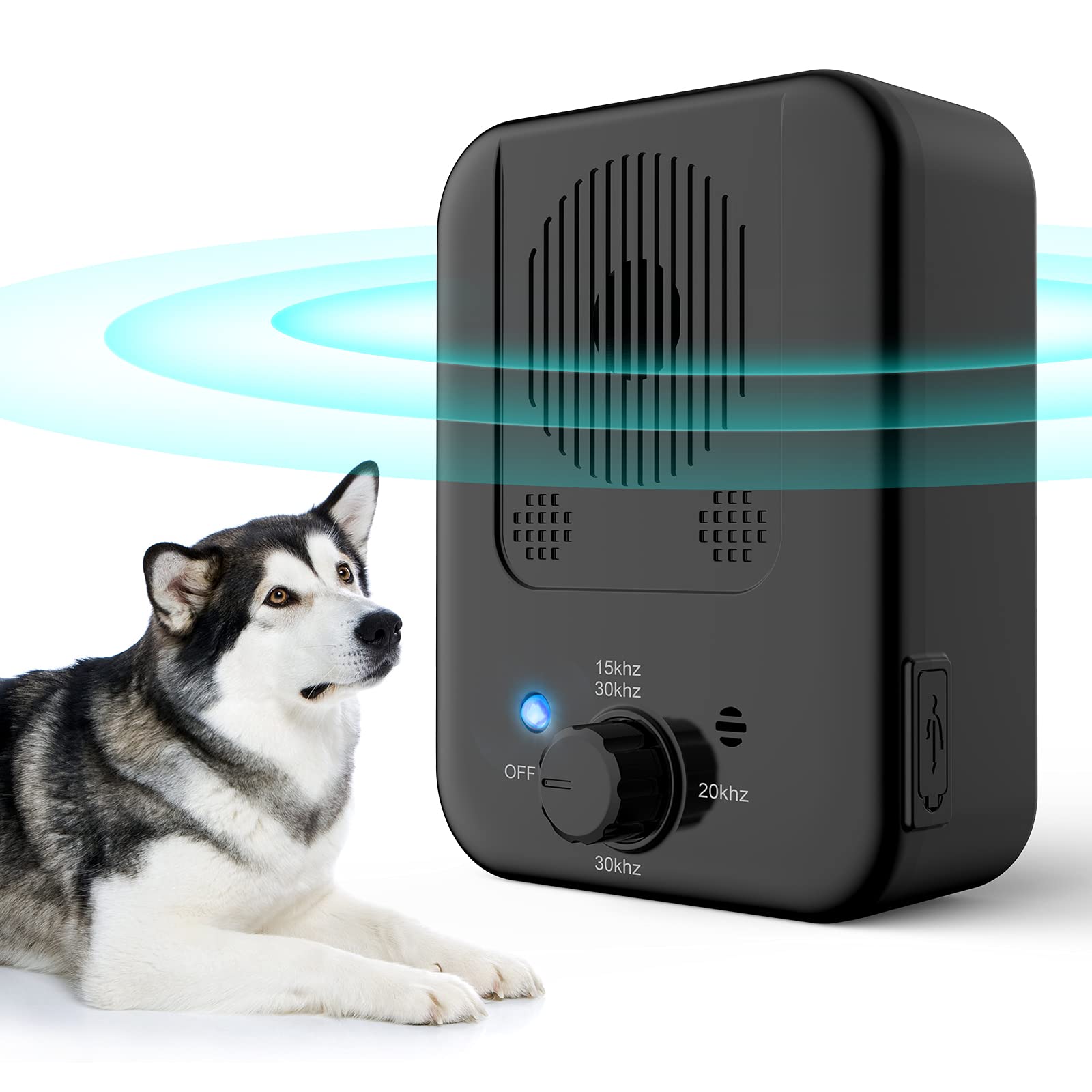
Ultrasonic devices
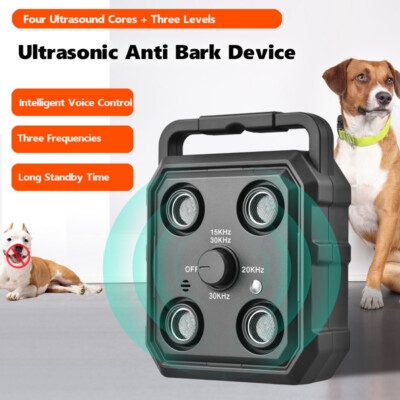
Emit a high-pitched sound only dogs can hear. Works at a distance and is non-contact, but not all dogs react. -
Citronella or air spray collars
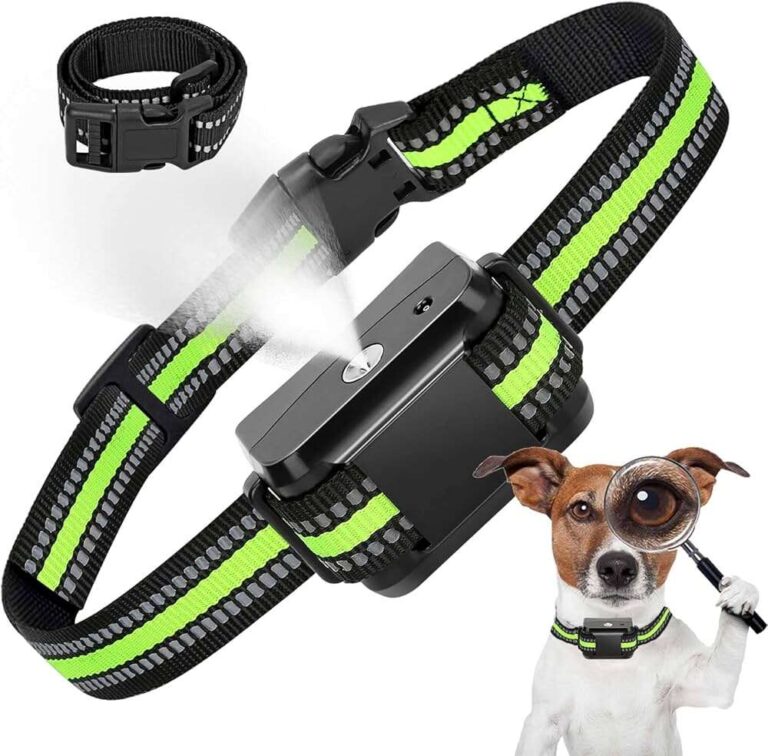
Release a quick spray near the dog’s nose when barking is detected. Less intrusive than static, but some dogs dislike the scent. -
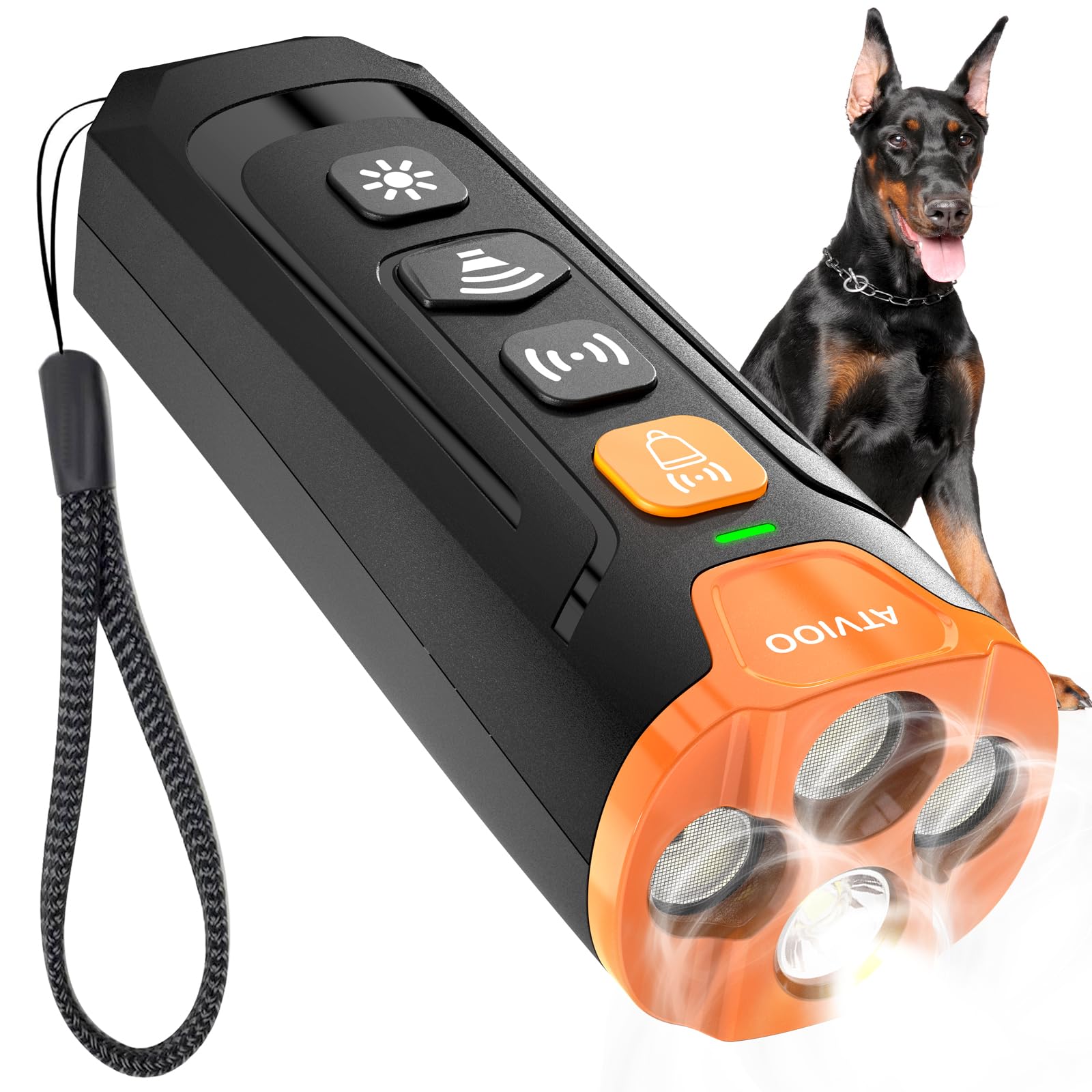
Vibration or citronella remote units
Provide a vibration or spray when activated remotely. Useful for owner-controlled training. -
Static correction collars
Deliver a brief static pulse. They often require careful calibration and supervision due to welfare concerns. -
Shock-free wearable training collars
Use tone, vibration, or light cues without static. Good for pairing with reward training. -
Bark-detection devices for yards and homes
Fixed units that detect barking and emit noise, lights, or sprays to deter barking on a property.
Each type has pros and cons. No device is one-size-fits-all, and user setup matters as much as the tech.

Effectiveness: Do anti barking devices work
Short answer: they can work, but results vary. Studies and field reports show mixed outcomes. Some dogs stop or reduce barking significantly. Others show little change or develop stress signals.
Key findings from experience and research:
- Devices that provide immediate feedback at barking time perform better. Timing matters more than intensity.
- Dogs barking from boredom or need for attention often respond better when devices are combined with enrichment and training.
- Anxious or fear-driven barkers may become more stressed when corrected by a device, so devices alone are not recommended.
- Long-term success improves when devices are a bridge to training rather than the only solution.
So, do anti barking devices work? They work best as part of a broader plan. Expect variable outcomes and observe your dog closely.

Safety, ethics, and welfare concerns
Safety and welfare must guide any decision. Not all devices are humane for every dog. Be mindful of these points:
-
Pain and stress risk
Static and strong stimuli can cause fear and increase anxiety. Watch for avoidance, trembling, or other stress behaviors. -
Misapplied correction
If the device activates for non-barking sounds or when the dog is not the barker, it creates confusion and unfair punishment. -
Underlying causes ignored
Devices that silence barking without addressing needs (exercise, training, medical issues) risk masking problems. -
Legal and local rules
Some regions restrict or ban certain collars. Check regulations before buying.
Practical safety steps:
- Consult a vet or certified trainer if barking stems from anxiety, pain, or compulsive behavior.
- Start with the least aversive option and use the lowest effective setting.
- Monitor your dog’s behavior and stop the device if you see distress.
How to choose the right anti-barking device
Choosing wisely reduces wasted money and harm. Follow these steps:
-
Identify the cause of barking
Note when and why your dog barks. Territory? Attention? Alarm? Anxiety? -
Match device to need
If you need a yard solution, fixed units may work. If training at home, a tone or vibration collar plus training may be better. -
Prioritize humane options
Try ultrasonic, citronella, or vibration before static. Look for adjustable sensitivity and clear return policies. -
Read reviews and check certifications
Look for products with good support and straightforward guarantees. -
Plan for training and follow-up
Use the device as a training aid. Pair with reward-based training to teach an alternative behavior, such as “quiet” or recall. -
Budget for extras
Replaceable cartridges, batteries, and warranty support matter.
Choosing right also means being ready to stop and seek professional help if the device doesn’t help or causes stress.
Training first: combining devices with behavior modification
Devices work best when part of a training plan. I recommend this simple approach:
-
Reward-based replacement
Teach “quiet” by rewarding short pauses in barking. Gradually increase the duration before rewarding. -
Environmental changes
Increase exercise, add toys, or block visual triggers to reduce motivation to bark. -
Use device as a cue, not a crutch
When necessary, let the device interrupt barking briefly, then immediately reward a quiet response. -
Track progress
Keep a log of when barking drops. Adjust methods based on results.
Training builds lasting change. Devices can speed up learning but rarely create true behavior change alone.

Personal experience: testing anti-barking devices
I’ve tested ultrasonic units, citronella collars, and vibration-only models with family dogs and clients. Here are lessons I learned.
-
Match device to dog temperament
My calm terrier responded to vibration and a quick treat. A fearful rescue became more guarded with static pulses. -
Calibration is crucial
Too strong a stimulus made some dogs freeze instead of learning. Start low and observe. -
Combine with routine changes
Adding walks and puzzle toys reduced the baseline barking, making devices much more effective. -
Pitfall: ignoring root cause
A neighbor’s device stopped yard barking briefly, but the dog barked more inside due to pent-up energy.
If you try devices, be ready to pivot. Use them as tools, not as punishment.

Alternatives to anti-barking devices
If a device isn’t the right fit, try these alternatives.
-
Positive reinforcement training
Reward quiet behavior and teach alternative cues. -
Management and environment
Use blinds, play music, or create safe spaces to reduce triggers. -
Enrichment and exercise
More play, walks, and mental puzzles often cut barking significantly. -
Professional behavior help
Certified trainers or behaviorists can tailor plans for complex cases. -
Medical evaluation
Rule out pain or medical causes that can increase vocalization.
These options are often effective alone or when combined with a low-intensity device.
Frequently Asked Questions of do anti barking devices work
Are ultrasonic anti-barking devices safe for dogs?
Ultrasonic devices are generally safe because they don’t touch the dog and are non-invasive. Some dogs ignore them, and a few may find them irritating, so watch your dog’s response.
Will static collars harm my dog?
Static collars can cause pain or fear if misused or too strong. Use them only after consulting a professional and trying less aversive options first.
How long does it take to see results?
Some dogs show change within days, while others take weeks or do not respond. Success depends on cause of barking, consistency, and combined training.
Can anti-barking devices stop neighbor complaints?
They can reduce nuisance barking if they work for your dog and are used correctly, but addressing exercise and training often gives more reliable long-term results.
Should I use a device for separation anxiety barking?
No. Separation anxiety needs behavior modification and often professional help. Devices alone may worsen fear and are not a recommended first step.
Do citronella collars work better than ultrasonic devices?
Citronella can be more effective for close-range correction but some dogs dislike the scent and may persist. Effectiveness varies by dog and context.
Conclusion
Anti barking devices can work for many dogs but are not a universal fix. They are tools, not cures. A humane, well-calibrated device combined with training, enrichment, and attention to root causes offers the best chance of success. If you try a device, start with the least aversive option, monitor your dog’s response, and be ready to consult a pro. Take action: assess your dog’s reasons for barking, pick a humane strategy, and track progress—then adjust based on real results. Share your experience or ask questions below to keep the conversation going.

Pet Care Writer & Researcher
Daniel writes practical guides on daily care, feeding, and safety, turning complex topics into simple, actionable advice.