
Why Does My Dog Bark At Me: Reasons And Solutions
Learn why does my dog bark at me, what it means and simple steps to calm them. Expert tips to stop unwanted barking and strengthen your bond.
Your dog is usually barking to communicate—attention, alarm, fear, boredom, or pain.
I have worked with dogs and owners for years, and I see this question all the time: why does my dog bark at me? In this guide I break down the common reasons your dog barks at you, how to read the signals, easy training steps you can try today, and when to see a vet or trainer. Expect clear, practical advice you can use now to reduce unwanted barking and strengthen your bond.
Why does my dog bark at me? Common causes
Dogs use sound to talk. When you ask, "why does my dog bark at me," there is rarely one single reason. Here are the top causes you will see at home:
- Attention seeking. Your dog learns barking brings you close or gets treats.
- Alarm or territorial bark. Dogs warn when something unusual appears.
- Fear and anxiety. Barking can say, "I am scared."
- Boredom and excess energy. A dog with little play will use barking to cope.
- Frustration. Leash frustration or being separated can trigger barking.
- Pain or discomfort. Sudden new barking can be a sign of pain.
- Aging and cognitive decline. Older dogs may bark more from confusion.
- Resource guarding. Dogs may bark to protect toys, food, or space.
If you keep asking, "why does my dog bark at me," check when it happens. Time of day, triggers, and how you react tell the story. Small changes often cut the barking fast.
Short Q&A (PAA-style)
Is my dog trying to tell me something when it barks?
Yes. Barking is one of your dog’s main ways to speak. Watch the body language to learn the message.
How can I tell if barking is a sign of pain?
Look for new, sudden barking plus other signs like limping, hiding, or appetite change. If in doubt, see a vet.
Understanding what your dog is trying to say
When you ask "why does my dog bark at me," study tone and body language. Different barks mean different things:
- Short, sharp barks often say "look" or alarm.
- Fast, repeated barks can mean excitement or frustration.
- Low, continuous barking can be a guard or threat.
- High-pitched, repetitive barking may show anxiety or loneliness.
Watch ears, tail, mouth, and stance. A relaxed wag with a soft bark is friendly. A stiff body and fixed stare with deep barks is defensive. This helps you respond right the first time.
:strip_icc()/puppy-barking-2804577-f7f6bffd80fa4edca1bd247ba52fc0a6.jpg)
How to respond: practical steps that work
When you know why your dog barks at you, you can respond with calm, consistent action. Use these steps:
- Stay calm. Do not shout back. Yelling usually makes barking worse.
- Identify the trigger. Note time, place, and what happened before the bark.
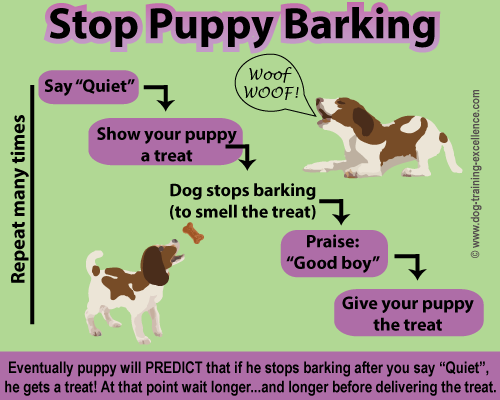
- Reward quiet. Wait for a pause, then give a treat or petting. This links quiet with good things.
- Redirect with a task. Ask for "sit" or "down" and reward compliance.
- Teach a "quiet" cue. Say "quiet," wait for calm, then reward. Repeat in short sessions.
- Increase exercise and mental work. A tired dog barks less.
- Avoid reinforcing bad habits. If your dog barks for attention, ignore until quiet, then reward.
Training tips from my experience:
- Train in short sessions daily. Dogs learn faster in small bites.
- Be consistent. If barking sometimes gets what it wants, the dog will keep trying.
- Use positive reinforcement. Punishment often raises stress and more barking.
These methods helped a fearful rescue I worked with. After two weeks of short reward-based sessions, her alert barking dropped by half and she relaxed near the door.

Medical, age, and environmental factors
Sometimes barking is not behavioral. Ask "why does my dog bark at me" and consider health or environment:
- Pain and illness. Arthritis, dental pain, or ear infections can raise vocalizing.
- Hearing loss. Older dogs may bark more because they cannot hear themselves.
- Cognitive decline. Dogs with dementia can bark at night or at empty space.
- Sensory sensitivity. Some dogs react strongly to small sounds or flashes.
- Hormonal or neurological issues. Rare, but they can change vocal behavior.
If barking is new or comes with other signs like loss of appetite, pacing, or aggression, get a vet check. A medical fix can stop barking quickly.

Prevention and daily habits to reduce barking
Preventing excess barking is easier than fixing long-term problems. Use daily habits that build calm:
- Exercise daily. Walks, play, and fetch burn energy.
- Give mental work. Puzzle feeders and short training sessions occupy the brain.
- Create a calm zone. A crate or bed with rules can reduce stress.
- Manage triggers. Close curtains, use white noise, or block sightlines to reduce alarms.
- Socialize gradually. Calm exposure to new people and dogs lowers fear barks.
- Teach alternate behavior. Train the dog to go to a mat when visitors arrive.
Start slowly. Swap high-emotion reactions for calm rewards. Over weeks you will see steady improvement.

When to get professional help
If you still ask "why does my dog bark at me" after trying steps, get help. Seek a veterinarian or certified trainer when:
- Barking happens suddenly and severely.
- The dog shows other signs of illness or pain.
- Barking is paired with aggression or self-harm.
- You feel unsafe or overwhelmed.
A behaviorist can build a plan that fits your dog’s needs. Vet checks rule out medical causes. Early help often shortens the road to calm.
Frequently Asked Questions of why does my dog bark at me
Why does my dog bark at me for attention?
Your dog learned barking gets you focused on them. Reward quiet behavior and ignore attention-seeking barks to change that pattern.
My dog barks when I leave. Is this separation anxiety?
It could be separation anxiety if barking is combined with pacing, drooling, or destructiveness. A vet or behaviorist can confirm and guide treatment.
Can punishment stop barking?
Punishment can stop barking short-term but often increases fear and stress. Positive training and management is safer and more effective long term.
How long will training take to reduce barking?
You can see changes in days for simple attention-barks. More complex issues, like fear or anxiety, may take weeks to months with consistent work.
Is barking at night normal?
Some night barking is normal. But persistent nighttime barking can mean pain, anxiety, or lack of daytime exercise. Check routines and health.
Conclusion
Understanding why does my dog bark at me starts with observing, ruling out health issues, and using calm, consistent training. Read your dog’s body language, reward quiet, and give enough exercise and mental work. If the barking is sudden or severe, consult a vet or a certified trainer for a tailored plan. Try one small change today—short training sessions, a new walk time, or a puzzle toy—and track the result. Share what worked for you, subscribe for more tips, or leave a comment with your dog’s story.

Pet Care Writer & Researcher
Daniel writes practical guides on daily care, feeding, and safety, turning complex topics into simple, actionable advice.