
How Many DB Is A Dog Bark: Sound Levels Explained
How many db is a dog bark? Learn typical decibel levels, what affects barking volume, and when a dog’s bark may harm hearing.
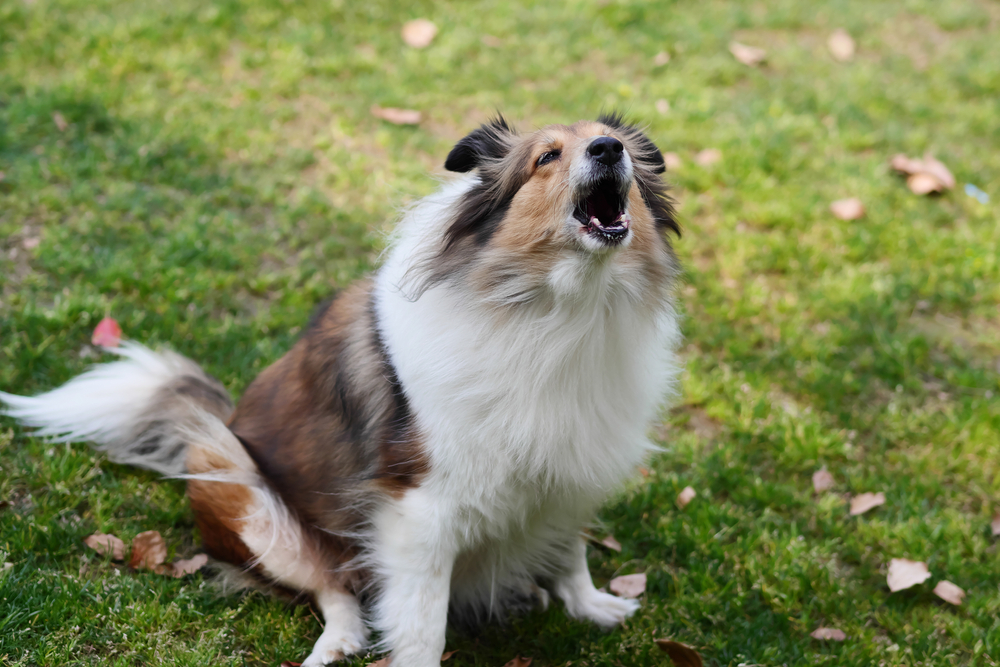
A dog bark usually measures 60 to 100 decibels, though some powerful barks can reach 110 decibels.
If you are asking how many dB is a dog bark, the most accurate answer depends on the dog, distance, bark type, and measuring device. A small dog barking across a room may sound moderate, while a large dog barking close to your ears can be as loud as heavy traffic or a power tool. This guide explains dog bark decibel levels, hearing risks, safe distances, and simple ways to measure sound accurately.

How Many dB Is a Dog Bark?
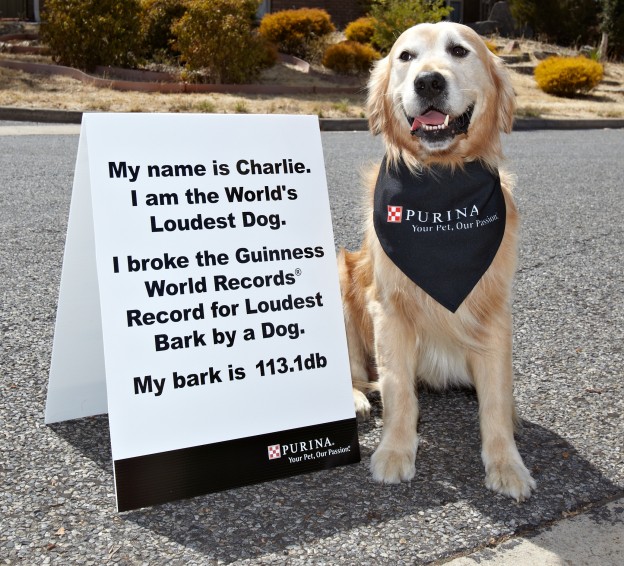
Most dog barks measure between 60 and 100 decibels when recorded close to the dog. A very loud bark from a large breed may reach about 105 to 110 dB for a short moment.
Here is a simple guide:
• Quiet or distant bark: 50 to 70 dB
• Normal bark at close range: 70 to 90 dB
• Loud bark from a large dog: 90 to 105 dB
• Very powerful bark near the listener: 105 to 110 dB
These figures are estimates, not fixed rules. A dog does not produce one exact sound level every time it barks. Excitement, fear, anger, body size, mouth shape, and the space around the dog can all change the result.
When people search for how many dB is a dog bark, they often expect one number. In reality, a range gives a more honest answer. A dog bark is much like a shout: the volume changes with effort and distance.
What Affects a Dog Bark’s Decibel Level?
Several factors can make one bark sound much louder than another. Understanding these factors helps explain why measurements can vary from one test to the next.
Dog size and breed
Large dogs often have deeper and stronger barks. Their larger chest and vocal system can move more air, which may produce higher sound levels.
Small dogs can also bark loudly. In some cases, a small dog may sound sharper than a large dog because high-pitched sounds feel more piercing to the human ear.
Breed alone does not determine how many dB is a dog bark. A quiet Great Dane may bark less loudly than an excited Chihuahua. Individual behavior matters more than breed labels.
Distance from the dog
Sound gets weaker as it travels. A bark measured 1 foot from a dog will be much louder than the same bark measured 20 feet away.
As a general rule, sound falls by about 6 dB each time the distance doubles in an open area. Walls, floors, furniture, and trees can change this pattern.
For example, a bark measuring 100 dB at 1 foot may measure around 94 dB at 2 feet and about 88 dB at 4 feet. These are rough estimates because real spaces create echoes and reflections.
Bark type and emotion
A short warning bark may not reach the same level as a long, forceful bark. Dogs may bark harder when they are scared, guarding their home, chasing something, or playing with high energy.
A dog in distress may also bark again and again. Repeated exposure can matter more than one brief bark, even if each bark is not the loudest possible sound.
Indoor and outdoor spaces
Indoor rooms can make barking seem louder because sound reflects from walls and ceilings. A kennel, hallway, apartment, or vehicle may create an echo that raises the overall noise level.
Outside, sound usually spreads more freely. However, a dog barking beside a fence, wall, or building can still sound very loud because nearby surfaces reflect the sound back toward you.
How Loud Is a Dog Bark Compared With Other Sounds?
Knowing how many dB is a dog bark becomes easier when you compare it with common sounds.
• Whisper: about 30 dB
• Quiet conversation: about 50 to 60 dB
• Normal traffic: about 70 to 85 dB
• Vacuum cleaner: about 70 to 80 dB
• Busy restaurant: about 80 to 90 dB
• Motorcycle or lawn mower: about 90 to 100 dB
• Dog bark at close range: about 60 to 100 dB
• Nightclub or loud concert: about 100 to 110 dB
• Emergency siren nearby: about 100 to 120 dB
A dog bark can therefore range from ordinary conversation to the level of a loud machine. The bark may feel more intense because it starts suddenly and often contains sharp, high-frequency tones.
The distance used for each comparison matters. A vacuum cleaner measured beside your ear is not comparable to one measured across a room. The same rule applies when measuring how many dB is a dog bark.
Can a Dog Bark Damage Human Hearing?
A single bark usually does not cause permanent hearing damage. Still, a very loud bark close to the ear can cause pain, ringing, or temporary muffled hearing.
The risk increases when the sound is:
• Very loud
• Repeated often
• Heard for a long time
• Close to the ear
• Experienced in a small, echoing room
Workplace safety guidance commonly treats sounds around 85 dBA over a full workday as a level that may require hearing protection. Louder sounds can become risky in a shorter time.
The “A” in dBA means the measurement uses a filter that roughly matches human hearing. Many phone apps show dB or dBA estimates, but their results may not be accurate enough for legal, medical, or professional decisions.
If a dog barks near your ear and you notice ringing, pain, dizziness, or reduced hearing, move away from the noise. If symptoms continue, contact a health professional.
Can a Dog Bark Hurt a Dog’s Hearing?
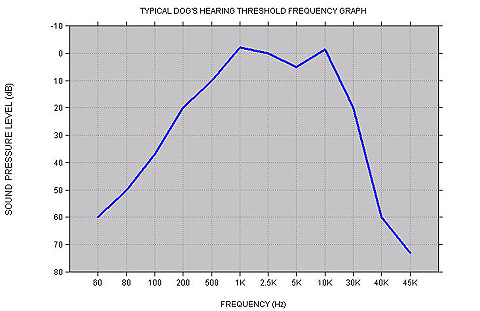
Dogs can also be affected by very loud or repeated sounds. Their hearing is more sensitive than ours in several frequency ranges, so constant barking in a small space may cause stress.
A dog may show discomfort through body language rather than words. Watch for:
• Flattened ears
• Hiding or avoiding the sound
• Restlessness
• Whining
• Sudden aggression
• Frequent shaking
• Changes in sleep or appetite
One bark is not normally a threat to a dog’s hearing. The bigger concern is a loud environment that continues for hours or days. This can happen in crowded kennels, dog day care centers, or homes with several highly vocal dogs.
Good sound control can help. Give dogs a quiet room, use soft furnishings to reduce echoes, and avoid shouting over barking. A veterinarian or qualified behavior professional can help if the barking is linked to anxiety.
How to Measure How Many dB Is a Dog Bark
You can estimate how many dB is a dog bark with a sound meter or a smartphone app. A dedicated sound level meter is usually more reliable than a phone because it has a better microphone and calibration options.
Follow these steps:
-
Place the meter at a known distance from the dog, such as 3 feet.
-
Keep the microphone at the same height as the dog’s head when possible.
-
Use dBA mode if the device offers it.
-
Record several barks instead of relying on one peak.
-
Write down the average level and the highest peak.
-
Repeat the test in the same room or outdoor area.
Never place a meter directly beside the dog’s ear. Do not provoke a dog simply to create a louder bark. Stress can harm the animal and may make the measurement less useful.
Phone apps can offer a helpful estimate, but their microphones may limit readings at high volumes. A phone case, wind, background traffic, and room echoes can also affect the result.
A practical lesson from real-world sound checks is that placement matters as much as the animal. Moving the meter only a few feet can change the reading by several decibels. Always record the distance, location, device, and measurement type.
Why Phone Apps Give Different Dog Bark Readings
Two apps may show different results for the same bark. This does not always mean one app is broken.
Common reasons include:
• Different microphone quality
• Different sound filters
• Automatic volume controls
• Background noise
• Echoes from walls
• Wind outdoors
• Different distance from the dog
• Peak versus average readings
Some apps display the highest short burst. Others show an average level over several seconds. A peak reading may look much higher than an average reading, even when both are correct for their measurement method.
For a casual home estimate, a reputable app can be useful. For a noise complaint, workplace assessment, property dispute, or hearing safety decision, use a calibrated sound level meter and, when needed, a qualified acoustics professional.

How to Reduce the Noise From a Barking Dog
If barking is disturbing your home or neighbors, reducing the cause is better than simply blocking the sound. Dogs often bark because they are bored, afraid, excited, lonely, or reacting to movement.
Helpful steps include:
• Give the dog daily exercise that fits its age and health.
• Use food puzzles and scent games for mental activity.
• Block views of busy sidewalks or windows.
• Teach a quiet cue with reward-based training.
• Avoid yelling, since dogs may treat your voice as more barking.
• Keep a routine for meals, walks, and rest.
• Provide a calm area away from doors and windows.
• Speak with a veterinarian if the barking began suddenly.
Sound-control changes can also help:
• Close windows during busy times.
• Add rugs, curtains, and soft furniture to reduce echoes.
• Use weather stripping around doors.
• Move the dog’s resting area away from shared walls.
• Keep outdoor barking away from fences that reflect sound.
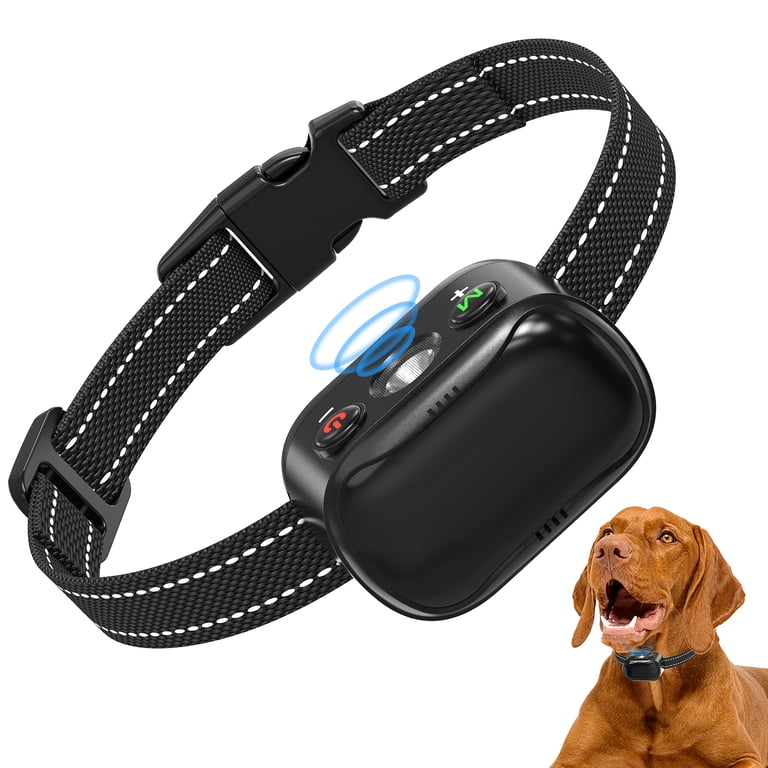
Do not use shock collars or punishment without professional guidance. These tools may increase fear and can make barking worse. Reward-based training is widely recommended because it teaches the dog what to do instead of only punishing the unwanted behavior.

Dog Bark Decibels and Noise Complaints
A barking dog can become a real community issue, especially in apartments and neighborhoods with small lots. The problem is not only how many dB is a dog bark. Duration, time of day, repetition, and local noise rules also matter.
A single 95 dB bark may be less disruptive than hours of barking at 75 dB. A calm discussion with the owner often works better than an immediate complaint, especially if the owner does not know how far the sound travels.
If the issue continues, keep a simple record:
• Date and time
• Length of each barking period
• Location of the dog
• Whether the sound is indoors or outdoors
• Approximate distance from your home
• Any sound meter reading
Local rules differ across cities, counties, and homeowners’ associations. Some focus on quiet hours, while others define unreasonable or excessive noise. Check your local code before relying on a decibel number alone.
A fair approach protects both people and animals. The goal should be a quieter living space and a safe plan for the dog, not punishment for normal communication.
Understanding dB, dBA, and Sound Exposure
Decibels use a logarithmic scale. This means a small increase in the number can represent a major increase in sound intensity.
A sound measured at 90 dB is not simply twice as intense as a sound measured at 45 dB. The scale compares sound pressure in a way that matches the wide range of sounds humans can hear.
The term dBA is often more useful for everyday hearing concerns because it weighs frequencies based on human hearing. A dog bark may contain low and high tones, so the reading can change between dB, dBA, and other measurement settings.
It is also important to separate loudness from exposure. Loudness describes the sound level at a moment. Exposure includes how loud the sound is, how long it lasts, and how often it happens.
That is why there is no single answer to how many dB is a dog bark that applies in every situation. The best answer includes the level, distance, time, and measurement method.
Frequently Asked Questions About How Many dB Is a Dog Bark
How many dB is a dog bark at close range?
A dog bark at close range often measures between 70 and 100 dB. Large or highly excited dogs may produce short peaks around 105 to 110 dB.
Is a dog bark louder than a human voice?
Yes, a close dog bark is often louder than normal speech. Human conversation is commonly around 50 to 60 dB, while a nearby bark may reach 90 dB or more.
Can a dog bark cause hearing loss?
One brief bark is unlikely to cause permanent hearing loss in most situations. Repeated loud barking close to the ears can increase the risk of ringing, pain, or hearing damage.
What is the loudest dog bark?
There is no universal maximum for every dog because results depend on distance and test conditions. Some unusually powerful barks have been measured at roughly 110 dB near the source.
Does a small dog bark louder than a large dog?
A small dog can sound very loud, especially because its bark may have a sharp pitch. However, larger dogs often produce stronger low-frequency sound and may reach higher overall levels.
Are dog bark decibel apps accurate?
Phone apps can provide a rough estimate, but they are not always reliable at very high volumes. A calibrated sound level meter is better for formal testing or safety decisions.
[CodeImg? No, FAQ no placeholder per instruction. Do not include.]
Conclusion
A dog bark usually falls between 60 and 100 dB, while an unusually loud bark close to the listener may reach 105 to 110 dB. The true level depends on the dog, distance, room, bark type, and meter settings.
For a useful estimate, measure from a known distance, use dBA mode, record several barks, and avoid stressing the dog. If barking affects your sleep, hearing, or relationship with neighbors, address both the sound and the reason behind it.
Use this information to protect your hearing, improve your dog’s environment, and choose kind, effective training methods. Share your experience or explore more trusted pet and hearing resources to learn how sound affects everyday life.

Pet Care Writer & Researcher
Daniel writes practical guides on daily care, feeding, and safety, turning complex topics into simple, actionable advice.