Do Yorkie Dogs Bark A Lot: Facts And Training Tips
Do yorkie dogs bark a lot? Learn why Yorkies bark, what triggers them, and practical training tips to encourage calmer behavior.
Yes, Yorkies often bark a lot, but training, exercise, and routine can greatly reduce excessive barking.
Yorkshire Terriers are bright, alert, and quick to notice every sound around them. Their small size does not mean a small voice. In this guide, you will learn why Yorkies bark, what their barking means, and how to build calmer habits without harsh punishment.

Why Do Yorkie Dogs Bark a Lot?
Yorkies were bred as working terriers. Their early job was to chase rats in textile mills and homes. That work rewarded dogs that were brave, alert, and ready to react quickly.
Today, a Yorkie may bark at a doorbell, passing dog, moving car, or sound outside a window. Barking is part of normal canine communication, not a sign that your dog is being difficult on purpose.
So, do yorkie dogs bark a lot compared with other breeds? Often, yes. Yorkies tend to be more vocal than many quiet companion breeds because they are alert, energetic, and strongly attached to their people.
Common reasons for barking include:
• Alerting you to a sound or person
• Seeking attention
• Feeling bored or under-stimulated
• Protecting their home
• Showing fear or uncertainty
• Reacting to other dogs
• Experiencing separation stress
• Asking for food, play, or access to a room
A Yorkie’s bark is like a small alarm system. The alarm may be useful at times, but it can become tiring when it goes off for every tiny event.

How Much Barking Is Normal for a Yorkie?
There is no exact number of barks that defines normal behavior. A few alert barks at the door may be reasonable. Barking for long periods at every noise may signal a training, lifestyle, or emotional issue.
Some Yorkies bark only when someone approaches the home. Others bark at birds, neighbors, delivery workers, or sounds that people cannot hear. Small dogs often notice high-pitched sounds more easily than humans do.
A dog’s age and history also matter. A well-socialized adult Yorkie may be calmer than a young puppy. However, an older dog that suddenly starts barking more should receive a veterinary check.
Watch the pattern rather than counting every bark. Ask yourself:
• What happens just before the barking?
• Does the barking stop when the trigger leaves?
• Does your Yorkie seem afraid, excited, or angry?
• Does your dog bark only when alone?
• Has the behavior changed suddenly?
In my experience with small companion dogs, owners often focus on the noise instead of the cause. Once they track the trigger for a few days, the solution usually becomes much clearer.
The Main Reasons Yorkies Bark
Territorial barking
Territorial barking happens when a Yorkie sees or hears something near the home. Windows, front doors, balconies, and fences can all become watch posts.
Your dog may believe that barking successfully makes strangers leave. Since the person eventually walks away, the dog may think the barking worked. This can make the habit stronger over time.
Close the blinds during busy hours, move furniture away from windows, and reward quiet behavior before your Yorkie becomes highly excited.
Attention barking
Yorkies are social dogs. If barking brings eye contact, talking, touching, or treats, your dog may repeat it.
Even saying “stop” can reward attention-seeking barking. To your Yorkie, any response may feel better than being ignored.
Wait for a brief pause, then offer calm attention. This teaches your dog that quiet behavior works better than noise.
Fear and anxiety
A Yorkie may bark because the world feels unsafe. Loud trucks, unfamiliar people, large dogs, and sudden movements can frighten a small dog.
Fear barking often comes with a stiff body, tucked tail, pinned ears, lip licking, or attempts to hide. Do not force your dog to approach the scary trigger. Give your Yorkie space and use gradual exposure.
Boredom and excess energy
A Yorkie may be small, but it still needs mental and physical activity. Short walks, scent games, training, and play help use the brain.
A dog with too little activity may bark at walls, shadows, outdoor sounds, or family members. Boredom can turn normal alert barking into a daily habit.
Separation-related distress
Some Yorkies bark when left alone because they feel stressed, not because they are trying to annoy you. Other signs may include pacing, scratching doors, drooling, accidents, or destructive behavior.
Do not punish this type of barking after returning home. Your dog may not connect the punishment with the earlier behavior. A veterinarian or qualified behavior professional can help create a safe separation plan.

Do Yorkie Dogs Bark a Lot Because They Are Protective?
Yorkies can be protective, but their behavior is usually based on alertness rather than true guarding ability. They may warn you when someone approaches the house or when another animal passes by.
A Yorkie may also bark while standing close to your feet or hiding behind you. This can look brave, but it may actually show uncertainty. The dog is using sound to create distance.
Avoid encouraging your Yorkie to “get them” or act aggressive. That response can increase fear and make the barking harder to control.
Instead, calmly acknowledge the alert. Say a quiet cue such as “thank you,” guide your dog away from the window, and reward silence. With repetition, your Yorkie can learn that you are handling the situation.

How to Stop Excessive Yorkie Barking
Training works best when it teaches your dog what to do instead. Simply shouting “no” may stop the bark for a moment, but it does not explain the better choice.
Use this step-by-step method:
-
Identify the trigger. Notice whether your Yorkie reacts to people, dogs, sounds, boredom, or being alone.
-
Create distance. Move your dog farther from the window, door, or trigger.
-
Wait for a short pause. At first, even one second of silence is useful.
-
Mark the quiet moment. Use a calm word such as “good.”
-
Give a reward. Offer a small treat, toy, or gentle praise.
-
Repeat often. Short practice sessions are more effective than one long session.
-
Increase the challenge slowly. Add more noise or distance only when your dog stays relaxed.
Never reward barking by opening the door, handing over food, or starting play during the noisy moment. Wait for calm behavior first.
A common mistake I have seen is asking for “quiet” while the dog is already overwhelmed. At that point, the brain is focused on the trigger. Begin training when the barking is mild, then slowly build your dog’s ability to stay calm.

Teaching a Yorkie the Quiet Cue
The quiet cue should be taught with patience. Start in a calm room, not during a major barking episode.
Ask a family member to make a soft sound outside the room. When your Yorkie barks, hold a treat near the nose. Most dogs pause briefly to sniff. As soon as your dog is quiet, say “quiet,” then give the treat.
Repeat this exercise several times. Keep sessions short and upbeat. Over time, your dog will connect the word with stopping the bark.
Follow these training rules:
• Use a calm voice
• Reward silence quickly
• Avoid repeating the cue many times
• Do not yell over the barking
• Practice with different sounds and locations
• Ask every family member to follow the same plan
A quiet cue is not a magic switch. It is a skill that grows through repetition. Some Yorkies learn quickly, while others need weeks of steady practice.

Exercise and Enrichment for a Quieter Yorkie
Exercise can reduce barking, but it does not need to be intense. Yorkies have small bodies and delicate joints, so activity should match age, health, and fitness.
Useful daily activities include:
• Two or three short walks
• Gentle indoor play
• Food puzzles
• Treat searches
• Basic obedience practice
• Scent games
• Safe chewing activities
• Calm visits to new places
Mental work can tire a Yorkie more than a long walk. Hide a few treats around one room and let your dog sniff them out. You can also place part of the daily meal in a puzzle feeder.
Avoid using constant high-energy play to solve every barking problem. Some dogs become more excited after nonstop chasing or rough play. Balance active games with quiet rest.
A predictable routine also helps. Meals, walks, rest, and training at similar times can make the day feel easier for an anxious or reactive dog.

Socialization Can Help Reduce Barking
Early socialization teaches a puppy that normal sights, sounds, people, and animals are not always dangerous. It should be gentle and positive.
Safe socialization may include watching people from a distance, hearing household sounds at a low volume, walking on different surfaces, and meeting calm, healthy dogs.
Do not force a Yorkie into crowded places or allow unknown dogs to rush up. A frightening experience can increase barking and fear.
Adult Yorkies can also learn new responses. Begin with a trigger that causes only mild interest. Reward your dog for looking at it and then looking back at you.
This process is called changing the emotional response. Instead of thinking, “That sound is scary,” your dog begins to think, “That sound predicts something good.”

When Yorkie Barking May Signal a Health Problem
A sudden increase in barking deserves attention. Pain, hearing changes, vision loss, cognitive decline, and other health issues can affect behavior.
Contact your veterinarian if barking comes with:
• Limping or reluctance to move
• Appetite changes
• Restlessness at night
• Confusion
• Frequent thirst or urination
• Touch sensitivity
• Coughing or breathing trouble
• Sudden fearfulness
• Changes in sleep
Never assume every behavior problem is caused by poor training. A medical exam can rule out health problems before you begin a behavior plan.
A veterinarian may also refer you to a certified behavior professional. This is especially important when barking involves panic, aggression, or severe separation distress.
Mistakes to Avoid When Managing Yorkie Barking
Some popular responses can make barking worse. Avoid these common mistakes:
• Shouting at your dog, which may sound like you are barking too
• Using physical punishment, which can increase fear
• Allowing barking sometimes but punishing it at other times
• Leaving a Yorkie alone for long periods without preparation
• Keeping the dog at a window all day
• Rewarding barking with treats or attention
• Expecting instant results after one training session
Consistency matters more than perfection. If one person rewards barking and another person ignores it, your Yorkie receives mixed signals.
Also, do not aim for complete silence. A healthy dog may bark to communicate. The realistic goal is fewer, shorter, and easier-to-manage barking episodes.
Living With a Vocal Yorkie in an Apartment
Apartment life can be comfortable for a Yorkie, but shared walls make barking more noticeable. Plan ahead before your dog develops a habit.
Use curtains, window film, or furniture placement to limit visual triggers. Keep a white noise machine or fan near the front door if hallway sounds cause frequent reactions.
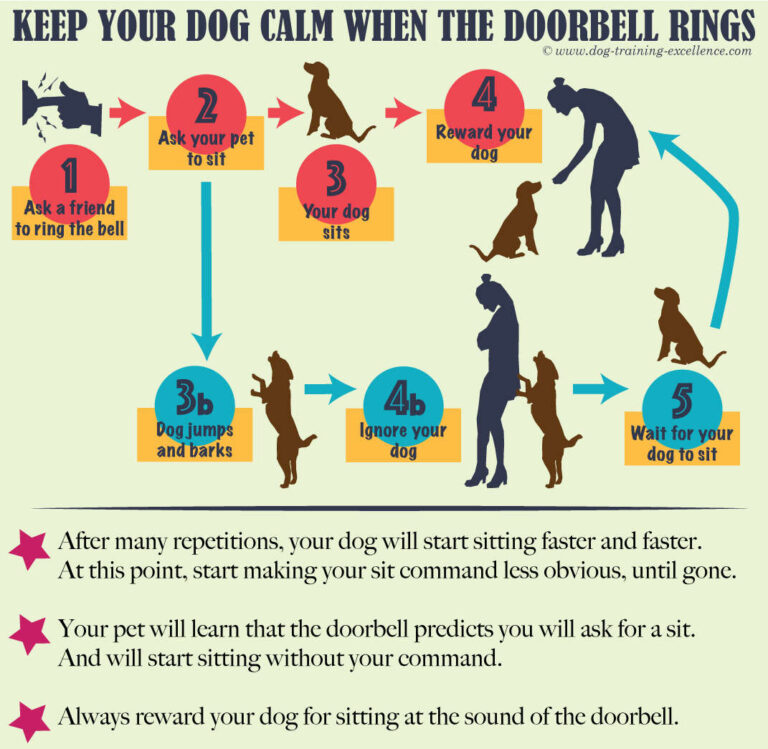
Teach your dog to move to a mat when someone knocks. Practice with very soft knocks first. Reward your Yorkie for staying on the mat, then slowly increase the sound.
Tell neighbors that you are working on the issue. A polite message can reduce tension while training is in progress. If barking happens mainly when you leave, use a camera to learn whether your dog is calm, vocal, or distressed.
Frequently Asked Questions About Do Yorkie Dogs Bark a Lot
Do Yorkies bark more than other small dogs?
Many Yorkies are more vocal than quiet small breeds because they are alert terriers. Individual personality, training, socialization, and daily routine still make a major difference.
Why does my Yorkie bark at everything?
Your Yorkie may be reacting to sounds, movement, boredom, fear, or a desire for attention. Track what happens before each barking episode so you can address the real trigger.
Can you train a Yorkie not to bark?
You can reduce excessive barking and teach a quiet cue, but you should not expect total silence. Reward calm behavior, manage triggers, and practice in short sessions.
Are Yorkies good dogs for apartments?
Yorkies can do well in apartments because of their small size and adaptable nature. However, they need exercise, mental activity, social contact, and barking training.
Should I use a bark collar on my Yorkie?
Bark collars can cause fear, stress, or confusion, especially in sensitive small dogs. Reward-based training and trigger management are safer first choices, while serious cases should involve a veterinarian or qualified behavior expert.
Why does my Yorkie bark when left alone?
Barking when alone may indicate boredom, habit, or separation-related distress. If you also see pacing, destruction, drooling, or panic, seek professional guidance rather than using punishment.
Conclusion
Do yorkie dogs bark a lot? They can, especially when they are alert, bored, fearful, or seeking attention. Their barking is usually a form of communication, and the cause matters more than the noise itself.
Start by tracking triggers, adding daily enrichment, limiting visual stimulation, and rewarding quiet moments. With steady training and a kind approach, many Yorkies become calmer and easier to live with.
Begin with one small change today, such as rewarding silence at the window. For more practical dog behavior guidance, explore related training resources or share your Yorkie’s barking experience in the comments.

Pet Care Writer & Researcher
Daniel writes practical guides on daily care, feeding, and safety, turning complex topics into simple, actionable advice.