Do Cockapoos Bark A Lot: Causes And Easy Solutions
Do cockapoos bark a lot? Learn why they bark, how to reduce excessive noise, and practical training tips for a quieter, happier dog.
Cockapoos can bark often, but training, exercise, and the reason behind each bark matter most.
If you are asking, “Do cockapoos bark a lot?” the honest answer is: sometimes, but not always. Cockapoos are a mix of Cocker Spaniel and Poodle, so they can inherit alertness, energy, sensitivity, and a strong desire to interact with people.
The key is to understand what each bark means. A cockapoo may bark from excitement, boredom, fear, loneliness, or a need for attention. With the right routine and kind training, most families can reduce unwanted barking without trying to silence a normal form of dog communication.

Do cockapoos bark a lot?
Cockapoos can bark more than some quiet dog breeds, but they are not automatically constant barkers. Their barking level depends on genetics, early socialization, daily exercise, training, home life, and individual personality.
A cockapoo raised in a calm home with clear rules may bark only when someone comes to the door. Another cockapoo may bark at birds, cars, noises, visitors, or every person who walks past the window.
The Poodle side may contribute to alert barking and quick learning. The Cocker Spaniel side may add excitement, sensitivity, and a strong wish to stay close to the family. These traits can create a vocal dog, especially when the dog has not learned another way to respond.
Typical barking levels
Most cockapoos fall somewhere in the middle. They are often more vocal than very quiet breeds, but less likely to bark nonstop when their needs are met.
You may hear barking when your cockapoo:
• Notices a stranger near the home
• Wants to play or greet someone
• Feels bored or under-stimulated
• Hears a sudden sound
• Becomes anxious when left alone
• Sees animals or people outside
• Learns that barking earns attention
A useful way to think about barking is as a smoke alarm. It may signal a real concern, excitement, or a problem that needs attention. The sound alone does not explain the cause.

Why do cockapoos bark so much?
The question “Why do cockapoos bark so much?” has several possible answers. Barking is not one behavior with one cause. It is a communication tool, and the meaning changes with the situation.
Attention-seeking barking
Cockapoos often enjoy close contact with their owners. If barking leads to petting, eye contact, play, food, or being let outside, the dog may repeat it.
Even saying “quiet” can reward barking if your dog enjoys any response. From the dog’s view, you spoke, looked over, or moved closer. That can be enough to strengthen the habit.
Alert barking
Cockapoos may bark when they hear a delivery truck, see a neighbor, or notice movement near a window. This behavior can be useful in small amounts, but it can grow if the dog spends much of the day watching outdoor activity.
Window access, door sounds, and hallway noise are common triggers for apartment dogs. Closing blinds, using white noise, and teaching a calm response can help.
Boredom and excess energy
A cockapoo may bark when the day lacks movement or mental work. A short walk alone may not satisfy an energetic dog, especially if the walk has few chances to sniff and explore.
Puzzle toys, scent games, short training sessions, and safe play can help prevent boredom barking. Mental exercise often tires a cockapoo faster than endless physical games.
Separation-related distress
Some cockapoos bark when left alone because they feel worried, not because they are being stubborn. Other signs may include pacing, whining, scratching doors, drooling, destruction, or attempts to escape.
Separation anxiety needs a careful plan. Punishment can increase fear and make the barking worse. A veterinarian or certified veterinary behavior professional can help create a safe treatment program.
Fear and poor socialization
A cockapoo that did not meet many people, dogs, sounds, and places during puppyhood may bark when something feels unfamiliar. Fear barking can look aggressive, but the dog may actually be trying to create distance.
Do not force a fearful cockapoo to approach strangers. Give the dog space and pair the trigger with treats at a distance where the dog still feels safe.
Excitement barking
Some cockapoos bark during play, greetings, car rides, or meals. Their bodies may wiggle, their tails may move quickly, and they may struggle to stay still.
This type of barking often improves when the dog learns that calm behavior makes fun events happen. Ask for a sit, wait, or quiet pause before opening the door, tossing a toy, or serving food.

How much barking is normal for a cockapoo?
There is no exact number of barks that defines normal behavior. A few alert barks at a new sound can be normal. Barking that lasts for long periods, disrupts sleep, scares visitors, or causes conflict with neighbors needs attention.
Consider these questions:
• What starts the barking?
• How long does it last?
• Can your cockapoo calm down after the trigger ends?
• Does the dog bark only when alone?
• Has the barking changed suddenly?
• Is your dog showing fear, pain, or other unusual behavior?
A sudden increase in barking deserves a health check. Hearing loss, pain, vision changes, cognitive problems, and other medical issues can affect vocal behavior. Veterinary guidance is especially important for older dogs or dogs with a major behavior change.
It also helps to keep a simple barking diary for one week. Write down the time, trigger, length, and what happened after the barking. Patterns often become clear within a few days.

How to stop a cockapoo from barking
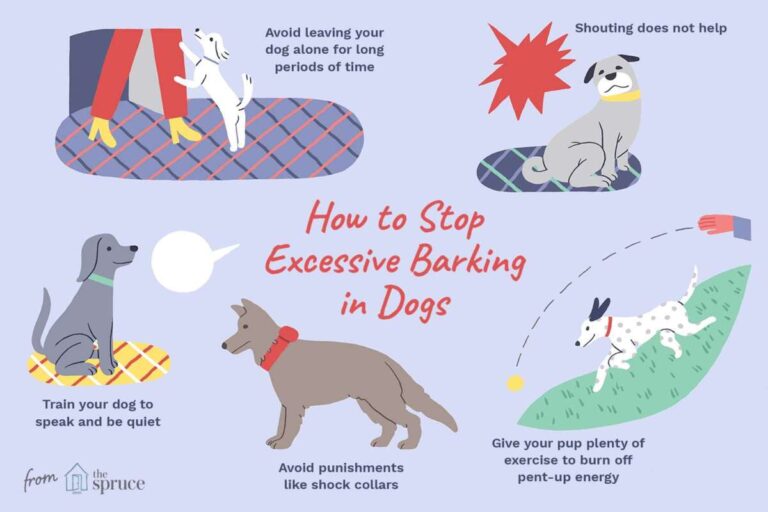
The best way to reduce barking is to address the cause while teaching a better response. Avoid shouting, shock collars, or harsh corrections. These methods may stop a sound for a moment, but they can increase fear and damage trust.
1. Meet your cockapoo’s daily needs
A well-rested and well-stimulated dog is usually easier to teach. Daily needs vary by age, health, and temperament, but many adult cockapoos benefit from:
• At least one or two enjoyable walks
• Sniffing time outdoors
• Short training sessions
• Safe play with people or suitable dogs
• Food puzzles or scent games
• A predictable rest schedule
Puppies need frequent rest. An overtired puppy can bark, nip, and act restless much like an overtired child.
2. Reduce easy triggers
Management is not a failure. It prevents your dog from practicing the behavior while training is underway.
Try these steps:
• Close curtains when outdoor movement causes barking
• Move furniture away from windows
• Use a fan or soft music to cover hallway sounds
• Keep your cockapoo away from the door during busy visits
• Give a chew or puzzle toy before predictable triggers
• Ask visitors to ignore the dog until calm
3. Teach a calm alternative
Choose a simple behavior, such as looking at you, touching your hand, sitting, or going to a mat. Practice when the home is quiet.
When your cockapoo notices a mild trigger but stays calm, say “yes,” then give a small treat. Over time, slowly work closer to stronger triggers. This process is called desensitization and counterconditioning.
4. Teach “quiet” with care
First, allow one or two alert barks. Then hold a treat near your dog’s nose. When the dog pauses to sniff, say “quiet” in a calm voice and give the treat.
Repeat this in short sessions. Do not yell the cue. Your voice should be softer than the barking, not louder.
5. Reward calm behavior
Many owners notice barking but miss the quiet moments. Reward your cockapoo when the dog rests on a bed, watches the window silently, or greets someone with four paws on the floor.
Calm behavior grows when it receives regular rewards. Think of training like watering a plant: what you nourish is what becomes stronger.

Common mistakes that make cockapoo barking worse
Some well-meaning responses accidentally teach more barking. Recognizing these mistakes can save weeks of frustration.
Giving attention during barking
Talking, touching, pushing away, and making eye contact can all act as rewards. Wait for a brief pause whenever possible, then reward quiet behavior.
Using punishment for fear barking
If your cockapoo barks because of fear, punishment may confirm that the trigger is dangerous. It can also suppress warning signals without fixing the emotion underneath.
Providing too little mental exercise
A walk around the block may meet basic movement needs, but it may not challenge a clever cockapoo. Add scent work, simple obedience games, and food puzzles.
Expecting instant results
Barking habits develop through repetition. Improvement may take days or weeks, depending on the cause, the dog’s age, and how long the behavior has existed.
Ignoring the dog’s sleep needs
Puppies and young dogs may need many hours of sleep each day. A puppy that barks all evening may need a quiet nap, not more stimulation.
Leaving a distressed dog alone for too long
If your cockapoo panics when alone, repeated long absences can strengthen the problem. Begin with very short departures and seek professional help if the dog shows serious distress.

Cockapoo barking by age and life stage
Age can change both the cause and the solution. A puppy, adult, and senior cockapoo may bark for very different reasons.
Cockapoo puppies
Puppies bark to ask for food, comfort, play, toilet breaks, and attention. They also react to new sights and sounds because the world is still unfamiliar.
Build calm habits early. Reward quiet pauses, introduce new experiences slowly, and avoid rushing to your puppy every time barking starts.
Adult cockapoos
Adult dogs often bark because of learned habits, boredom, alertness, excitement, or separation distress. At this stage, tracking triggers and using consistent training can make a major difference.
An adult cockapoo can learn new habits. Age does not make training pointless.
Senior cockapoos
Older dogs may bark more because of pain, hearing changes, confusion, or reduced ability to cope with stress. A veterinary exam should come before assuming the behavior is simply disobedience.
Keep the senior dog’s routine steady. Gentle walks, comfortable rest areas, and clear lighting can also help.

Are cockapoos good apartment dogs if they bark?
Cockapoos can live well in apartments, but their success depends on training and routine rather than size alone. A small dog can still create a great deal of noise if it reacts to every hallway sound.
Before bringing a cockapoo into an apartment, consider:
• How much time the dog will spend alone
• Whether you can provide daily walks and mental games
• How close your neighbors are
• Whether the building has frequent noise
• How you will manage door and window triggers
Teach your cockapoo to settle on a mat. Use background sound when needed, and practice calm responses to knocks and footsteps. Always follow local noise rules and your lease agreement.

Choosing a quiet cockapoo
You cannot guarantee a silent cockapoo, but careful selection may reduce risk. Meet the puppy’s parents if possible and ask about their barking habits, confidence, and response to new situations.
A responsible breeder should discuss temperament, health testing, early socialization, and the needs of the cross. Avoid choosing only by appearance or the smallest size.
Rescue dogs can also make wonderful companions. Ask foster caregivers how the dog behaves when alone, around visitors, near windows, and during normal household noise.
Remember that environment matters. A naturally calm puppy may become vocal without exercise and training, while a lively puppy may become a polite adult with steady guidance.
When to seek professional help
Contact your veterinarian if barking begins suddenly, becomes intense, or appears with signs of pain, confusion, fear, or illness. A medical problem should always be considered before starting a strict behavior plan.
Professional behavior help is wise when your cockapoo:
• Panics when left alone
• Tries to escape
• Bites or snaps around triggers
• Cannot settle after the trigger ends
• Barks for hours
• Shows severe fear
Look for a certified veterinary behaviorist or a reward-based trainer with recognized credentials. Ask what methods they use before booking. Avoid professionals who promise instant results or rely on fear and physical punishment.
Frequently Asked Questions About Do Cockapoos Bark a Lot
Do cockapoos bark more than other dogs?
Cockapoos may bark more than naturally quiet breeds because they are alert, social, and often energetic. However, individual temperament and training matter more than the breed label alone.
Do cockapoos bark when left alone?
Some cockapoos bark when left alone, especially if they have separation-related distress. Gradual alone-time training, enrichment, and professional guidance can help.
Are cockapoos easy to train not to bark?
Cockapoos are often smart and eager to learn, so reward-based training can work well. The first step is finding the cause of the barking instead of correcting the sound without understanding it.
Do cockapoos bark at strangers?
Many cockapoos bark at strangers because they are alert or excited. Calm greetings, controlled exposure, and rewards for quiet behavior can reduce this response.
Do cockapoos bark at night?
Night barking may come from outdoor sounds, loneliness, boredom, fear, or a need to toilet. Check for health and comfort issues, then keep the bedtime routine calm and predictable.
Can you train an older cockapoo to stop barking?
Yes, older cockapoos can learn quieter habits. Training may take longer when barking has been practiced for years, but consistent rewards and trigger management can still bring improvement.
Are cockapoos noisy dogs?
Cockapoos can be moderately vocal, but they are not all noisy. A dog with enough exercise, enrichment, socialization, and clear training is more likely to bark only when there is a reason.
Conclusion
So, do cockapoos bark a lot? They can, but frequent barking is not guaranteed. The main causes include alertness, boredom, excitement, attention seeking, fear, and separation distress.
Start by tracking the trigger, meeting your dog’s needs, reducing easy distractions, and rewarding calm behavior. Avoid shouting and harsh tools, and involve a veterinarian or qualified behavior professional when barking is sudden, severe, or linked to anxiety.
With patience, your cockapoo can learn that quiet behavior is rewarding. Begin with one calm moment today, and explore more reward-based training resources to build a quieter, happier home.

Pet Care Writer & Researcher
Daniel writes practical guides on daily care, feeding, and safety, turning complex topics into simple, actionable advice.